


 Cart


 <% cart_fragment.free_shipping_message %>free shipping


Why Do Indian Sweets Taste Different During Diwali? The Role Of Traditional Spices

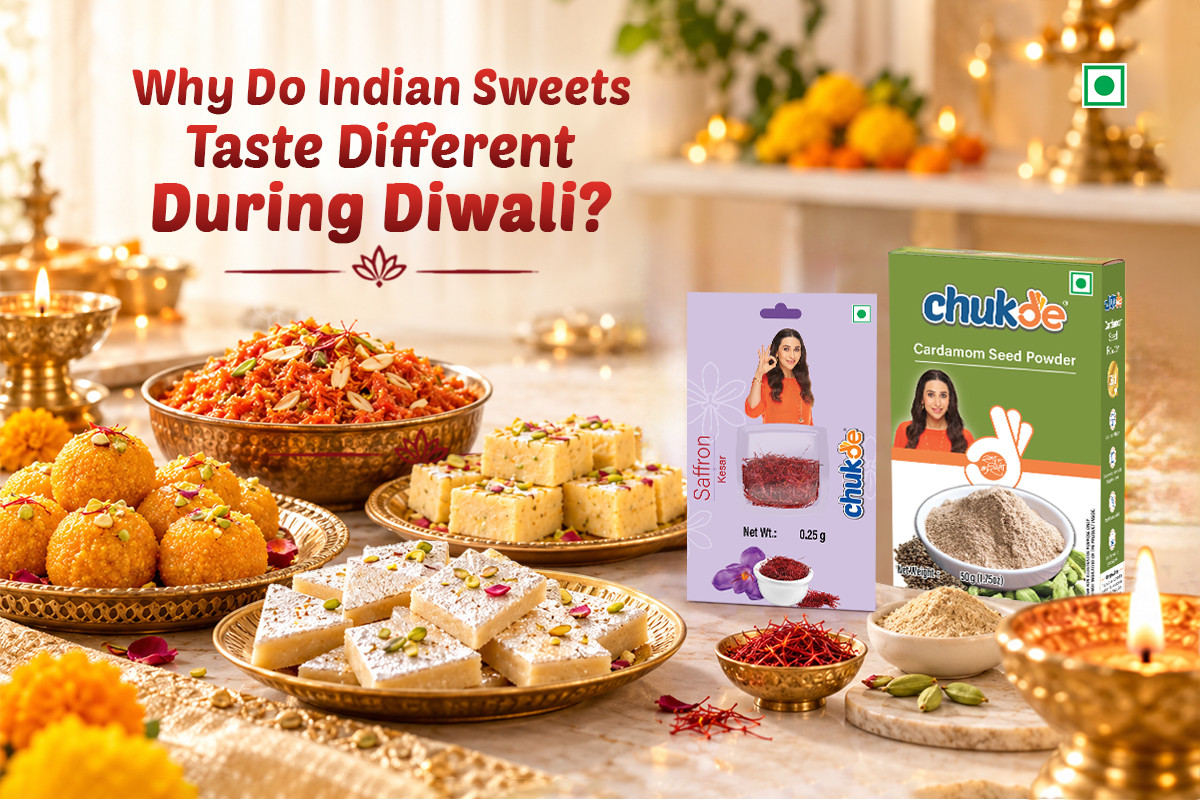
You know that feeling when Diwali cooking starts and the whole house suddenly smells amazing? The besan roasting for ladoos, milk simmering for kheer, gulab jamuns sizzling in the kadhai… it’s pure festival vibes. And somehow those same sweets just hit differently during Diwali, right? They taste richer, smell more fragrant, and feel extra special. It’s not only the ghee or sugar working their magic. A big part of that festive flavour comes from the traditional spices we use — and using good quality whole and ground spices at the right time really takes everything up a notch.
At Chukde, we see this every festive season when families stock up on green cardamom (elaichi), saffron (kesar), nutmeg (jaiphal) and other spices specially for their homemade Diwali sweets and mithai. From practical kitchen observations while testing festive batches, even a small change in timing or quantity of these spices can completely lift the final taste of ladoo, kaju katli, kalakand or soan papdi. Let’s walk through which spices matter most during Diwali, how they work in classic Indian sweets, and how you can use them with confidence in your own kitchen this year.
You’ll find simple explanations, a clear comparison table, easy storage tips for the busy festive period, and a few common mistakes to avoid so your Diwali mithai turns out just right.
Why Diwali Sweets Carry a Distinct Aroma
Everyday sweets often rely on sugar and basic flavouring. Diwali preparations use multiple aromatic spices together because the festival calls for richer, more memorable flavours. Green cardamom appears in almost every mithai prepared for Diwali. Saffron strands add colour and a honey-like note that feels special for the occasion. Nutmeg, cloves and cinnamon bring warmth that suits the cooler evenings of the festival season.
These spices contain volatile oils. When heated gently or bloomed in warm milk or ghee, the oils open up. The result is layered aroma rather than a single sweet note. In my experience testing side-by-side batches for Diwali, sweets made with freshly ground cardamom and properly bloomed saffron consistently smell stronger and taste more balanced than those made with older ground spices. You can read more about quality checks in our complete guide to buying whole spices online.
Regional Indian cooking also plays a part during Diwali. North Indian mithai leans on cardamom and saffron for the festive table. Some eastern recipes use a light touch of clove or cinnamon in the syrup for gulab jamun or jalebi shared with neighbours. The combination creates the signature Diwali flavour that people look forward to every year when preparing traditional Diwali sweets at home.
Key Traditional Spices Used in Diwali Mithai
Green Cardamom (Choti Elaichi)
Green cardamom is the most common spice in Diwali sweets. Its citrusy-floral note cuts through the richness of khoya, milk and ghee. Use whole pods lightly crushed for Diwali kheer and phirni, or freshly ground powder for ladoo, barfi and kaju katli that are distributed during the festival. From practical observations, ½ to ¾ teaspoon of freshly ground cardamom is enough for a standard batch of 500 g ladoo mixture prepared for Diwali guests. For consistent aroma, many home cooks prefer Chukde Green Elaichi or the convenient Green Elaichi Powder.
Saffron (Kesar)
Saffron strands give colour and a subtle earthy-sweet aroma that makes Diwali sweets look and smell festive. Bloom them in a spoon of warm milk for 10–15 minutes before adding. This simple step releases more flavour than dropping dry strands into the pot. It appears in kesar peda, special Diwali kheer, gulab jamun syrup, kalakand and shahi preparations offered during the celebrations. For detailed guidance on selecting and using kesar, see our Kesar benefits, uses and quality tips. You can also explore Kesar Saffron for your festive cooking.
Nutmeg (Jaiphal)
Grated nutmeg adds gentle warmth. A few scrapes work well in gajar ka halwa, certain ladoos, mysore pak and milk-based sweets made for Diwali. Use it sparingly. Too much can turn the taste medicinal. Freshly grated Chukde Jaiphal (Nutmeg) retains a better aroma than pre-ground versions.
Cloves and Cinnamon
A single clove or a small piece of cinnamon sometimes goes into the sugar syrup for gulab jamun or jalebi prepared in large quantities during Diwali. They contribute background warmth without dominating. Whole forms hold aroma longer than pre-ground versions and suit the multi-day cooking that often happens around the festival. Keep Chukde Laung (Clove) and Cinnamon Quills or Dal Chini sticks ready in your festive pantry.
Mace (Javitri)
Mace appears less often but adds a delicate, slightly peppery note in some richer Diwali preparations. It pairs well with cardamom and nutmeg in traditional Indian sweets. A small quantity of Chukde Spices Javitri is usually enough.
How These Spices Change the Taste: A Simple Comparison for Diwali Sweets
|
Spice |
Main Contribution |
Best Used In Diwali Sweets |
Form Preference |
Typical Qty |
|
Green Cardamom |
Floral aroma, balances sweetness |
Ladoo, barfi, kheer, gulab jamun, kaju katli |
Fresh ground / crushed pods |
½–1 tsp or 4–6 pods |
|
Saffron |
Colour + distinctive aroma |
Kesar peda, kheer, rabri, kalakand |
Whole strands, bloomed |
8–20 strands |
|
Nutmeg |
Warm depth |
Halwa, ladoos, phirni, mysore pak |
Freshly grated |
2–4 scrapes |
|
Clove |
Subtle heat |
Syrups for gulab jamun, jalebi |
Whole |
1–2 pieces |
|
Cinnamon |
Sweet-woody note |
Certain syrups, payasam-style |
Stick / small piece |
½-inch piece |
This table shows why the same base recipe can taste different once the right spices enter at the right stage during Diwali cooking and help homemade Diwali sweets stand out. For more recipe ideas, explore our 5 traditional Diwali recipes brought to life with spices.
Practical Guide: Using Spices Correctly in Diwali Sweets
Follow these steps for better results during the festival:
- Prefer whole spices where possible and grind small quantities just before use. Ground spices lose aroma faster, which matters when you cook in bulk for Diwali. Keep a good selection of khade masale ready.
- Bloom saffron in warm milk rather than adding it dry — this step is especially useful for the special sweets served on the main days.
- Add cardamom powder near the end of cooking or after the mixture comes off the heat so the volatile oils stay bright in the finished mithai.
- For syrups, add whole cloves or cinnamon early so they infuse gently, then remove before serving if desired.
- Roast gram flour or semolina on low heat first. This builds a nutty base that carries the spices better in large Diwali batches of ladoo or soan papdi.
Storage Checklist for Festive Spices During Diwali
- Keep whole spices in airtight containers away from direct light and heat.
- Store ground spices in smaller jars and replace every 6–12 months for best aroma.
- Control moisture: always use a dry spoon, especially when humidity rises during the festival season.
- Label the purchase or grinding date so you know what is freshest for Diwali cooking.
- Keep saffron in a dark, airtight box; exposure to light reduces colour strength.
These simple habits maintain flavour layering across the multi-day Diwali cooking period and help your homemade Diwali sweets stay fragrant. For everyday pantry planning, also see our list of
10 whole spices every Indian kitchen should always have.
Common Mistakes That Flatten the Taste of Diwali Sweets
- Using old ground cardamom that has lost its oils.
- Adding too much nutmeg or clove, which overpowers the sweet.
- Skipping the blooming step for saffron.
- Adding powdered spices too early on high heat, causing them to burn.
- Relying only on commercial essence instead of actual spices.
I’ve personally found that correcting just the cardamom freshness and saffron blooming improves the final aroma noticeably in home batches of kheer, ladoo, kaju katli and kalakand prepared for Diwali.
Bringing the Festive Flavour into Everyday Cooking
The same principles that make Diwali sweets special work beyond the festival. A light hand with green cardamom and a few saffron strands can lift regular milk desserts. Whole spices for tempering or light roasting keep the pantry ready for both daily and festival cooking. Clear labelling and proper storage help home cooks maintain consistency throughout the year and especially during Diwali when preparing traditional Diwali sweets recipes at home. Our top 10 must-have Indian spices for everyday cooking guide can help you stock the right basics.
India remains a major producer and exporter of these spices. According to data from the Spices Board of India, the country continues to lead in production and global trade of cardamom, saffron and many other aromatic spices. Demand for clearly labelled packaged whole spices and ground spices continues to grow as more people cook homemade Diwali sweets and share mithai with family and neighbours. For regulatory standards on spices and labelling, refer to FSSAI guidelines.
Conclusion
The role of traditional spices in Diwali sweets is what makes festive mithai taste different. Green cardamom, saffron, nutmeg, cloves and cinnamon create layered aroma and balanced sweetness when used with the right timing. Whole spices hold flavour longer, while proper grinding, blooming and storage keep the aroma strong during the festival.
Try these tips in your next batch of Diwali kheer, ladoo or kaju katli. Explore the whole and ground spices on the Chukde website and share what works best in your kitchen this Diwali.
Disclaimer: This article focuses on culinary use and kitchen practice. Individual results may vary based on ingredient freshness and cooking method.
About the Author
Team Chukde works with Indian spices every day—selecting whole spices, developing ground forms, and testing them in home-style recipes. The team focuses on practical cooking observations, clear product information, and helping home cooks achieve consistent flavour in both everyday meals and festival preparations, especially during Diwali. Insights shared here come from ongoing kitchen trials and product knowledge built around cardamom, saffron, nutmeg and other traditional spices used across regional Indian cooking and homemade Diwali sweets.
Related articles
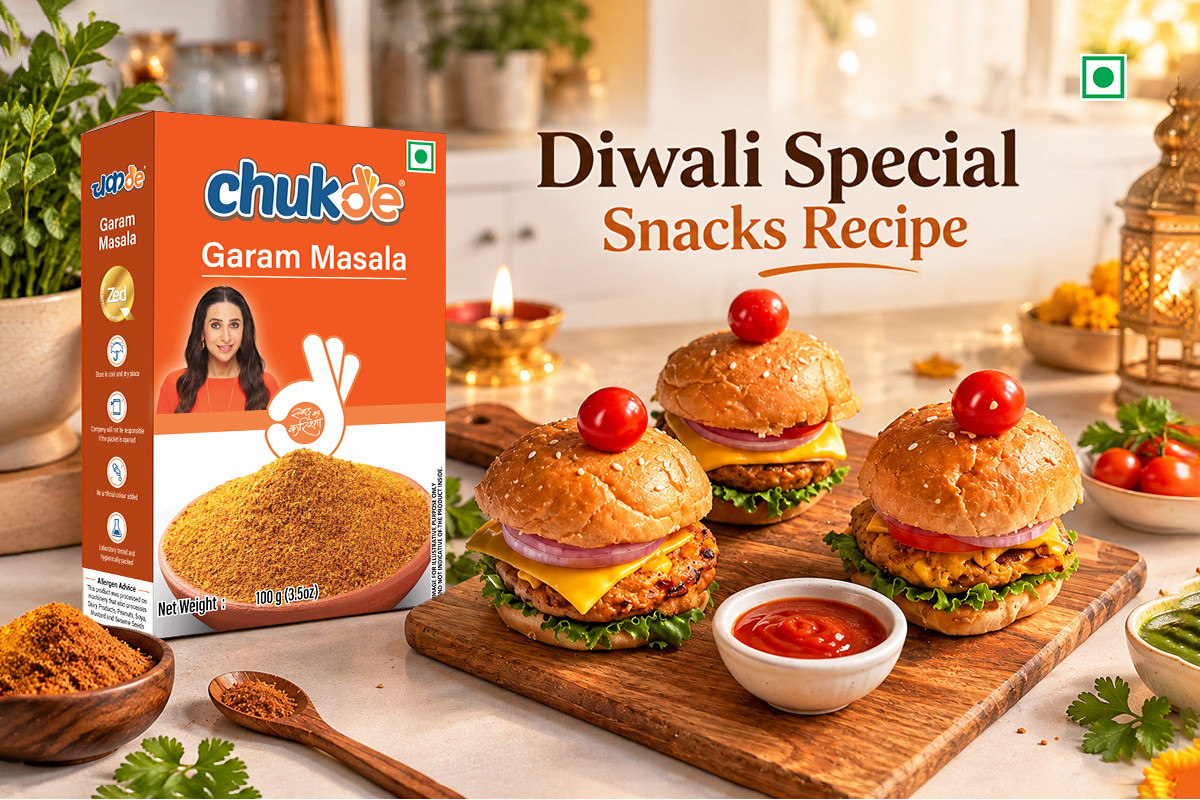
Try these easy Diwali special snacks with mini aloo tikki burgers made using spiced potatoes, garam masala and red chilli powder. Perfect for festive parties.
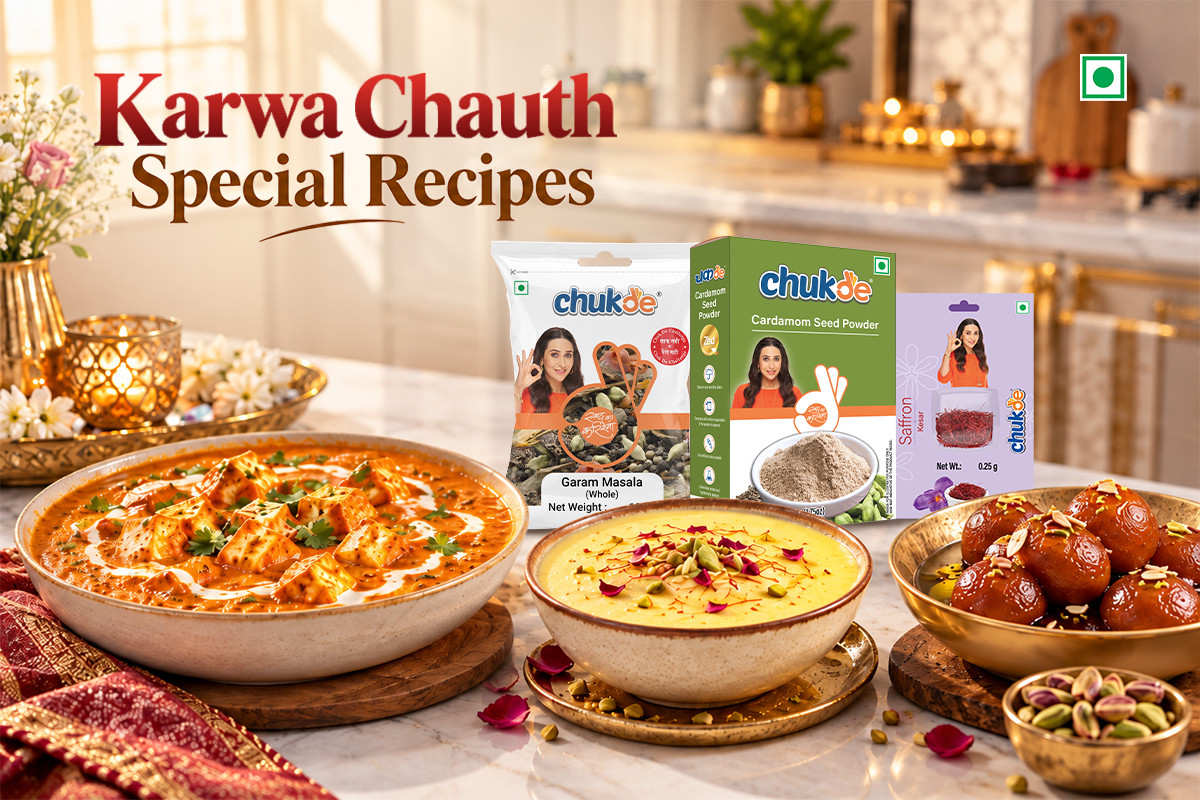
Explore Karwa Chauth recipes, from Sargi mathri and pheni to paneer, chole and phirni, with aromatic spices and easy make-ahead tips for a festive meal.
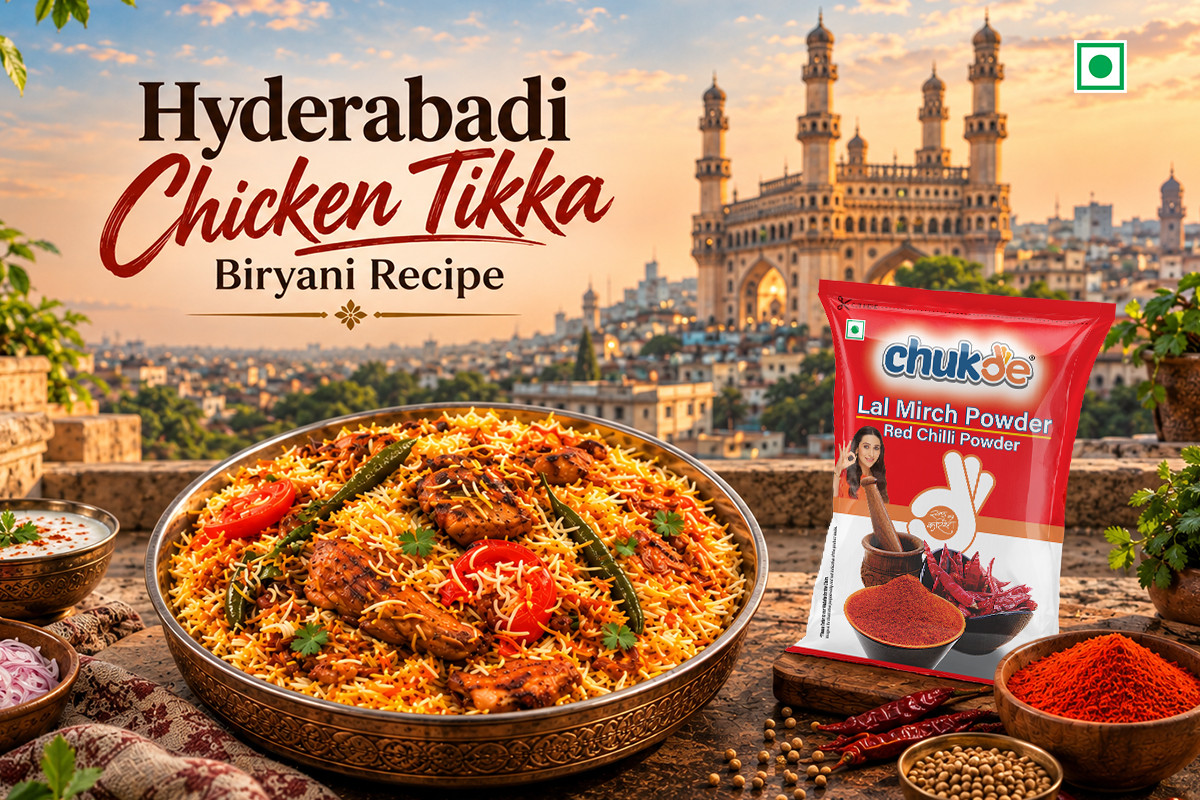
Make restaurant-style Hyderabadi chicken tikka biryani with smoky grilled chicken & aromatic basmati rice, Chukde spices and simple dum cooking at home!
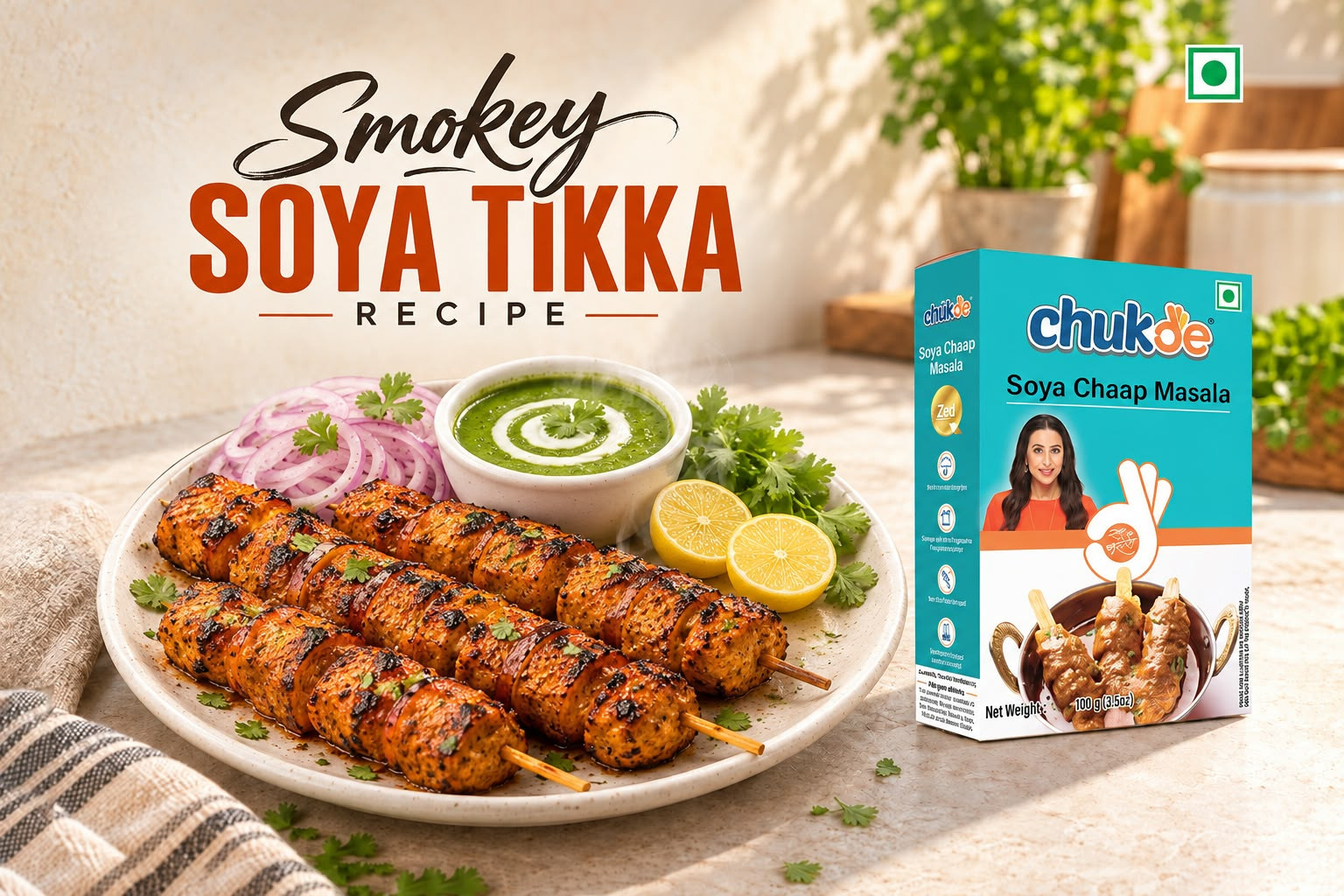
Make smoky soya chaap tikka at home with a creamy curd marinade, aromatic spices and charcoal dhungar. Try this easy restaurant-style starter recipe.
<% quickViewcurrVar.entity.title %> (<% quickViewcurrVar.price.off %>)
<% formatCurr(quickViewcurrVar.price.regular, quickViewcurrVar.price.curr_info) %> <% formatCurr(quickViewcurrVar.price.sale, quickViewcurrVar.price.curr_info) %> (Inc. tax) (Ex. tax)
Description (SKU - <% quickViewcurrVar.sku %>)
 TBS points:
Tags & Categories:

Powered by Science

100% cruelty free

Made in India
 100% safe
checkout

Invalid Product!


Checkout in
& get 2% OFF