


 Cart
Cart


 <% cart_fragment.free_shipping_message %>free shipping


Top 10 Must-Have Indian Spices For Everyday Cooking

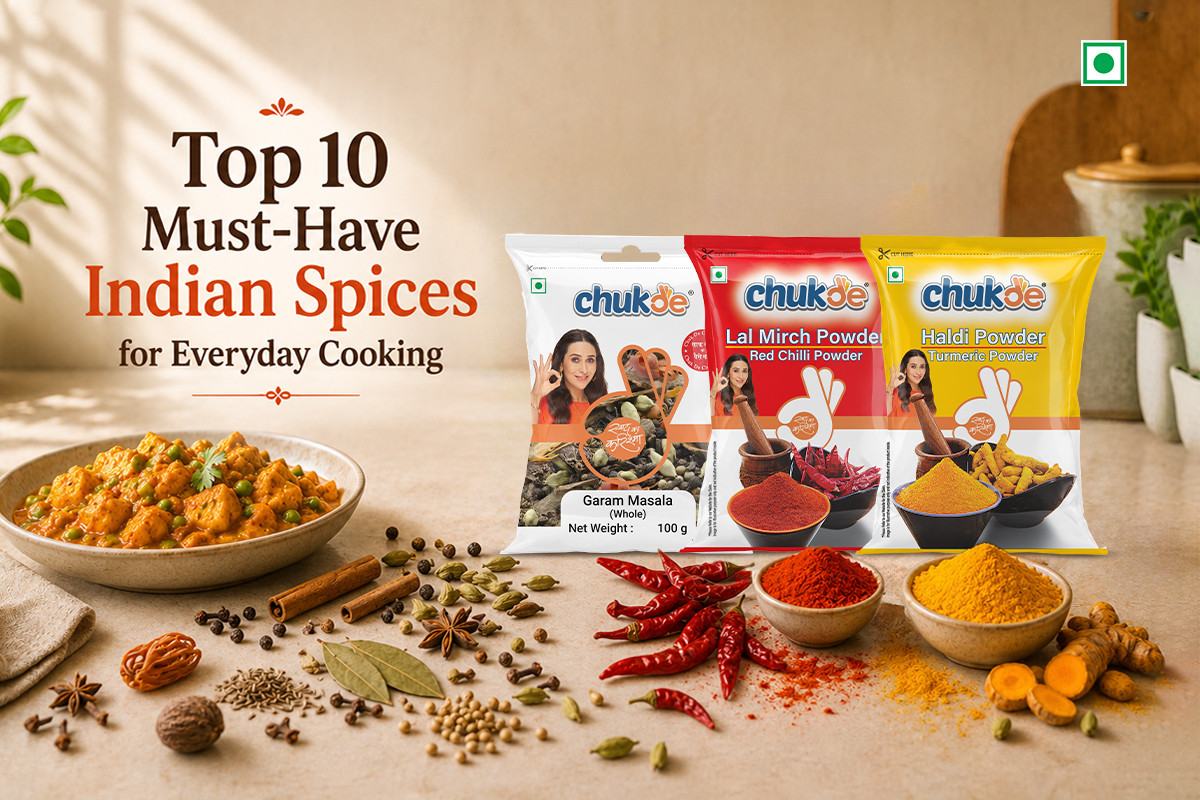
Open any Indian kitchen and you will find a small set of spices that appear in almost every meal. These form the base of daily tadka, simple dal, sabzi and rice. If you are setting up a new kitchen or refreshing your masala dabba, start with the right core group instead of collecting dozens of jars.
This guide lists the top 10 must-have Indian spices for everyday cooking. It focuses on the four workhorses—haldi, dhania, lal mirch and jeera—then adds the supporting spices that complete most home recipes. You will also find practical storage tips, a comparison of whole and ground forms, and observations from regular home cooking.
Why These Spices Matter in Daily Indian Cooking
Household studies in different parts of India show that turmeric and red chilli appear in nearly every kitchen every day. Cumin and coriander follow closely behind. Together they create the colour, heat, body and aroma that define everyday dishes.
India’s spices market reached around INR 2.22 lakh crore in 2025 and continues to grow as more people cook at home and look for clearly labelled packaged options. The shift is not just about variety. It is about reliable aroma and consistent results in the short time most of us have for daily meals. For official data on spice production and standards, refer to the Spices Board India.
The Top 10 Must-Have Spices
1. Haldi (Turmeric Powder)
Haldi gives the familiar golden colour and mild earthy base to dal, sabzi, rice and many marinades. In my experience, a small amount added early in the cooking process blends better than a large pinch added at the end.
Keep a good-quality ground version for daily use. Check colour and aroma when you open a new pack—faded yellow or weak smell means it has lost strength. You can stock Turmeric Haldi Powder for consistent colour and aroma in everyday cooking.
2. Jeera (Cumin)
Whole jeera is the starting point of most North Indian and many other regional tadkas. The moment the seeds crackle in hot oil, the kitchen starts to smell like dinner.
Ground jeera works well in spice mixes and finishing. I have found that keeping both forms is practical: whole for tempering and powder for convenience when time is short. Jeera rice and simple aloo jeera rely almost entirely on this one spice. For whole seeds, try Jeera Sabut.
3. Dhania (Coriander)
Ground dhania adds body and a light citrus note that balances heat and earthiness. It appears in most everyday gravies and dry sabzis.
Whole coriander seeds are useful for roasting and grinding fresh when you want stronger aroma. From practical kitchen observations, ground dhania loses strength faster than whole seeds, so buy quantities you will finish in a few months. Stock Coriander Dhania Powder or Dhania Sabut as per your preference.
4. Lal Mirch (Red Chilli Powder)
This brings heat and colour. Regular lal mirch powder suits most daily cooking. Kashmiri-style versions give deeper red colour with milder heat and work well when you want colour without too much spice.
Use it according to the dish and the preference of people at the table. A little goes a long way in everyday meals. For whole dried chillies, Lal Mirch Sabut is a practical option.
5. Black Pepper (Kali Mirch)
Whole or freshly cracked black pepper adds sharp warmth. It works in soups, simple dals, egg dishes and even some rice preparations. Keep whole peppercorns and grind as needed for better aroma. Kali Mirch Sabut keeps well for long periods.
6. Mustard Seeds (Rai)
These are essential for South Indian and many Gujarati and Bengali temperings. When they pop in oil they release a nutty flavour that forms the base of many vegetable and dal dishes. Rai works well for everyday tadka.
7. Garam Masala
A ready blend of warming spices finishes many curries and rice dishes. Add it near the end of cooking so the aroma stays. Different regions have their own versions, but a reliable everyday blend covers most home needs. Explore Garam Masala for a balanced finish.
8. Hing (Asafoetida)
A small pinch in hot oil gives depth, especially in dishes without onion or garlic. It is used sparingly but makes a clear difference in the final taste of many dals and sabzis. Hing is a kitchen staple for this purpose.
9. Green Cardamom (Choti Elaichi)
Used whole in rice, tea and some gravies. Split or lightly crush the pods to release flavour. A few pods go a long way. Green Elaichi retains good aroma when stored properly.
10. Cinnamon / Cassia (Dalchini) and Bay Leaf (Tej Patta)
These two often travel together in rice and richer gravies. One small stick of cinnamon and one or two bay leaves added early in the oil or liquid build a gentle background aroma. Keep Tej Patta and cassia or cinnamon sticks handy.
Whole Spices vs Ground Spices: A Practical Comparison
| Form | Best For | Typical Shelf Life | Key Observation |
|---|---|---|---|
| Whole spices | Tadka, roasting, grinding | 2–4 years | Aroma lasts longer |
| Ground spices | Daily convenience, mixes | 6–18 months | Lose strength faster |
| Blended masalas | Finishing dishes | 6–12 months | Buy smaller packs |
Whole spices protect their volatile oils better. Ground versions release aroma quickly but fade sooner once the packet is open.
Storage Checklist for Longer Aroma
- Transfer spices into clean, dry airtight containers as soon as you open the pack.
- Keep them away from the stove, direct sunlight and moisture.
- Use a dry spoon every time.
- Buy quantities you will finish within a few months, especially ground spices.
- Smell the spice before use. Weak aroma means it is time to replace.
- In monsoon, check for clumping and dry the spice lightly if needed before resealing.
From practical kitchen observations, spices stored next to the gas or in clear jars on open shelves lose strength much faster. Follow basic food labelling and packaging guidance from FSSAI for packaged products.
How to Build Flavour in Everyday Cooking
Start most dishes with a simple tadka of oil or ghee, whole jeera or mustard seeds, and a pinch of hing if needed. Add ground spices—haldi, dhania and lal mirch—after the whole spices have released their aroma. This order helps the flavours layer properly instead of tasting flat or raw.
Roasting whole spices lightly before grinding for special dishes gives a deeper result. For daily cooking, good packaged ground spices save time without much compromise when stored well.
Common Mistakes to Avoid
- Adding all ground spices at the very end.
- Using old, weak-smelling powder and then increasing the quantity.
- Storing spices in the fridge where moisture can collect.
- Keeping one large jar open for years instead of smaller, fresher packs.
Frequently Asked Questions
What are the most important spices for everyday Indian cooking?
Haldi, jeera, dhania and lal mirch form the core. Black pepper, mustard seeds, garam masala, hing, cardamom and cinnamon or bay leaf complete most daily recipes.
Should I buy whole spices or ground spices?
Keep both. Whole spices last longer and give better aroma for tadka. Ground spices are convenient for daily use. Buy ground in smaller quantities.
How long do ground spices stay aromatic?
Typically 6 to 18 months when stored in airtight containers away from heat and light. Always check smell and colour.
How should I store spices in a humid climate?
Use airtight containers, keep away from the stove and moisture, and use dry spoons. In monsoon, check for clumping regularly.
Can I manage with just four basic spices?
Yes for simple dal and sabzi. Adding mustard seeds, hing, black pepper and garam masala expands the range of dishes you can cook comfortably.
Conclusion
The top 10 must-have Indian spices for everyday cooking centre on haldi, dhania, lal mirch and jeera, supported by black pepper, mustard seeds, garam masala, hing, cardamom and cinnamon or bay leaf. These cover the majority of daily Indian home meals.
Focus on aroma, correct storage and the right form for the job. A well-organised small set of spices works better than a crowded shelf of forgotten jars.
Explore the ground spices and whole spices ranges on the Chukde website to stock or refresh your kitchen. Try one practical tip from the storage checklist this week and notice the difference in your next tadka.
Related articles
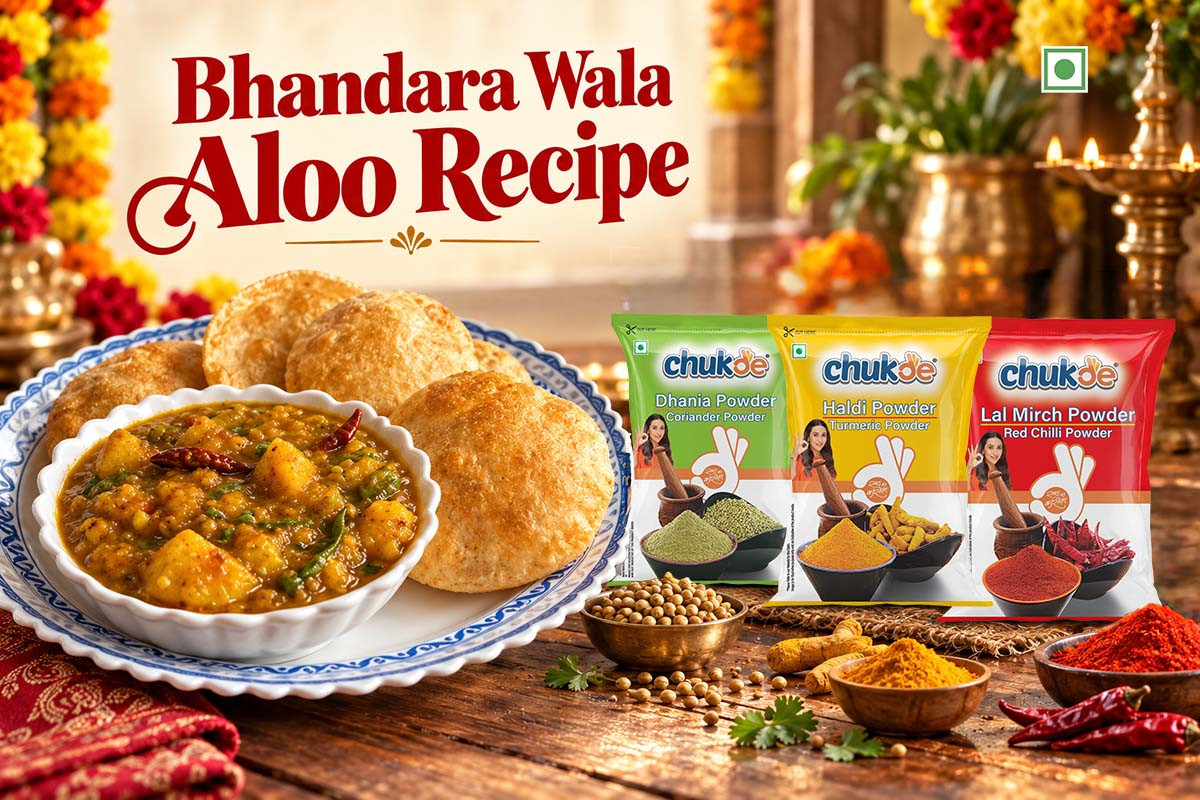
Make Bhandara Wala Aloo at home with hand-crushed potatoes, tomatoes and aromatic whole spices. Try this easy no-onion, no-garlic recipe with poori.
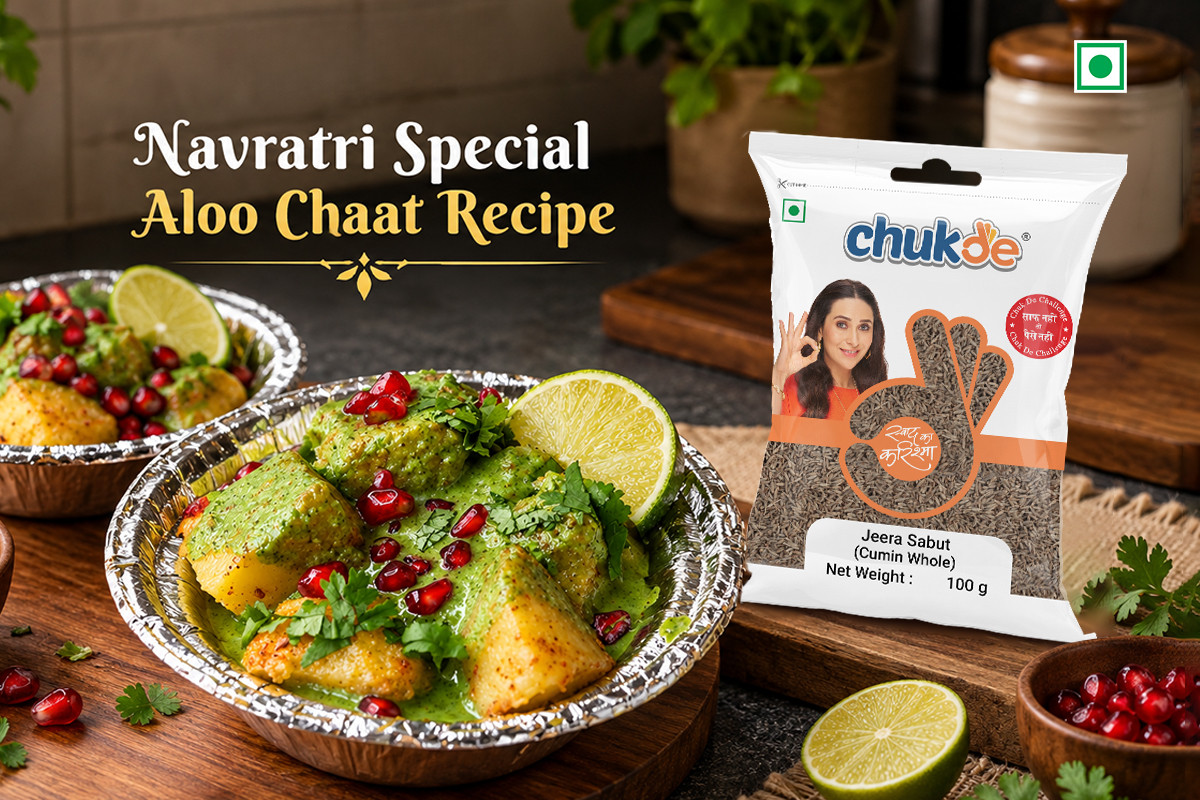
Make crispy Navratri special aloo chaat at home in 20 minutes. Vrat-friendly recipe with sendha namak, no onion-garlic. Perfect fasting snack for Navratri.
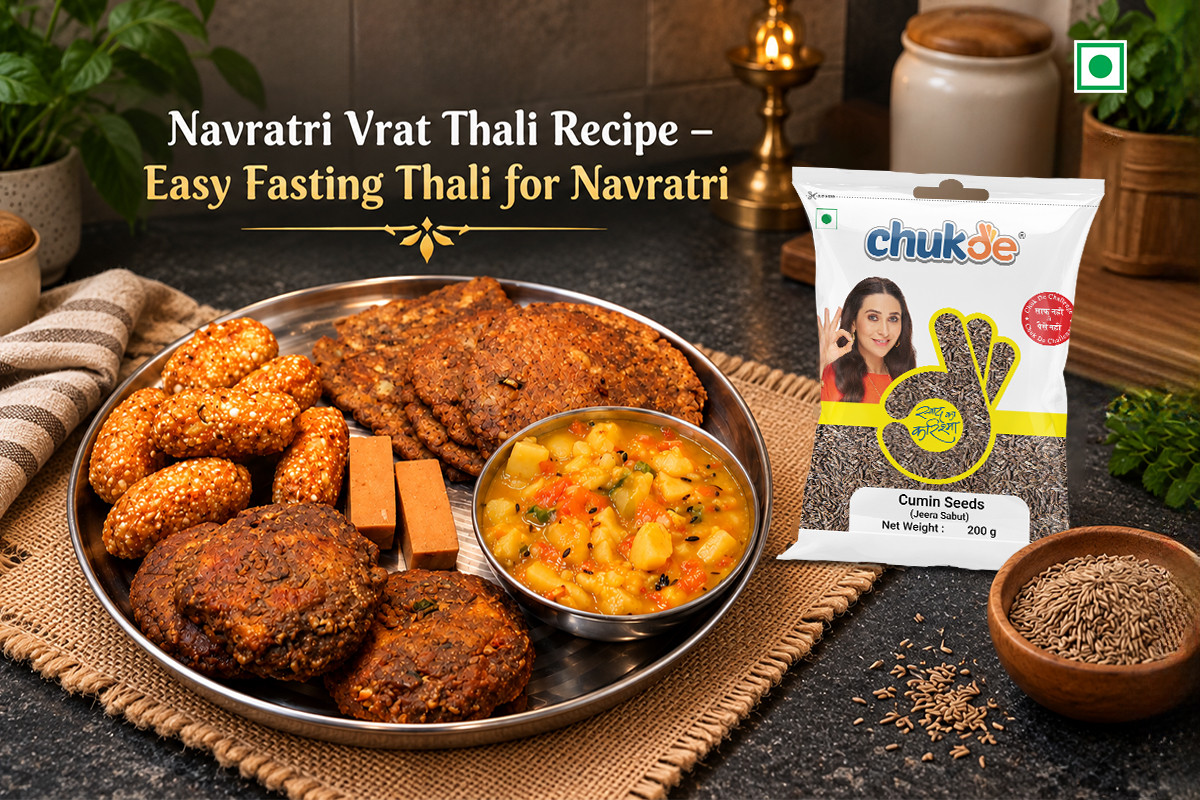
Make a complete Navratri Vrat Thali with aloo sabzi, kuttu puri, makhana raita & kheer. Simple, balanced & fully fasting-friendly recipe for Sharad Navratri 2026.
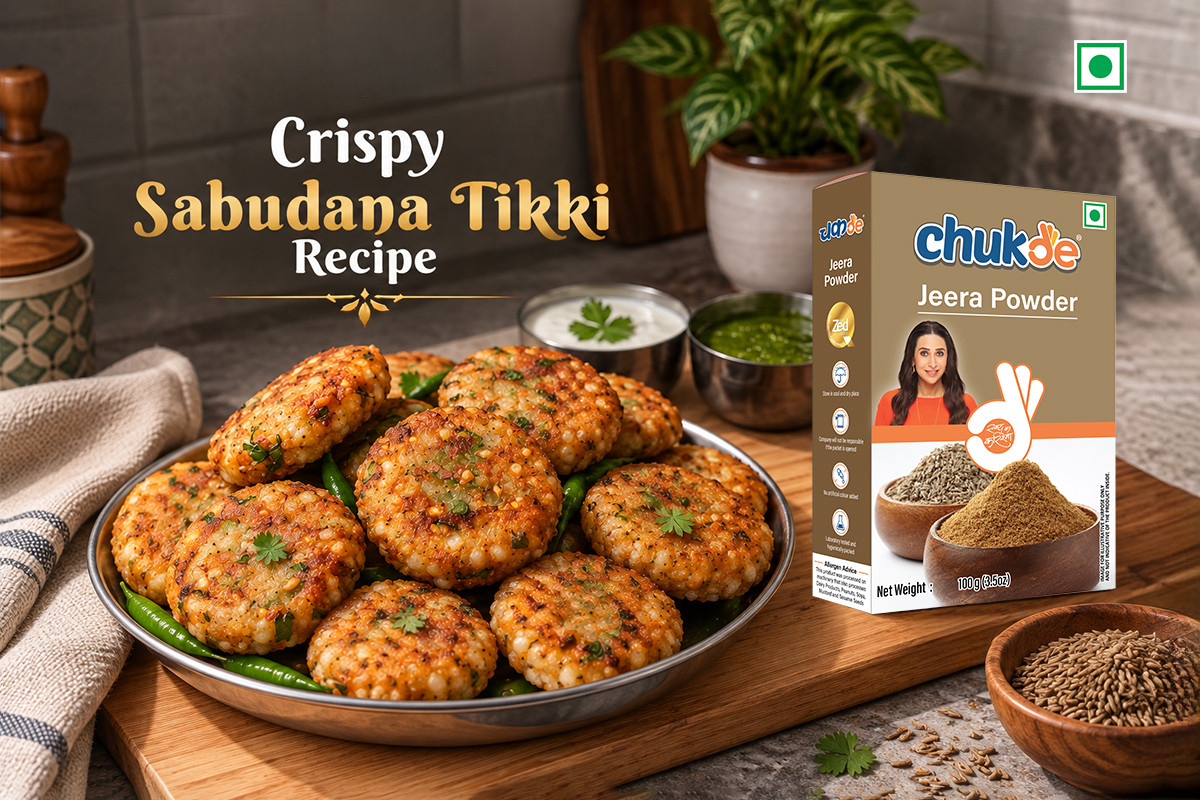
Crispy Sabudana Tikki recipe for Navratri vrat. Soft inside, golden outside. Easy pan-fried snack with sendha namak & simple spices. Perfect fasting treat.
<% quickViewcurrVar.entity.title %> (<% quickViewcurrVar.price.off %>)
<% formatCurr(quickViewcurrVar.price.regular, quickViewcurrVar.price.curr_info) %> <% formatCurr(quickViewcurrVar.price.sale, quickViewcurrVar.price.curr_info) %> (Inc. tax) (Ex. tax)
Description (SKU - <% quickViewcurrVar.sku %>)
 TBS points:
 Tags & Categories:

Powered by Science

100% cruelty free

Made in India
 100% safe
checkout
100% safe
checkout

Invalid Product!


Checkout in
& get 2% OFF