


 Cart
Cart


 <% cart_fragment.free_shipping_message %>free shipping


Crispy Sabudana Tikki Recipe – Perfect Vrat Snack For Navratri

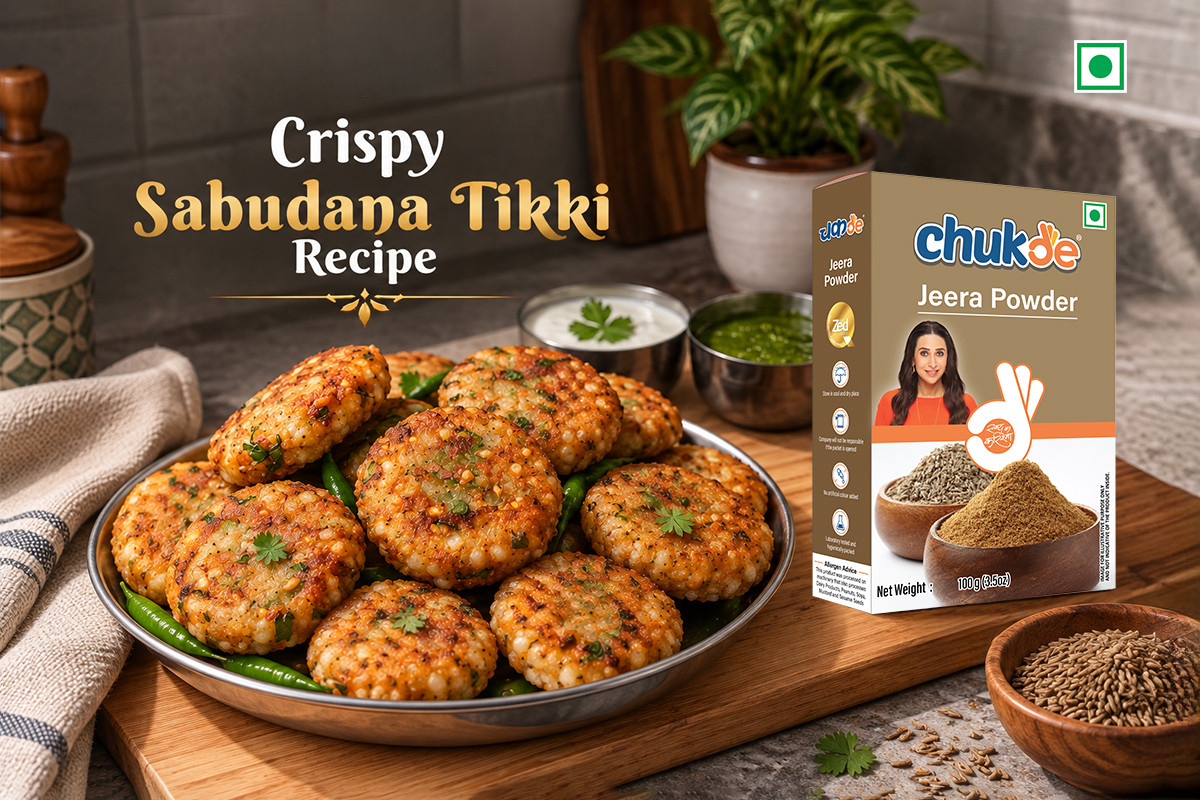
Looking for a light yet satisfying snack during Navratri fasting? Sabudana tikki delivers exactly that. These thin pan-fried patties made with soaked tapioca pearls and mashed potatoes turn golden and crisp on the outside while staying soft inside. In my experience testing this recipe across several fasting seasons, the right thickness and proper draining of sabudana make all the difference between a perfect batch and a sticky one.
This sabudana cutlet recipe works well for Navratri vrat, Ekadashi, and other fasting days. It uses simple ingredients that most kitchens already stock and needs only a few tablespoons of oil. You will learn the exact soaking method, shaping tips, and frying technique that keep the tikkis firm.
Ingredients You Need
- ½ cup sabudana (tapioca pearls)
- 1 large potato (about 130 g), boiled and mashed
- ½ teaspoon chopped green chillies
- 10–12 cashews, chopped (or 2 tablespoons roasted peanut powder)
- ½ tablespoon chopped raisins
- ½ teaspoon cumin powder (or freshly ground from whole jeera)
- ¼ teaspoon dry mango powder (amchur)
- Rock salt (sendha namak) to taste
- 3–4 tablespoons peanut oil or ghee for pan-frying
From practical kitchen observations, using sendha namak instead of regular salt keeps the recipe suitable for fasting rules followed in many homes.
Step-by-Step Method
1. Soak the sabudana
Rinse the sabudana and soak it in enough water to cover by 1–2 inches. Leave for 5–6 hours or overnight. In my tests, good-quality pearls soften in 3–4 hours. Press a pearl between your fingers; it should mash easily without a hard centre. Drain thoroughly in a strainer. Excess water is the main reason tikkis fall apart.
2. Prepare the potato
Boil or steam the potato until soft. Peel and mash while still warm. Let it cool to room temperature. Water left in the potato makes the mixture pasty, so drain it well.
3. Mix the dough
Add drained sabudana, green chillies, cashews, raisins, cumin powder, amchur, and rock salt to the mashed potato. Mix gently but thoroughly. If the mixture feels sticky, add 1 tablespoon arrowroot or water-chestnut flour. Shape into thin patties about ⅓ inch thick. Thicker ones stay raw in the centre when pan-fried.
4. Pan-fry
Heat 2 tablespoons oil in a pan on medium heat. Place 4–5 patties and cook until the base turns light golden. Flip carefully. Cook both sides until crisp and evenly coloured. Add more oil only if needed. Drain on kitchen paper. The batch yields about 8 tikkis. Serve hot with coconut chutney, mint chutney, or lightly sweetened curd.
Tips for Extra Crispiness
- Drain sabudana completely – residual water softens the texture.
- Keep patties thin for even cooking.
- Medium heat works better than high heat; high heat browns the outside too fast.
- Use a well-heated pan so the surface seals quickly.
While testing recipes, I noticed that adding a few chopped cashews and raisins improves both texture and mild sweetness that balances the mild spices.
Common Mistakes to Avoid
- Skipping the full soak time leaves hard centres.
- Over-mashing the potato creates a gummy mix.
- Crowding the pan lowers the temperature and steams the tikkis instead of frying them.
- Using regular table salt when the fast requires sendha namak.
Serving and Storage
These sabudana tikkis taste best fresh. Pair them with any fasting-friendly chutney. Leftovers keep in the refrigerator for one day and reheat well in a pan or air fryer. Do not freeze the cooked tikkis; the texture changes.
For everyday non-fasting use, you can add regular salt and a pinch of red chilli powder if preferred.
Why This Recipe Fits Navratri Well
Sabudana provides the bulk, potato binds the mixture, and the spices stay mild. The pan-frying method uses less oil than deep-fried versions such as sabudana vada. In many North Indian homes, this combination remains a reliable fasting snack year after year.
According to the Spices Board of India, traditional spices like cumin and amchur have long been part of Indian home cooking and fasting preparations. For food labelling and ingredient guidelines, refer to the FSSAI website.
Conclusion
A well-made sabudana tikki remains one of the most practical vrat snacks for Navratri. Focus on proper soaking, complete draining, and thin patties. Use good-quality rock salt and freshly ground spices for better flavour. Try this recipe in your next fasting period and adjust the mild spices to your family taste.
Explore more whole spices and powders on the Chukde website to stock your pantry for the festive season. Share your results or variations in the comments below.
Related articles
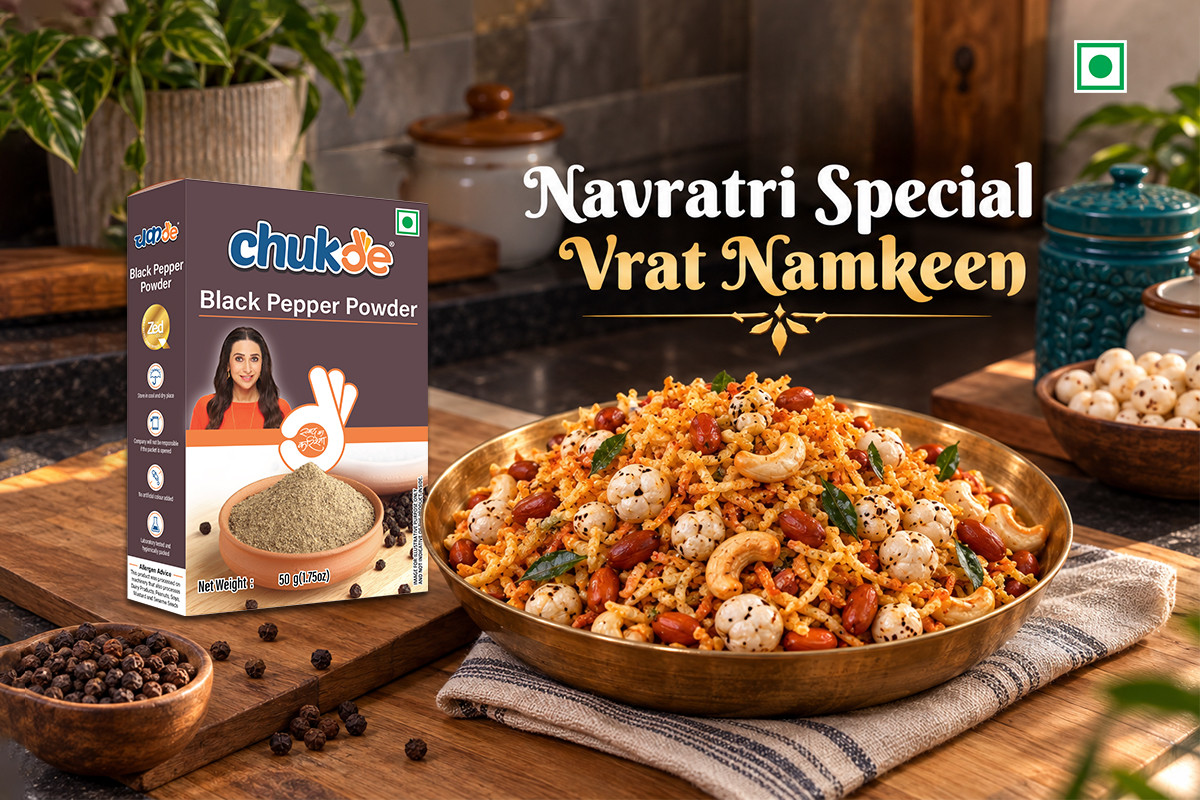
Make crispy vrat wali namkeen at home, with potato lachha, makhana, peanuts and nuts. This easy Navratri fasting snack includes frying and storage tips.
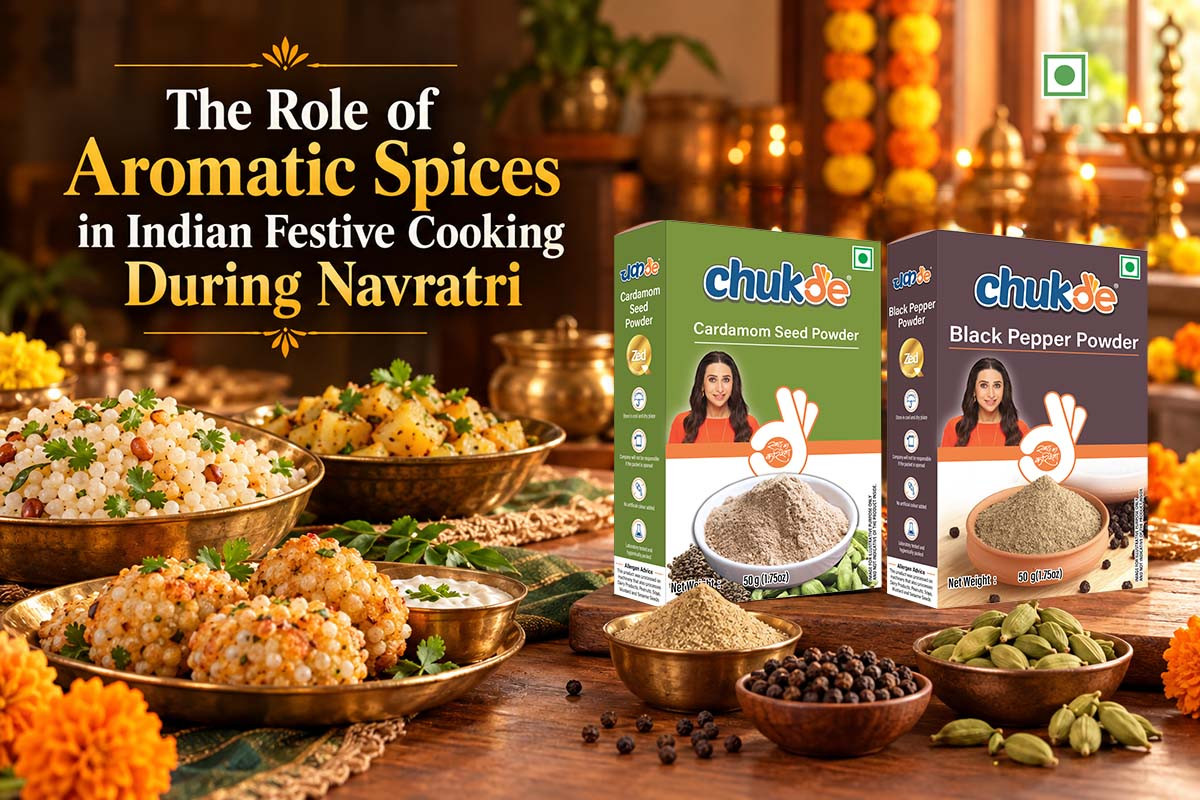
Aromatic spices for Navratri cooking: Learn which whole spices & ground spices work best for vrat recipes, perfect tadka, and flavour layering this festive season.
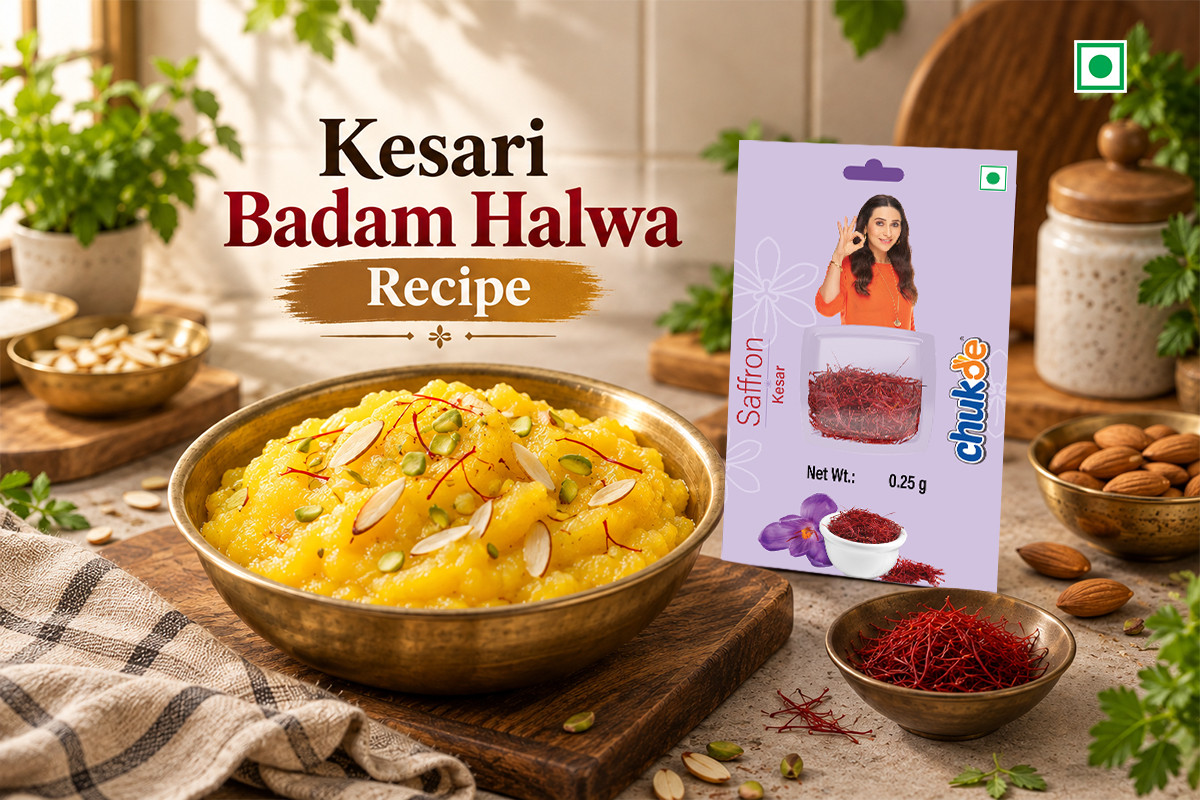
Make rich Kesari Badam Halwa with almonds, saffron, ghee and cardamom. Follow this easy stovetop recipe for a soft, fragrant festive dessert.

Make crispy vrat aloo vada with singhare atta, potatoes and sendha namak. Get easy frying tips for a golden, crunchy Navratri fasting snack at home too.
<% quickViewcurrVar.entity.title %> (<% quickViewcurrVar.price.off %>)
<% formatCurr(quickViewcurrVar.price.regular, quickViewcurrVar.price.curr_info) %> <% formatCurr(quickViewcurrVar.price.sale, quickViewcurrVar.price.curr_info) %> (Inc. tax) (Ex. tax)
Description (SKU - <% quickViewcurrVar.sku %>)
 TBS points:
 Tags & Categories:

Powered by Science

100% cruelty free

Made in India
 100% safe
checkout
100% safe
checkout

Invalid Product!


Checkout in
& get 2% OFF