


 Cart
Cart


 <% cart_fragment.free_shipping_message %>free shipping


Kesari Badam Halwa Recipe | Easy Navratri Dessert

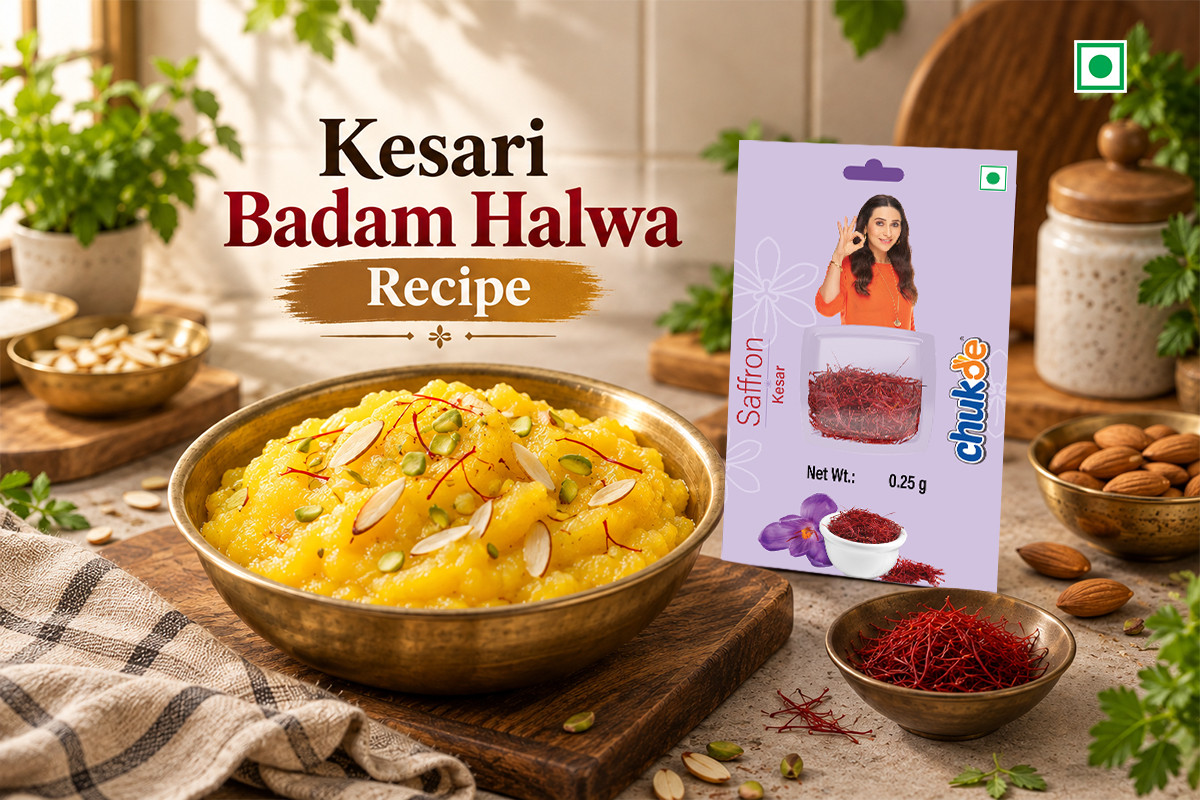
Kesari Badam Halwa is one of those festive sweets that feels special without demanding hours in the kitchen. Soft, lightly grainy, fragrant with saffron and cardamom, it works beautifully as a
Navratri special dessert or any celebration treat. In this post you will learn a straightforward stove-top method, how to control the texture, and simple storage tips so you can make it ahead.
Why This Kesari Badam Halwa Works for Navratri
During Navratri many families look for sweets that feel traditional yet stay simple to prepare. Badam halwa fits well because almonds form the base, saffron adds colour and aroma, and the recipe needs only a handful of pantry ingredients. From practical kitchen observations, the key to success lies in steady stirring and knowing when to stop cooking. Overcooking turns it dry; undercooking leaves it runny.
Ingredients You Need
- 1 cup almonds (soaked and peeled)
- ½ cup ghee
- ¾ to 1 cup sugar (adjust to taste)
- ¾ cup warm milk
- 10–12 saffron strands soaked in 2 tablespoons warm milk
- ½ teaspoon cardamom powder
- Slivered almonds and pistachios for garnish
Tip: Soak almonds in hot water for 1 hour or overnight. The skins slip off easily. For a quicker version you can use blanched almond flour (1 cup), though the texture will be slightly smoother. Good quality Kesar Saffron gives the right colour and aroma without bitterness.
Step-by-Step Method
- Peel the soaked almonds and grind them with ¼ cup warm milk into a slightly coarse paste. A coarse grind gives the pleasant grainy bite most people prefer.
- Heat ghee in a heavy-bottomed pan on medium-low flame. Add the almond paste and roast, stirring continuously for 6–8 minutes. The paste will release aroma and start to look lighter.
- Pour in the remaining warm milk and the saffron-soaked milk. Stir well. The mixture will loosen and turn a soft yellow.
- Add sugar. Keep stirring on low-to-medium heat. The sugar melts and the mixture bubbles gently.
- Continue cooking for 8–12 minutes. The halwa thickens, leaves the sides of the pan, and small amounts of ghee begin to separate. This is the stage to stop.
- Mix in green elaichi (cardamom) powder. Turn off the heat and transfer the halwa to a bowl immediately so residual heat does not dry it further.
- Garnish with slivered almonds and pistachios. Serve warm.
Texture Control Checklist
- Soft and scoopable: Stop when the mixture just starts leaving the pan and still looks slightly glossy.
- Firmer (closer to burfi style): Cook 2–3 minutes longer.
- Too dry: Add 1–2 tablespoons of warm milk and stir briefly on low heat.
- Grainy preference: Keep the almond paste slightly coarse rather than silky smooth.
In my experience, using a heavy pan and continuous stirring prevents sticking and uneven browning. A non-stick pan also works well if you prefer easier cleaning. For consistent flavour, use fresh whole green elaichi and grind it just before adding.
Storage and Make-Ahead Tips
Store the cooled Kesari Badam Halwa in an airtight container. It stays good at room temperature for 1–2 days and in the refrigerator for up to a week. Reheat gently with a spoonful of warm milk if it firms up. For longer storage, freeze portions and thaw in the fridge before serving. According to guidelines from the Spices Board of India, proper storage of aromatic spices like saffron helps retain their volatile oils and colour.
Common Mistakes to Avoid
- Add almond paste to a very hot pan – start on medium-low heat.
- Leaving the pan unattended – the mixture can catch quickly once sugar is added.
- Overusing saffron – 10–12 strands are enough for colour and flavour without bitterness.
- Skipping the final transfer – residual heat continues cooking and can harden the texture.
Serving Ideas for Navratri
Serve small portions in bowls or paper cups for easy distribution. It pairs well with other Navratri special items or simply as a post-puja sweet. The golden colour from saffron makes it look festive on any thali. For more information on spice quality and labelling standards, you can refer to resources published by FSSAI.
Final Notes
This Kesari Badam Halwa recipe keeps the process practical while delivering the rich, aromatic result people expect from a classic Indian almond dessert. Try it once with the texture cues above and you will find it reliable for festival cooking. Use good quality ingredients, especially fresh kesar and cardamom, for the best flavour.
Related articles

Make crispy vrat aloo vada with singhare atta, potatoes and sendha namak. Get easy frying tips for a golden, crunchy Navratri fasting snack at home too.
Make Kathiyawadi Lahsun Ki Chutney with garlic, chilli and warming spices. Explore easy cooked and no-cook methods, serving ideas and safe storage tips.
Plan your Navratri vrat with day-by-day meal ideas, allowed fasting foods, spice tips and easy recipes that keep variety and energy high for nine days.

Make crispy bread cones with a cheesy vegetable filling and Chukde spices. Bake or fry these easy party snacks for parties, birthdays or teatime treats.
<% quickViewcurrVar.entity.title %> (<% quickViewcurrVar.price.off %>)
<% formatCurr(quickViewcurrVar.price.regular, quickViewcurrVar.price.curr_info) %> <% formatCurr(quickViewcurrVar.price.sale, quickViewcurrVar.price.curr_info) %> (Inc. tax) (Ex. tax)
Description (SKU - <% quickViewcurrVar.sku %>)
 TBS points:
 Tags & Categories:

Powered by Science

100% cruelty free

Made in India
 100% safe
checkout
100% safe
checkout

Invalid Product!


Checkout in
& get 2% OFF