


 Cart
Cart


 <% cart_fragment.free_shipping_message %>free shipping


The Role Of Aromatic Spices In Indian Festive Cooking During Navratri

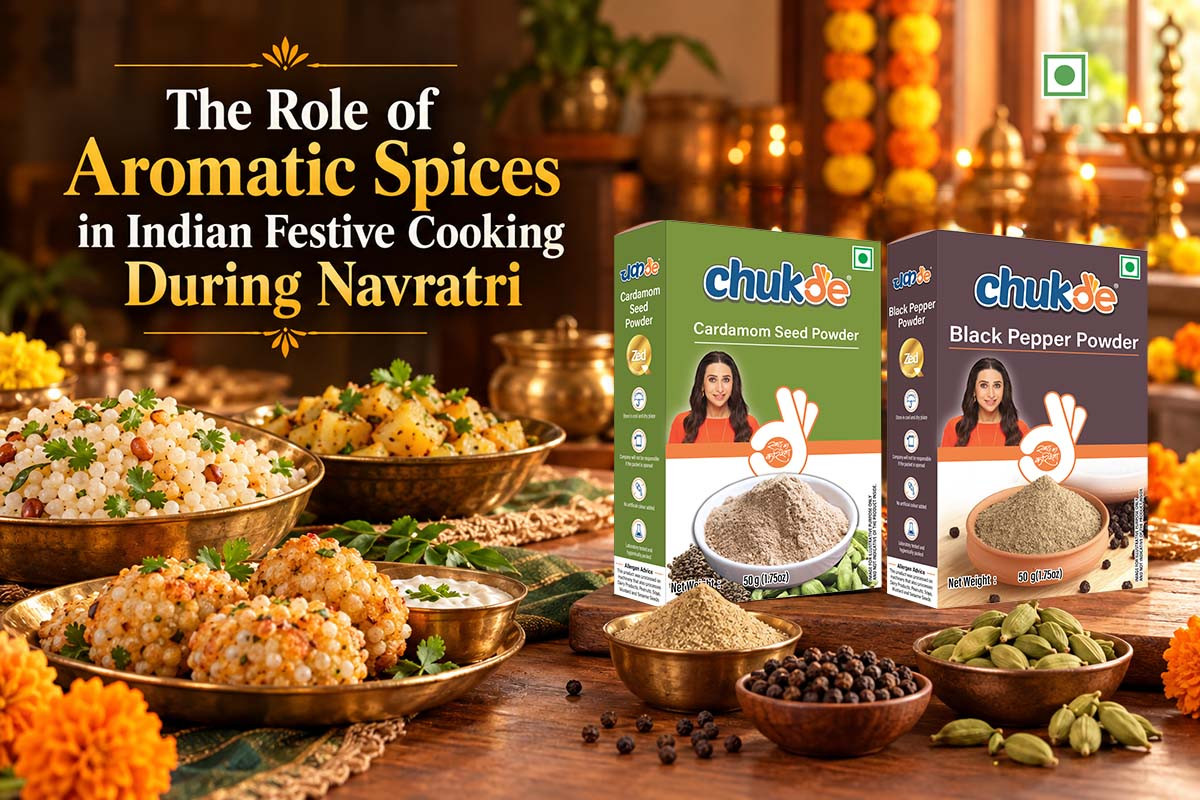
Navratri brings nine days of devotion, dance, and careful cooking. Many families follow vrat rules that limit everyday ingredients, yet the kitchen still needs flavour. Aromatic spices in Navratri cooking become the quiet heroes that turn simple potatoes, sabudana, or samak rice into satisfying meals.
The challenge is simple: which whole spices and ground spices fit the fasting tradition, and how do you use them so the food still tastes like home? In this guide you will find clear lists, practical tempering methods, storage advice, and kitchen-tested tips that work across North Indian and many other regional practices.
Why Aromatic Spices Matter in Navratri Meals
During Navratri, regular salt, onion, garlic, and many common masalas stay off the plate. The remaining ingredients—potatoes, peanuts, sabudana, makhana, and millets—can taste bland without careful flavour layering.
Whole spices release volatile oils when heated in ghee or oil. This process, known as tadka or tempering, creates aroma that carries through the entire dish. Ground spices add quick depth when used in the right quantity. From practical kitchen observations, a well-timed cumin tempering can make a basic aloo preparation taste complete even without red chilli powder.
Recent home-cooking trends show more families organising a separate vrat spice box. Clear food labelling on packaged spices helps them choose quickly during the busy festival period.
Spices Commonly Welcomed in Navratri Cooking
Most households that observe Navratri fasting accept these aromatic spices:
- Jeera (cumin seeds) – the most reliable base for tempering. Its warm, earthy notes suit sabudana khichdi, jeera aloo, and curd preparations. Good quality whole jeera sabut makes a noticeable difference in aroma release.
- Black pepper – provides gentle heat when red chilli powder is avoided. Freshly crushed kali mirch sabut works well in potato dishes and fruit chaat.
- Sendha namak (rock salt) – replaces regular table salt in almost every vrat recipe. Keep a dedicated jar of sendha namak ready for the nine days.
- Green cardamom – lifts milk-based sweets, makhana kheer, and halwa with its floral aroma. Whole green elaichi pods give better fragrance than pre-ground versions.
- Cinnamon – adds mild woody sweetness to milk or dessert preparations. A small piece of cinnamon quills simmered in milk works beautifully.
- Ajwain – used in some families for flatbreads and snacks. Check your own tradition before adding sabut ajwain.
These spices support flavour layering without overpowering the natural taste of fasting ingredients.
Quick Comparison: Everyday vs Navratri Spices
Use this table as a quick reference while planning your Navratri menu:
|
Spice / Ingredient |
Everyday Cooking |
Navratri Vrat Use |
Notes |
|
Jeera |
Yes |
Yes |
Core tempering spice |
|
Black pepper |
Yes |
Yes |
Preferred heat source |
|
Sendha namak |
Sometimes |
Yes |
Main salt replacement |
|
Hing |
Yes |
Often avoided |
Check family rule |
|
Mustard seeds |
Yes |
Often avoided |
Replace with cumin |
|
Turmeric |
Yes |
Varies |
Confirm before use |
|
Red chilli powder |
Yes |
Often avoided |
Use black pepper instead |
|
Green cardamom |
Yes |
Yes |
Ideal for sweets |
Practical Framework: How to Temper Spices for Navratri Dishes
A clean tadka makes the biggest difference. Here is a simple method I follow while testing recipes:
- Heat 1–2 teaspoons ghee or permitted oil in a small pan on medium flame.
- Add whole jeera and let it crackle for 8–12 seconds. The aroma should rise without burning. Fresh jeera sabut gives the best crackle and fragrance.
- Optional: add a few crushed black peppercorns or a slit green chilli if your tradition allows.
- Pour the tempering over the prepared sabudana, boiled potatoes, or samak rice.
- Finish with a pinch of sendha namak and a squeeze of lemon for brightness.
This short process creates flavour layering that keeps meals interesting across nine days. Over-roasting dulls the aroma, so timing matters.
Everyday Recipe Ideas Using Aromatic Spices
- Sabudana Khichdi: Temper jeera in ghee, add boiled potato cubes, soaked sabudana, crushed peanuts, sendha namak, and black pepper. Finish with lemon.
- Vrat-style Aloo: Toss boiled potatoes with sendha namak, freshly crushed black pepper, and a light cumin tadka.
- Makhana Kheer: Simmer makhana in milk with crushed green cardamom and a small piece of cinnamon. Phool makhana works especially well for this preparation.
- Samak Rice: Cook barnyard millet with a simple jeera tempering and rock salt.
These dishes rely on aroma release rather than heavy masala blends.
Common Mistakes to Avoid
- Using regular table salt instead of sendha namak.
- Adding commercial chaat masala without checking the ingredients.
- Over-heating spices until they turn bitter.
- Assuming every household follows the same rules—regional Indian cooking practices differ.
A short checklist before you start cooking helps: confirm the salt, confirm the heat source, and confirm any green chillies or ginger your family accepts.
Conclusion
Aromatic spices in Navratri cooking do more than add taste. They help families keep festive meals satisfying while respecting tradition. Jeera, black pepper, sendha namak, cardamom, and cinnamon form a reliable core for most vrat kitchens. Combined with careful tempering and proper storage, these Indian spices support flavour layering that feels both simple and complete.
Explore the whole spices and ground spices available on Chukde to stock your Navratri pantry. Try one new tempering method this season and notice how a small change lifts everyday fasting dishes. For general food safety and labelling standards in India, you can also refer to guidance published by the Food Safety and Standards Authority of India (FSSAI).
Share your favourite vrat spice combination in the comments—we would love to hear what works in your kitchen.
Disclaimer: Fasting rules vary by region, family, and personal practice. Always follow the guidelines observed in your home.
About the Author
The Chukde content team works closely with everyday Indian kitchens and recipe testing. We focus on practical uses of whole spices, ground spices, and simple tempering methods that fit both festival and daily cooking. Our writing draws from direct observation of flavour release, storage habits, and regional preferences across Indian homes.
Related articles
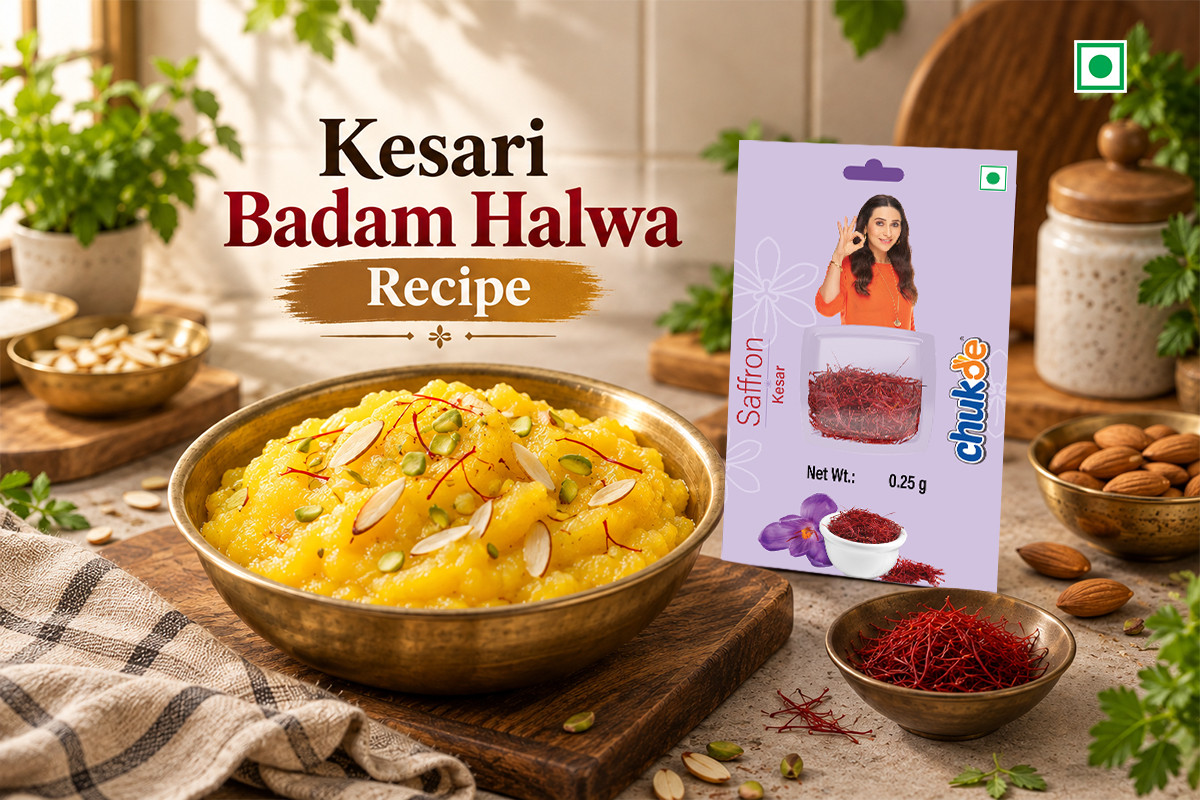
Make rich Kesari Badam Halwa with almonds, saffron, ghee and cardamom. Follow this easy stovetop recipe for a soft, fragrant festive dessert.
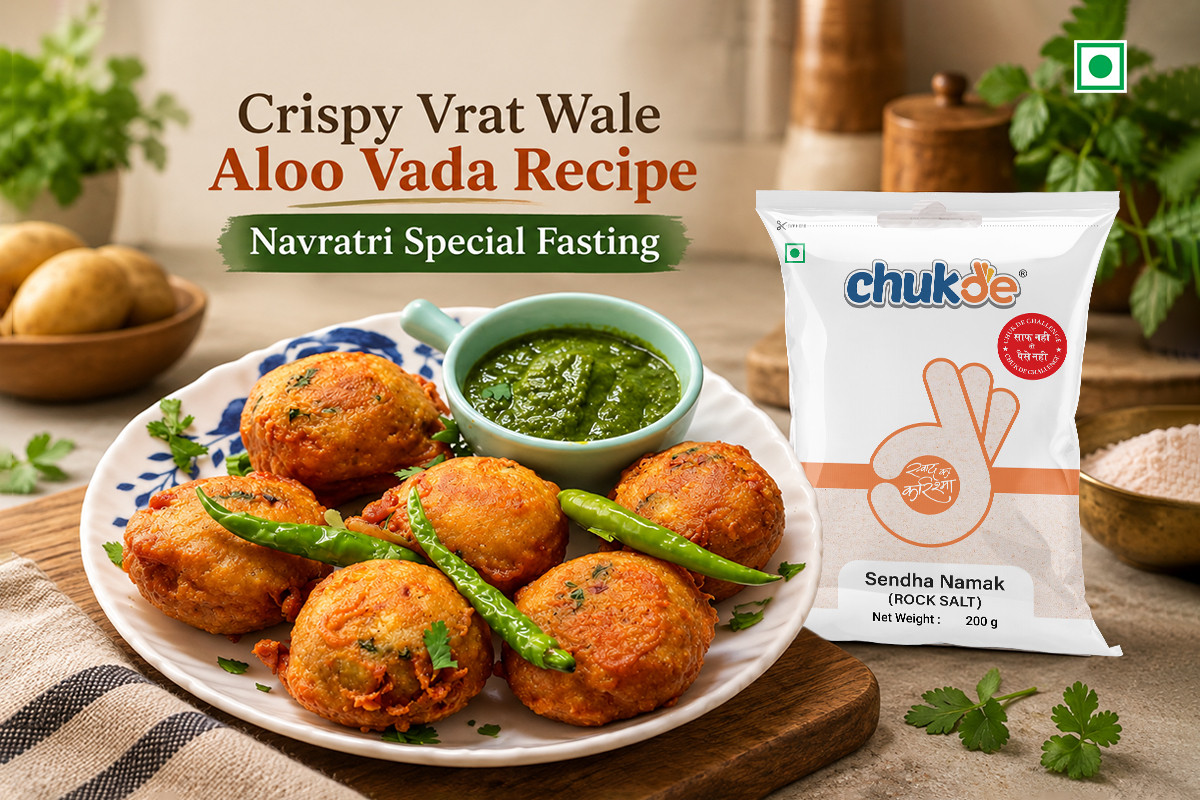
Make crispy vrat aloo vada with singhare atta, potatoes and sendha namak. Get easy frying tips for a golden, crunchy Navratri fasting snack at home too.
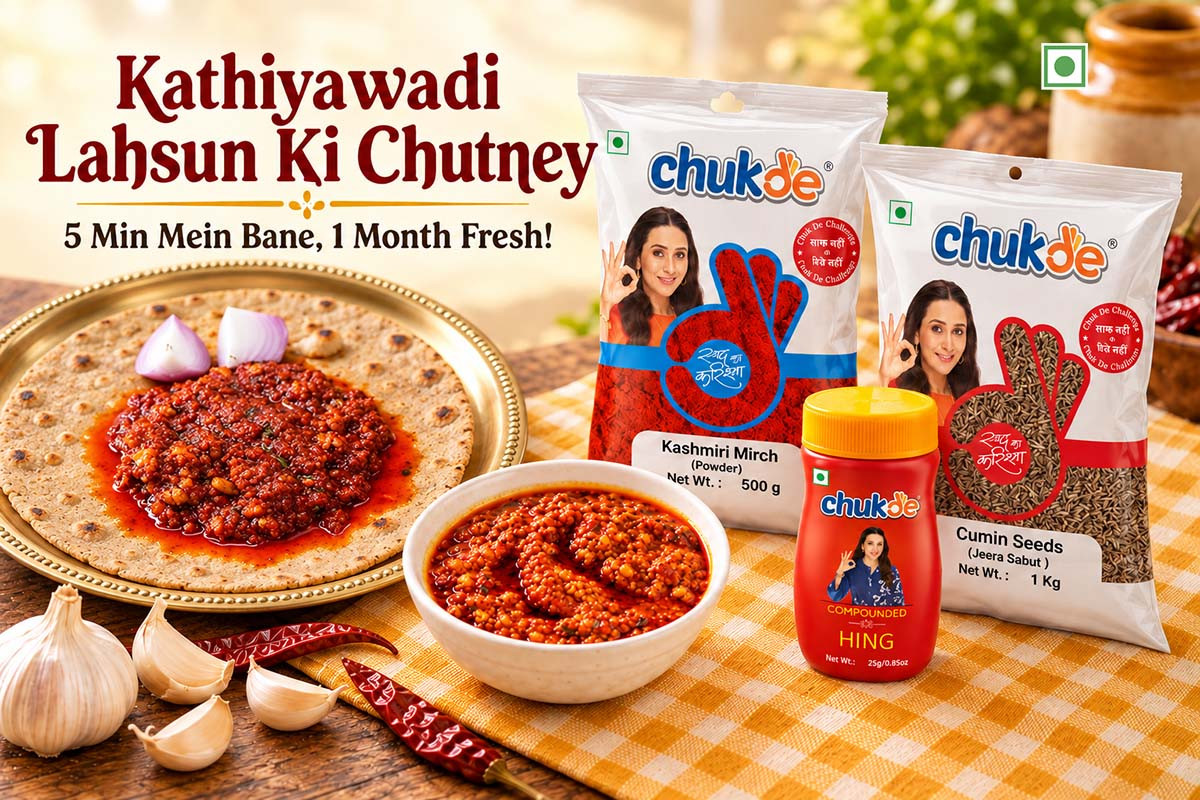
Make Kathiyawadi Lahsun Ki Chutney with garlic, chilli and warming spices. Explore easy cooked and no-cook methods, serving ideas and safe storage tips.
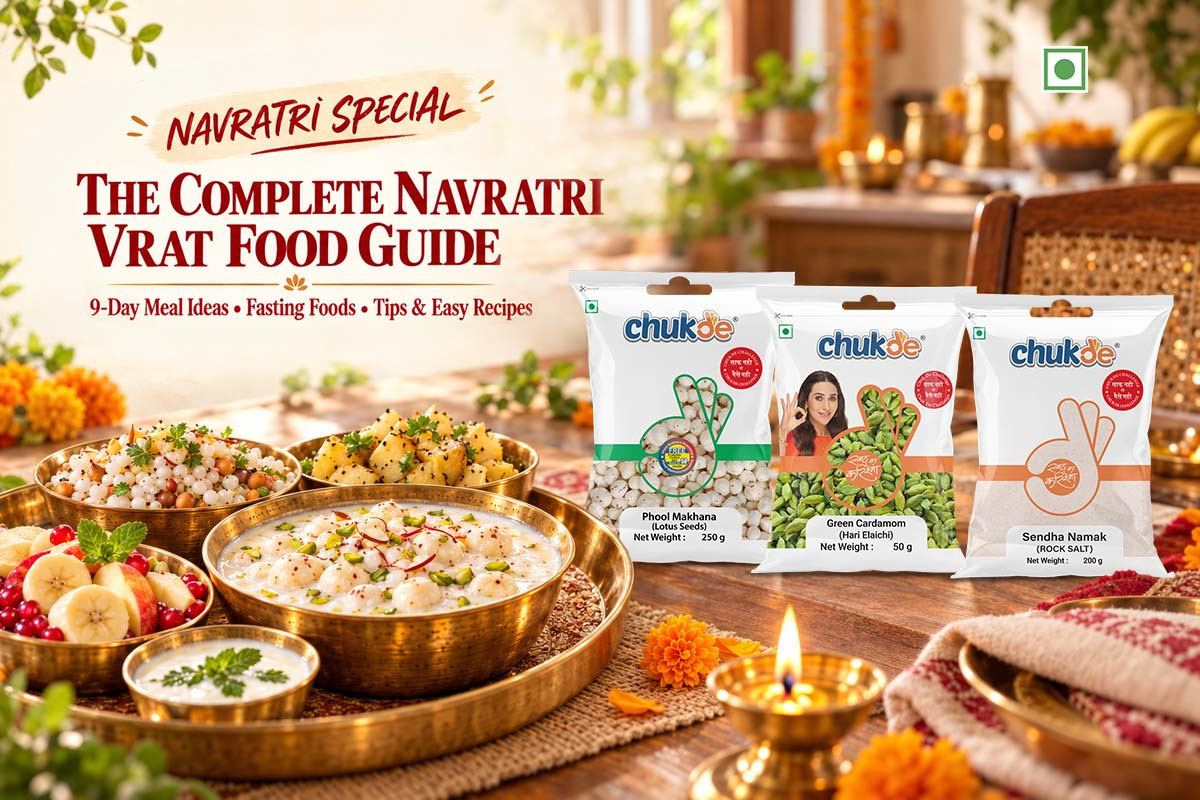
Plan your Navratri vrat with day-by-day meal ideas, allowed fasting foods, spice tips and easy recipes that keep variety and energy high for nine days.
<% quickViewcurrVar.entity.title %> (<% quickViewcurrVar.price.off %>)
<% formatCurr(quickViewcurrVar.price.regular, quickViewcurrVar.price.curr_info) %> <% formatCurr(quickViewcurrVar.price.sale, quickViewcurrVar.price.curr_info) %> (Inc. tax) (Ex. tax)
Description (SKU - <% quickViewcurrVar.sku %>)
 TBS points:
 Tags & Categories:

Powered by Science

100% cruelty free

Made in India
 100% safe
checkout
100% safe
checkout

Invalid Product!


Checkout in
& get 2% OFF