


 Cart
Cart


 <% cart_fragment.free_shipping_message %>free shipping


Khade Masale Benefits, Uses And Value In Everyday Indian Cooking

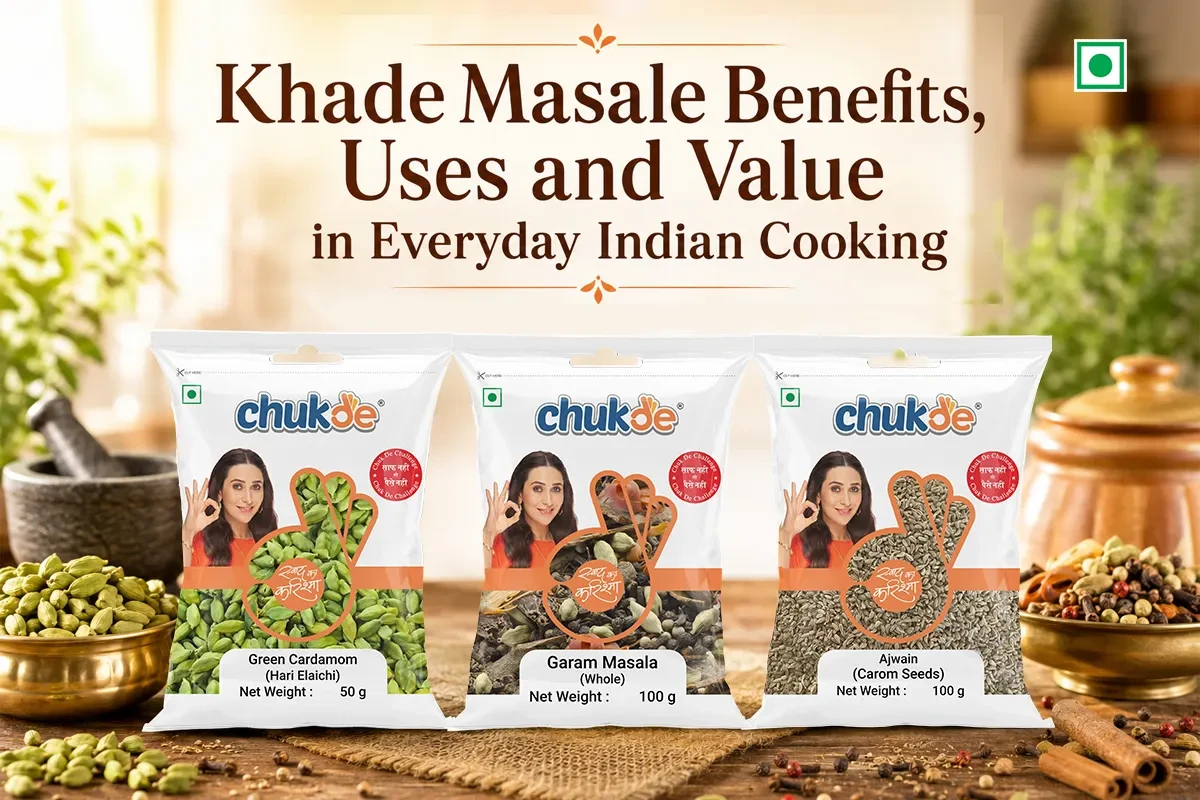
Khade masale brings a distinct advantage to Indian home cooking. When you heat ghee and add whole cumin seeds and cloves, the kitchen quickly fills with a warm, layered aroma that instantly makes the food more appealing. This is the everyday magic of using whole spices.
Khade masale refers to whole spices such as cumin seeds, cardamom pods, cloves, cinnamon sticks, and black peppercorns. These differ from ground or powdered spices because their natural oils remain protected until you apply heat through roasting or tempering. This protection leads to better aroma release and more control over flavour in daily meals.
Why Whole Spices Often Perform Better Than Ground Versions
Ground spices begin losing aroma as soon as the packet is opened. Whole spices keep their volatile oils locked inside until you roast or grind them fresh. In my experience testing recipes over the years, even simple moong dal tastes noticeably brighter when I use whole cumin for the tadka instead of pre-ground powder.
Whole spices also behave differently in the pan. Cumin or mustard seeds bloom evenly in hot oil and release flavour gradually. Ground versions can clump or lose strength more quickly. This difference becomes clear during tempering, where timing and even release create the base taste of many Indian dishes.
Whole Spices vs Ground Spices Comparison
|
Aspect |
Whole Spices (Khade Masale) |
Ground Spices |
|
Aroma release |
Releases aroma when toasted or ground fresh |
Aroma already released; immediate flavor |
|
When aroma releases |
Releases when toasted or ground fresh |
Present immediately on use |
|
Strength after opening |
Retains strength longer when stored properly |
Starts losing strength faster once opened |
|
Use in tadka/tempering |
Ideal for tadka; blooms evenly and gives better control |
Can clump; may burn faster in direct heat |
|
Cooking applications |
Best for tempering, slow cooking, chai, long-simmered dishes |
Best for quick everyday seasoning, finishing, rubs |
Many home cooks keep both options. Use whole spices for tadka and special dishes. Keep a small jar of good ground blend for speed on weekdays.
Key Khade Masale and Their Role in Daily Cooking
These are the spices most Indian kitchens rely on:
- Cumin seeds (jeera): Adds earthy warmth. Lightly roast a teaspoon and add to buttermilk or use in tadka for dal. Many people notice it supports comfortable digestion after meals.
- Cardamom pods (elaichi): Brings a clean, sweet note. Crush 2–3 pods lightly before adding to chai or rice dishes.
- Cloves (laung): Gives depth and warmth. One or two in tea or slow-cooked gravies round out the overall flavour.
- Cinnamon sticks (dalchini): Adds gentle sweetness. A small piece works well in dal or while making masala chai.
- Black peppercorns (kali mirch): Freshly cracked pepper helps the body take in flavours from the rest of the meal. Add it towards the end of cooking.
These spices work together. When used whole, you can control how much aroma develops at each stage of cooking.
How to Use Khade Masale in Everyday Meals
For Tadka (Tempering)
Heat 1–2 teaspoons of ghee or oil on medium flame. Add mustard or cumin seeds first and wait for them to pop. Add cloves and a small cinnamon piece next. Stir for 10–15 seconds. Add curry leaves last if using. Pour over cooked dal or sabzi. This order prevents burning and creates proper flavour layering.
For Masala Chai
Crush 2 cardamom pods, 2 black peppercorns, and a small cinnamon piece. Simmer with tea leaves and milk. Whole spices give a cleaner, more balanced taste compared to powder alone.
In Curries and Biryani
Add whole spices early with onions or tomatoes so they infuse slowly. For biryani, some cooks tie them in a small muslin cloth and remove before serving.
Storing Khade Masale for Best Results
Whole spices stay useful longer when protected from air, light, and moisture. Use clean, dry glass or steel jars with tight lids. Keep them in a cool, dark cupboard away from the stove. Most retain good aroma for 12–18 months this way. Divide bulk purchases into smaller jars and open only one at a time.
Quick Storage Checklist - Use airtight glass or steel jars - Keep away from direct sunlight and stove heat - Label jars with purchase date - Divide large packs into smaller portions - Avoid frequent opening of the main jar
For official guidance on spice handling and storage, refer to the Spices Board India recommendations. For quality standards related to packaged spices, check the latest FSSAI guidelines.
Common Mistakes to Avoid
- Using high flame: Spices burn quickly and turn bitter. Medium heat with constant stirring works better.
- Adding everything at once: Harder spices like cumin go first. Delicate ones like cardamom can go slightly later.
- Storing near heat or in open packets: Aroma fades fast. Airtight jars make a clear difference.
- Expecting dramatic results: These spices support good cooking and traditional comfort in meals. They work best as part of regular home cooking.
FAQ
What is the difference between khade masale and regular garam masala powder?
Khade masale are whole spices you toast or grind fresh. Powder is already ground and loses aroma faster. Whole versions usually give brighter flavour in tadka and slow-cooked dishes.
Can I grind whole spices at home?
Yes. A small spice grinder or mortar-pestle works well. Grind only what you need for the week. Freshly ground spices taste stronger.
How much khade masale should I use in daily cooking?
Start small. Half to one teaspoon of mixed whole spices per tadka for four servings is usually enough. You can always add more, but you cannot remove it once added.
Do whole spices support digestion?
Many people notice that properly made tadka with whole cumin or fennel supports comfortable digestion after meals. The effect is gentle and works best as part of regular home cooking.
How long do whole spices stay good?
Stored in airtight jars away from heat and light, most keep good aroma for 9-12 months. After that they slowly lose strength but remain safe to use.
Is it okay to leave whole spices in the final dish?
In most home cooking, yes. In biryani or some gravies, some people tie them in muslin cloth and remove before serving, especially when cooking for children or guests.
Conclusion
Khade masale give home cooks better control over aroma and flavour layering in everyday Indian meals. By understanding how whole spices behave during tempering and storage, you can get more consistent results in dal, sabzi, chai, and special dishes like biryani. Start with a few core spices, follow simple techniques, and adjust based on what works in your kitchen. You can also refer to Chukde’s guide on 10 Essential Khade Masale every cook should have.
If you want to stock your kitchen with good quality whole spices, explore the range of whole spices at Chukde.
Related articles
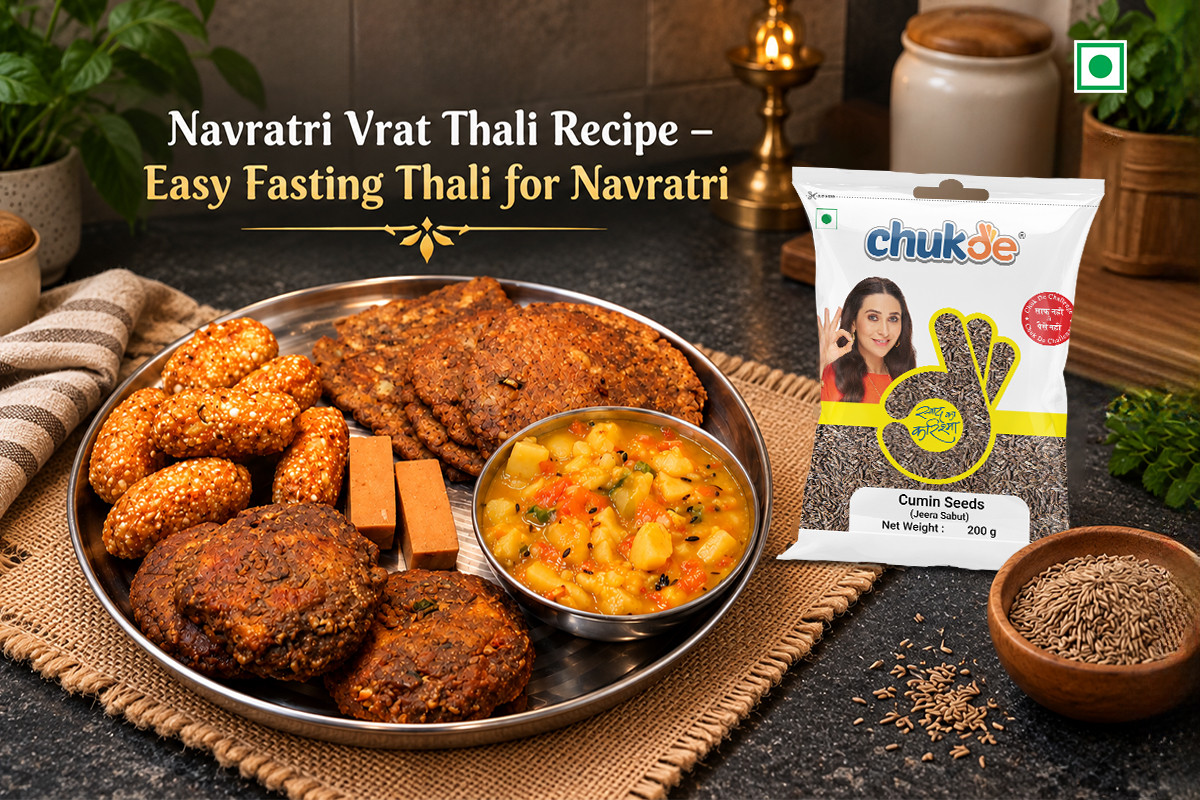
Make a complete Navratri Vrat Thali with aloo sabzi, kuttu puri, makhana raita & kheer. Simple, balanced & fully fasting-friendly recipe for Sharad Navratri 2026.
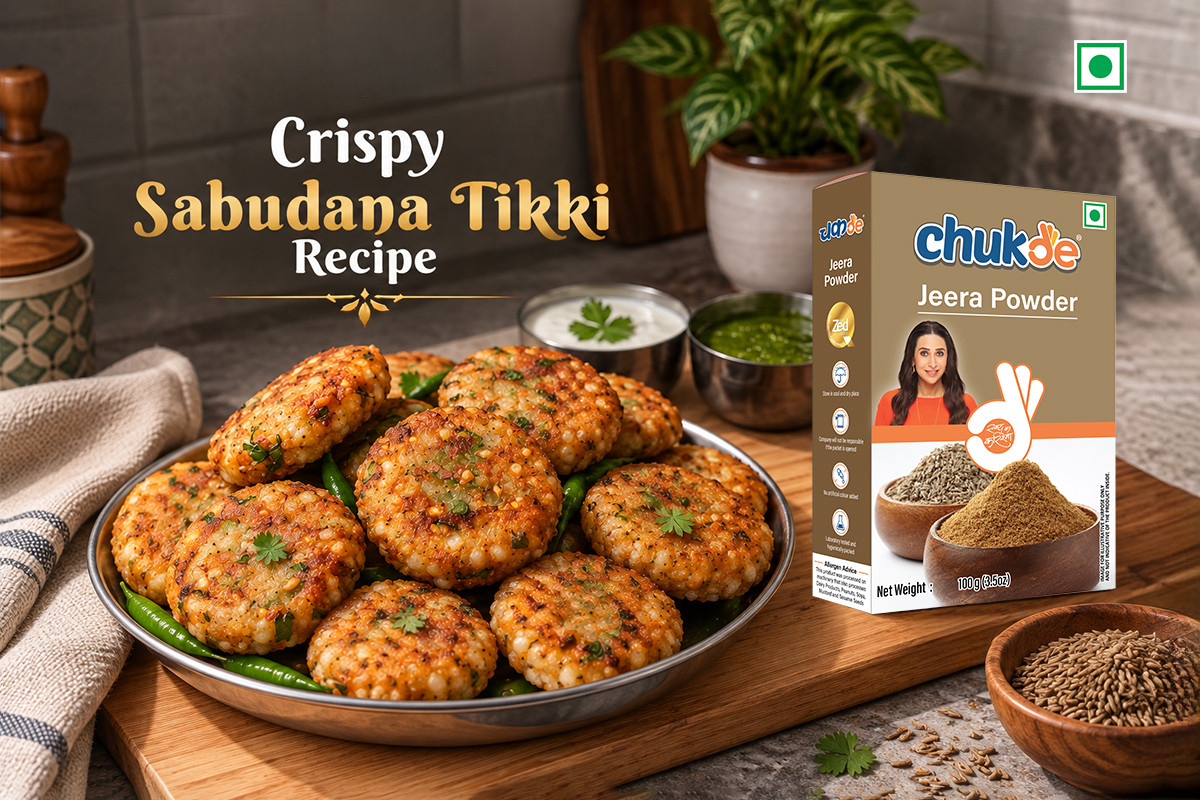
Crispy Sabudana Tikki recipe for Navratri vrat. Soft inside, golden outside. Easy pan-fried snack with sendha namak & simple spices. Perfect fasting treat.
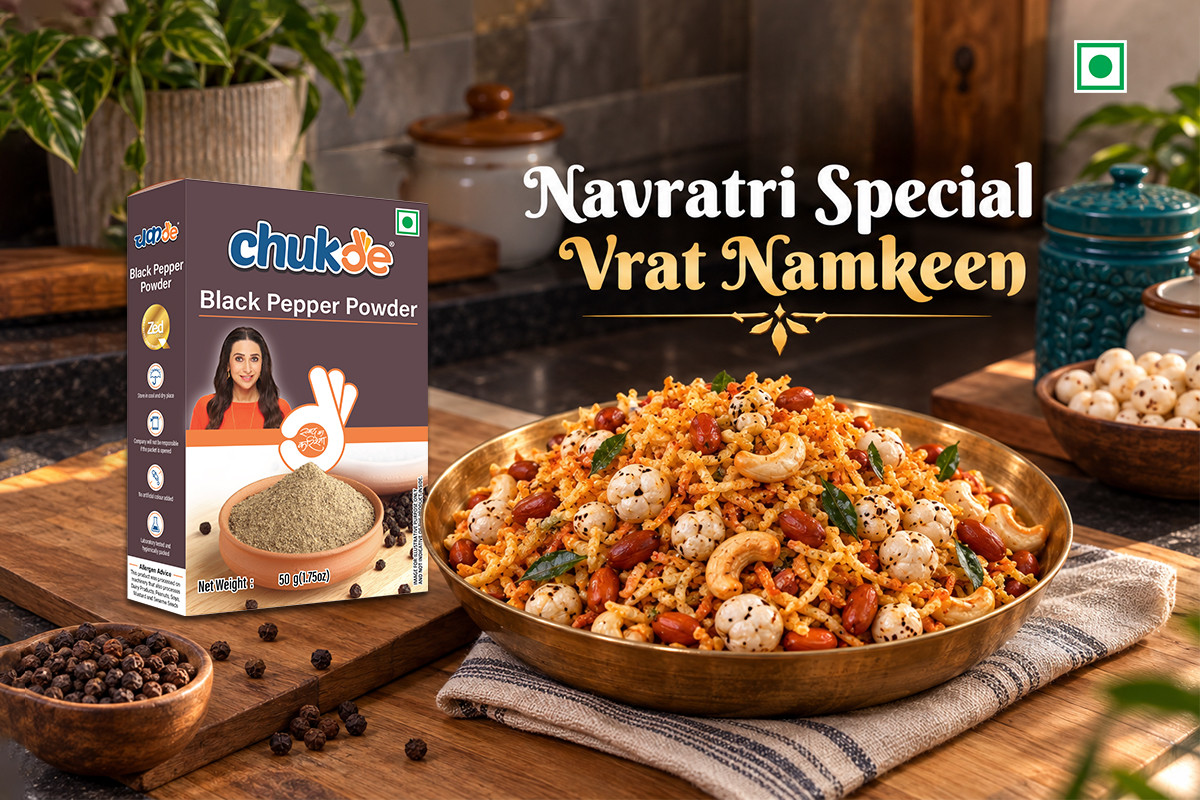
Make crispy vrat wali namkeen at home, with potato lachha, makhana, peanuts and nuts. This easy Navratri fasting snack includes frying and storage tips.
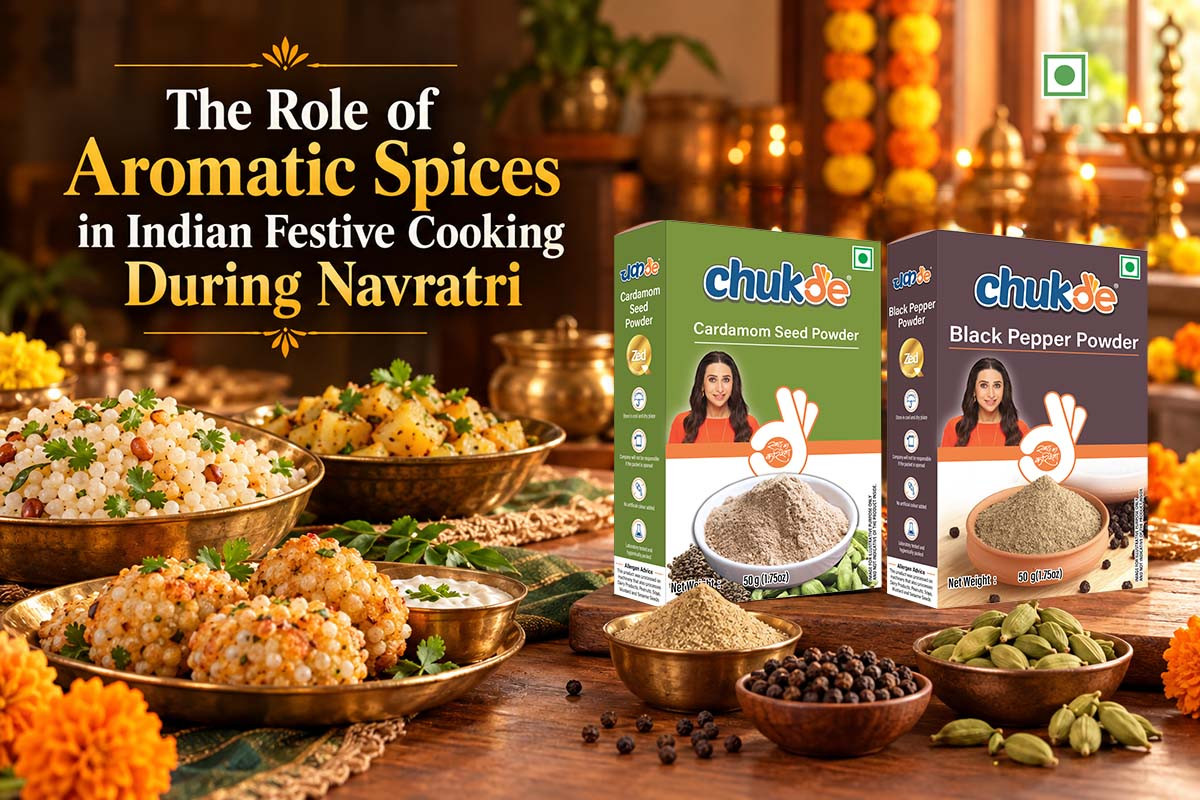
Aromatic spices for Navratri cooking: Learn which whole spices & ground spices work best for vrat recipes, perfect tadka, and flavour layering this festive season.
<% quickViewcurrVar.entity.title %> (<% quickViewcurrVar.price.off %>)
<% formatCurr(quickViewcurrVar.price.regular, quickViewcurrVar.price.curr_info) %> <% formatCurr(quickViewcurrVar.price.sale, quickViewcurrVar.price.curr_info) %> (Inc. tax) (Ex. tax)
Description (SKU - <% quickViewcurrVar.sku %>)
 TBS points:
 Tags & Categories:

Powered by Science

100% cruelty free

Made in India
 100% safe
checkout
100% safe
checkout

Invalid Product!


Checkout in
& get 2% OFF