


 Cart
Cart


 <% cart_fragment.free_shipping_message %>free shipping


Complete Guide To Buying Whole Spices Online In India (2026)


I still remember the first time I ordered whole spices online years ago. The packet of jeera looked fine, but when I heated oil for tadka the seeds barely crackled and the kitchen stayed quiet. No warm, earthy smell filled the air. That one flat tadka taught me more than any article. Buying whole spices online in India can be convenient, yet the difference between a lively masala dabba and a dull one sits in a few small checks most of us skip.
If you cook Indian food regularly, you already know whole spices hold their aroma longer than ground ones. The oils stay locked inside until you roast, crush or bloom them. Online shopping gives you access to wider grades and fresher batches than many local kirana shops, but only if you know what to look for. This guide walks you through the exact points I now check before every order so your next batch of sabut masale actually performs in the pan.
Why Whole Spices Still Matter in Everyday Indian Cooking
Whole spices form the base of tadka, biryani, chai and many regional dishes. When you heat jeera or mustard seeds in oil, the volatile oils release in seconds and coat the entire dish. Ground spices lose those oils faster because more surface area meets air and moisture. In my kitchen I keep both, but I reach for whole spices whenever I want clear, layered flavour rather than just colour or heat.
Indian homes in 2025-2026 show a quiet shift. More people cook from scratch on weekends and want ingredients that match the effort. Clear packing dates and transparent origin details now influence buying decisions more than big claims on the packet.
What to Check Before You Click “Buy”
Start with the packing or manufacturing date. FSSAI rules require this information on the label. Spices packed within the last three to four months generally hold stronger aroma than older stock sitting in warehouses. Look for the best-before date as well, but treat packing date as the more useful marker for whole spices.
Next examine the packaging itself. Multi-layer pouches or jars that seal tightly protect against humidity. Thin plastic bags that arrive already soft often mean the spices have already started losing oils. In humid cities like Mumbai, Chennai or Kolkata this difference shows up within weeks.
Origin details help when they go beyond “Product of India.” Mentions of specific growing areas (Idukki for cardamom, Malabar for pepper, certain belts for cumin) give a clearer picture of what you are buying. Not every seller provides this, yet the better ones do.
Finally read recent customer notes about aroma and colour. Comments that say “smelled strong the moment I opened” or “elaichi still bright green” carry more weight than star ratings alone.
Simple Home Tests Once the Packet Arrives
You do not need a lab. Three quick checks work in any kitchen.
Look at the colour and shape. Fresh green cardamom stays plump and green rather than yellow or shrivelled. Cloves keep their full flower heads. Black peppercorns look dark and slightly wrinkled, not smooth or pale.
Smell after a light crush. Rub a few seeds between your fingers. Jeera should give an immediate earthy warmth. Cardamom should smell citrusy and sweet. If you have to hunt for the scent, the oils have already faded.
Taste a tiny piece if needed. Fresh spices hit the tongue with clear flavour. Flat or woody notes mean the batch is past its best for cooking.
I do these tests the day the order arrives. Anything that fails goes back if the seller allows returns. Most reliable platforms make this easy.
Whole Spices vs Ground Spices – A Practical View
|
Point |
Whole Spices |
Ground Spices |
|
Aroma retention |
Longer (often 2–3 years when stored well) |
Shorter (6–12 months) |
|
Flavour in cooking |
Releases gradually when heated or crushed |
Immediate but fades faster |
|
Best use |
Tadka, roasting, fresh grinding |
Everyday curries, quick mixing |
|
Storage needs |
Airtight, cool, dark |
Same, but replace more often |
|
Convenience |
Needs extra step |
Ready to spoon |
I keep whole jeera sabut, mustard, cloves and cardamom for tempering and special dishes. For daily haldi and mirch I use good ground versions. The mix saves time without sacrificing taste on busy weeknights.
Common Mistakes That Spoil the Batch
Buying the cheapest large pack often backfires. Spices sit for months and lose strength before you finish them. Smaller quantities that match your monthly cooking rhythm work better.
Ignoring storage after opening is another frequent error. Many people leave the original pouch open or keep the jar next to the gas stove. Heat and moisture speed up oil loss. Transfer everything to clean, dry glass or steel containers with tight lids the same day.
Skipping the roast step also reduces impact. A 30–40 second dry roast on low heat before grinding or adding to oil wakes up the remaining oils. I do this even with newer stock; the difference is clear in the finished dish.
Storage Framework That Works in Indian Homes
Keep whole spices in airtight containers away from the stove, window and refrigerator top. A dark cupboard or closed drawer is ideal. Use a dry spoon every time and close the lid at once. Label each jar with the month you opened it. Review the set every six months with the look-smell-crush test.
In very humid months I add a small food-grade silica packet (the kind that comes with some products) inside the larger storage box, never touching the spices directly. This simple step has kept my stock usable longer than expected.
For a deeper look at official quality parameters, the Spices Board of India publishes useful grading and handling guidance that aligns with good kitchen practice.
Practical Buying Checklist for 2026
- Packing date within last 90–120 days
- Clear best-before or use-by marking
- Multi-layer or resealable packaging
- Visible origin or grade notes where available
- Recent reviews mentioning aroma and colour
- Return policy in case the batch fails the home test
- Quantity that matches your actual monthly use
When you are ready to stock up, start with everyday essentials such as kali mirch sabut and green elaichi. These two alone change the character of tadka, chai and many gravies.
Frequently Asked Questions
How long do whole spices last once opened?
When stored in airtight containers away from heat and moisture, most whole spices stay usable for 2 to 3 years. Check aroma every six months with a simple crush-and-smell test.
What is the most important thing to check when buying whole spices online?
Look first at the packing or manufacturing date. Fresher stock generally holds stronger aroma. Also check packaging quality and recent reviews that mention smell and colour.
Should I buy whole spices or ground spices for daily cooking?
Keep whole spices for tadka and special dishes because they release aroma when heated. Use ground spices for everyday convenience. Many kitchens benefit from keeping both.
How can I test whole spices at home after delivery?
Check colour and shape first. Then rub a few seeds between your fingers and smell. Fresh spices release a clear, characteristic aroma. Flat or dusty smell means the batch has lost strength.
Why does my tadka sometimes lack aroma even with whole spices?
The spices may be old, the oil may not be hot enough, or the seeds may need a short dry roast before adding. Fresh stock and proper heating usually solve the problem.
Final Thoughts
Buying whole spices online in India no longer needs to feel like a gamble. When you focus on packing dates, packaging quality, simple sensory checks and sensible storage, the spices deliver the aroma and flavour your recipes deserve. Start with one or two everyday items such as jeera and laung (cloves), test them thoroughly, then expand. Your next tadka will tell you the difference immediately.
Explore the full range of whole spices available at Chukde and notice how fresh stock changes the character of familiar dishes. For more on how freshness changes over time, this practical piece from Times of India on checking spice freshness is worth a quick read.
Share your own kitchen observations in the comments—what worked or what surprised you helps everyone cook better.
Related articles
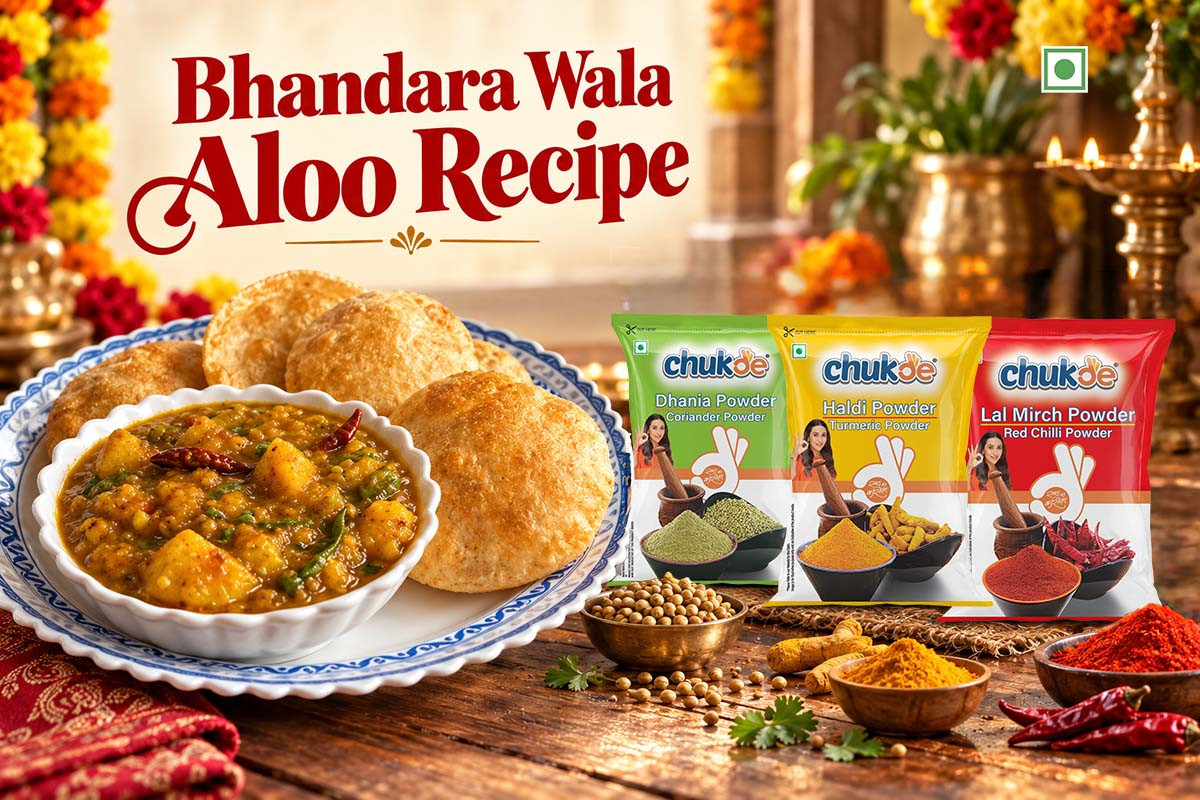
Make Bhandara Wala Aloo at home with hand-crushed potatoes, tomatoes and aromatic whole spices. Try this easy no-onion, no-garlic recipe with poori.
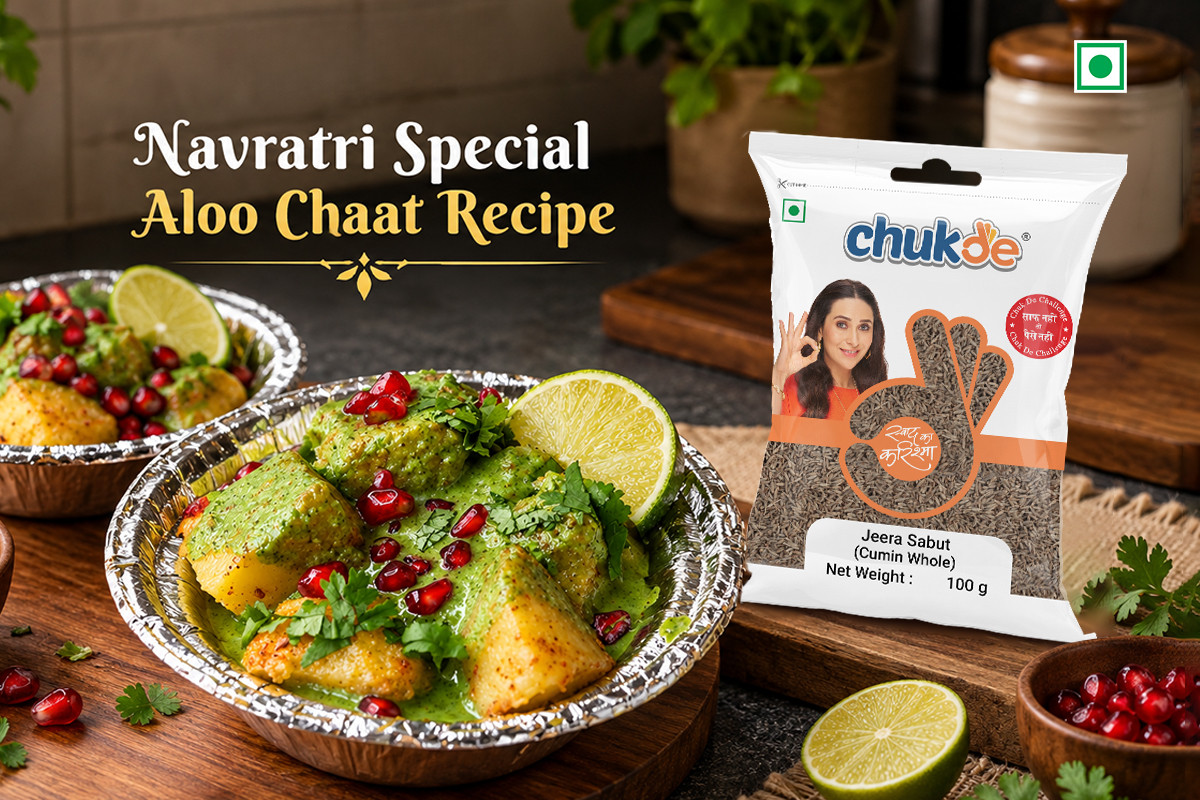
Make crispy Navratri special aloo chaat at home in 20 minutes. Vrat-friendly recipe with sendha namak, no onion-garlic. Perfect fasting snack for Navratri.
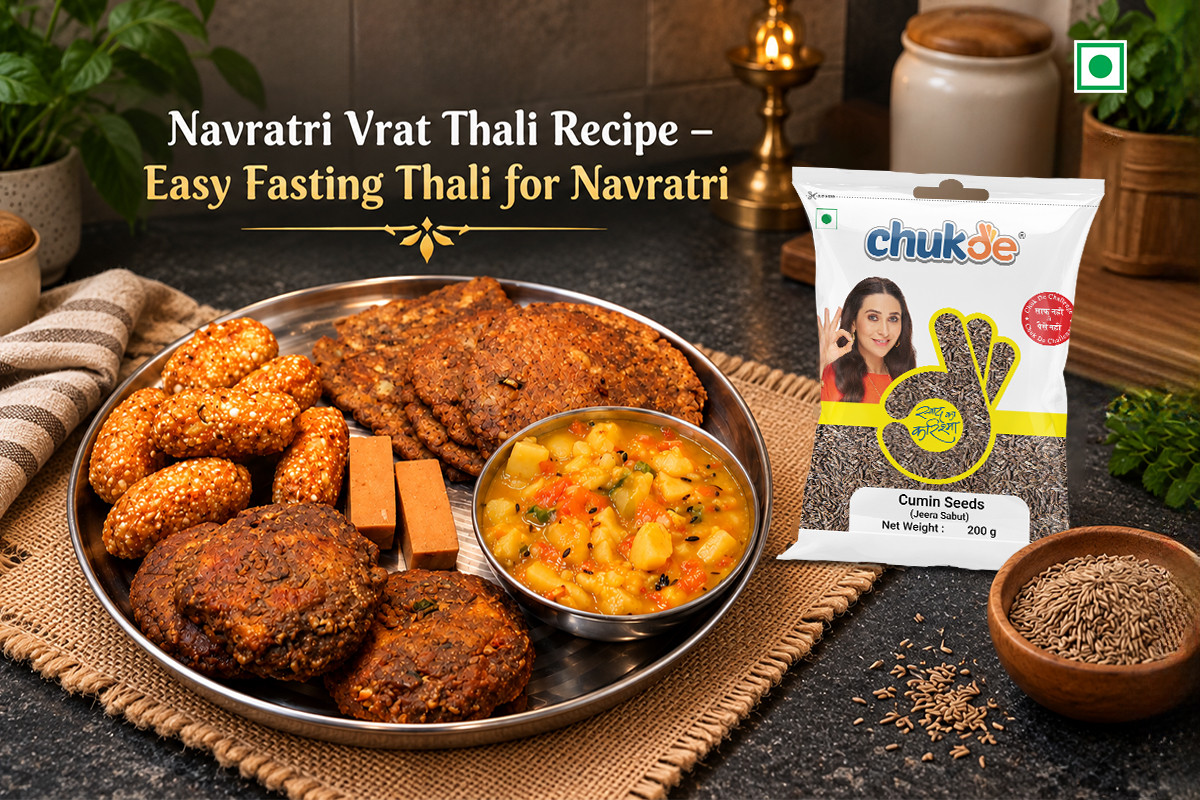
Make a complete Navratri Vrat Thali with aloo sabzi, kuttu puri, makhana raita & kheer. Simple, balanced & fully fasting-friendly recipe for Sharad Navratri 2026.
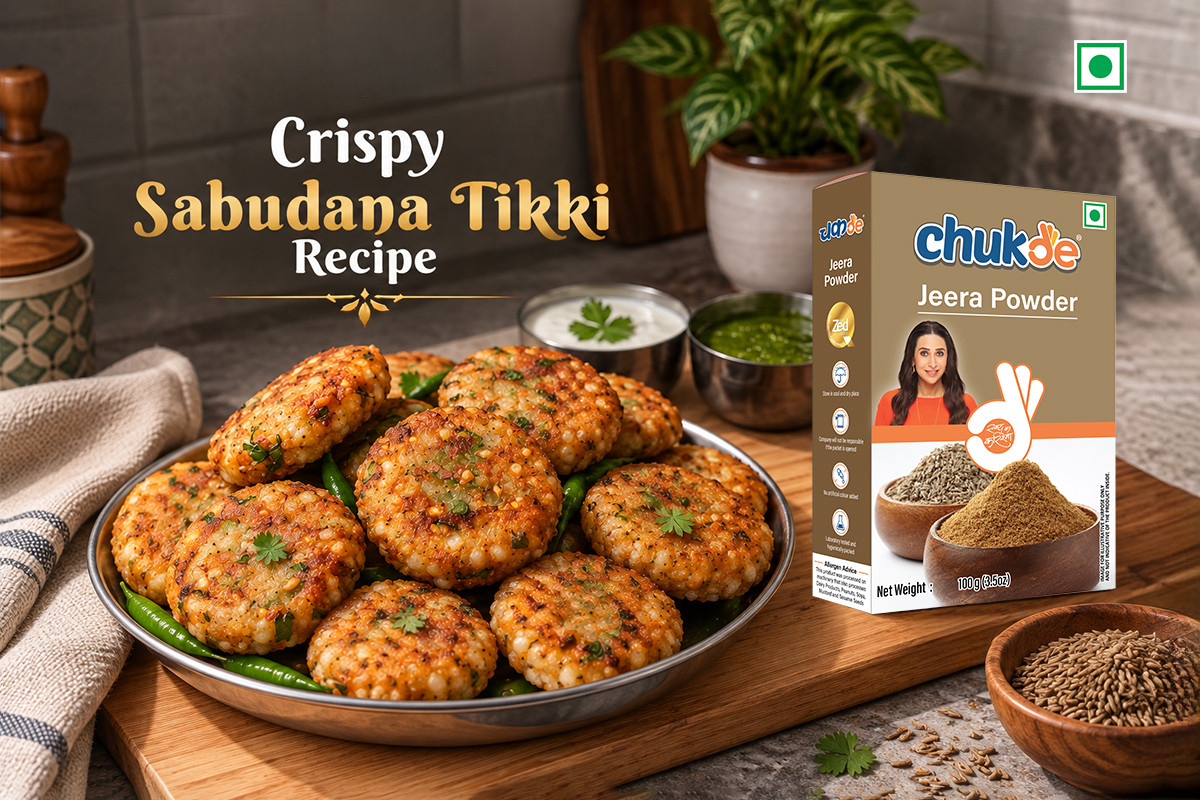
Crispy Sabudana Tikki recipe for Navratri vrat. Soft inside, golden outside. Easy pan-fried snack with sendha namak & simple spices. Perfect fasting treat.
<% quickViewcurrVar.entity.title %> (<% quickViewcurrVar.price.off %>)
<% formatCurr(quickViewcurrVar.price.regular, quickViewcurrVar.price.curr_info) %> <% formatCurr(quickViewcurrVar.price.sale, quickViewcurrVar.price.curr_info) %> (Inc. tax) (Ex. tax)
Description (SKU - <% quickViewcurrVar.sku %>)
 TBS points:
 Tags & Categories:

Powered by Science

100% cruelty free

Made in India
 100% safe
checkout
100% safe
checkout

Invalid Product!


Checkout in
& get 2% OFF