


 Cart
Cart


 <% cart_fragment.free_shipping_message %>free shipping


Kesar Benefits, Uses & How To Identify Quality Saffron

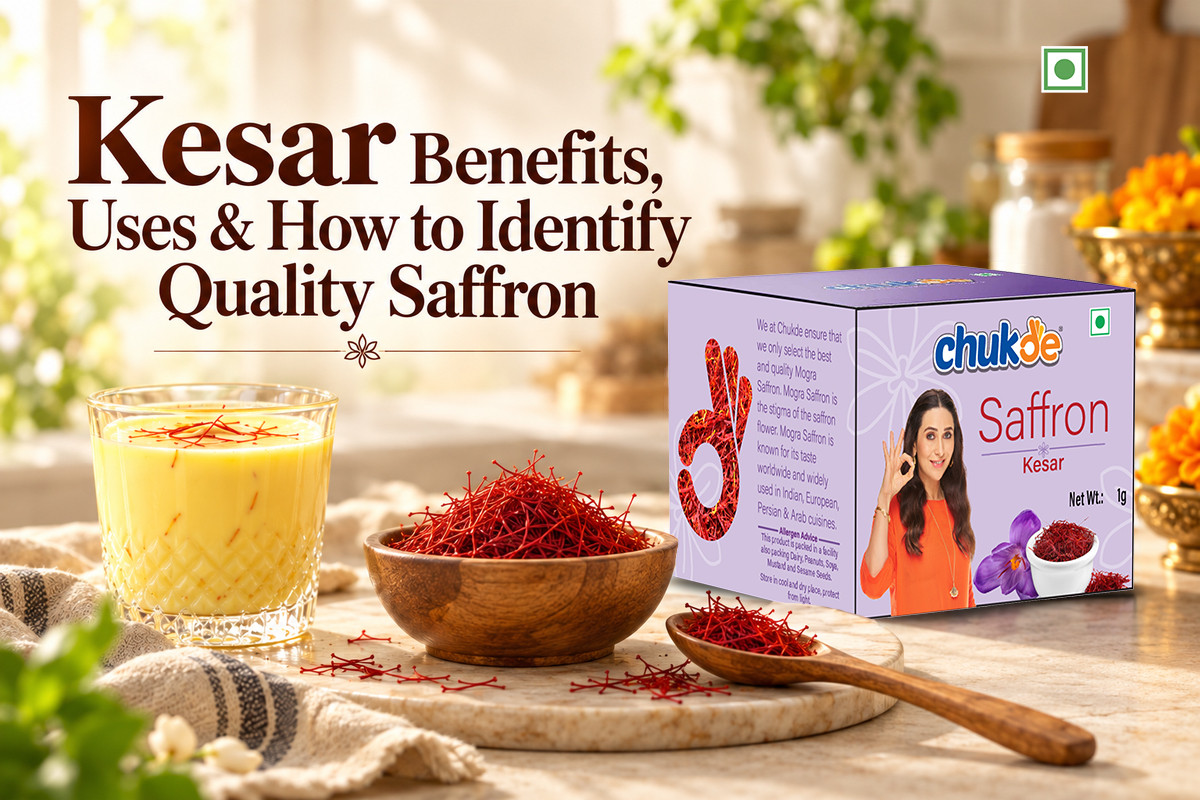
A pinch of kesar can change a pot of kheer. The wrong pinch can waste money and leave the milk pale.
That is why people search for kesar benefits but the moment they see the price of a jar, they hesitate. How many strands go in one glass of milk? Why does one pack smell like honey and hay, while another smells sharp? And what do saffron health benefits actually look like in a home kitchen, not a lab?
This guide answers those questions in cooking language. You will learn what kesar is, which uses make sense every week, how to bloom strands for colour and aroma, how to judge quality threads, and where the research stops.
Disclaimer: This article is for food and general information. It is not medical advice. Speak with a qualified doctor before using saffron in supplement amounts, during pregnancy, or with prescribed medicines.
What Kesar Is, and Why a Few Strands Cost So Much
Kesar is the dried red stigma of Crocus sativus, the autumn-blooming saffron crocus. Each flower gives only three threads. Harvesting is done by hand. Industry figures often cite about 75,000 flowers for one pound of dried spice, or roughly 1.5 lakh flowers for a kilogram, that labour—not marketing—is what explains the price.
The flavour chemistry is simple to remember:
- Crocin gives the golden colour in milk and rice.
- Safranal carries the honey-hay aroma.
- Picrocrocin adds a light bitter note on the tongue.
Kashmir’s Pampore belt still grows much of India’s crop and holds a Geographical Indication for Kashmir saffron. Output has fallen in recent years because of weather stress and field pressure, which is one more reason cheap packs deserve extra scrutiny.
In my experience packing and testing Mongra-style threads, the usable part is the deep maroon stigma. The yellow style at the base adds weight and little aroma. Mogra (also written Mongra) grade keeps that red portion and trims most of the pale tail.
Kesar Benefits People Notice in Daily Cooking
Saffron health benefits are often listed like a catalogue. Kitchen use is quieter. Food amounts are small. Study doses of extract are usually 20–100 mg a day in trials, which is not the same as a pinch in biryani. WebMD’s saffron monograph summarises food use versus researched extract amounts.
Here is a balanced view of kesar benefits that match how Indian homes use the spice.
Mood and evening wind-down
Several trials and reviews suggest saffron extracts may ease mild low mood and tension compared with placebo. That is extract research, not a promise from one glass of milk. Still, many households keep kesar milk as an evening habit because the aroma itself feels settled. For a fuller research overview, see Healthline’s saffron benefits review.
Antioxidant colour compounds
Crocin and related pigments act as antioxidants in lab and clinical work. In the pan, that same pigment is why milk turns gold instead of orange-red. Colour release is a quality clue, not only a nutrition talking point.
PMS comfort in studied amounts
Some trials report fewer premenstrual symptoms when standardised saffron is taken at study doses. Food strands will not match those protocols. Treat this as background, not a kitchen prescription.
Eyes and memory: early, limited signals
Small studies have looked at age-related eye changes and memory scores. Results are interesting and still limited. Do not replace prescribed care with spice.
What kesar will not do in a tadka
It will not replace medicines. It will not colour a large biryani if you add dry threads at the last minute. It can taste medicinal if you overdo it. From practical kitchen observations while testing festive sweets, 8–12 well-bloomed strands flavour one litre of milk far better than 25 dry strands dumped in at the end.
Everyday Uses of Kesar in Indian Home Cooking
Kesar is a whole spice you bloom, not a masala you throw into hot oil like jeera.
- Drinks: Warm milk with green elaichi. Soak strands first.
- Rice: Dum biryani, zarda, and festive pulao. Add the soak liquid so colour spreads. A small pinch of garam masala sabut in the same pot builds the rest of the aroma layer.
- Sweets: Kheer, rasmalai rabri, shahi tukda, and kesar peda.
- Savoury gravies: A few strands in rich paneer or festive qorma for aroma, not heat.
- Evening plate: A mug of kesar milk next to lightly roasted phool makhana is a simple festive snack pairing many homes already use.
A useful rule: bloom first, cook second. Dry threads sitting on hot rice barely open.
How to bloom kesar
- Count 8–15 strands for 2–3 servings, or about 20 strands for 350 ml milk if you want a deep gold.
- Warm 2 tablespoons of milk or water. Do not boil the soak.
- Crush the strands lightly between two spoons.
- Soak for 20–30 minutes. Good threads leak gold slowly. The strands stay red.
- Add both liquid and threads to the dish.
While testing recipes, I have found 20 minutes is the minimum for colour. Overnight soaking in the fridge works for next-day kheer.
How Much Kesar to Use
For cooking, think in strands, not grams.
|
Use |
Typical amount |
Notes |
|
One glass of milk |
8–12 strands, bloomed |
Enough colour and aroma |
|
1 litre kheer or rabri |
15–25 strands |
Add soak liquid |
|
Family biryani (1 kg rice) |
20–30 strands |
Bloom in warm milk |
|
Face pack trial |
4–6 soaked strands |
External use only |
|
Study-style extracts |
20–100 mg/day in trials |
Not a kitchen measure |
Using saffron in food is generally common. In research on supplements, studied amounts are often around 20–100 mg per day for limited periods. Much higher amounts, particularly around 5 grams or more, can be toxic. Pregnant readers should stick to normal food amounts and consult a doctor before using concentrated saffron, as high intakes have been associated with uterine contractions in some reports.
If you take medicines for blood pressure, blood sugar, or sedation, ask your doctor before using saffron as a daily extract.
How to Identify Quality Saffron at Home
Common saffron adulterants and lookalikes include dyed corn silk, safflower, and threads that may be treated with moisture to add weight. You don’t need a lab for an initial check—you need patience and a careful eye, nose, and palate.
Kitchen checklist
- Look. Quality threads are deep maroon-red with a slight trumpet end. A long pale-yellow base is mostly style, not stigma. Threads should look dry and brittle, not wet or clumped.
- Smell. Real kesar smells sweet, floral, and a little like dry hay mixed with honey. A chemical or paint-like smell is a warning.
- Taste. Touch one damp strand to the tongue. Expect a light bitterness. A candy-sweet taste often means sugar or dye.
- Cold water glass. Drop 3–4 strands into room-temperature water. Wait 10–15 minutes. Quality saffron turns the water golden-yellow slowly. The threads stay red. Instant blood-red water usually means dye.
- Warm water glass. Same idea in warm, not boiling, water. Colour should spread evenly to gold.
- Rub test. After a short soak, roll a strand between fingers. Good threads stay fibrous. Dyed fillers can smear or fall into dust.
- Pack label. Check FSSAI licence, net weight, pack date, and a sealed jar or pouch.
Real threads vs common fillers
|
Check |
Quality kesar |
Likely filler or dyed material |
|
Colour in water |
Slow gold, even |
Instant red or blotchy |
|
Thread after soak |
Stays red and intact |
Turns pale or breaks |
|
Aroma |
Honey, hay, floral |
Sharp, chemical, or almost none |
|
Taste |
Slightly bitter |
Sweet or metallic |
|
Feel after soak |
Fibrous |
Mushy or powdery |
|
Price |
High for the weight |
Unusually low for Mogra claims |
I’ve personally found the cold-water test most useful in a busy kitchen because it needs no extra ingredients. Give it the full 15 minutes. Rushing the test is how dyed packs pass a glance.
Storage, Shelf Life, and Common Mistakes
Keep kesar like other high-aroma whole spices.
- Use a small airtight container.
- Store away from light, steam, and the masala box that sits next to the stove.
- Take strands with a dry spoon.
- Buy pack sizes you will finish in months, not years. 0.25 g and 0.5 g packs suit most homes.
Mistakes I still see:
- Adding dry strands at the end and expecting gold rice.
- Boiling the soak and flattening the aroma.
- Using a mountain of threads because the first pack was weak. Fix the quality, not the quantity.
- Leaving the jar open near the dishwasher. Moisture dulls safranal fast.
Pros and Limits, Side by Side
What kesar does well: strong aroma in small amounts, natural gold colour, a clear role in festive Indian cooking, and research interest around mood and antioxidants.
Where it falls short: cost, easy adulteration, bitter taste if you overdose, and health studies that use extracts more than home milk. It is not a stand-alone treatment for depression, eye disease, or blood sugar.
FAQs
What are the main kesar benefits in daily cooking?
Kesar adds golden colour, a honey-hay aroma, and a light bitter note to milk, rice, and sweets. Research also studies mood and antioxidant effects at extract doses, which differ from kitchen strand counts.
How many kesar strands should I use in milk?
Use about 8 to 12 bloomed strands for one glass, or around 20 strands for 350 ml if you want a deeper gold. Soak them in warm milk for 20 to 30 minutes before adding.
How do I check quality saffron at home?
Look for dry, deep red threads, a honey-hay smell, and a slightly bitter taste. In cold water, quality saffron releases a slow golden colour while the threads stay red. Instant red water often points to dye.
Can I take kesar every day?
Food amounts used in milk or desserts are the usual daily pattern. Trial extracts often use 20 to 100 mg for a limited time. High gram-level intakes can cause harm. Ask a doctor before concentrated use.
Is kesar suitable during pregnancy?
Keep to normal food amounts in dishes unless a doctor advises otherwise. High concentrated intakes have been linked to uterine contractions in reports.
Why should I bloom kesar instead of adding it dry?
Warm liquid helps crocin and aroma compounds move into the dish. Dry threads added at the end often sit on top and leave the food pale.
Conclusion
Kesar benefits start in the pot: colour, aroma, and a little bitterness that lifts milk, rice, and mithai. Saffron health benefits in studies are real enough to respect and limited enough to keep in proportion. Bloom the strands. Count them. Give the water test 15 minutes. Store the jar in a cool, dry, and dark place to help preserve its quality.
If you want threads with a deep red stigma and little yellow tail, start with Chukde Spices Kesar Saffron in a small pack size and use the same bloom method you just read. Try it in tonight’s milk, then notice how the colour turns.
Related articles
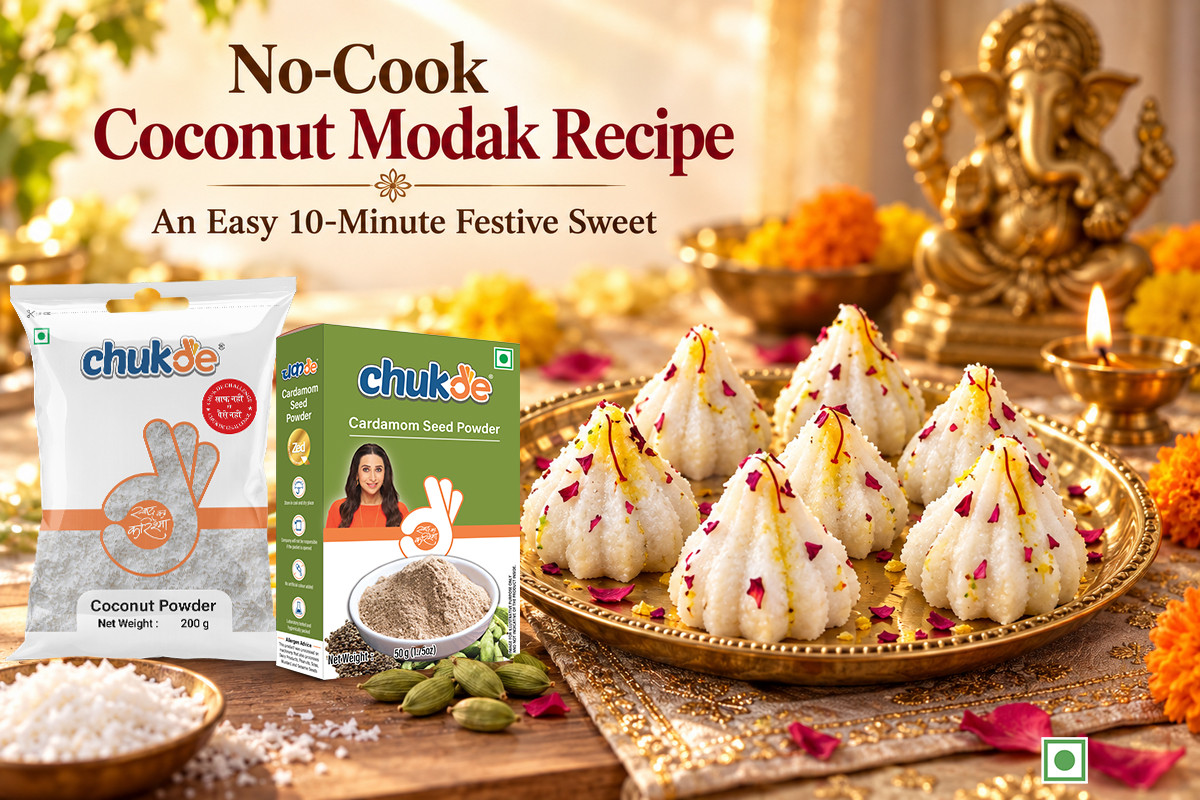
Make soft, delicious no-cook coconut modaks in just 10 minutes using simple ingredients. An easy festive sweet perfect for Ganesh Chaturthi celebrations.

Make soft, flavourful Besan Mawa Modak for Ganesh Chaturthi with an easy step-by-step recipe, perfect for bhog, prasad and festive celebrations at home.
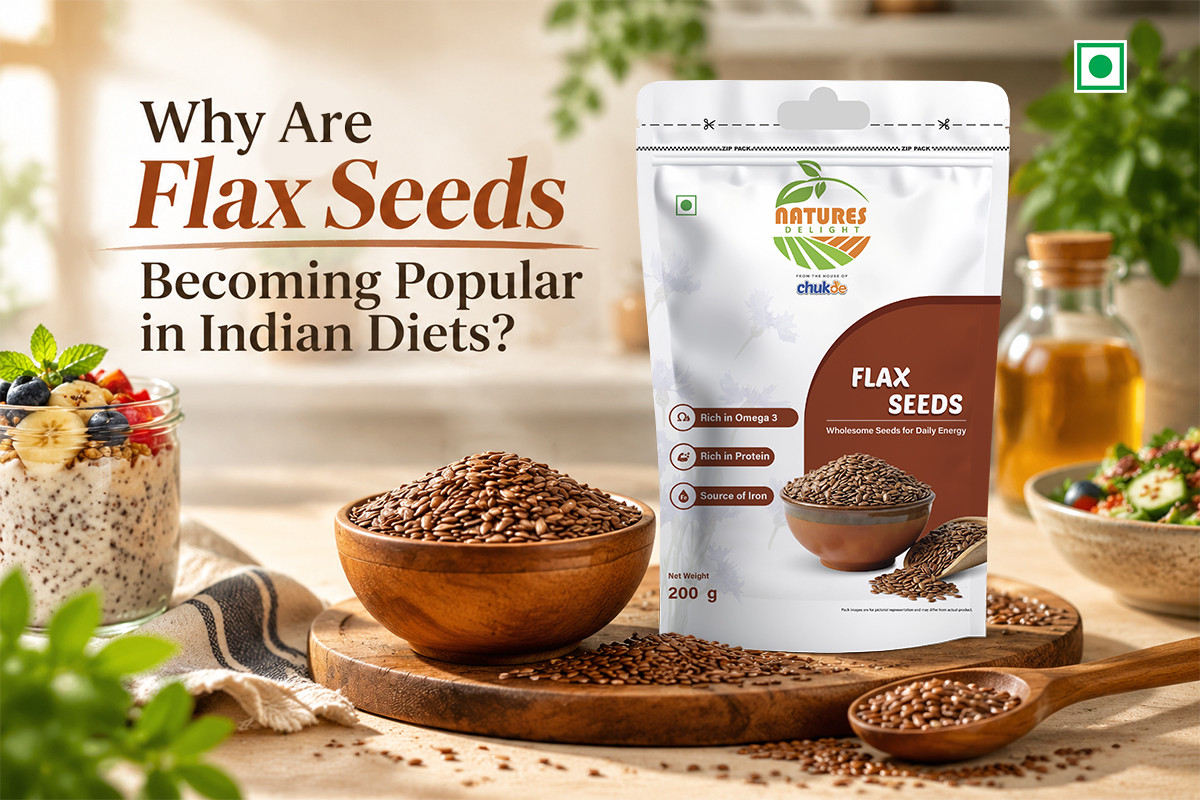
Flax seeds are back in Indian kitchens. See why demand is rising, useful food points, roast-and-grind steps, storage tips and easy daily uses.
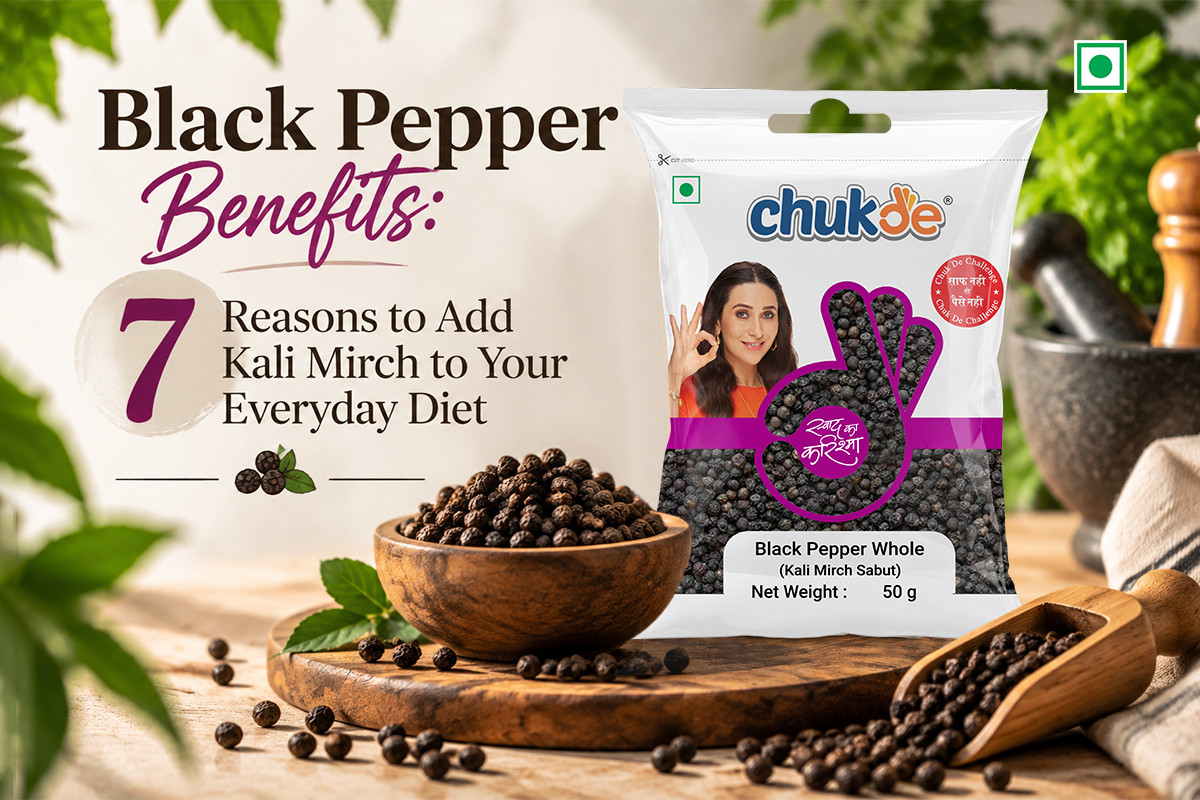
Learn black pepper benefits for Indian cooking. See how kali mirch adds flavour, supports digestion in food amounts, and pairs with haldi in everyday meals.
<% quickViewcurrVar.entity.title %> (<% quickViewcurrVar.price.off %>)
<% formatCurr(quickViewcurrVar.price.regular, quickViewcurrVar.price.curr_info) %> <% formatCurr(quickViewcurrVar.price.sale, quickViewcurrVar.price.curr_info) %> (Inc. tax) (Ex. tax)
Description (SKU - <% quickViewcurrVar.sku %>)
 TBS points:
 Tags & Categories:

Powered by Science

100% cruelty free

Made in India
 100% safe
checkout
100% safe
checkout

Invalid Product!


Checkout in
& get 2% OFF