


 Cart


 <% cart_fragment.free_shipping_message %>free shipping


Phool Makhana Benefits, Uses & Easy Recipes

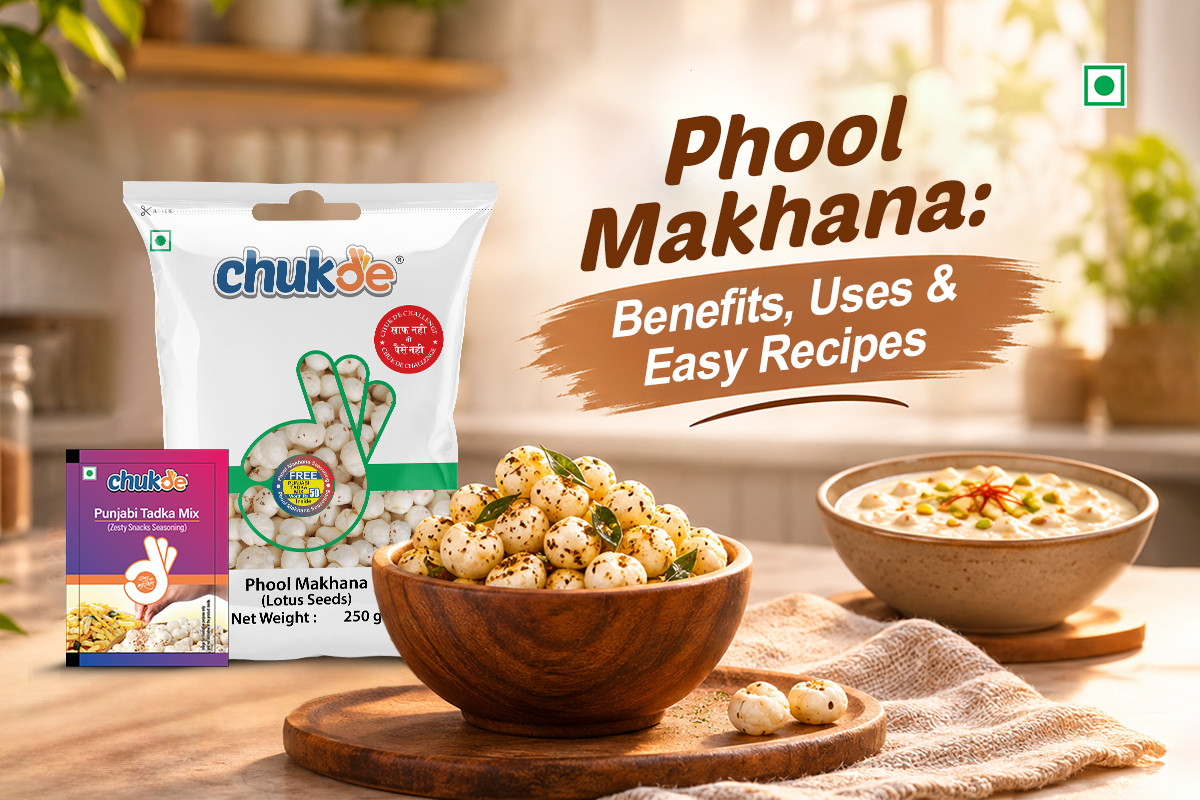
Finding a snack that is both crunchy and delicious doesn't always mean reaching for a packet of chips. Sometimes, all you need is a simple ingredient that can turn an ordinary evening into a flavourful snacking moment. That's where phool makhana (fox nuts) makes its way into the kitchen.
Known for its light, airy texture and mild taste, makhana is incredibly versatile. Whether you enjoy it roasted with a little salt, tossed with aromatic Indian spices, or prepared as a sweet treat, it offers plenty of ways to add variety to your everyday snacking. Try Chukde Phool Makhana to explore its delicious possibilities.
In this guide, we'll explore what phool makhana is, its nutritional profile, potential benefits, easy roasting techniques, and simple recipes you can prepare at home using everyday kitchen ingredients.
What Exactly Is Phool Makhana?
Phool makhana comes from the seeds of the prickly water lily plant. Farmers collect the seeds from ponds, dry them, and roast them until they pop into those familiar white, airy pieces.
You’ll often see packets calling them “lotus seeds,” but that’s not quite right. True lotus seeds come from a different plant. Makhana is lighter and pops more easily. Bihar is one of India’s major producing regions, and much of the processing is still done by hand.
Taste-wise, plain makhana is mild and a little earthy. Once you roast it and add chilli powder, cumin or even a touch of jaggery, it becomes wonderfully moreish.
What’s Inside Phool Makhana?
One cup (around 32 grams) gives you roughly 106 calories and almost 5 grams of protein. It also contains calcium, magnesium, phosphorus, potassium and a little iron. USDA FoodData Central
These minerals contribute to normal functions such as bone health, muscle function and energy metabolism. Makhana also contains antioxidant compounds, including gallic acid and ellagic acid. Nutrient values can vary by source and preparation, so treat figures as estimates rather than fixed values.
Why People Keep Reaching for Phool Makhana
Research on makhana is still developing, and some frequently discussed findings come from animal or laboratory studies rather than large human trials. Here are a few points worth keeping in perspective:
- It provides minerals as part of an everyday diet.
- It contains antioxidant compounds that are being studied for their potential effects.
- Some animal studies have explored blood-sugar-related effects of makhana extracts; human evidence is limited.
- Its protein and fibre content can help make a snack more satisfying.
- Research has also explored possible effects on cholesterol and triglyceride levels, but these findings should not be treated as proven health benefits in people.
Bottom line: phool makhana can be a handy addition to regular home cooking. It is not a cure or a treatment, but it makes a versatile snack or side.
How to Roast Phool Makhana So It Stays Crispy
This is where many people go wrong. High heat can burn the outside while leaving the inside soft. Low and slow is the better approach.
Here’s a simple method:
- Put 2 to 2½ cups of phool makhana in a heavy pan.
- Dry-roast on low to medium-low heat for 5–10 minutes, stirring regularly.
- Take one piece out, let it cool for about 10 seconds, and break it. It should snap cleanly. If it bends, keep roasting.
- Optional: add 1–2 teaspoons of ghee or oil and toss for another minute.
- Switch off the heat and add your spices while the pan is still warm.
- Cool completely before storing.
Quick flavour ideas that work well
- Kashmiri chilli + garlic powder + garam masala + salt
- Roasted cumin + black pepper + chaat masala
- Dried curry-leaf powder + cumin + a pinch of turmeric
For a warm, balanced finish, try a small amount of Chukde Garam Masala with chilli and salt. Add gradually so the seasoning complements, rather than overwhelms, the makhana.
A useful kitchen tip: mix the spices with a few drops of water to make a light paste, then toss it with warm makhana. This can help the seasoning coat more evenly than sprinkling dry powder alone.
Easy Recipes You’ll Actually Make
Everyday Masala Makhana
Roast the makhana as described above. Mix ½ teaspoon Kashmiri chilli powder, ½ teaspoon garlic powder, ⅓ teaspoon garam masala and salt with a tiny amount of water. Toss the seasoning with the makhana, cook for another minute, and let it cool. It’s ready to serve with evening chai.
Herbed Makhana
Use dried curry-leaf powder, cumin and black pepper with the same roasting method. A teaspoon of ghee added at the end gives the snack a lovely aroma.
Sweet Jaggery Makhana
Dry-roast the makhana first. In the same pan, melt 5–6 tablespoons of jaggery powder with half a tablespoon of water and a pinch of cardamom. Add the makhana and a teaspoon of ghee, coat quickly, and leave to cool.
Simple Makhana Kheer
Lightly roast and crush a few makhana pieces. Simmer them in milk with sugar and cardamom until the mixture thickens slightly. Finish with chopped almonds or pistachios. Green Elaichi adds a fragrant, traditional flavour to the kheer.
Quick Makhana Curry
Prepare your usual onion-tomato gravy. Make a tadka with cumin seeds and a bay leaf, add the ground spices, then add pre-roasted makhana near the end. Let it soften slightly while retaining some bite. Serve with roti or rice. For the tempering, whole cumin seeds (jeera sabut) are a useful pantry staple.
For quick munching, simply roast the makhana until crisp, mix in the complimentary Punjabi Tadka Masala packed inside the Chukde Phool Makhana pack, and enjoy a tasty, hassle-free snack anytime.
Quick Comparison: Phool Makhana vs Popcorn
|
Feature |
Phool Makhana |
Popcorn |
|
Source |
Water lily seeds |
Maize |
|
Texture |
Round, light puffs |
Irregular and fluffy |
|
Flavour |
Mild and earthy |
Toasted corn |
|
Best for |
Snacks, kheer and curries |
Sweet or savoury snacks |
|
Seasoning |
Pairs well with Indian spices |
Often seasoned with butter or caramel |
Both are enjoyable snack options. Choose according to your taste and how you plan to serve them.
Storage Checklist & Mistakes to Avoid
Keep it crispy:
- Let the makhana cool completely before closing the container.
- Use a clean, airtight container.
- Store it away from moisture, heat and direct sunlight.
- Check the packet’s best-before date.
- If it softens, re-roast it briefly in a pan before serving.
Common mistakes:
- Using a high flame, which can burn the outside.
- Add spices while the pan is extremely hot, which can scorch them.
- Packing the makhana while it is still warm; trapped steam can soften it.
- Simmer it for too long in curry, which can make the texture mushy.
A simple rule for crisp makhana: roast over low heat and allow it to cool fully before storing.
Little Tips That Make a Big Difference
Use whole spices for the tadka and ground spices for the coating to build more layers of flavour. Start with less chilli and adjust to taste. For fasting-day versions, use ingredients that suit your chosen fasting practice, such as ghee and rock salt where appropriate. Keep a ready-to-season batch in the pantry for quick snacks.
Organising your spice shelf also makes everyday cooking easier. Keep whole spices and ground spices clearly labelled so you can season makhana in just a few minutes.
Wrapping Up
Phool makhana is one of those quiet kitchen heroes: light, versatile and happy to take on the flavours you add. Roast it properly, season it with spices you already have, and it can become part of tea time, festive menus or even a quick curry.
Start with the basic masala version this week. Once you get the roasting technique right, experimenting with sweet, savoury and herbed variations becomes easy.
Explore Chukde’s spices and pantry essentials for more ideas to bring flavour to everyday home cooking.
FAQ ideas for FAQPage schema
Q1. What is phool makhana?
Phool makhana (also called fox nuts) comes from the seeds of the prickly water lily plant. The seeds are collected from ponds, dried, and roasted until they pop into light, airy white puffs.
Q2. How do I make roasted makhana crispy?
Dry-roast 2–2½ cups of phool makhana on low to medium-low heat for 5–10 minutes, stirring regularly. Test by cooling a piece for 10 seconds — it should snap cleanly. Cool completely before storing.
Q3. Can I use phool makhana in curries?
Yes. Add pre-roasted makhana near the end of cooking in an onion-tomato gravy so it softens slightly while retaining some bite. Avoid long simmering to prevent a mushy texture.
Q4. How should I store roasted makhana?
Let it cool completely, then store in a clean airtight container away from moisture, heat and sunlight. If it softens later, re-roast briefly before serving.
Q5. Is phool makhana the same as lotus seeds?
No. True lotus seeds come from a different plant. Phool makhana is lighter, pops more easily, and has a milder, earthier taste.
Q6. Which spices work well with makhana snacks?
Kashmiri chilli + garlic powder + garam masala, roasted cumin + black pepper + chaat masala, or dried curry-leaf powder + cumin + a pinch of turmeric all work very well.
Author Bio
The Chukde content team explores Indian spices, whole spices, ground spices and their everyday home-cooking applications. We focus on practical seasoning combinations, roasting methods and recipe adaptations that help readers cook with confidence.
Disclaimer: This article provides general food and home-cooking information, not medical advice. Individual dietary needs vary; consult a qualified healthcare professional for personal nutrition guidance.
Related articles
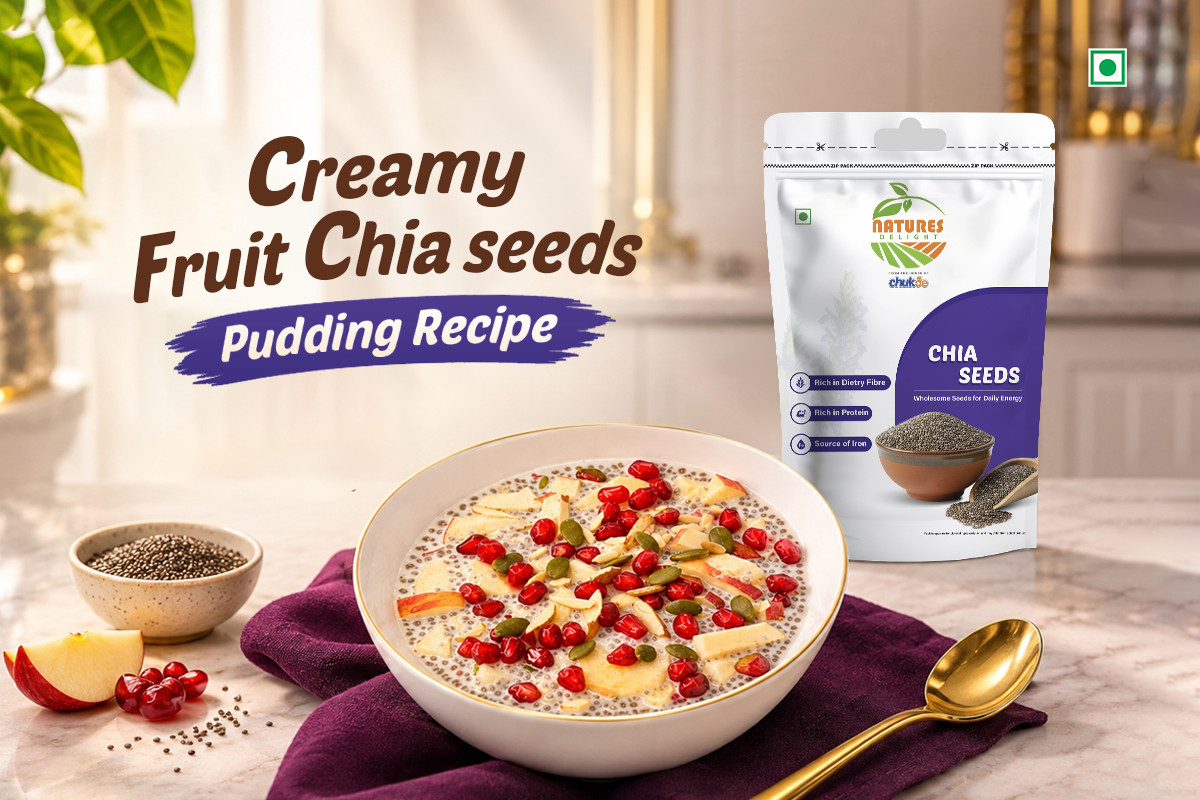
Make creamy fruit chia seeds pudding with milk, yogurt and berries. Prep it the night before for an easy, spoonable breakfast.
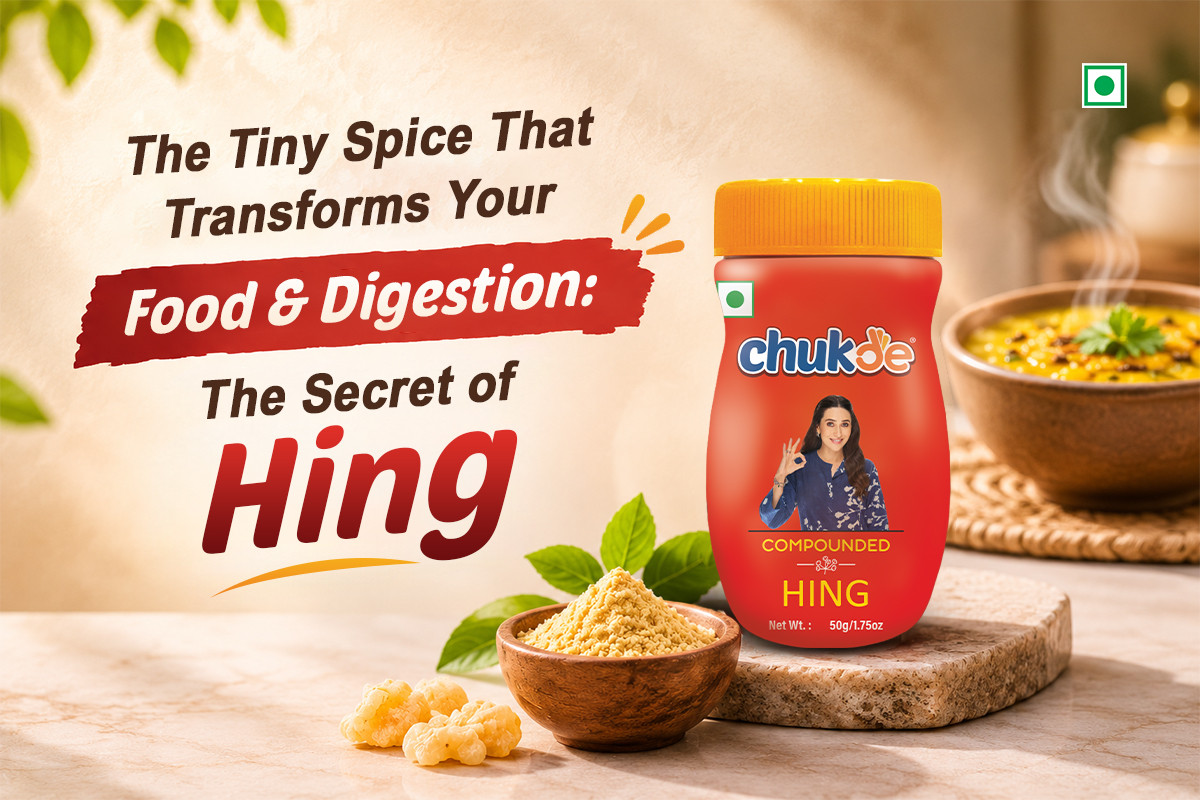
Discover hing benefits, traditional uses and cooking tips. how asafoetida supports flavour in Indian dishes, also use it in tadka and store it properly.
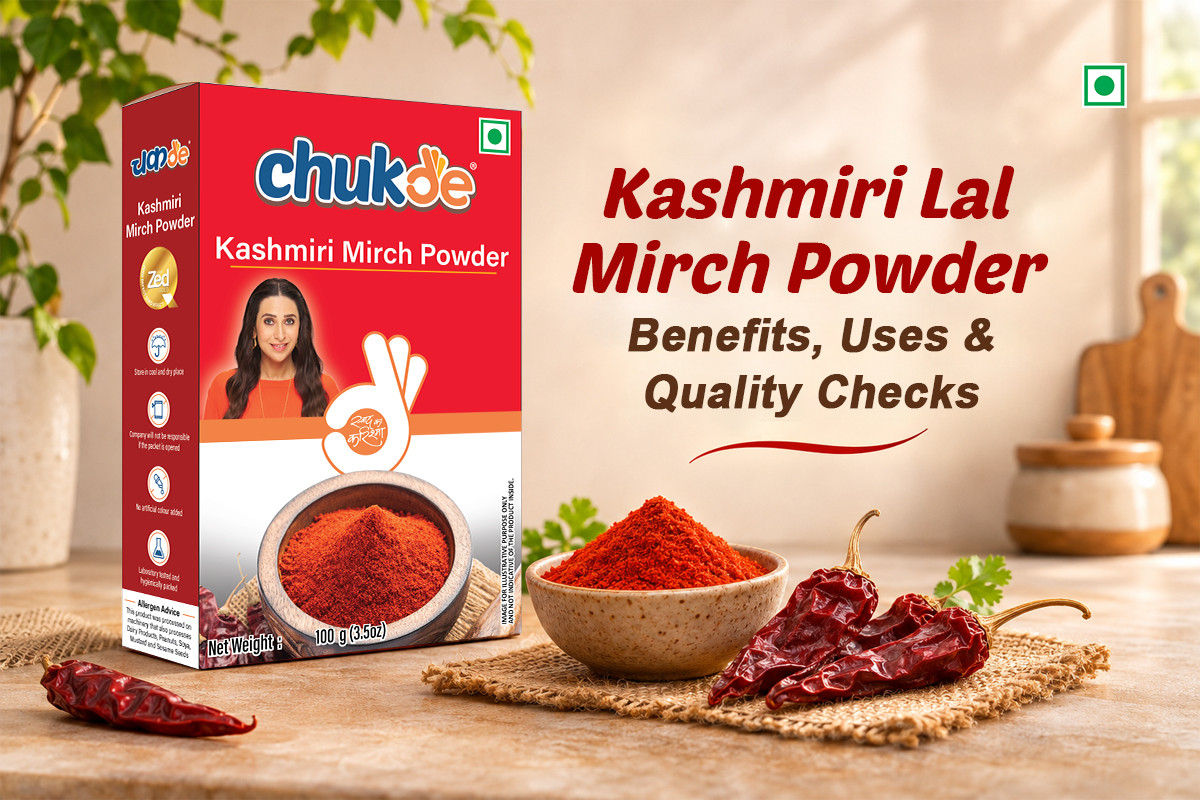
Discover how to use Kashmiri Lal Mirch Powder for rich colour and balanced heat. Learn what to check before buying and how to store it for freshness.
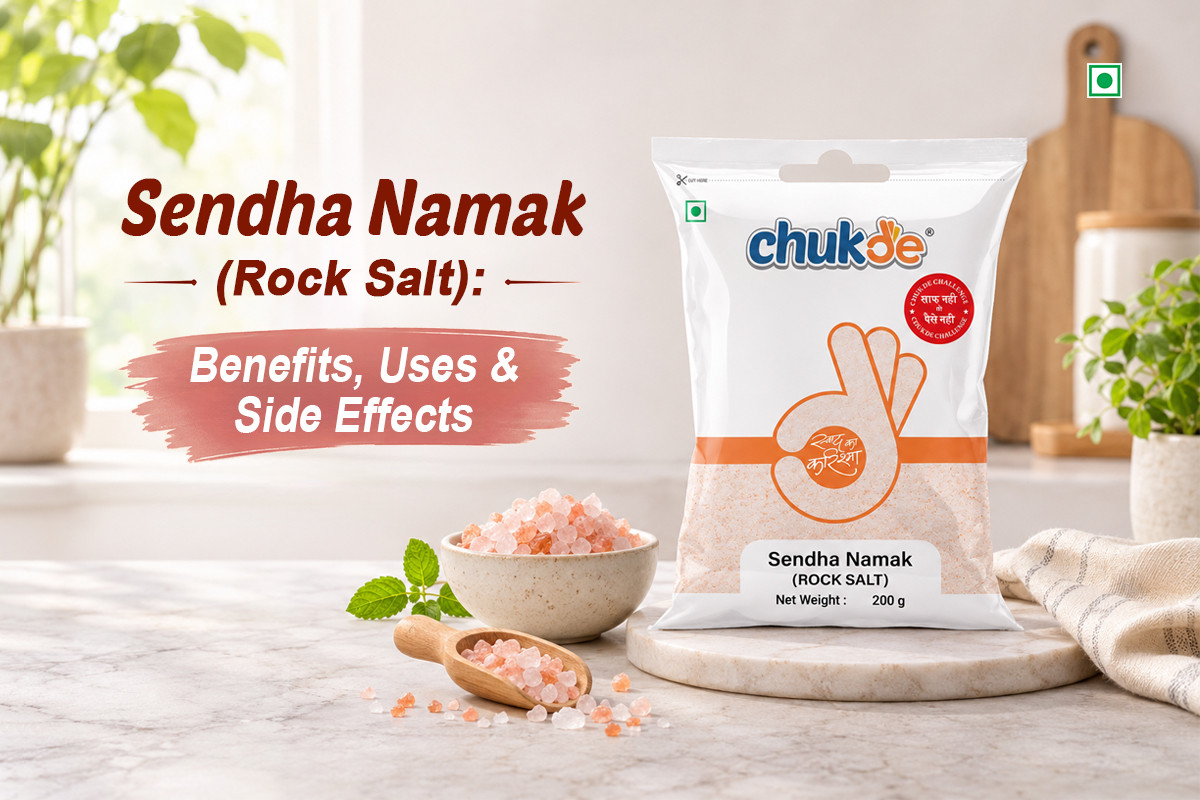
Learn what sendha namak (rock salt) is, its common uses in cooking and fasting, realistic benefits, and side effects. Practical tips for Indian kitchens.
<% quickViewcurrVar.entity.title %> (<% quickViewcurrVar.price.off %>)
<% formatCurr(quickViewcurrVar.price.regular, quickViewcurrVar.price.curr_info) %> <% formatCurr(quickViewcurrVar.price.sale, quickViewcurrVar.price.curr_info) %> (Inc. tax) (Ex. tax)
Description (SKU - <% quickViewcurrVar.sku %>)
 TBS points:
Tags & Categories:

Powered by Science

100% cruelty free

Made in India
 100% safe
checkout

Invalid Product!


Checkout in
& get 2% OFF