


 Cart


 <% cart_fragment.free_shipping_message %>free shipping


Sendha Namak (Rock Salt): Benefits, Uses & Side Effects

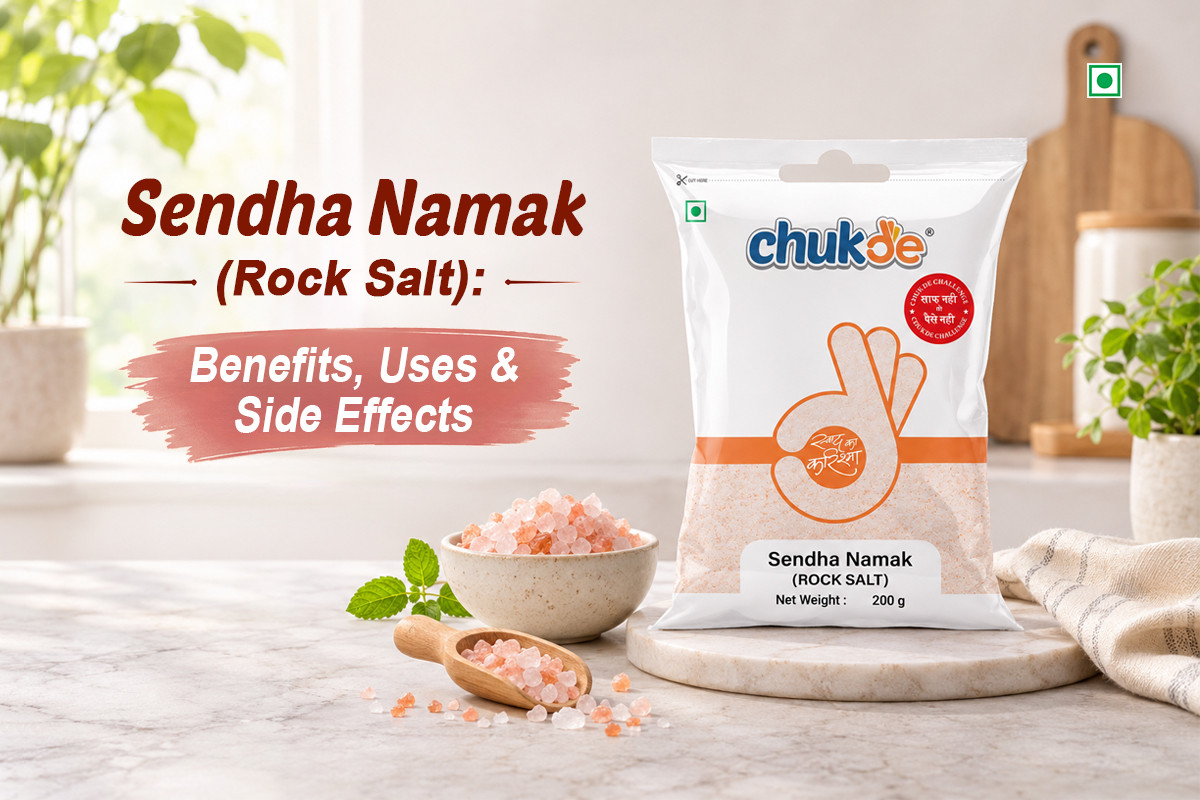
Many Indian kitchens keep a separate jar of sendha namak for fasting days and everyday cooking. Also called rock salt or saindhava lavana, this crystalline namak looks different from regular table salt and carries a milder taste. People often wonder whether it is better, how much to use, and what side effects to watch for.
This guide explains what sendha namak actually is, its common uses in home cooking and vrat meals, realistic benefits, and important precautions. You will also find practical tips drawn from everyday kitchen observations.
What Exactly Is Sendha Namak?
Sendha namak is rock salt mined from underground deposits formed by the evaporation of ancient seas and lakes. It mainly contains sodium chloride along with small amounts of other minerals that give some batches a white, pink, or greyish colour.
Unlike refined table salt, it usually goes through less processing and does not contain anti-caking agents. In traditional Indian cooking and Ayurvedic practice, it is preferred during fasting periods because many communities accept only this form of namak for vrat food. If you are looking for a reliable option for your kitchen, you can explore Sendha Namak for daily cooking and fasting use.
Sendha Namak vs Regular Table Salt
|
Point |
Sendha Namak (Rock Salt) |
Regular Table Salt |
|
Source |
Mined rock deposits |
Refined sea or rock salt |
|
Processing |
Minimal |
More refined |
|
Iodine |
Usually absent |
Often added |
|
Taste |
Milder, less sharp |
Stronger salty taste |
|
Common use |
Fasting, chaats, daily cooking |
Everyday cooking |
The sodium content remains high in both. The main practical differences are taste, texture, and the presence or absence of added iodine. For those who prefer a pink variety,
Himalayan Pink Salt Powder is another option many home cooks keep alongside regular sendha namak.
Common Uses in Indian Kitchens
From practical kitchen observations, sendha namak works well in several situations:
- Fasting recipes such as sabudana khichdi, kuttu puris, singhare atta dishes, and fruit chaat
- Everyday seasoning for raitas, chutneys, salads, and simple vegetable preparations
- Light tadka or tempering where a milder salt flavour is preferred
- Warm water gargles for throat comfort (a traditional home practice)
- Occasional body scrubs mixed with oil for gentle exfoliation
Because the crystals are often coarser, many people grind them lightly before use or dissolve them in a little water for even distribution. A convenient option for tables is the Sendha Namak Rock Salt 200g Sprinkler that makes seasoning easy during meals.
Side Effects and Precautions
Like any salt, sendha namak is high in sodium. Excess intake can contribute to raised blood pressure, water retention, and extra load on the kidneys. The World Health Organization advises adults to keep total salt intake under 5 grams per day from all sources.
Most rock salt is not iodised. Relying on it as the only salt source for long periods can increase the risk of low iodine intake, which matters for thyroid function. People with high blood pressure, kidney concerns, or thyroid conditions should monitor total sodium carefully and discuss salt choices with a doctor. Pregnant women also need adequate iodine and should not depend solely on non-iodised namak. You can read more about balanced views on sendha namak on Healthline’s overview of sendha namak.
Practical Tips for Daily Use
- Measure total salt across the day rather than treating rock salt as unlimited.
- Keep both iodised table salt and sendha namak in the kitchen and use each according to the dish or fasting requirement.
- Store in an airtight container away from moisture to maintain free-flowing texture and longer shelf life.
- For vrat cooking, grind the crystals just before use for better mixing.
- Taste food while cooking because the milder flavour of sendha namak can lead some people to add more than needed.
If you also use black salt in chaats and raitas, Black Salt Powder pairs well with sendha namak for different flavour profiles.
FAQs
Is sendha namak the same as pink Himalayan salt?
They are closely related forms of rock salt. Colour and exact mineral traces can vary by source, but both are primarily sodium chloride.
Can I use sendha namak every day?
Yes, in moderation as part of total daily salt intake. Balance it with other iodine sources if you do not use iodised salt.
Does rock salt help with high blood pressure?
No. It still contains sodium and excess use can raise blood pressure just like other salts.
Why is sendha namak used during fasting?
Many fasting traditions accept only this form of namak and consider it lighter and more suitable for satvik meals.
How should I store sendha namak?
Keep it in a dry, airtight container away from humidity to prevent clumping and maintain quality.
Conclusion
Sendha namak, or rock salt, remains a practical choice for Indian home cooking and fasting days because of its milder taste and traditional acceptance. It offers a less refined option compared with regular table salt, yet it is still high in sodium and usually lacks iodine. Using it thoughtfully within the overall daily salt limit, storing it properly, and balancing it with other dietary needs gives the best results in the kitchen.
Explore Sendha Namak and other spices for your next cooking or fasting preparation, and share your favourite vrat recipes in the comments.
Disclaimer: This article is for general information only and does not replace medical advice. Consult a qualified doctor for personal health concerns.
Related articles

Compare hing vs garlic for flavour, cooking uses and digestion comfort. Discover their differences, substitution tips and the best ways to use them in Indian recipes.
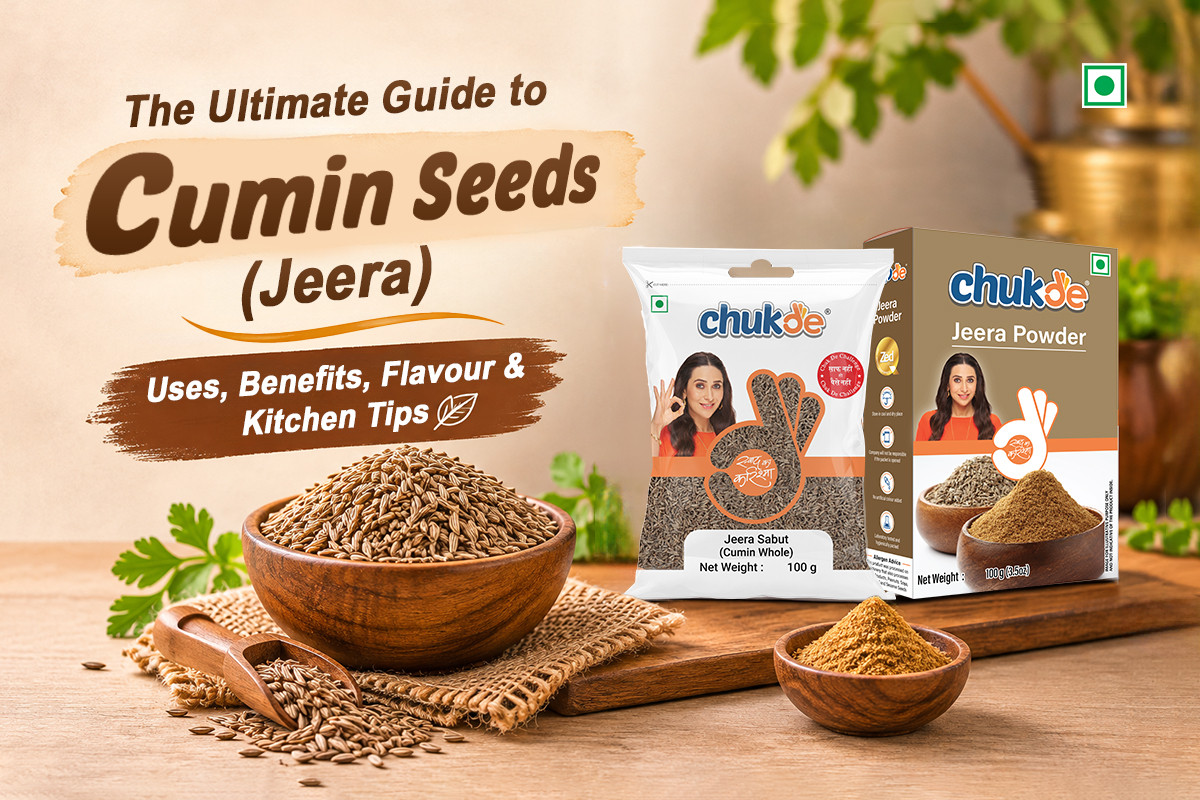
Explore whole cumin seeds (jeera), their flavour, culinary uses and storage tips. Learn how to roast, grind and use sabut jeera in everyday Indian cooking.
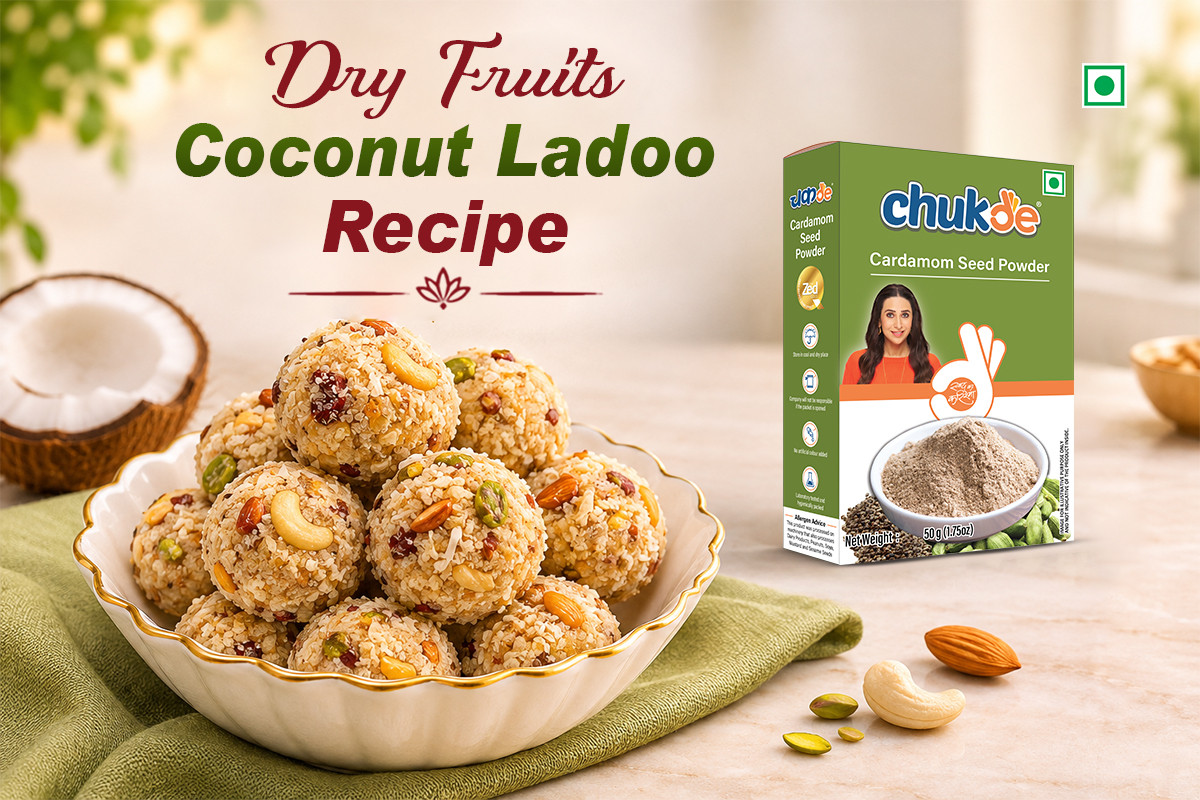
Make soft dry fruits coconut ladoo in just 20 minutes with desiccated coconut, condensed milk, roasted nuts and cardamom. An easy homemade festive sweet.
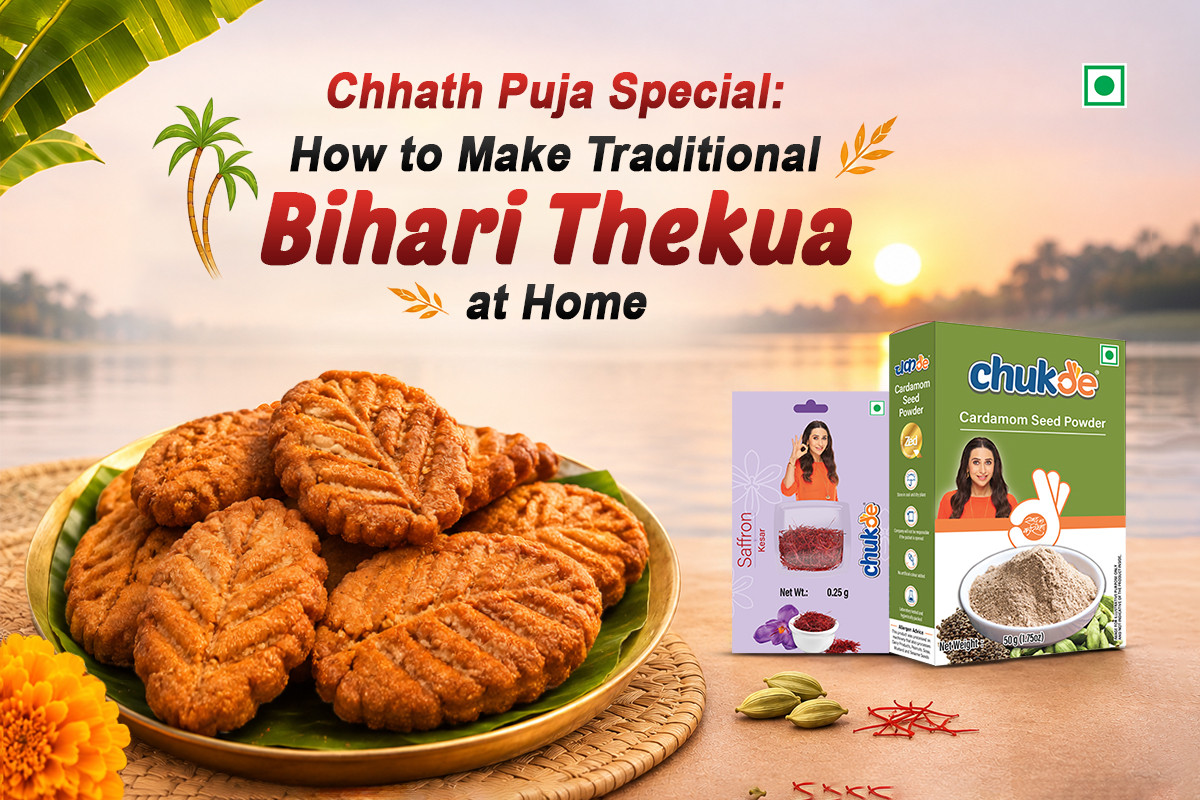
Learn how to make traditional Bihari thekua at home with wheat flour, jaggery, ghee, fennel and cardamom. Follow easy steps for a crispy Chhath Puja prasad.
<% quickViewcurrVar.entity.title %> (<% quickViewcurrVar.price.off %>)
<% formatCurr(quickViewcurrVar.price.regular, quickViewcurrVar.price.curr_info) %> <% formatCurr(quickViewcurrVar.price.sale, quickViewcurrVar.price.curr_info) %> (Inc. tax) (Ex. tax)
Description (SKU - <% quickViewcurrVar.sku %>)
 TBS points:
Tags & Categories:

Powered by Science

100% cruelty free

Made in India
 100% safe
checkout

Invalid Product!


Checkout in
& get 2% OFF