


 Cart


 <% cart_fragment.free_shipping_message %>free shipping


Hing Vs Garlic: Differences In Flavour, Uses & Digestion

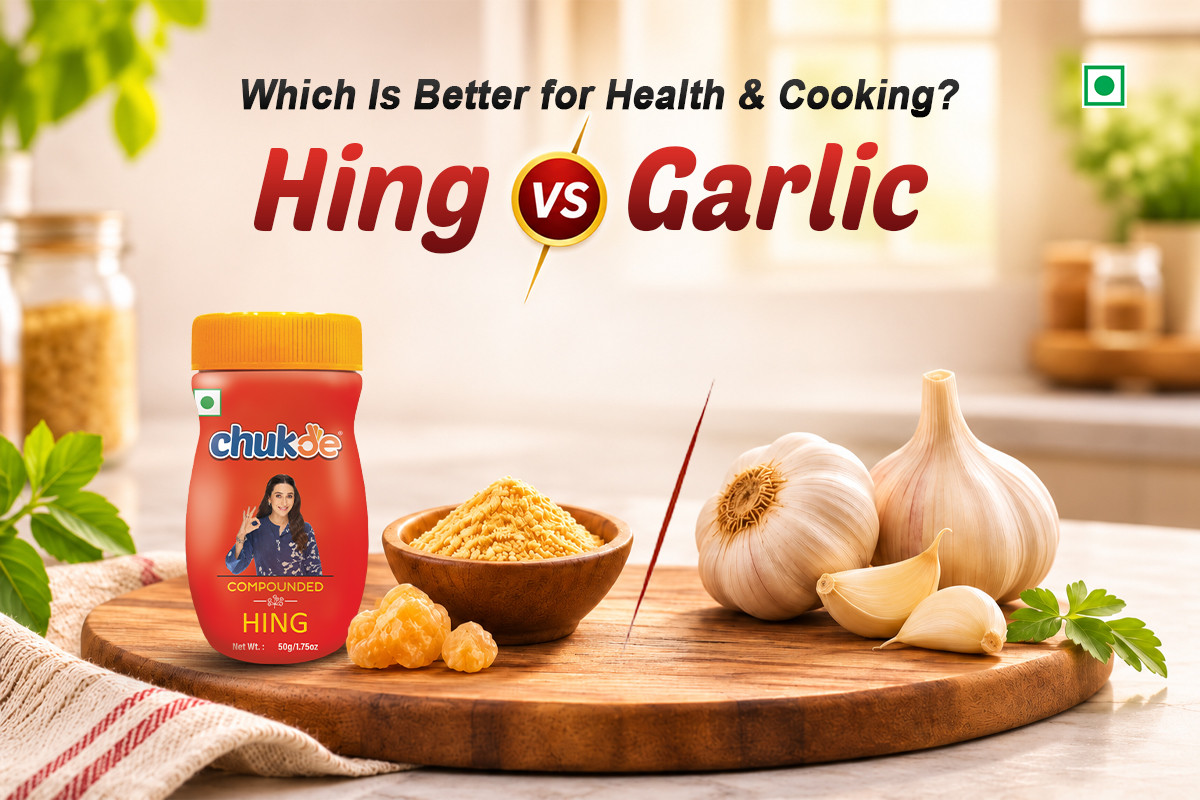
Many home cooks face the same kitchen question: should I reach for hing or garlic? Both add depth to Indian dishes, yet they behave differently in the pan and in the body. This guide compares hing vs garlic for flavour, digestion comfort, and everyday cooking so you can choose with confidence.
I have tested both spices across dozens of dals, sabzis, and temperings. The difference shows up clearly once you understand how each releases aroma and how your stomach responds.
Flavour and Aroma: How They Work in the Pan
Garlic delivers a sharp, direct punch. Raw, it is strong. When you sauté or roast it, the flavour turns sweeter and more rounded. It works well in marinades, stir-fries, and slow-cooked gravies where you want a bold presence.
Hing starts with a strong sulphurous smell. The moment you add a pinch to hot oil or ghee, the aroma softens into a savoury, allium-like note. It layers flavour without dominating other spices. In my experience, a tiny amount is enough for an entire pot of dal. Overdoing it can make the dish bitter, so measure carefully. For consistent results in daily cooking, many home cooks prefer Hing because the powder blooms evenly in tadka.
From practical kitchen observations, hing shines in tempering (tadka). The volatile oils release quickly in hot fat and settle into the dish within seconds. Garlic needs a bit more time and higher heat to mellow.
Digestion and Everyday Comfort
Many Indian households reach for hing when preparing lentil or bean dishes. It has long been used as a carminative spice that helps ease gas and heaviness after meals. Garlic contains fructans that can trigger bloating in some people, especially those sensitive to FODMAPs or following low-allum diets. According to Healthline’s overview on asafoetida, hing is often noted for traditional digestive support in Indian cooking.
I’ve personally found that recipes relying only on garlic sometimes leave guests uncomfortable after a heavy meal, while the same dish tempered with hing feels lighter. This is not a medical claim—just a consistent pattern across home cooking and recipe testing.
Garlic still offers strong flavour and is widely used for its distinctive taste. The choice depends on the dish and the people eating it.
When to Choose Hing or Garlic
Use hing when:
- You cook for Jain or satvik preferences
- The recipe includes dals, rajma, or chana
- You want subtle flavour layering without chopping
- Guests report sensitivity to garlic
Use garlic when:
- The dish needs bold, savoury depth
- You are making pastas, marinades, or roasted vegetables
- Texture from minced or sliced garlic adds value
Many traditional recipes combine both. A small pinch of hing in the tadka plus a clove or two of garlic creates fuller flavour. The hing provides background savouriness while garlic adds its characteristic note. For a classic tadka base, pair hing with Jeera Sabut — the combination releases aroma beautifully.
Simple Substitution Guide
- If a recipe calls for garlic and you prefer hing:
- 1 medium clove of garlic ≈ ⅛ teaspoon hing powder
- Always bloom hing in hot oil or ghee for 5–10 seconds
- Do not let it burn—bitter notes appear quickly
I’ve used this ratio successfully in everyday sabzis and rice dishes. Adjust slightly based on the brand of hing and your taste. You can also explore other whole spices such as Tej Patta to build deeper flavour layers in the same tempering.
Quick Kitchen Checklist
- Store hing in an airtight container away from moisture and heat
- Keep garlic in a cool, dry place with good air flow
- Add hing early in the tempering process
- Add garlic a little later if you want milder flavour
- Taste as you go—both spices are potent
Comparison at a Glance
|
Aspect |
Hing (Asafoetida) |
Garlic |
|
Flavour strength |
Strong aroma, mellows in oil |
Bold, becomes sweeter when cooked |
|
Quantity needed |
Pinch |
Several cloves |
|
Digestion comfort |
Often preferred for dals |
Can cause gas in sensitive people |
|
Prep time |
Instant |
Peeling and chopping required |
|
Best for |
Tadka, low-allium cooking |
Marinades, roasted dishes, gravies |
Practical Tips from Recipe Testing
While testing recipes, I noticed that hing performs best when the oil is properly hot. Cold oil mutes the aroma. Garlic benefits from a slightly lower heat if you want to avoid browning too fast. Both spices lose intensity if stored poorly, so airtight containers matter for whole spices and ground forms alike. For a ready tadka mix that already balances several whole spices, check Punjabi Tadka Mix.
Regional Indian cooking often relies on hing in South Indian and Gujarati kitchens, while garlic appears more freely in North Indian and coastal styles. Understanding these patterns helps you match the spice to the dish. For more traditional usage notes, see Tarla Dalal’s hing glossary.
Final Thoughts
Hing and garlic each bring unique strengths to the kitchen. Hing offers quick aroma release and suits digestion-sensitive or low-allium cooking. Garlic provides bold flavour and works across many global and Indian recipes. The better choice depends on the meal, the guests, and the result you want.
Try both in the same tadka sometime. You may discover a flavour combination that becomes a regular part of your cooking. Explore more spice ideas and recipes on the Chukde website and see which combinations work best in your kitchen. Start with quality hing for everyday cooking and build from there.
Disclaimer: This article shares culinary observations and traditional kitchen practices. It is not medical advice. Consult a qualified professional for personal dietary concerns.
Related articles
Explore whole cumin seeds (jeera), their flavour, culinary uses and storage tips. Learn how to roast, grind and use sabut jeera in everyday Indian cooking.
Make soft dry fruits coconut ladoo in just 20 minutes with desiccated coconut, condensed milk, roasted nuts and cardamom. An easy homemade festive sweet.
Learn how to make traditional Bihari thekua at home with wheat flour, jaggery, ghee, fennel and cardamom. Follow easy steps for a crispy Chhath Puja prasad.
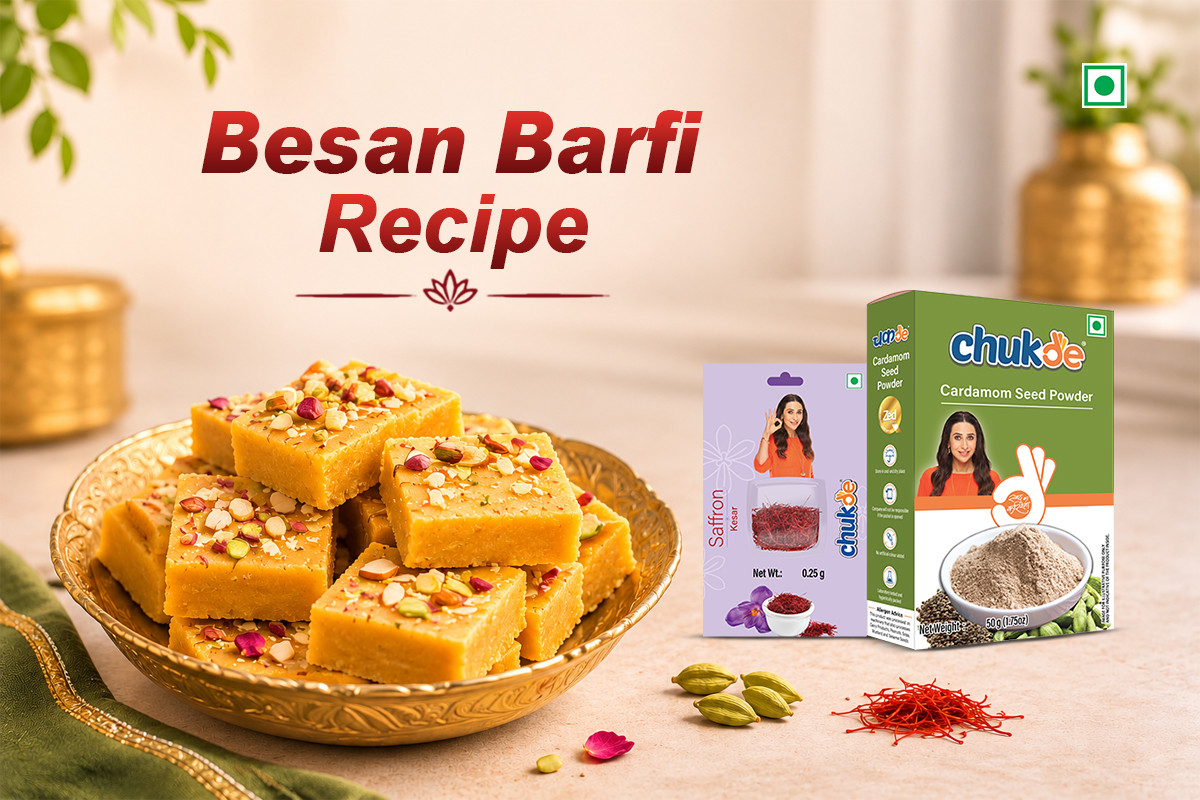
Learn how to make soft, grainy besan barfi at home with simple steps, perfect chasni, and practical tips for that classic halwai texture.
<% quickViewcurrVar.entity.title %> (<% quickViewcurrVar.price.off %>)
<% formatCurr(quickViewcurrVar.price.regular, quickViewcurrVar.price.curr_info) %> <% formatCurr(quickViewcurrVar.price.sale, quickViewcurrVar.price.curr_info) %> (Inc. tax) (Ex. tax)
Description (SKU - <% quickViewcurrVar.sku %>)
 TBS points:
Tags & Categories:

Powered by Science

100% cruelty free

Made in India
 100% safe
checkout

Invalid Product!


Checkout in
& get 2% OFF