


 Cart


 <% cart_fragment.free_shipping_message %>free shipping


The Ultimate Guide To Cumin Seeds (Jeera) – Uses, Benefits, Flavour & Kitchen Tips

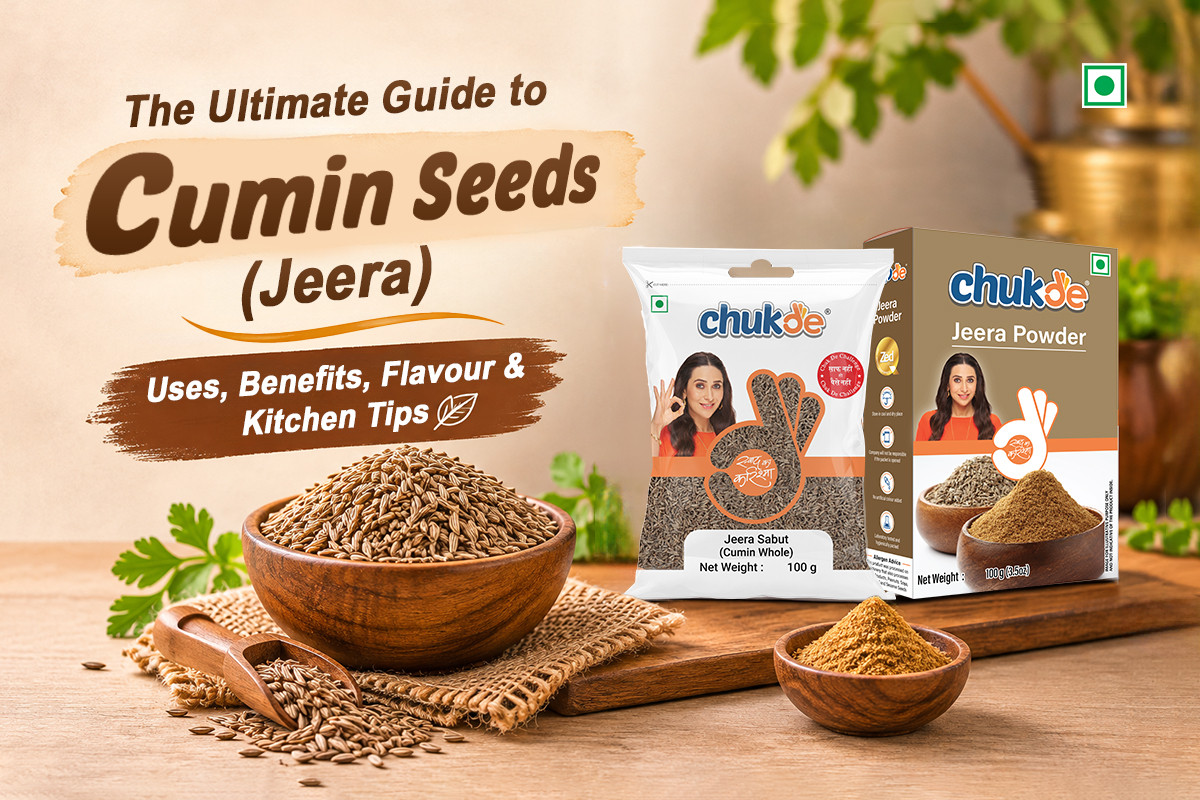
Whole cumin seeds, known as jeera or sabut jeera across India, fit in almost every spice box. The moment you drop a teaspoon of whole cumin seeds into hot oil or ghee, the kitchen fills with that warm, earthy aroma that signals the start of dal, sabzi, jeera rice or aloo jeera.
Many home cooks use whole cumin seeds daily yet still wonder: what do whole cumin seeds taste like, should cumin seeds be eaten whole or ground, how to use whole cumin seeds in cooking, how long can you store whole cumin seeds, and where to buy whole cumin seeds of good quality. This guide from Chukde Spices answers those questions and covers everything from choosing and storing sabut jeera to grinding it, making jeera water, and using it in everyday Indian recipes.
What Are Whole Cumin Seeds (Jeera)?
Whole cumin seeds come from the plant Cuminum cyminum. The small, elongated, brown seeds have fine ridges and a warm, slightly bitter, nutty taste. In Indian kitchens they form the base of most tempering, also called tadka or baghar.
India remains one of the largest producers of cumin. Gujarat and Rajasthan account for the major share of the crop. For botanical background, you can refer to the detailed Wikipedia entry on Cuminum cyminum.
Regional names help when shopping or reading recipes:
- Hindi: जीरा (Jeera) / Sabut Jeera
- Gujarati: જીરું (Jeeru)
- Marathi: जिरं (Jira)
- Tamil: சீரகம் (Seeragam)
- Telugu: జీలకర్ర (Jeelakarra)
- Kannada: ಜೀರಿಗೆ (Jeerige)
Types of Cumin Seeds: Whole, Ground & Shahi Jeera
Whole cumin seeds (sabut jeera) are the standard brown seeds you use mainly for tadka and rice. For consistent quality and strong aroma, many home cooks prefer whole cumin seeds that stay crisp and fragrant.
Cumin powder (jeera powder) is convenient for spice blends, marinades and raita. A ready-to-use option like Jeera Powder saves time on busy days while retaining good flavour.
Black cumin, or shahi jeera (also called shah jeera), is smaller, darker and more delicate; chefs often reserve it for biryani and richer gravies. Do not treat it as a direct substitute for regular jeera in everyday tadka. When a recipe specifically calls for it, look for Shah Jeera (black cumin).
Whole Cumin Seeds vs Ground Cumin: Which Should You Use?
One of the most common questions is: should cumin seeds be eaten whole or ground? Both forms have their place. Whole cumin seeds release aroma slowly when heated and give a brighter, fresher flavour when freshly ground. Ground cumin is convenient but loses intensity faster.
|
Feature |
Whole Cumin Seeds |
Ground Cumin |
|
Aroma release |
Slow, when heated or crushed |
Immediate |
|
Shelf life |
Longer (2–4 years with good storage) |
Shorter (best within 1–2 years) |
|
Best use |
Tadka, jeera rice, aloo jeera, slow-cooked dishes |
Spice mixes, marinades, finishing |
|
Texture |
Occasional crunch |
Smooth |
|
Flavour intensity |
Brighter when freshly ground |
Milder if stored long |
In daily cooking, keeping both forms works best. Whole seeds go into the tadka pan; a small jar of Chukde Spices jeera powder handles quick jobs like marinades or raita.
How to Use Whole Cumin Seeds in Cooking
Learning how to use whole cumin seeds in cooking is simple once you understand tempering. First, heat 1–2 teaspoons of oil or ghee in a small pan over medium heat. Next, add ½–1 teaspoon whole cumin seeds. Wait for them to sizzle and darken slightly—usually 10–20 seconds. Immediately add the next ingredients so the seeds do not burn.
Classic uses include:
- Jeera rice – fry whole cumin seeds first, then add soaked rice and water
- Aloo jeera – temper the seeds, add boiled potatoes and finish with coriander
- Dal tadka – the classic combination of whole cumin seeds with hing
- Roasted cumin powder – dry-roast whole cumin seeds until fragrant, cool completely and grind for chaat, raita or buttermilk
While testing recipes, lightly crushing a few seeds in a mortar before adding them to hot oil gives a brighter aroma without turning the dish gritty. Pairing jeera with a pinch of Hing (asafoetida) in the tadka is a classic combination that lifts dals and sabzis beautifully. For ready roasted flavour, you can also keep Bhuna Jeera on hand for chaat and raita.
How to Grind Whole Cumin Seeds
Can you grind whole cumin seeds at home? Yes, and it is one of the best ways to get maximum flavour. You can grind whole cumin seeds in a mortar and pestle, a small spice grinder, or a clean coffee grinder. For the brightest aroma, dry-roast the seeds lightly first, let them cool completely, then grind. Use the powder soon after grinding for the best results. Many cooks keep a small batch of freshly ground jeera powder for raita, chaat and finishing dishes. When you need convenience without losing quality, Chukde Spices jeera powder is a reliable everyday option.
What Do Whole Cumin Seeds Taste Like & Can You Eat Them Whole?
What do whole cumin seeds taste like? They have a warm, earthy, slightly bitter and nutty flavour with a distinctive aroma that becomes more pronounced when toasted or fried in oil. Can you eat cumin seeds whole? Yes. In many Indian households people chew a few whole cumin seeds after meals as a simple digestive aid, or add them to buttermilk and jeera water. Eating them whole is safe in normal culinary amounts.
Jeera Water – Simple Home Use
Jeera water remains a popular home preparation. Boil a teaspoon of whole cumin seeds in water, strain and drink. Many people prepare jeera water in the morning or after meals. Traditional use focuses on digestion support. As with any home remedy, individual responses vary and it is not a substitute for medical advice.
How Long Can You Store Whole Cumin Seeds?
Proper storage makes a big difference. Transfer whole cumin seeds to an airtight glass or steel jar after opening. Keep the jar away from the stove, direct sunlight and steam. Always use a dry spoon. Label the jar with the purchase month and buy quantities you can finish in a few months for best results.
From practical kitchen observations, whole cumin seeds stored this way retain usable aroma for well over a year. Ground cumin benefits from smaller packs and is best used within 1–2 years. Keeping both Chukde Spices Jeera Sabut and a small pack of jeera powder covers most daily cooking needs.
Common Mistakes to Avoid
- Adding whole cumin seeds to oil that is not hot enough – they will not crackle properly.
- Burning the seeds by leaving them too long in the pan – this ruins the flavour.
- Using old, faded powder – you miss the depth you expect from good jeera.
- Swapping shahi jeera for regular whole cumin seeds in simple everyday tadka – the flavour profile is different.
At Chukde Spices we focus on whole spices so that everyday tadka, jeera rice and aloo jeera taste the way they should – fragrant and fresh.
Disclaimer: The nutrition and traditional-use information is for general knowledge. Individual dietary needs vary. Consult a qualified professional for personal health advice.
Related articles
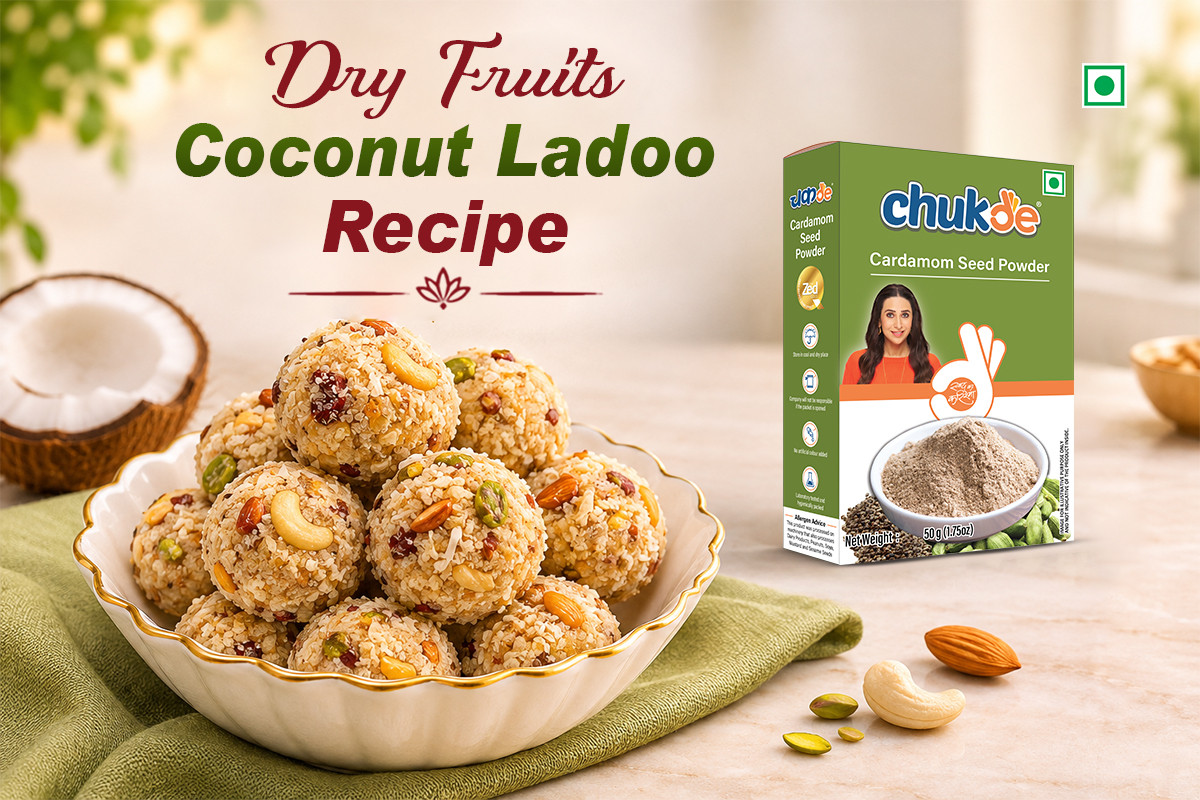
Make soft dry fruits coconut ladoo in just 20 minutes with desiccated coconut, condensed milk, roasted nuts and cardamom. An easy homemade festive sweet.

Learn how to make traditional Bihari thekua at home with wheat flour, jaggery, ghee, fennel and cardamom. Follow easy steps for a crispy Chhath Puja prasad.
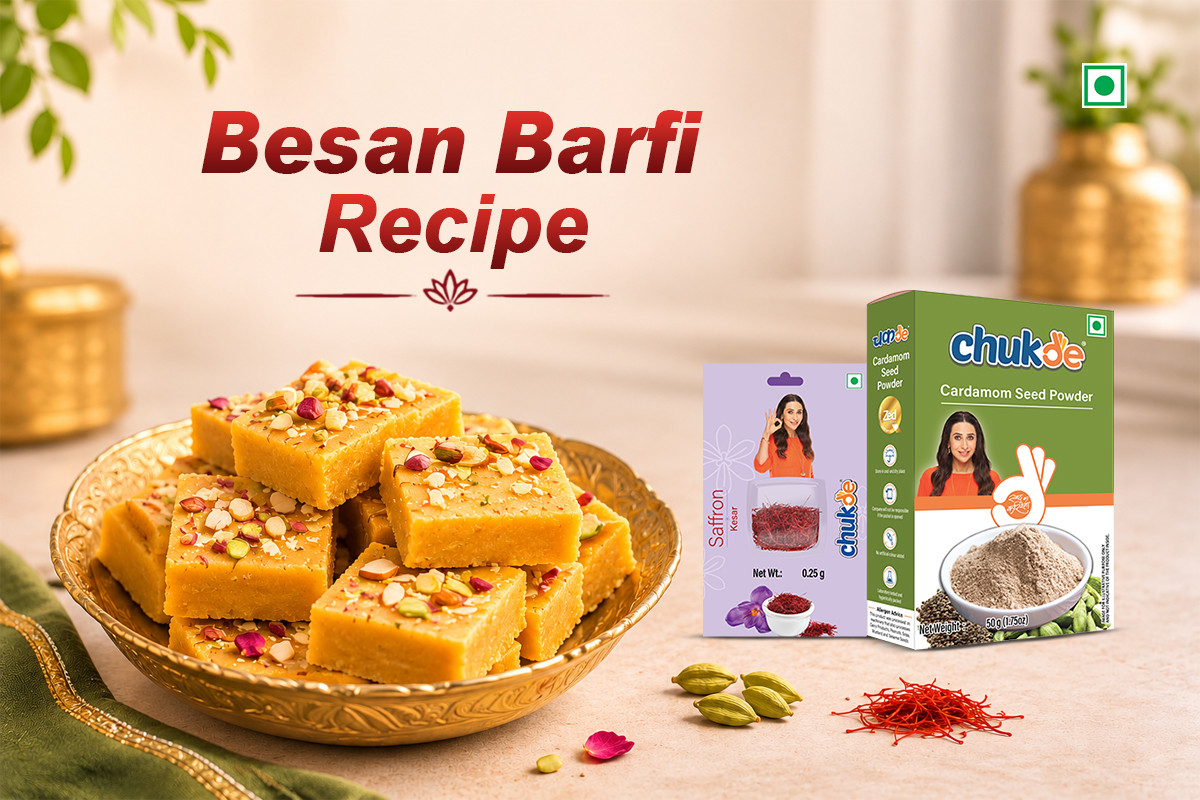
Learn how to make soft, grainy besan barfi at home with simple steps, perfect chasni, and practical tips for that classic halwai texture.
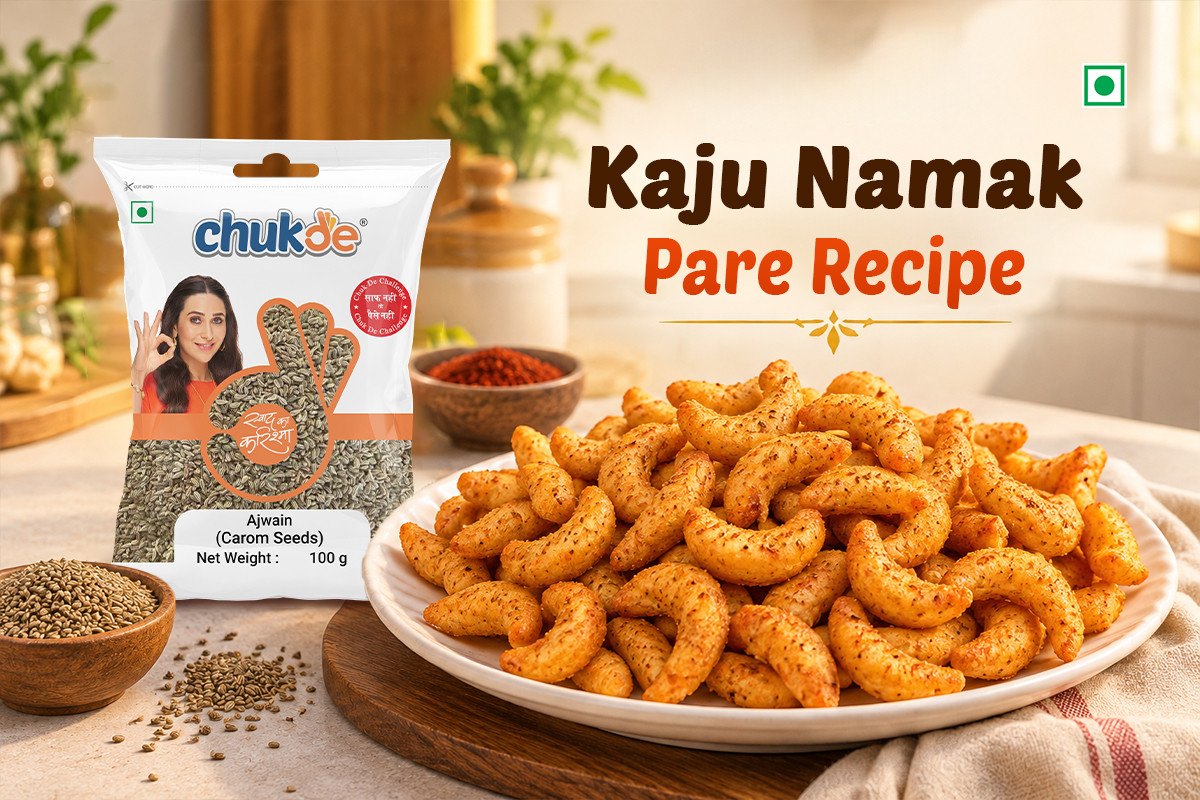
Make crispy kaju namak pare at home with a stiff dough, cashew-shaped cuts and a chatpata masala coating. An easy Diwali snack to enjoy with chai.
<% quickViewcurrVar.entity.title %> (<% quickViewcurrVar.price.off %>)
<% formatCurr(quickViewcurrVar.price.regular, quickViewcurrVar.price.curr_info) %> <% formatCurr(quickViewcurrVar.price.sale, quickViewcurrVar.price.curr_info) %> (Inc. tax) (Ex. tax)
Description (SKU - <% quickViewcurrVar.sku %>)
 TBS points:
Tags & Categories:

Powered by Science

100% cruelty free

Made in India
 100% safe
checkout

Invalid Product!


Checkout in
& get 2% OFF