


 Cart


 <% cart_fragment.free_shipping_message %>free shipping


The Tiny Spice That Transforms Your Food & Digestion: The Secret Of Hing

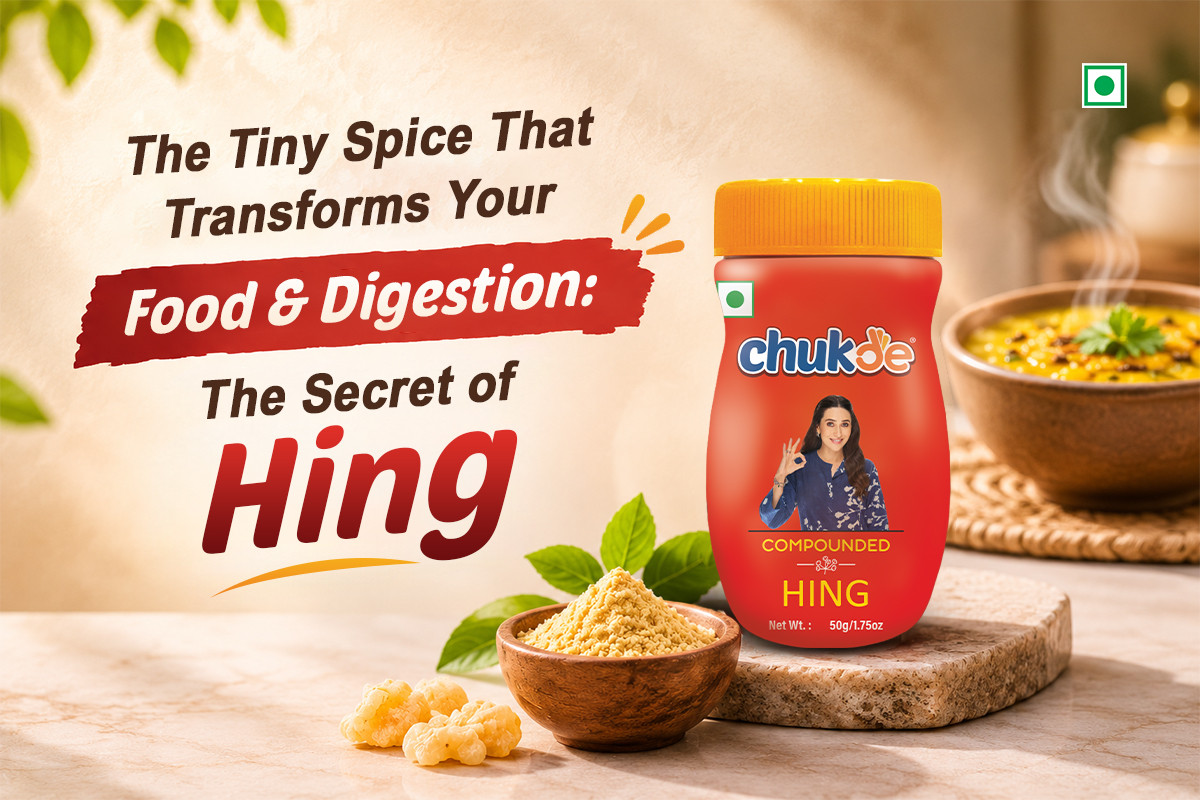
Have you ever opened a packet of hing and wondered how something that smells so strong can make food taste better? Many home cooks keep hing in their spice box yet use it hesitantly. A pinch added at the right time changes the entire character of dal, kadhi, or sabzi. At the same time, generations of Indian kitchens have relied on hing benefits for lighter digestion after meals rich in lentils and beans.
This guide explains what hing actually is, how it works in cooking, the practical ways it supports digestion, and the exact method to use it so the flavour blooms instead of turning bitter. You will also find common mistakes, a simple comparison, and a storage checklist you can follow today.
What Exactly Is Hing?
Hing, also called asafoetida, is the dried resin collected from the roots of Ferula plants that grow mainly in Iran, Afghanistan, and parts of Central Asia. In Indian kitchens we rarely use the raw resin. Instead we use compounded hing powder — resin mixed with edible gum and flour so it becomes easy to measure and store.
When raw, the smell is sharp and sulphurous. Once it meets hot oil or ghee, the harsh notes disappear and a savoury, almost onion-garlic aroma develops. This transformation is why hing remains a quiet but powerful player in everyday Indian cooking.
In my experience working with spice blends and testing recipes, the difference between good and average tadka often comes down to how and when hing is added. A well-bloomed pinch lifts the whole dish without announcing itself. For consistent results at home, many cooks prefer a reliable Chukde Spices Hing that delivers steady aroma every time.
Why Indian Kitchens Depend on Hing
Hing does three important jobs in cooking:
- It creates depth and umami in vegetarian dishes that lack onion or garlic.
- It helps spices blend smoothly during tempering.
- It is traditionally added to dals, beans, and curd-based preparations that many people find heavy.
Regional cooking shows its versatility clearly. In Gujarat it appears in kadhi and undhiyu. In South India it is essential in sambar and rasam. In North Indian homes it goes into dal tadka, aloo sabzi, and many pickles. Jain and Satvik cooking rely on it heavily as a flavour bridge when onion and garlic are avoided.
According to the Spices Board of India, asafoetida has long been recognised as an important spice in Indian culinary tradition, valued both for flavour contribution and traditional digestive use.
Hing Benefits for Digestion – What Experience and Tradition Show
The most talked-about hing benefits centre around digestion. Traditional Indian cooking practice adds hing to lentils, chickpeas, and rajma because these foods can cause gas and heaviness for many people.
From practical kitchen observations, meals that include a proper hing tadka often feel lighter. The spice appears to help the body handle complex carbohydrates in pulses more comfortably. Limited modern studies have looked at asafoetida for indigestion and IBS-related discomfort, but the evidence is still early and mostly traditional in nature.
Important points to remember:
- Benefits come from regular use of small amounts in food, not large doses.
- Hing is warming in nature, so it suits winter cooking and heavy meals.
- Overuse can create the opposite effect and make food bitter.
Always treat hing as a culinary ingredient first. Any digestive support is secondary and works best as part of overall balanced eating. For more background on traditional spice uses, you can also refer to resources from the Food Safety and Standards Authority of India (FSSAI).
How to Use Hing Correctly – A Simple Kitchen Framework
The biggest mistake people make is adding hing at the wrong time or in the wrong quantity. Follow this method for consistent results:
- Heat 1–2 teaspoons of ghee or oil in a small pan until it is properly hot but not smoking.
- Add a small pinch of hing powder (for a family of four, roughly 1/8 teaspoon is usually enough).
- Let it sizzle for 3–5 seconds. You will notice the sharp smell change into a pleasant aroma.
- Immediately add cumin seeds (jeera sabut), mustard seeds, or curry leaves as per the recipe.
- Pour the tempered mixture over the prepared dal, kadhi, or sabzi.
This short blooming step releases the volatile oils and prevents bitterness. Adding hing at the end of cooking or sprinkling it dry rarely gives the same result. Pairing hing with good quality rai (mustard seeds) creates the classic tadka base that most Indian households recognise.
Common Dishes That Benefit from Hing
- Dal tadka and everyday toor dal
- Gujarati or Punjabi kadhi
- Mixed vegetable sabzis and aloo preparations
- Sambar and rasam
- Certain pickles and chutneys (very sparingly)
Hing vs Onion & Garlic – Quick Comparison
Here is a simple side-by-side view that helps home cooks decide when hing works best:
|
Aspect |
Hing |
Onion / Garlic |
|
Flavour style |
Savoury, umami, subtle when cooked |
Strong, pungent, sweet when fried |
|
Quantity needed |
Tiny pinch |
Tablespoons |
|
Jain / Satvik use |
Fully allowed |
Usually avoided |
|
Digestive tradition |
Added to reduce heaviness |
Can increase gas for some people |
|
Storage |
Needs airtight container |
Fresh or refrigerated |
|
Cooking stage |
Early tempering |
Sautéing base |
Hing does not replace onion and garlic completely, but it offers a useful alternative when those ingredients are not preferred.
Mistakes That Ruin Hing Flavour
- Using too much – the dish turns bitter and medicinal.
- Adding it to cold oil – the aroma never develops properly.
- Storing it in a regular spice box without a tight lid – the smell spreads to everything.
- Buying hing that has been sitting open in a market for months – freshness matters for aroma release.
Practical Storage Checklist
Keep hing effective for longer with these simple habits:
- Transfer the powder into a small glass bottle with a tight lid immediately after opening.
- Store away from direct heat and moisture.
- Keep the bottle inside another container if you notice the smell escaping.
- Check the colour and aroma every few months. Fresh hing should still have a sharp but clean smell when you open it.
- Buy smaller packs if you cook for only one or two people.
Moisture and air are the two biggest enemies of ground spices. Good airtight storage protects both flavour and shelf life.
Final Thoughts on Everyday Use
Hing is one of those Indian spices that works quietly in the background. When used correctly, it improves flavour layering and makes many everyday meals feel lighter. The key is restraint, proper tempering, and consistent storage.
If you have been keeping hing in your kitchen but using it only occasionally, try adding a well-bloomed pinch to your next dal or kadhi. Notice the difference in both taste and how the meal sits.
Explore the range of whole and ground spices available at Chukde and experiment with small changes in your daily tadka. Good cooking is often about these tiny, thoughtful details. Start with a fresh pack of Chukde Spices Hing and experience the difference a correctly bloomed pinch can make.
Disclaimer: This article is for general culinary and educational information. It is not medical advice. Individual responses to spices can vary. Consult a qualified professional for any specific health concerns.
Frequently Asked Questions
How much hing should I use in cooking?
A small pinch (about 1/8 teaspoon) is usually enough for a family-sized dish. Too much makes the food bitter.
Can hing help with gas and bloating?
Traditional Indian cooking adds hing to lentils and beans for this reason. Many people notice meals feel lighter, though individual results vary.
Is hing the same as asafoetida?
Yes. Hing is the common Indian name for asafoetida, the resin obtained from Ferula plant roots.
How should I store hing powder?
Keep it in a small airtight glass bottle, away from heat and moisture. The strong aroma can otherwise affect other spices.
Can I use hing if I avoid onion and garlic?
Yes. Hing is widely used in Jain and Satvik cooking as a flavour alternative when onion and garlic are not added.
About the Author
The Chukde content team works closely with Indian spices, recipe testing, and everyday home cooking practices. Drawing from practical kitchen trials and product knowledge across whole spices, ground spices, and masala blends, the team focuses on clear, usable guidance that helps home cooks get better results with simple techniques and proper spice handling.
Related articles
Discover how to use Kashmiri Lal Mirch Powder for rich colour and balanced heat. Learn what to check before buying and how to store it for freshness.
Learn what sendha namak (rock salt) is, its common uses in cooking and fasting, realistic benefits, and side effects. Practical tips for Indian kitchens.
Compare hing vs garlic for flavour, cooking uses and digestion comfort. Discover their differences, substitution tips and the best ways to use them in Indian recipes.
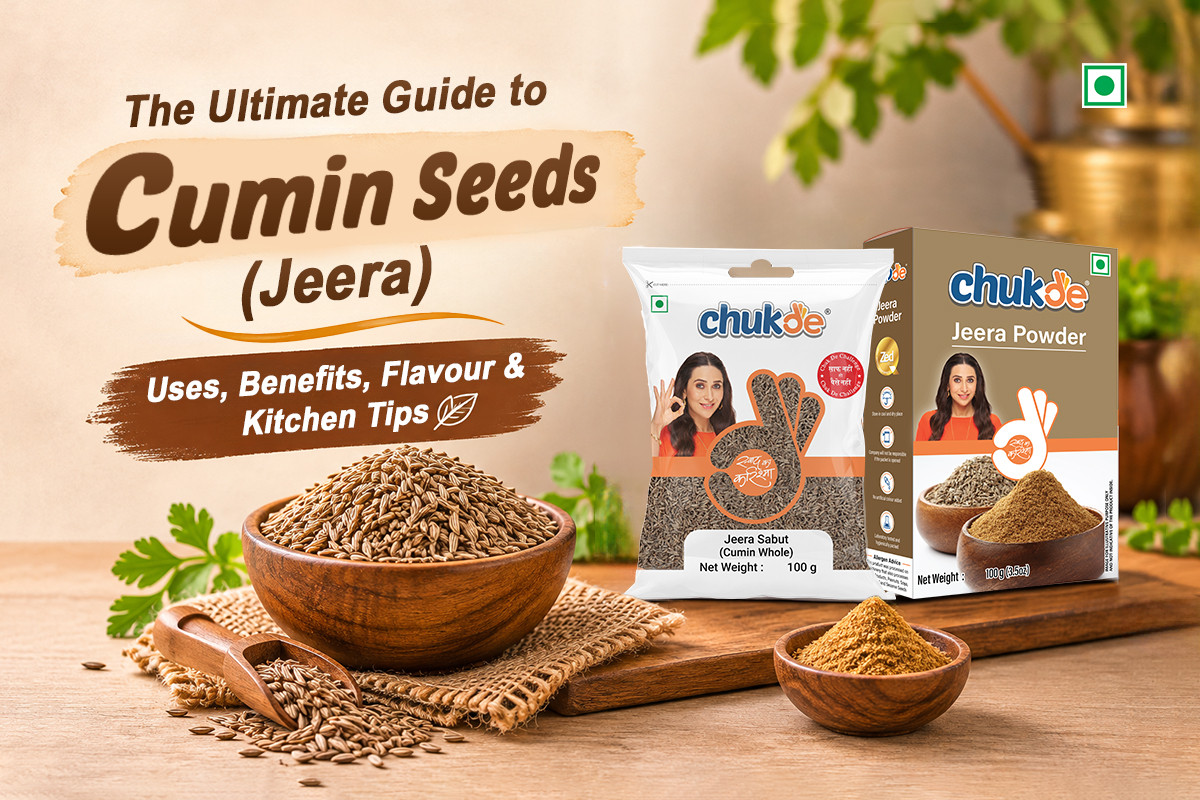
Explore whole cumin seeds (jeera), their flavour, culinary uses and storage tips. Learn how to roast, grind and use sabut jeera in everyday Indian cooking.
<% quickViewcurrVar.entity.title %> (<% quickViewcurrVar.price.off %>)
<% formatCurr(quickViewcurrVar.price.regular, quickViewcurrVar.price.curr_info) %> <% formatCurr(quickViewcurrVar.price.sale, quickViewcurrVar.price.curr_info) %> (Inc. tax) (Ex. tax)
Description (SKU - <% quickViewcurrVar.sku %>)
 TBS points:
Tags & Categories:

Powered by Science

100% cruelty free

Made in India
 100% safe
checkout

Invalid Product!


Checkout in
& get 2% OFF