


 Cart


 <% cart_fragment.free_shipping_message %>free shipping


Kashmiri Lal Mirch Powder: Benefits, Uses & Quality Checks

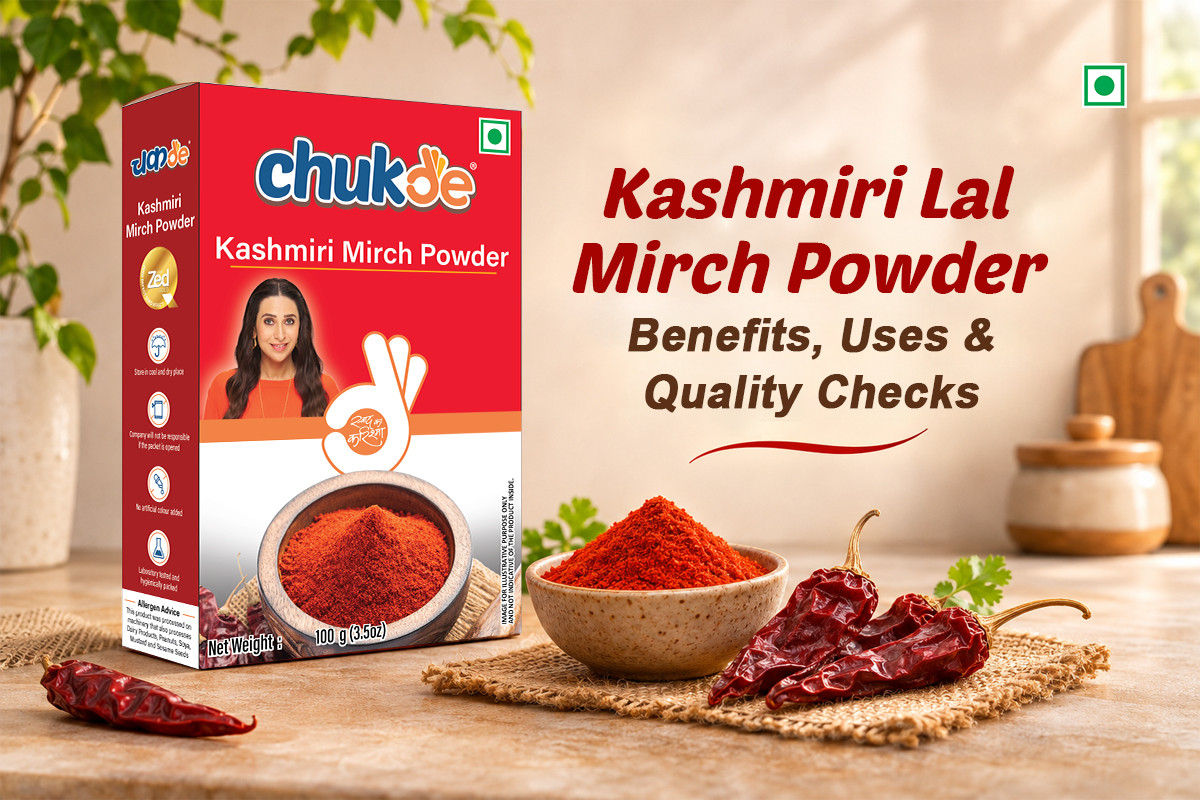
Kashmiri Lal Mirch Powder has become a favourite in Indian kitchens for one simple reason: it gives dishes a deep red colour with only mild heat. Many home cooks reach for regular Lal Mirch Powder and end up with more spice than colour. Kashmiri Lal solves that problem.
In this guide you will learn the real benefits of Kashmiri Lal Mirch Powder, the best ways to use it in everyday cooking, simple quality checks, and smart storage tips that keep the colour and aroma intact.
Why Kashmiri Lal Mirch Powder Stands Out
Kashmiri Lal comes from chillies grown mainly in the Kashmir Valley and nearby regions. These chillies are known for high natural colour pigments and lower heat levels compared with hotter varieties such as Guntur or regular red chillies. According to information from the Spices Board of India, regional chilli varieties differ significantly in colour strength and pungency.
From practical kitchen observations, I have found that half to one teaspoon of good Kashmiri Lal Mirch Powder is usually enough to colour a family-sized curry without making it too spicy. That balance makes it useful for both adults and children who prefer milder food.
Key Benefits of Kashmiri Lal Mirch Powder
- Rich natural colour: The powder adds a deep brick-red or crimson shade that looks attractive in gravies, marinades, and rice dishes.
- Mild heat level: It sits lower on the heat scale than most red chilli powders, so you can add colour without overwhelming the other spices.
- Better flavour layering: When used in tadka or mixed into yogurt marinades, it supports the overall aroma rather than dominating it.
- Versatile for home cooking: Works well in both North Indian and everyday regional recipes.
These points come from repeated testing in home kitchens and recipe development work, not laboratory claims.
Common Uses in Indian Cooking
Kashmiri Lal Mirch Powder fits easily into daily cooking. Here are the most practical applications:
In curries and gravies
Add it early with other ground spices so the colour spreads evenly. It works especially well in paneer dishes, butter chicken-style gravies, and simple onion-tomato bases. Pair it with coriander powder and cumin for balanced flavour.
In marinades
Mix with yogurt, ginger-garlic, and a pinch of salt. The mild heat does not overpower the meat or paneer, while the colour develops nicely during cooking or grilling.
In tadka and tempering
A small amount in hot oil or ghee with cumin or mustard seeds gives a quick colour lift to dals and sabzis. You can also add a pinch of jeera sabut for extra aroma.
In rice and biryani layers
A light sprinkle between rice layers helps create the signature reddish tint without adding sharp spice.
How to Choose Quality Kashmiri Lal Mirch Powder
Not every packet labelled “Kashmiri” delivers the same result. Use these simple checks:
- Look at the colour: Good powder shows a natural deep red, not an unusually bright or neon shade.
- Smell the powder: It should have a mild, slightly fruity or earthy aroma. A sharp chemical smell is a warning sign.
- Feel the texture: It should be fine and even. Excess grit can mean fillers.
- Check the packaging date and storage advice on the label.
- Prefer brands that clearly state the source region and processing method.
When buying, you can also look at whole chillies. Kashmiri Mirch Sabut gives you full control — lightly roast and grind at home for maximum freshness. Regular Lal Mirch Sabut is hotter and better suited when you specifically want more heat.
Quick Comparison: Kashmiri Lal vs Regular Lal Mirch Powder
|
Feature |
Kashmiri Lal Mirch Powder |
Regular Lal Mirch Powder |
|
Heat level |
Mild |
Medium to high |
|
Colour strength |
High |
Medium |
|
Best for |
Colour + mild flavour |
Heat-focused dishes |
|
Typical use quantity |
½–1 tsp per dish |
¼–½ tsp (adjust carefully) |
|
Suitability for kids |
Higher |
Lower |
This table reflects everyday kitchen experience rather than strict scientific ranking.
Storage Tips for Longer Shelf Life
Ground spices lose colour and aroma faster than whole spices. Follow these steps:
- Keep the packet or jar in a cool, dry cupboard away from the stove.
- Always close the lid tightly after use to control moisture.
- Avoid dipping wet spoons into the powder.
- Use within 6–8 months for best colour and flavour.
- If you buy in bulk, transfer a smaller quantity to a daily-use jar and store the rest sealed.
Proper airtight storage and moisture control make a noticeable difference in how long the powder keeps its vibrant look. Food safety guidelines from FSSAI also stress keeping spices dry and protected from heat and light.
Practical Cooking Tips
- Start with less powder and add more if needed. Colour develops further during cooking.
- Pair it with other ground spices such as coriander and cumin for balanced masala.
- For restaurant-style red gravies, combine a little Kashmiri Lal with a small amount of tomato puree.
- Toast whole Kashmiri chillies lightly and grind them at home if you want maximum freshness.
Conclusion
Kashmiri Lal Mirch Powder earns its place in the spice box because it solves a common kitchen problem: how to get attractive red colour without excessive heat. When you choose a good-quality powder, store it correctly, and use the right quantity, it improves both the look and balance of many Indian dishes.
Keep a jar of reliable Kashmiri Mirch Powder in your pantry and notice the difference in your next gravy or marinade. Explore the full range of ground spices and whole spices on the Chukde website to build a well-organised spice collection that supports everyday home cooking.
Frequently Asked Questions
What is the difference between Kashmiri Lal Mirch Powder and regular Lal Mirch Powder?
Kashmiri Lal Mirch Powder gives stronger colour with milder heat. Regular Lal Mirch Powder is usually hotter and may not deliver the same deep red shade.
How much Kashmiri Lal Mirch Powder should I use in a curry?
Start with half to one teaspoon for a family-sized dish. You can adjust based on the colour you want.
How should I store Kashmiri Lal Mirch Powder?
Store it in an airtight container in a cool, dry place away from direct heat and sunlight. Use within 6–8 months for best results.
Can I use Kashmiri Lal Mirch Powder for tandoori marinades?
Yes. It works very well in yogurt-based marinades because it adds colour without making the dish overly spicy.
Why does some Kashmiri chilli powder look brighter than others?
Colour depends on the chilli variety, growing conditions, drying method, and how the powder is processed and stored. Natural deep red is preferred over unusually bright shades.
Disclaimer: This article is for informational purposes only and shares practical kitchen observations. Always check product labels and follow standard food safety practices.
Related articles
Discover hing benefits, traditional uses and cooking tips. how asafoetida supports flavour in Indian dishes, also use it in tadka and store it properly.
Learn what sendha namak (rock salt) is, its common uses in cooking and fasting, realistic benefits, and side effects. Practical tips for Indian kitchens.

Compare hing vs garlic for flavour, cooking uses and digestion comfort. Discover their differences, substitution tips and the best ways to use them in Indian recipes.
Explore whole cumin seeds (jeera), their flavour, culinary uses and storage tips. Learn how to roast, grind and use sabut jeera in everyday Indian cooking.
<% quickViewcurrVar.entity.title %> (<% quickViewcurrVar.price.off %>)
<% formatCurr(quickViewcurrVar.price.regular, quickViewcurrVar.price.curr_info) %> <% formatCurr(quickViewcurrVar.price.sale, quickViewcurrVar.price.curr_info) %> (Inc. tax) (Ex. tax)
Description (SKU - <% quickViewcurrVar.sku %>)
 TBS points:
Tags & Categories:

Powered by Science

100% cruelty free

Made in India
 100% safe
checkout

Invalid Product!


Checkout in
& get 2% OFF