


 Cart
Cart


 <% cart_fragment.free_shipping_message %>free shipping


Kashmiri Lal Mirch: What Makes It Special For Colour, Flavour & Indian Cooking?

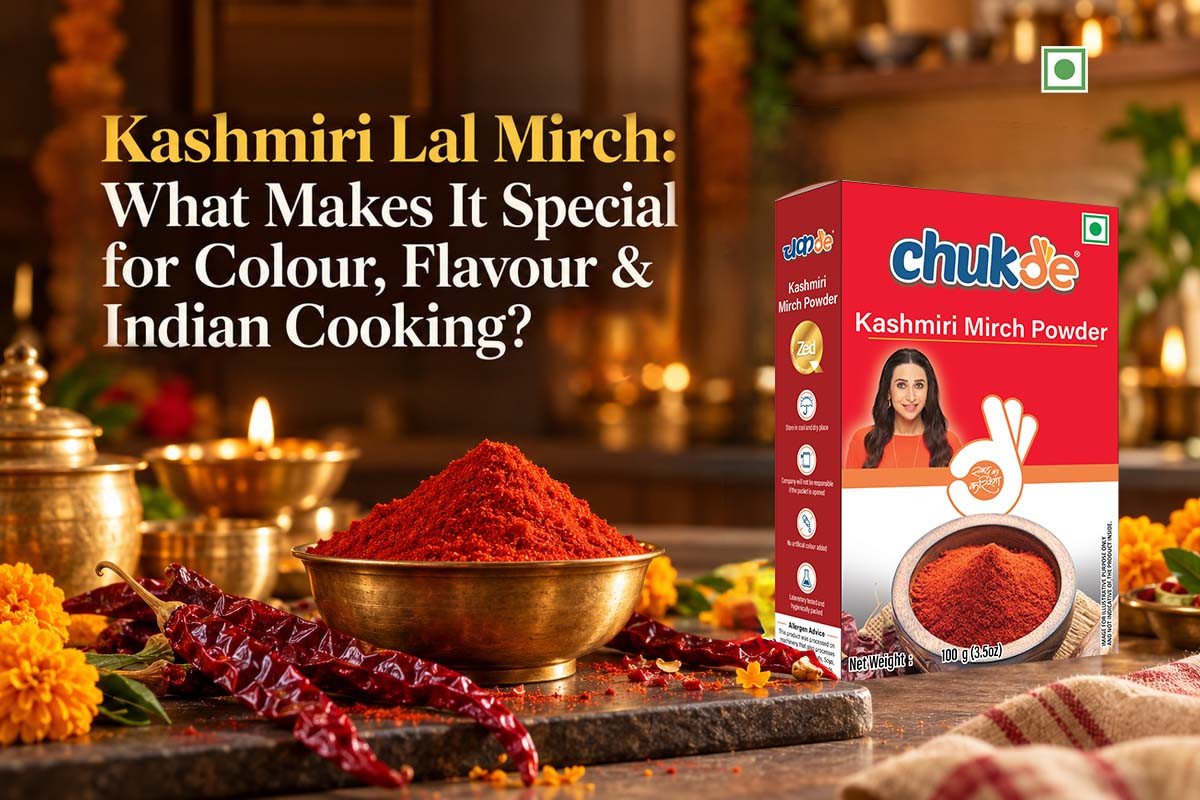
Ever wondered why restaurant-style butter chicken or paneer tikka has that deep red gravy without burning your tongue? The quiet hero behind that colour is often Kashmiri Lal Mirch.
Most home cooks use their regular red chilli powder out of habit. The result is food that turns out either too spicy or pale. Kashmiri Lal Mirch solves both problems at once. It delivers a rich scarlet colour with only mild heat, making it one of the most useful ground spices in an Indian kitchen.
In this guide you will learn exactly what makes Kashmiri Lal Mirch different, how to use it for better colour and flavour, common mistakes to avoid, and simple ways to keep it fresh. You can also explore ready-to-use options like Chukde Kashmiri Mirch Powder for consistent results at home.
What Exactly Is Kashmiri Lal Mirch?
Kashmiri Lal Mirch comes from a specific variety of red chilli grown mainly in Jammu & Kashmir and Himachal Pradesh. The chillies are dried and ground into a fine powder.
Unlike everyday lal mirch (often made from Guntur or similar hot varieties), Kashmiri chillies are bred more for pigment than for heat. The high natural carotenoid content, especially capsanthin, gives the powder its signature deep red colour even after cooking.
Heat level sits around 1,000–2,000 Scoville Heat Units. Regular red chilli powder usually ranges from 15,000 to 50,000+ SHU. That difference is why one teaspoon of Kashmiri Lal Mirch can transform a gravy’s appearance without making it aggressive.
From practical kitchen observations, many packets labelled “Kashmiri” on the market actually contain Byadgi chilli from Karnataka. Byadgi shares the same low-heat, high-colour profile, so the cooking result remains similar. For whole chillies you can also try Chukde Kashmiri Mirch Sabut and grind small batches as needed.
Kashmiri Lal Mirch vs Regular Red Chilli Powder
Here is a clear side-by-side look:
|
Feature |
Kashmiri Lal Mirch |
Regular Red Chilli Powder |
|
Heat (SHU) |
1,000–2,000 (mild) |
15,000–50,000+ (hot) |
|
Colour |
Deep bright scarlet |
Orange-red to dull brown |
|
Flavour |
Mild, slightly smoky, fruity |
Sharp, pungent |
|
Main job |
Colour + gentle flavour |
Heat |
|
Best for |
Butter chicken, tandoori, rogan josh |
Andhra curries, pickles, spicy stir-fries |
The smartest approach most restaurant kitchens follow is using both. Start with two parts Kashmiri Lal Mirch for colour and one part regular chilli powder for backbone heat. You can keep both Chukde Lal Mirch Sabut and Kashmiri varieties in your pantry for complete flexibility.
Why Colour Matters in Indian Cooking
Colour is not just about looks. A vibrant red gravy signals richness and care. When the colour looks flat, even a well-seasoned dish feels less inviting.
Kashmiri Lal Mirch releases its pigment best when bloomed in hot oil or ghee. The natural oils carry the colour evenly through the gravy. High heat, however, burns the powder and turns it dark and bitter. Always lower the flame before adding it.
In my experience testing home recipes, adding the powder during the tempering stage (tadka) gives the most even colour. Adding it late, after the gravy has thickened, leaves the colour sitting on the surface.
Practical Ways to Use Kashmiri Lal Mirch
Here are everyday applications that work well:
- Butter chicken & paneer butter masala: Gives the classic restaurant red without excess spice.
- Tandoori marinades: Mix with yoghurt, ginger-garlic and a little lemon for that glowing colour on paneer or chicken.
- Rogan josh: Traditional Kashmiri preparation relies on this chilli for both colour and mild warmth.
- Dal tadka: A small spoon during tempering lifts the look of everyday dal.
- Dry sabzis: A pinch in bhindi or aloo makes the dish look fresher on the plate.
- Spice blends: Combine with cumin, coriander and turmeric for homemade curry powders or BBQ rubs.
It also travels well beyond Indian food. A little Kashmiri Lal Mirch adds gentle colour to Mexican-style salsas, Middle Eastern kebabs or even tomato-based pasta sauces. For a ready ground option that works in all these dishes, keep Chukde Kashmiri Mirch Powder in your spice box.
How to Bloom Kashmiri Lal Mirch Correctly
- Heat oil or ghee on medium-low flame.
- Add the powder and stir for 10–15 seconds until the colour deepens and the aroma rises.
- Immediately add onions, tomatoes or other base ingredients so the powder does not burn.
- Continue cooking as usual.
This short step makes a visible difference in the final dish.
Storage Checklist for Longer Freshness
Ground spices lose colour and aroma faster than whole ones. Follow these simple steps:
- Keep Kashmiri Lal Mirch in an airtight glass or metal container.
- Store away from direct sunlight and heat (not above the stove).
- Always use a dry spoon.
- In humid weather, refrigerate the jar.
- Buy smaller packs if you cook less often.
Whole Kashmiri chillies last longer. You can grind small batches at home when needed. For more information on Indian spice quality and standards, refer to the Spices Board of India.
Common Mistakes to Avoid
- Using too much because it feels mild. Excess can still make the gravy bitter.
- Confusing it with deggi mirch. Deggi is slightly hotter and has a different tone.
- Add it at high heat. Burnt chilli powder ruins both colour and taste.
- Expecting it to replace hot chilli completely. It is a colour spice first.
Buying Tips for Home Cooks
Look for a bright, even red colour and a mild, pleasant aroma. Avoid powders that look dull or smell musty. Clear labelling of origin and packing date helps. Brands that list the chilli variety openly make it easier to choose the right product for colour-focused cooking.
Food labelling and quality guidelines are also available on the FSSAI website. Checking basic packaging information before buying is always a good habit.
Final Thoughts
Kashmiri Lal Mirch is not just another chilli powder. It is the practical solution for home cooks who want restaurant-style colour without aggressive heat. Used correctly during tempering, stored properly, and balanced with a little hotter chilli when needed, it upgrades everyday Indian cooking in a noticeable way.
Keep a jar of good Kashmiri Lal Mirch in your spice box and try it in your next butter chicken or dal tadka. The difference in colour and mild flavour will speak for itself. Explore Chukde Kashmiri Mirch Powder and other whole spices on the Chukde website, and share your favourite way of using it in the comments.
Related articles
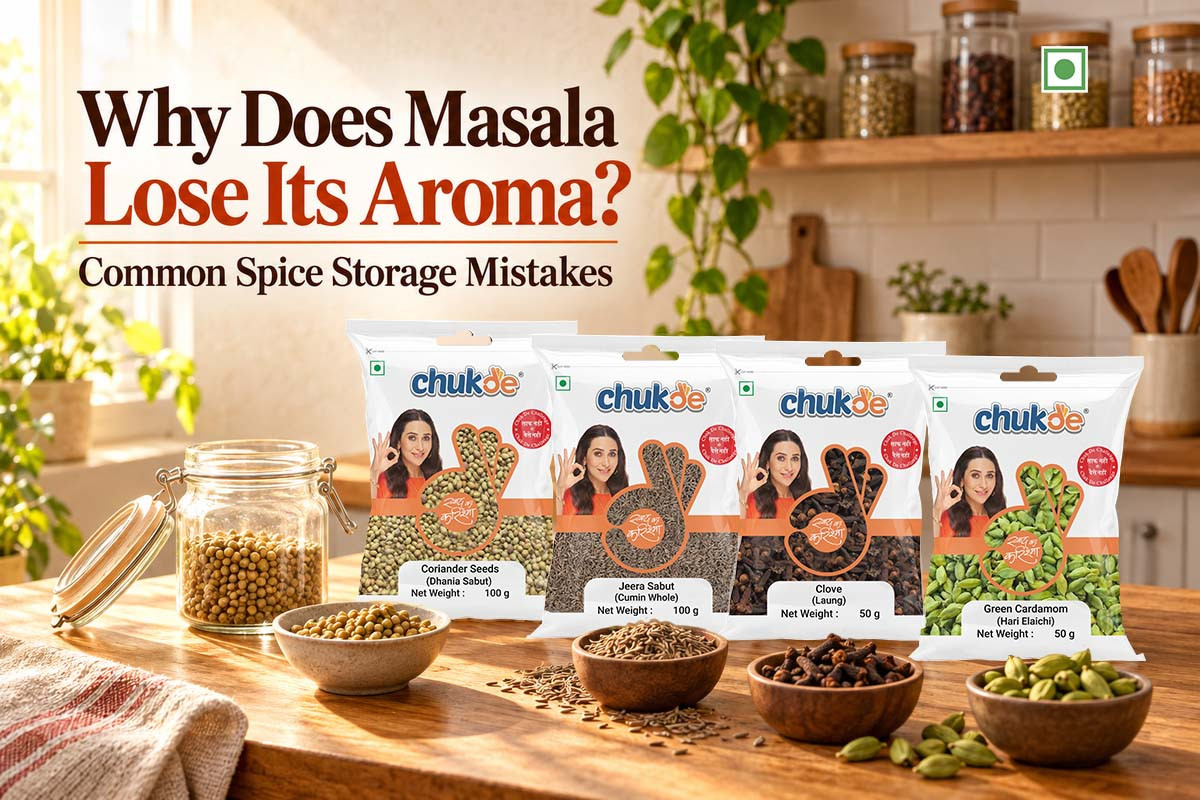
Masala loses aroma due to heat, light, moisture and air. Learn common spice storage mistakes, practical fixes, shelf life tips and better pantry habits for Indian spices.
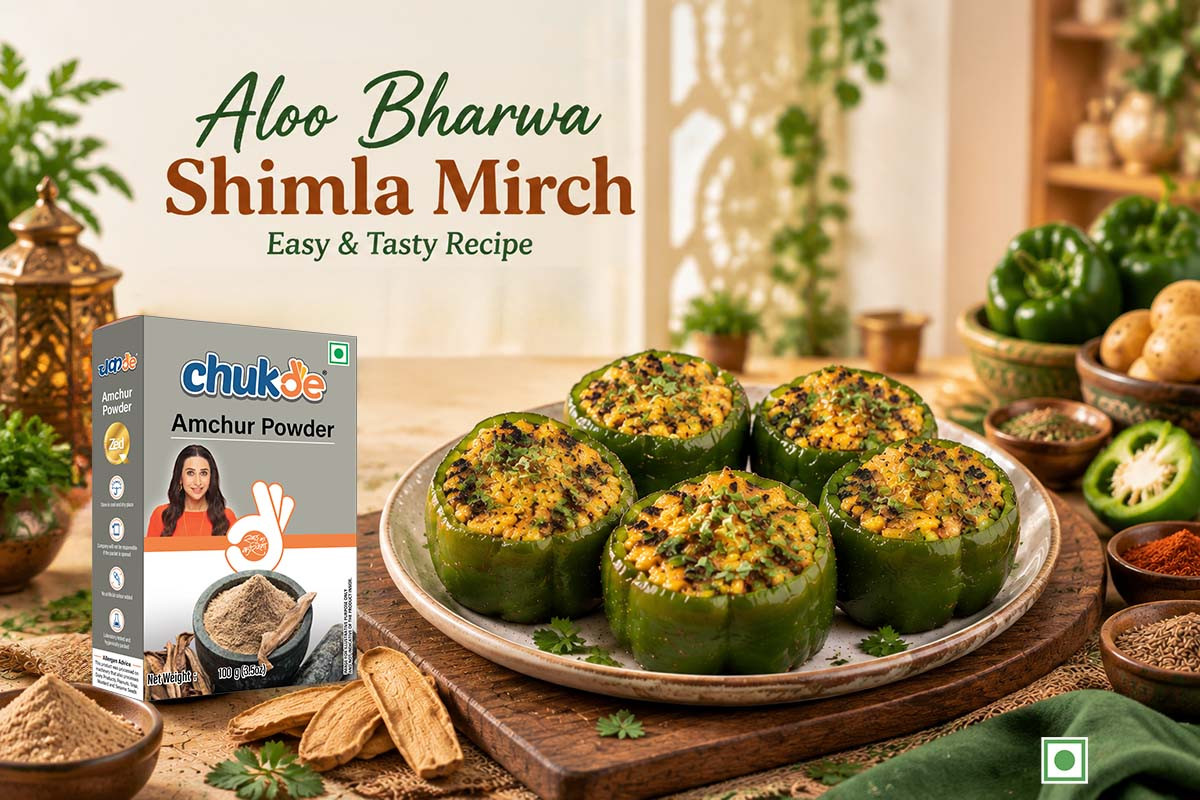
Aloo Bharwa Shimla Mirch Recipe with spicy potato stuffing, aromatic Indian spices and easy cooking steps. Perfect vegetarian side dish for roti, paratha and dal rice.
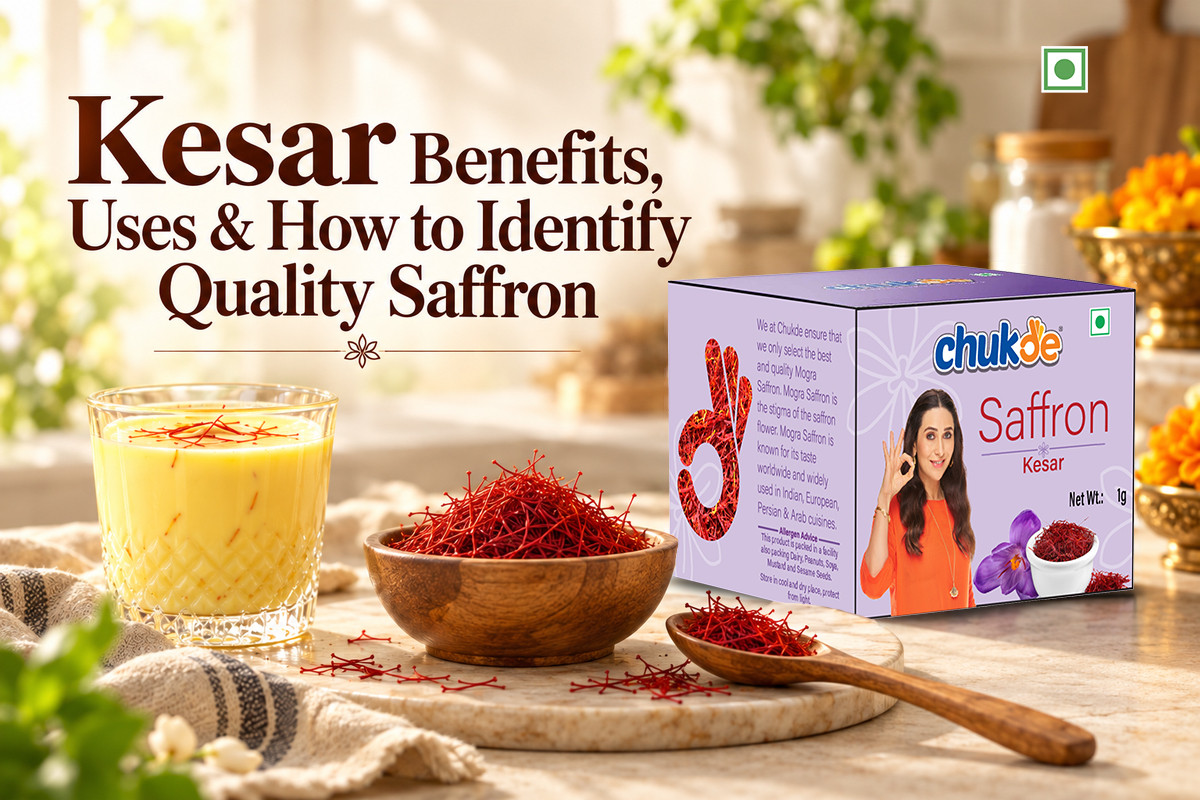
Learn kesar benefits, kitchen uses, bloom method, food amounts, and home tests to spot quality saffron threads.
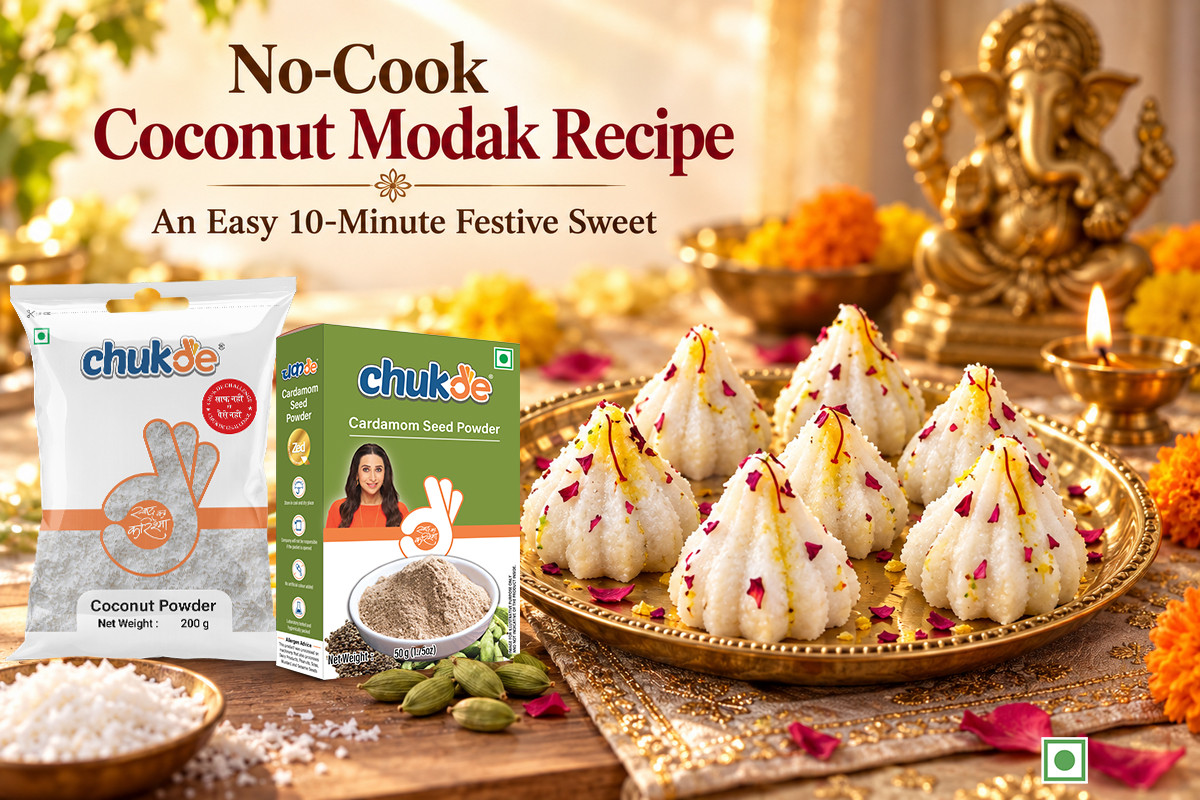
Make soft, delicious no-cook coconut modaks in just 10 minutes using simple ingredients. An easy festive sweet perfect for Ganesh Chaturthi celebrations.
<% quickViewcurrVar.entity.title %> (<% quickViewcurrVar.price.off %>)
<% formatCurr(quickViewcurrVar.price.regular, quickViewcurrVar.price.curr_info) %> <% formatCurr(quickViewcurrVar.price.sale, quickViewcurrVar.price.curr_info) %> (Inc. tax) (Ex. tax)
Description (SKU - <% quickViewcurrVar.sku %>)
 TBS points:
 Tags & Categories:

Powered by Science

100% cruelty free

Made in India
 100% safe
checkout
100% safe
checkout

Invalid Product!


Checkout in
& get 2% OFF