


 Cart
Cart


 <% cart_fragment.free_shipping_message %>free shipping


Exploring The World Of Spices: How Different Cultures Use Similar Spices

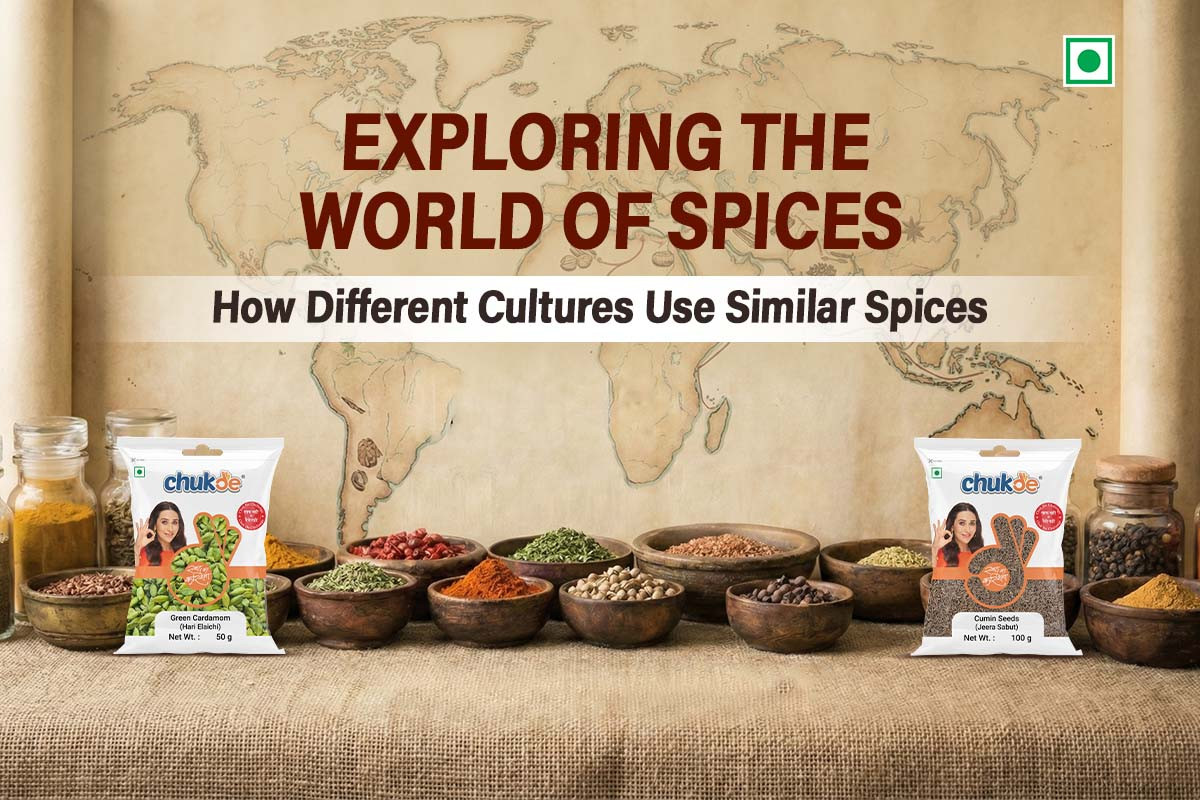
Spices are an essential part of kitchens worldwide for simple reasons: they last long, travel well, and add flavor to basic ingredients or help preserve food, especially in hot climates.
Before modern transportation, spices were traded along routes that connected Asia, Africa, Europe, and the Americas. Merchants carried dried seeds, bark, and roots, while migrating families brought their cooking traditions with them. Over time, spices settled in new places, adapting to local tastes and meanings.
The core idea is simple: a spice doesn’t have a fixed identity. The same cumin or cinnamon quills might taste warm, sweet, sharp, or smoky depending on where it’s used and how. The tradition of a region influences the flavor as much as the spice itself.
Why Spices Travel So Well
Spices became global because they solved practical problems. They could survive long journeys without spoiling, were easy to store, and were highly valued. Once a spice reached a new region, local conditions—like climate and soil—shaped how it was used.
Cooking habits also played a key role, determining whether spices were added early in cooking, like in oil, or later for aroma.
The form of the spice—fresh or dried—also makes a difference. Fresh spices tend to be sharper and brighter, while dried spices are deeper and more concentrated. Whole spices release flavor slowly, while ground spices release it quickly. These choices impact the final flavor of a dish more than the spice itself.
Cumin: From Mexico to India
Cumin is one of the most widely used spices globally, yet its flavor can vary significantly depending on where it’s used.
- In the Middle East, cumin supports meat-heavy dishes, blending into stews, kebabs, and grilled foods. It adds warmth without overwhelming the other flavors, often working alongside dhania and allspice.
- In South Asia, cumin is one of the first spices to hit the pan. The seeds are heated in oil until they crackle, releasing an aroma that infuses lentils, vegetables, and rice. Jeera powder later deepens sauces and gravies.
- In Latin America, cumin is a staple in dry spice blends, often used to flavor beans, meats, and sauces, paired with chilies and garlic for a bold, earthy taste.
Toasting cumin changes its character entirely. Light toasting keeps it mild, while dark toasting brings out a nutty, intense flavor. Pair it with dairy for a softer taste or with acidic ingredients to enhance its sharpness.
Cinnamon: Sweet and Savory Across Lands
Cinnamon’s global story shows how habits shape flavor expectations.
- In Europe and North America, cinnamon is mostly linked to sweet dishes, from pastries to drinks, where its comforting warmth shines.
- In North Africa and parts of Asia, cinnamon is used in savory dishes. It seasons slow-cooked meats, rice, and sauces, adding warmth without sweetness.
The type of cinnamon used matters, too. Cassia is stronger, spicier, and slightly bitter, while Ceylon is lighter and more delicate. Switching between the two can dramatically change the dish’s character.
In savory dishes, cinnamon is used sparingly to enhance other flavors rather than dominate the dish.
Chili Peppers, Many Heat Styles
Chilies illustrate how heat can take on many forms.
- In Mexico, dried chilies bring more than heat—they add smoke, sweetness, bitterness, and color, with heat that builds gradually and feels rounded.
- In Southeast Asia, fresh chilies bring sharp, immediate heat, often balancing sweetness, sourness, and salt.
- In the Mediterranean, chilies are used more gently to create warmth rather than intense spice, blending into dishes with herbs, olive oil, and vegetables.
In every region, chilies are used not just to add heat, but to balance flavors—waking up fats, cutting through richness, and enhancing other ingredients.
Turmeric as Color and Flavor
Turmeric is often used as a decorative spice, but it plays a key role in traditional cooking.
- In South Asia, turmeric is added to hot oil early in cooking. This process eliminates its raw bitterness and releases a deep, earthy flavor. It’s what gives curries, rice, and vegetables their characteristic yellow color.
- In the Middle East, turmeric appears in broths, meat dishes and spice blends contributing as a background flavor.
Modern cooking sometimes skips the necessary steps to unlock turmeric’s true potential. Without heat and fat, it remains dull and chalky. Properly cooked, it’s warm, rounded, and full of depth.
Coriander: One Plant, Two Personalities
Coriander is one plant, but it has two distinct identities.
- The seeds are warm, citrusy, and slightly sweet. They’re commonly used in baked goods, sausages, and spice blends across the world. Toasting them brings out a nutty note.
- The fresh leaves have a sharp, bright flavor and are often used to finish sauces, soups, and salads. However, they lose their flavor quickly with heat, so timing is key.
Coriander leaves often spark strong opinions—some people love them, while others detect a soapy taste, which is due to genetics. Both reactions are normal.
Spice Pairings That Change Everything
Spices interact with their surroundings in fascinating ways.
- Fat softens sharp flavors and spreads them across a dish.
- Acid sharpens and elevates.
- Herbs add freshness or bitterness.
- Heat changes a spice’s aroma and depth.
How a spice is paired with others can completely alter its character. Cinnamon with sugar is comforting, but cinnamon with meat creates a whole new depth. Chilies with oil feel smooth, while chilies with lime bring out their sharpness.
Understanding how spices work together is more important than memorizing a list of rules.
What These Shared Spices Tell Us
The spices we share show the paths of trade, migration, and daily life. Each region adapts ingredients to meet its needs. There’s no single “right” way to use a spice—just the version that works best in a given place.
Food holds memories of these movements, stories, and survival strategies in every dish.
Closing Thoughts
Take a fresh look at the spices you already have in your kitchen. Experiment with different ways of adding them—try heating them differently, or pairing them with something unexpected. Curiosity in cooking can lead to exciting new flavors, and the spice jar you already own may hold more possibilities than you think.
FAQs
Why do spices taste stronger in some cuisines than others?
Heat, fat, and cooking times all influence how flavors develop. A dish cooked longer or with more fat will bring out the spice more.
Should I toast spices before using them?
Toasting whole spices can deepen their flavor, but it depends on the dish. Ground spices are usually added later to preserve their potency.
Can I swap fresh and dried versions of the same spice?
Not always. Fresh herbs are more delicate than dried ones, so you’ll typically need to use less dried spice in place of fresh.
What's the best way to store spices for maximum flavor?
Keep them whole in airtight containers, away from light and heat. Grinding spices fresh will give you the best flavor.
How can I source high-quality versions of these spices?
Opt for single-origin like Chukde Spices from India—freshly milled jeera, Ceylon cinnamon, and haldi retain aroma and oils better than mass-market blends. Available online for easy B2B or home use.
Why did spices become so popular in hot climates?
Spices helped prevent spoilage in hot climates, where food rots quickly. Some spices, like chilies, also help cool the body by causing perspiration.
A Note on Chukde Spices
If you’re looking for consistent quality, Chukde Spices are a great choice. With clean sourcing and expert grinding, they make cooking easier and help you experiment with techniques from around the world. Quality spices won’t replace skill, but they can make learning new flavors much more enjoyable.
Related articles

Try 10 easy homemade Diwali sweets, from besan ladoo to kaju katli. Add Chukde Green Elaichi and Kesar for festive flavour and aroma.
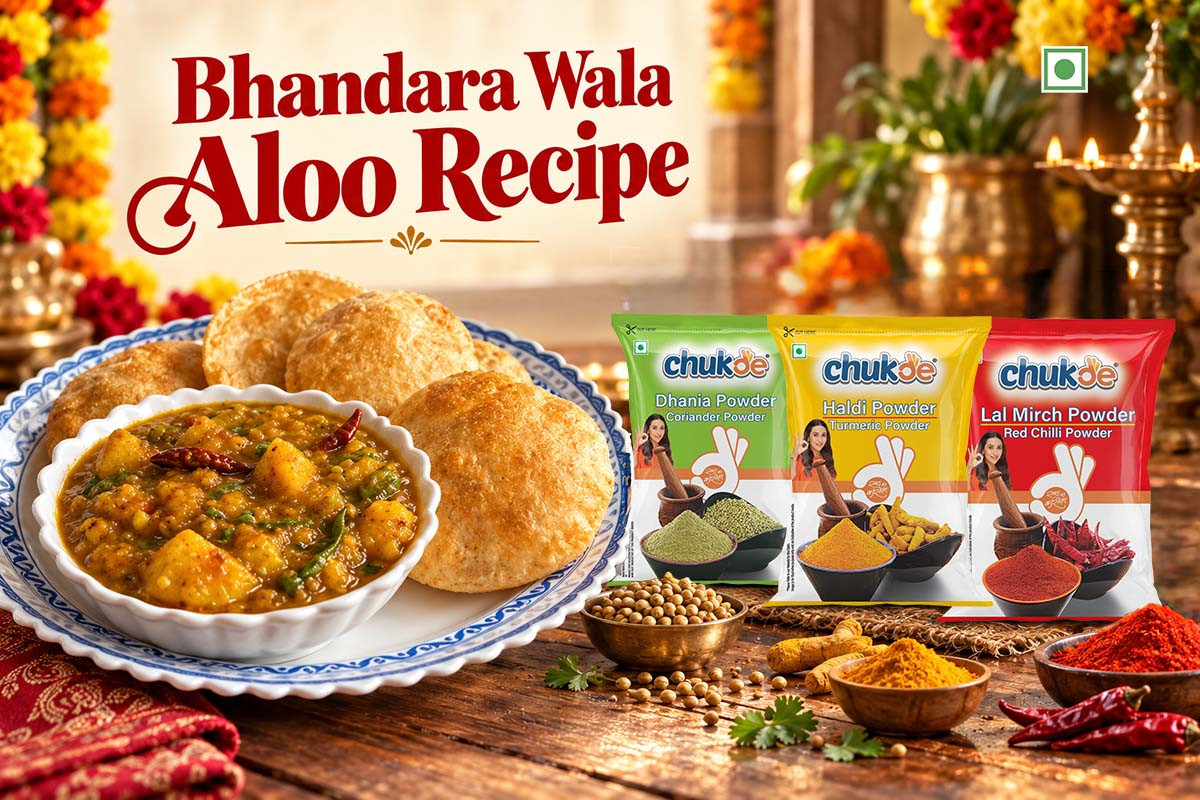
Make Bhandara Wala Aloo at home with hand-crushed potatoes, tomatoes and aromatic whole spices. Try this easy no-onion, no-garlic recipe with poori.
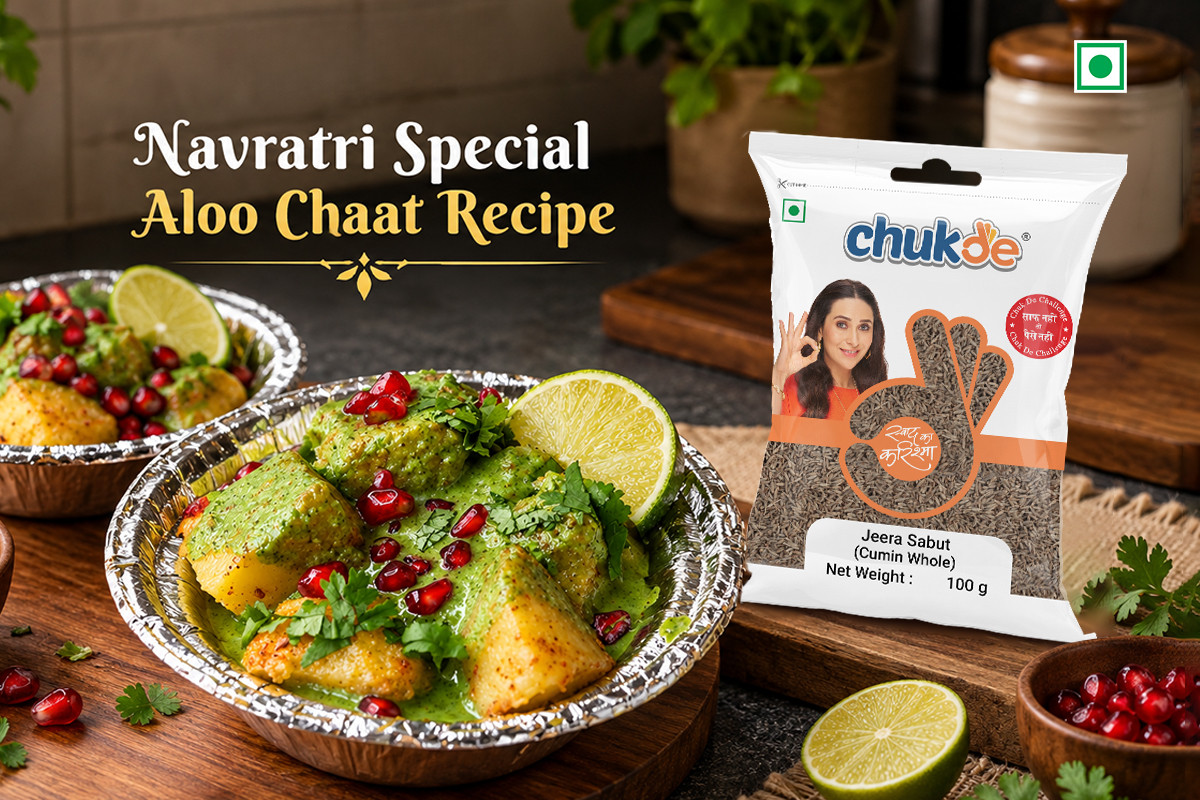
Make crispy Navratri special aloo chaat at home in 20 minutes. Vrat-friendly recipe with sendha namak, no onion-garlic. Perfect fasting snack for Navratri.
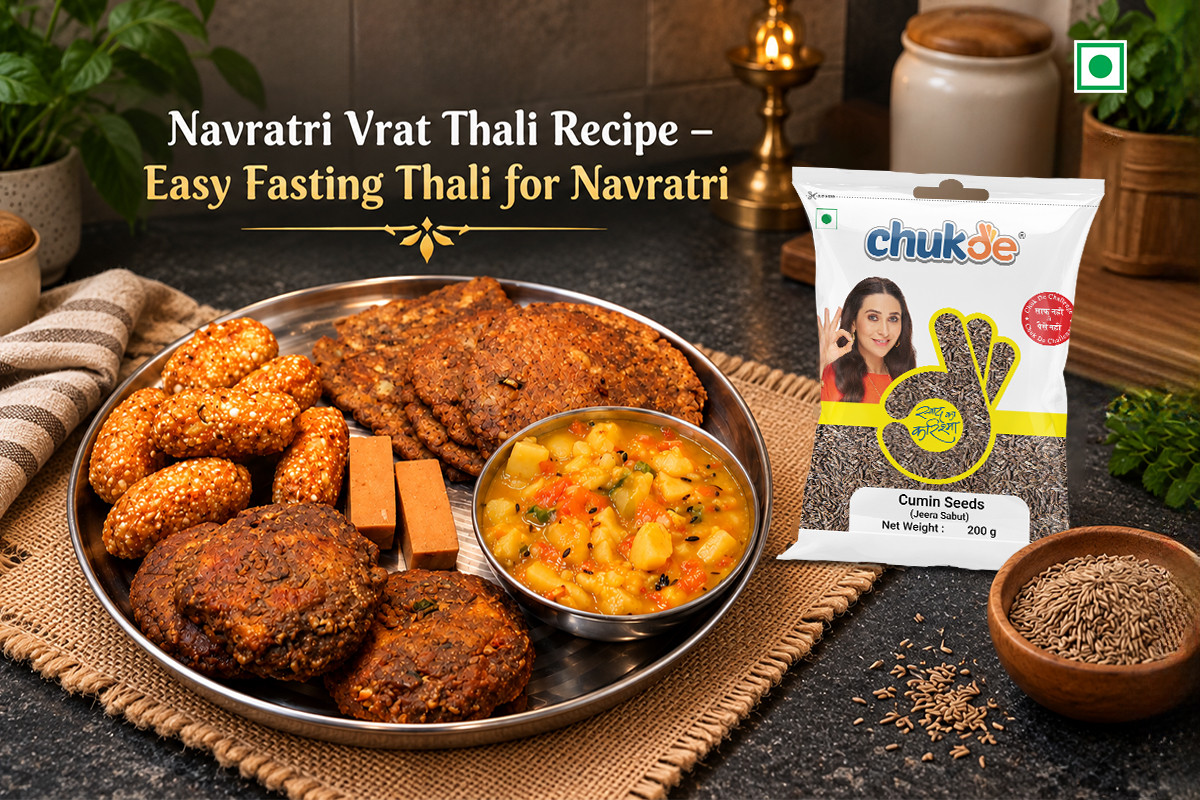
Make a complete Navratri Vrat Thali with aloo sabzi, kuttu puri, makhana raita & kheer. Simple, balanced & fully fasting-friendly recipe for Sharad Navratri 2026.
<% quickViewcurrVar.entity.title %> (<% quickViewcurrVar.price.off %>)
<% formatCurr(quickViewcurrVar.price.regular, quickViewcurrVar.price.curr_info) %> <% formatCurr(quickViewcurrVar.price.sale, quickViewcurrVar.price.curr_info) %> (Inc. tax) (Ex. tax)
Description (SKU - <% quickViewcurrVar.sku %>)
 TBS points:
 Tags & Categories:

Powered by Science

100% cruelty free

Made in India
 100% safe
checkout
100% safe
checkout

Invalid Product!


Checkout in
& get 2% OFF