


 Cart


 <% cart_fragment.free_shipping_message %>free shipping


10 Easy Homemade Diwali Sweets You Can Make In Under 1 Hour

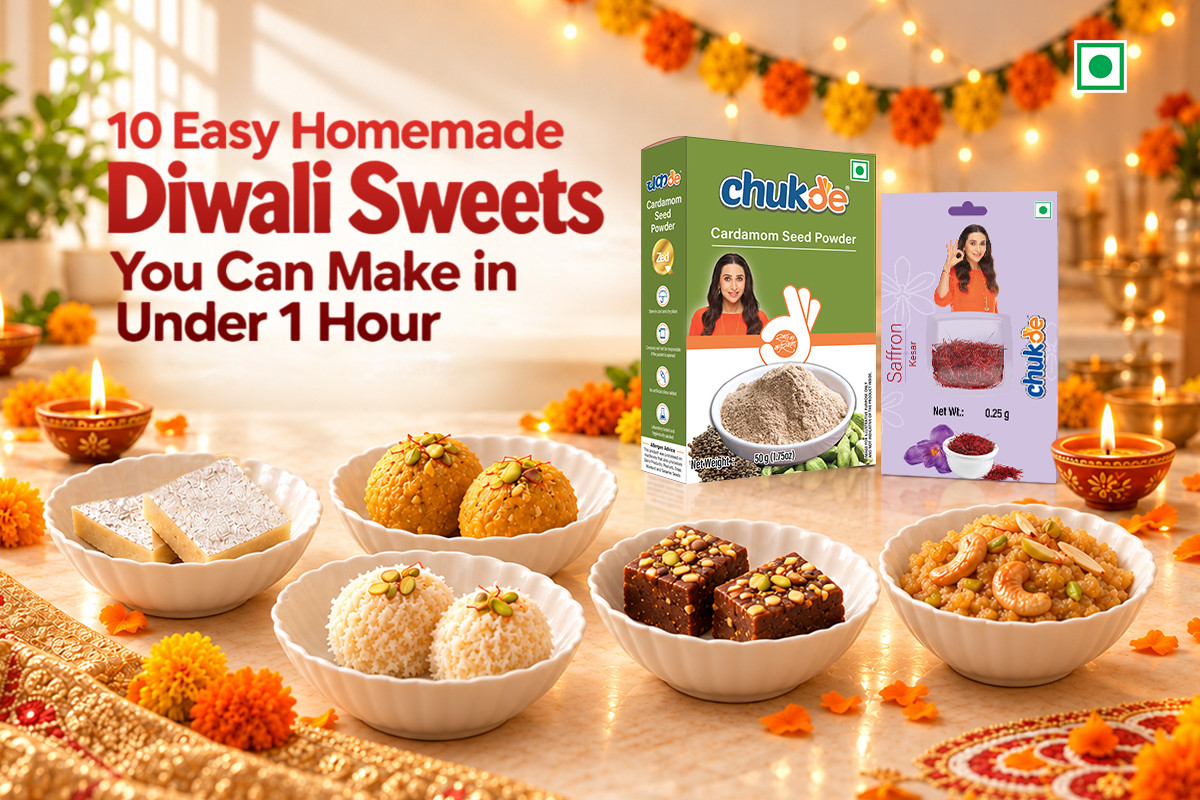
Diwali is all about sweets, family, and celebrations, but preparing everything can be stressful. Between making mithai, packing gift boxes, and getting the house ready for guests, who has time to spend the whole day in the kitchen? The good news is that you can make homemade Diwali sweets without spending hours cooking. With a few simple ingredients and easy recipes, you can prepare upto 10 Diwali sweets in under an hour each.
The best part? You don’t need fancy ingredients or hours of preparation to make delicious Diwali mithai at home. A few kitchen staples like condensed milk, milk powder, and cardamom powder can save you plenty of time. So, whether you’re making sweets for your family, treating unexpected guests, or packing a few boxes for friends and relatives, these easy Diwali sweet recipes will make your festive preparations much simpler. Here are 10 homemade sweets you can prepare in under an hour, along with handy tips to keep them fresh for longer.
A Few Simple Tips Before You Start
Making Diwali sweets at home doesn’t have to be complicated. With a few everyday ingredients and some simple tricks, you can save time and still make sweets your family will love. Keep condensed milk and milk powder handy for quick recipes, and don’t forget a little green elaichi to add that familiar mithai aroma. Also, keep the flame low or medium and stir regularly to prevent the mixture from burning. These small steps can make your Diwali sweet-making easier and more enjoyable.
10 Easy Homemade Diwali Sweets Ready in Under 1 Hour
1. Classic Besan Ladoo (25–30 minutes)
Roast 2 cups besan in ½ cup ghee on low heat until the colour turns golden and the raw smell disappears. This usually takes 12–15 minutes. Switch off the flame, mix in 1 cup powdered sugar and 1 teaspoon cardamom powder. Shape while warm.
Tip: Under-roasted besan stays gritty. The aroma should smell nutty, not sharp.
2. Coconut Ladoo with Condensed Milk (15 minutes)
Toast 2 cups of desiccated coconut lightly in a spoon of ghee. Add one tin of condensed milk and ½ teaspoon green elaichi powder. Cook on low until the mixture leaves the sides. Cool slightly and roll into balls. Coat with extra coconut if desired.
3. Rava Ladoo (20 minutes)
Roast 1 cup rava in 3 tablespoons ghee until fragrant. Add ¾ cup sugar, ½ cup warm milk, a pinch of cardamom, and a few chopped nuts. Mix, cool just enough to handle, and shape. Ready milk or water both work; milk gives a softer finish.
4. Quick Kaju Katli (25 minutes)
Powder 1 cup cashews finely (do not over-process into paste). Make a soft-ball sugar syrup with ½ cup sugar and a little water. Mix the cashew powder and a pinch of cardamom. Knead gently, roll between parchment, and cut diamonds. A light silver leaf is optional for gifting.
5. Instant Milk Powder Kalakand (20 minutes)
Combine 1 cup milk powder, ½ cup condensed milk, 2 tablespoons milk, and 1 tablespoon ghee. Cook on low, stirring continuously, until the mixture thickens and starts leaving the pan. Press into a greased tray, top with chopped pistachios, and set for 15–20 minutes.
6. Date and Nut Ladoo (No-Cook, 10 minutes)
Blend 1 cup soft dates with ½ cup mixed nuts and a pinch of cardamom until the mixture holds together. Roll into small balls. This version needs no stove time and travels well in gift boxes.
7. Chocolate Burfi (20 minutes)
Melt 1 cup milk powder with ½ cup condensed milk and 2 tablespoons cocoa powder or melted dark chocolate. Add a little ghee and cardamom. Cook until thick, spread, cool, and cut. The cocoa balances the sweetness of condensed milk.
8. Soft Milk Peda (25 minutes)
Crumble 200 g ready mawa or khoya. Cook with 4–5 tablespoons sugar and ½ teaspoon cardamom powder on low heat until it forms a soft dough. Shape into small pedas and press a pistachio on top. Keep the flame low so the milk solids do not brown too fast.
9. Suji Halwa / Rava Kesari (15 minutes)
Roast 1 cup suji in 4 tablespoons ghee until aromatic. Add 2½ cups hot water or milk, ¾ cup sugar, a few strands of kesar saffron, and cardamom. Stir until the mixture leaves the sides. Finish with fried cashews and raisins. Saffron and cardamom create clear flavour layering here.
10. Shakarpara (Sweet Diamond Cuts) (35–40 minutes including frying)
Knead a firm dough with 2 cups maida, 3 tablespoons ghee, 4–5 tablespoons powdered sugar, and a pinch of salt. Rest 10 minutes, roll thin, cut diamonds, and deep-fry on medium-low heat until light golden. Drain and cool completely. These stay crisp for weeks in an airtight container.
Spice Timing and Flavour Layering Notes
Cardamom works best when added toward the end of cooking or after switching off the heat. Early addition on high heat can mute the volatile oils. Saffron needs a few minutes of gentle heat or warm milk to release colour and aroma. A light pinch of jaiphal (nutmeg) can deepen milk-based recipes without overpowering them.
In my experience, the difference between good and average homemade Diwali sweets often comes down to two points: proper roasting of the base (besan or rava) and the moment you add the ground spice. Keeping cinnamon sticks and other whole spices in airtight jars helps maintain aroma for the entire festive season.
Make-Ahead and Storage Checklist
- Dry sweets (shakarpara, date ladoo, coconut ladoo) last 10–15 days in airtight containers at room temperature if humidity is low.
- Milk-based sweets (peda, kalakand, milk powder barfi) keep 4–5 days in the refrigerator.
- Besan and rava ladoos stay good for 7–8 days when completely cooled before packing.
- Always cool sweets fully before sealing. Residual heat creates moisture and shortens shelf life.
- Label boxes with the preparation date for easy rotation during the festive week.
Quick Comparison of Time and Texture
|
Sweet |
Active Time |
Texture Result |
Best For |
|
Date Nut Ladoo |
10 min |
Chewy, dense |
No-cook days |
|
Coconut Ladoo |
15 min |
Soft, moist |
Quick gifting |
|
Suji Halwa |
15 min |
Soft, grainy |
Same-day serving |
|
Besan Ladoo |
25–30 min |
Firm, melt-in |
Classic taste |
|
Kaju Katli |
25 min |
Smooth, fudgy |
Premium look |
|
Shakarpara |
35–40 min |
Crisp |
Long storage |
These timings assume ingredients are measured and ready. Actual time varies slightly with stove heat and experience level.
Final Tips for Stress-Free Festive Cooking
Prepare dry items three to four days early. Make milk-based sweets one or two days before the main day. Keep ground cardamom, saffron, and chopped nuts in small bowls so you can add them without searching. A single batch of roasted nuts can finish several recipes and improve both texture and aroma.
Homemade Diwali sweets do not have to be complicated. Choose two or three from this list, follow the heat and spice notes, and you will have enough for family, guests, and small gift boxes. The rest of the festival can stay focused on lights, company, and the small rituals that matter.
For more ideas on using whole spices in everyday and festive cooking, explore the full range of Chukde whole spices. Try one recipe this weekend and note the roasting time that works on your stove. That small observation makes every future batch faster and more consistent.
Frequently Asked Questions
Can I make these homemade Diwali sweets without condensed milk?
Yes. For most recipes you can reduce full-fat milk longer or use khoya. The cooking time increases by 15–25 minutes.
How long do these Diwali sweets stay fresh?
Dry sweets last 10–15 days in airtight containers. Milk-based sweets keep 4–5 days in the refrigerator when cooled completely before packing.
Why does my besan ladoo taste raw?
The besan was not roasted long enough on low heat. Continue roasting until the colour is golden and the aroma turns nutty.
Can I prepare these sweets two days before Diwali?
Yes. Make dry items first and milk-based sweets closer to the day. Store in airtight containers and keep milk sweets refrigerated.
Which spice is most important for these quick sweets?
Cardamom powder is the most used. Add it after cooking or near the end so the aroma stays clear.
References & Further Reading
For official guidance on spice quality and handling practices in India, refer to the Spices Board India. Food safety and labelling standards are available on the FSSAI website.
About the Author
The Chukde content team works daily with Indian whole spices, ground spices, and everyday home-cooking recipes. Practical testing in real kitchens shapes the advice shared here, from roasting times to storage methods that keep festive batches consistent. The focus remains on clear steps, useful timing, and the role of spices in flavour layering for Indian festive cooking.
Disclaimer: Recipe times are approximate and can vary based on stove heat, ingredient temperature, and individual cooking speed. Always use fresh ingredients and follow basic kitchen hygiene practices.
Related articles
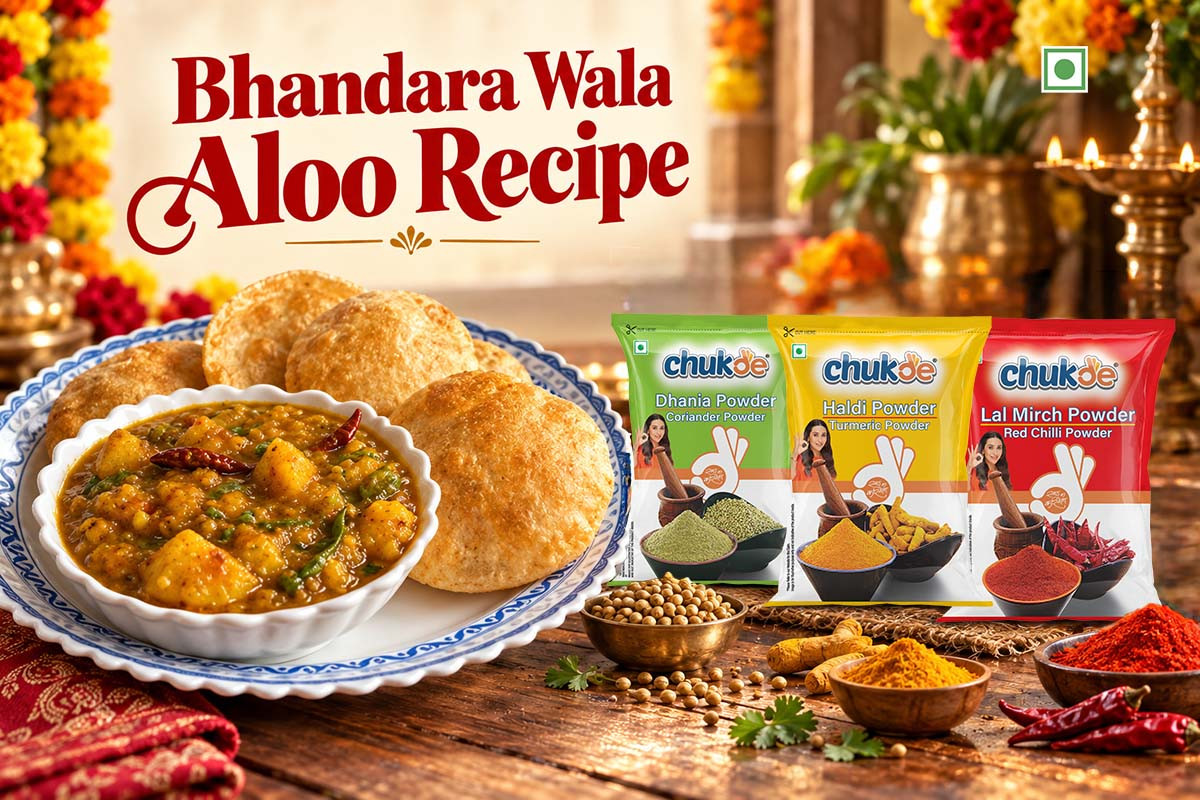
Make Bhandara Wala Aloo at home with hand-crushed potatoes, tomatoes and aromatic whole spices. Try this easy no-onion, no-garlic recipe with poori.
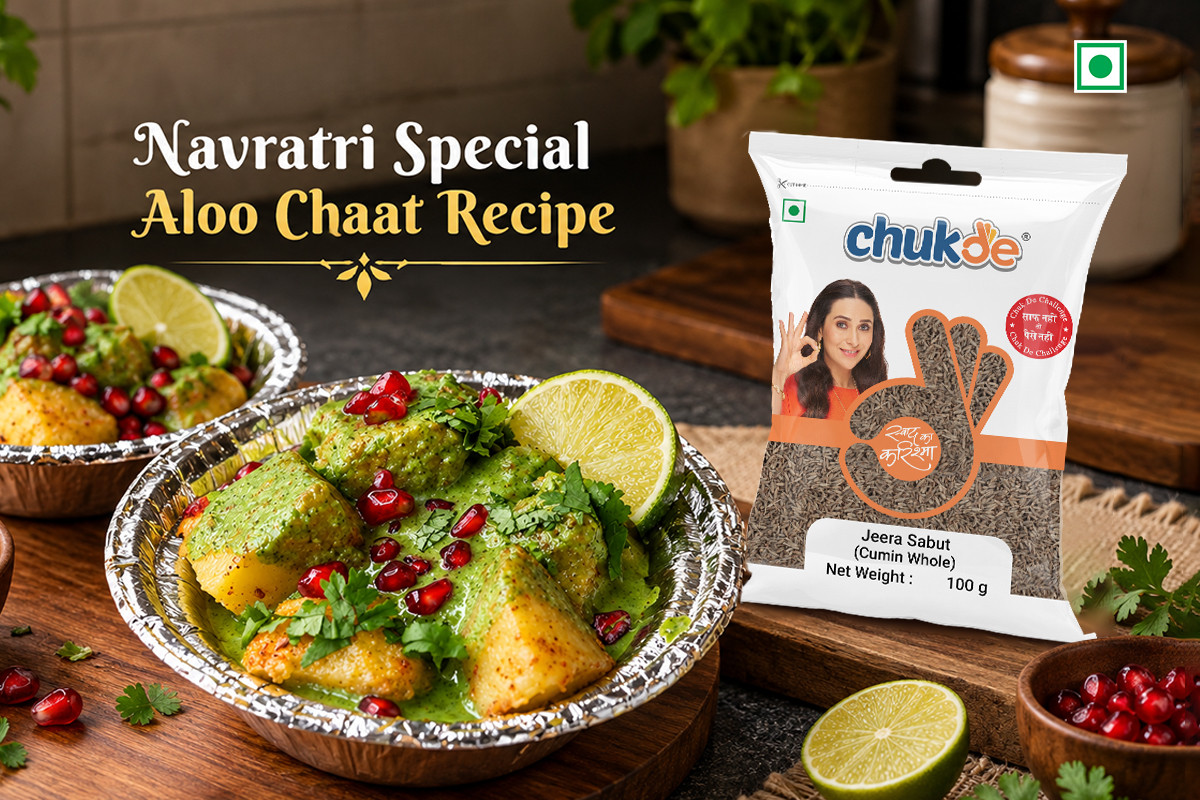
Make crispy Navratri special aloo chaat at home in 20 minutes. Vrat-friendly recipe with sendha namak, no onion-garlic. Perfect fasting snack for Navratri.
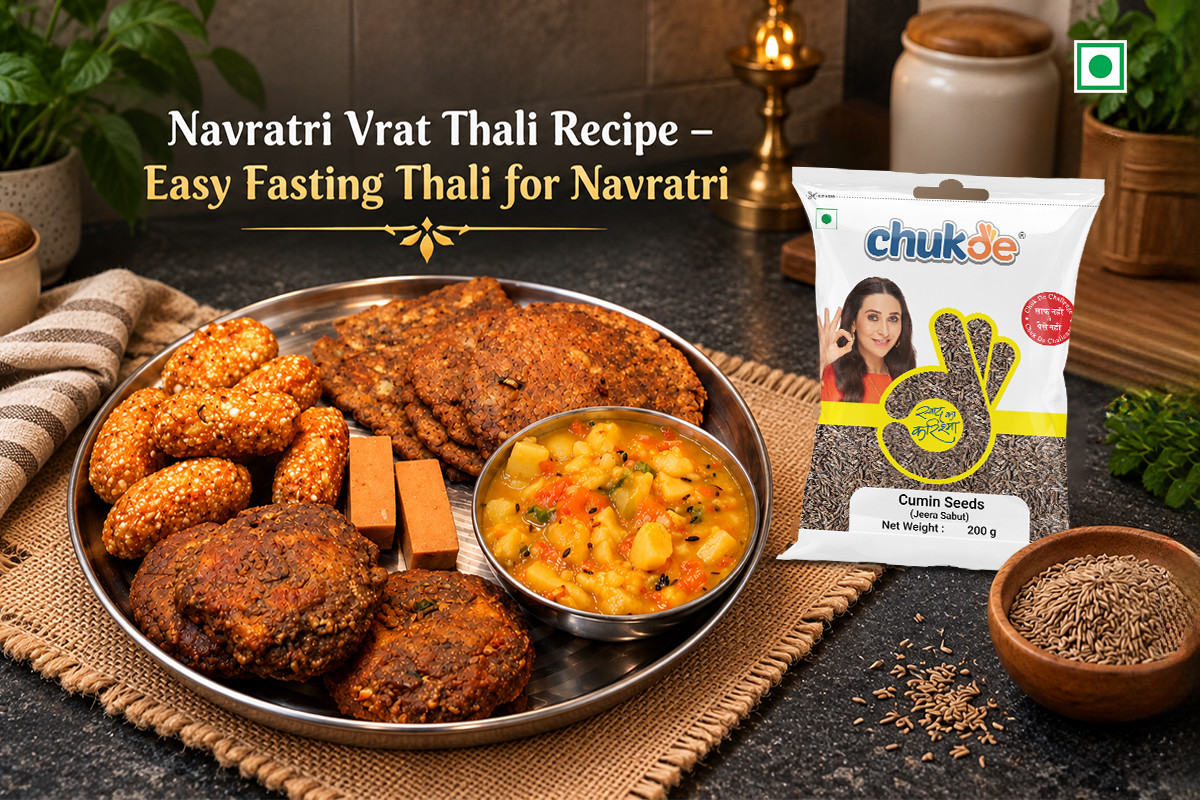
Make a complete Navratri Vrat Thali with aloo sabzi, kuttu puri, makhana raita & kheer. Simple, balanced & fully fasting-friendly recipe for Sharad Navratri 2026.
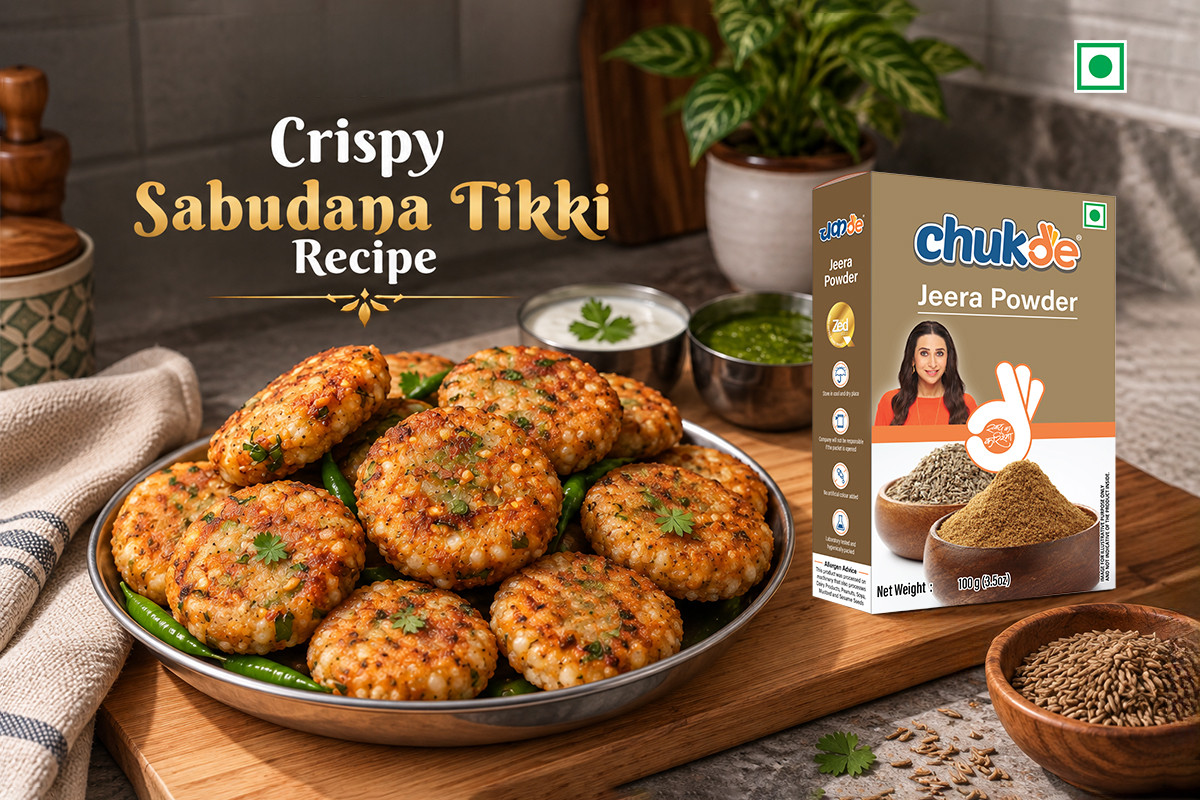
Crispy Sabudana Tikki recipe for Navratri vrat. Soft inside, golden outside. Easy pan-fried snack with sendha namak & simple spices. Perfect fasting treat.
<% quickViewcurrVar.entity.title %> (<% quickViewcurrVar.price.off %>)
<% formatCurr(quickViewcurrVar.price.regular, quickViewcurrVar.price.curr_info) %> <% formatCurr(quickViewcurrVar.price.sale, quickViewcurrVar.price.curr_info) %> (Inc. tax) (Ex. tax)
Description (SKU - <% quickViewcurrVar.sku %>)
 TBS points:
Tags & Categories:

Powered by Science

100% cruelty free

Made in India
 100% safe
checkout

Invalid Product!


Checkout in
& get 2% OFF