


 Cart


 <% cart_fragment.free_shipping_message %>free shipping


How To Identify Real Desi Gond For Winter: Colour, Texture & Uses

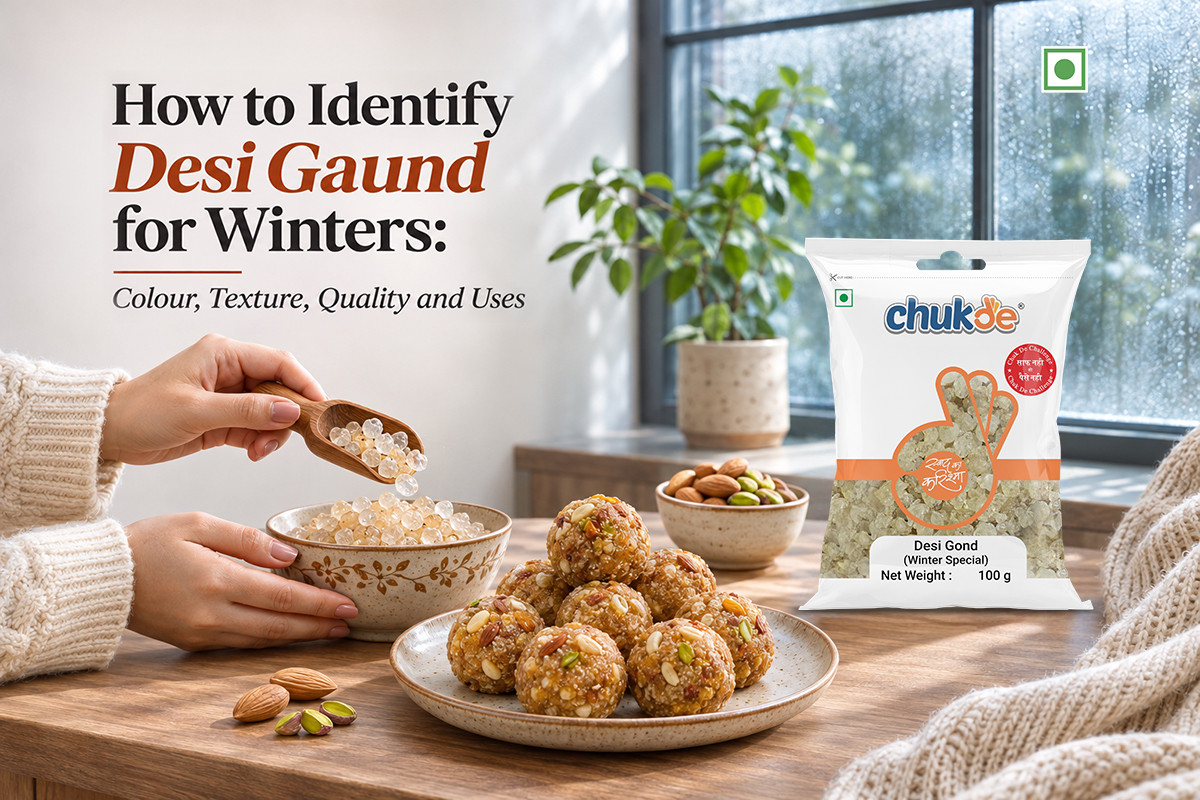
Winter mornings feel warmer when you serve hot milk or a fresh gaund ke laddu. Desi gaund adds that special cozy touch to every cold-day recipe. But if you pick the wrong packet, the flavour turns flat or even burns.
This guide shows you exactly how to identify real desi gaund using colour, texture and simple quality tests. You will also learn its perfect uses in winter cooking, storage tips that work all season, and a quick buying checklist. Follow these steps and your winter dishes will always taste rich and homemade.
Why Desi Gond Is Perfect for Winters
Desi gond has a warm temperament. When you lightly fry it in ghee it releases a natural aroma that fills the kitchen with comfort.
Real desi gond adds richness, warmth, and texture to every winter dish. It pairs beautifully with whole spices and ground spices, creating layers of flavour that bring the comforting taste of traditional home-cooked food.
Unlike other gums, it does not cool the body. Instead, it keeps you warm from inside when the weather turns cold. According to traditional knowledge of gum arabic (Acacia), this natural exudate from the babool tree has been valued for centuries in Indian kitchens during the colder months.
How to Identify Real Desi Gond for Winters
Real desi gond stands out in every way during winter months.
1. Colour Check
Real pieces appear light brown or pale yellow with natural variations. They feel rough and have a slight crystalline shine. Fake versions look too bright yellow or uniform and lack texture.
2. Texture Check
Good desi gond feels hard and crystalline. It has small cracks and natural lumps. Fake pieces feel soft or waxy and break easily.
3. The Winter Water Test
Take one small piece and place it in a glass of room-temperature water. Real desi gaund stays firm for a few minutes then softens slowly. Fake versions swell instantly and turn into a sticky mess. This test works even better in winter because the water stays cool longer.
4. Smell and Burn Test
Real desi gaund has a mild resin scent. When you put a piece on a dry pan it releases a pleasant aroma and puffs lightly. Fake versions often smell chemical and burn unevenly.
These four checks take less than two minutes and give you complete peace of mind before winter begins.
Practical Quality Checks for Winter Use
Follow this quick checklist every time you shop for desi gaund in the colder months.
✓ Choose packets with clear food labelling.
✓ Pick small hard lumps over big soft blocks.
✓ Do the water test first.
✓ Check the best-before date – winter cooking needs fresh stock.
✓ Look for consistent brown tones that match real babool gaund.
Storage Tips That Work All Winter
Proper storage keeps desi gaund at its best when you need it most.
Keep real desi gaund in an airtight container or original packet. Store it in a cool, dry place away from direct sunlight and moisture.
Winter air can be dry. A small glass jar with a tight lid in your pantry works perfectly. Moisture control is the secret – even a little humidity turns good desi gaund into lumps or off-flavours.
I always use a small airtight jar in my winter kitchen. After six months the taste still feels fresh when I fry it for my favourite laddu recipe.
Step-by-Step: How to Use Desi Gond in Winter Recipes
Follow these steps to get perfect results every time.
- Roast the piece lightly in ghee until it puffs.
- Grind it to fine powder or keep small puffed pieces.
- Add the desi gaund to your whole spices blend and ground spices before tempering.
- Stir while the aroma releases during tadka.
- Mix into your favourite winter recipe and cook gently.
This method works for gaund ke laddu, panjiri, churma and spiced milk. The result is warm, rich flavour layering that beats any store-bought mix.
Traditional Desi Gond Recipes to Enjoy This Winter
Desi gond shines in these classic winter dishes.
Gaund Ke Laddu
Fry one teaspoon of quality desi gond in ghee, grind it, then mix with whole wheat flour, nuts and jaggery. Roll into balls. The warm aroma makes them perfect for cold evenings.
Panjiri
Add roasted desi gaund to your ground spices blend before tempering with ghee. It adds body and helps the mix stay fresh for weeks. Pair it with green elaichi and dry fruits for an extra nourishing winter panjiri.
Churma
Mix small puffed desi gaund pieces with dry fruits and whole spices. Serve with warm milk for extra comfort.
Spiced Milk
Soak desi gaund in warm milk overnight. The warm temperament makes it ideal for winter nights. A pinch of jaiphal (nutmeg) elevates the flavour beautifully.
Common Mistakes to Avoid in Winter Cooking
Watch out for these errors that ruin winter recipes.
- Using fake desi gaund – it burns or stays sticky.
- Skipping the water test before buying.
- Storing it near moisture or heat.
- Adding it too early in the recipe without roasting first.
- Ignoring the best-before date on the packet.
Avoid these and your winter cooking will turn out exactly as you planned.
Quick Buying Guide for Desi Gond in Winter
Follow this checklist when you shop for desi gaund.
✓ Look for clear food labelling.
✓ Choose small hard lumps.
✓ Do the water test.
✓ Check the expiry date.
✓ Prefer packets that clearly say “desi gaund” or “babul gaund”. For reliable quality, try Desi Gond Winter Special 100g from trusted sources.
FAQ
How does desi gaund help in winter cooking?
It has a warm temperament and releases aroma when roasted in ghee. It adds body to gaund ke laddu and panjiri and keeps recipes comforting.
What is the best way to test desi gaund for winters?
Do the water test first, then check colour, smell and burn on a pan. These four checks work best in cold weather.
Can I store desi gaund in the fridge during winter?
No. Winter humidity can make it sticky. Keep it in an airtight jar at room temperature.
How long does desi gaund last in winter?
Real desi gaund stays fresh for 6 to 12 months in an airtight container in a cool dry place.
Is desi gaund better than other gums for winters?
Yes. It works naturally with Indian spices and adds warm flavour layering. Other gums often cool the body or behave differently. For more on traditional plant exudates, see this overview of edible gums.
What is the difference between desi gaund and edible gum?
Desi gaund is the Indian version from the babool tree. It is used in winter recipes and releases aroma during tadka.
Conclusion
Identifying real desi gaund for winters becomes easy once you know colour, texture and the simple water test.
You now have everything you need to choose the right packet, store it properly and use it in your favourite winter recipes. The warm aroma and texture it adds make every dish feel like home.
Head over to the Chukde website right now and browse our range of whole spices. Pair them with good desi gond and enjoy the most delicious winter cooking.
If you try any of these tips, drop a comment below and tell us how your laddu turned out. Happy winters and happy cooking!
Disclaimer: This guide is for educational purposes based on practical kitchen observations and general food practices. Always check food labelling before use.
Related articles
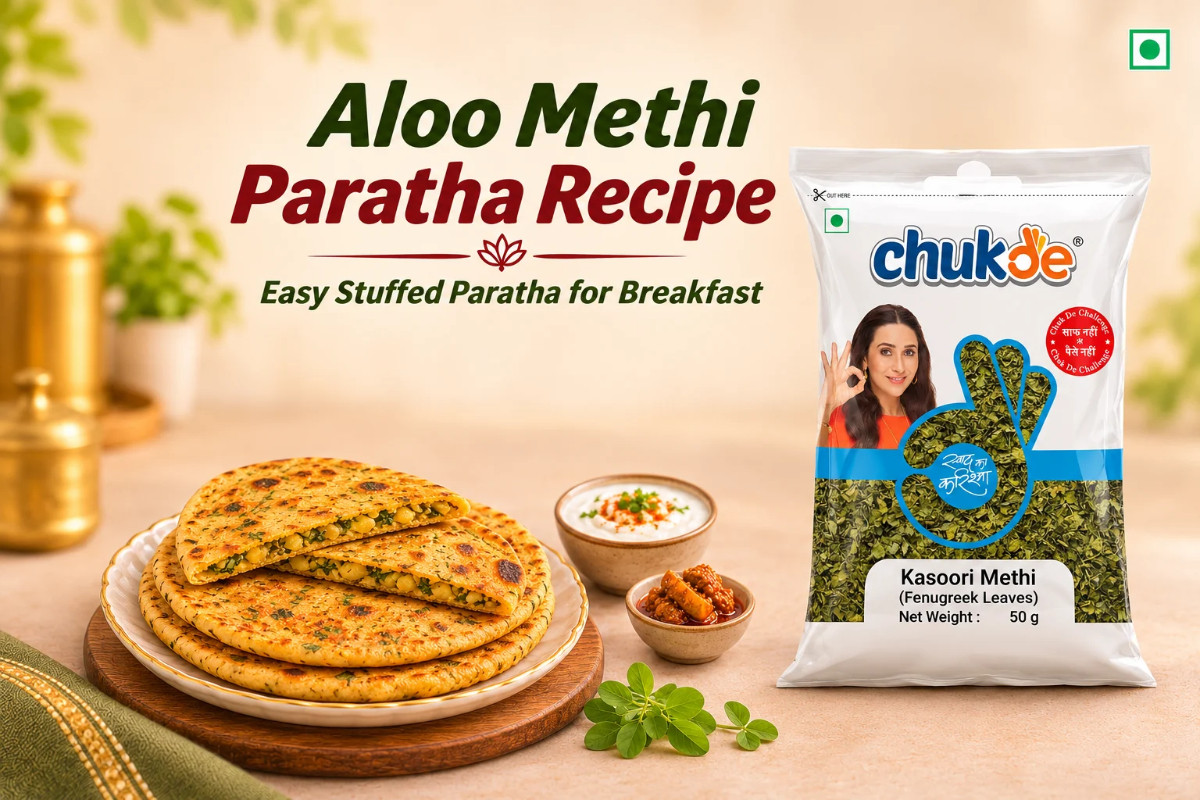
Make soft and flavourful aloo methi paratha with easy recipe with chukde kasoori methi. Learn the right way to prepare potato-methi stuffing and cook crispy parathas.
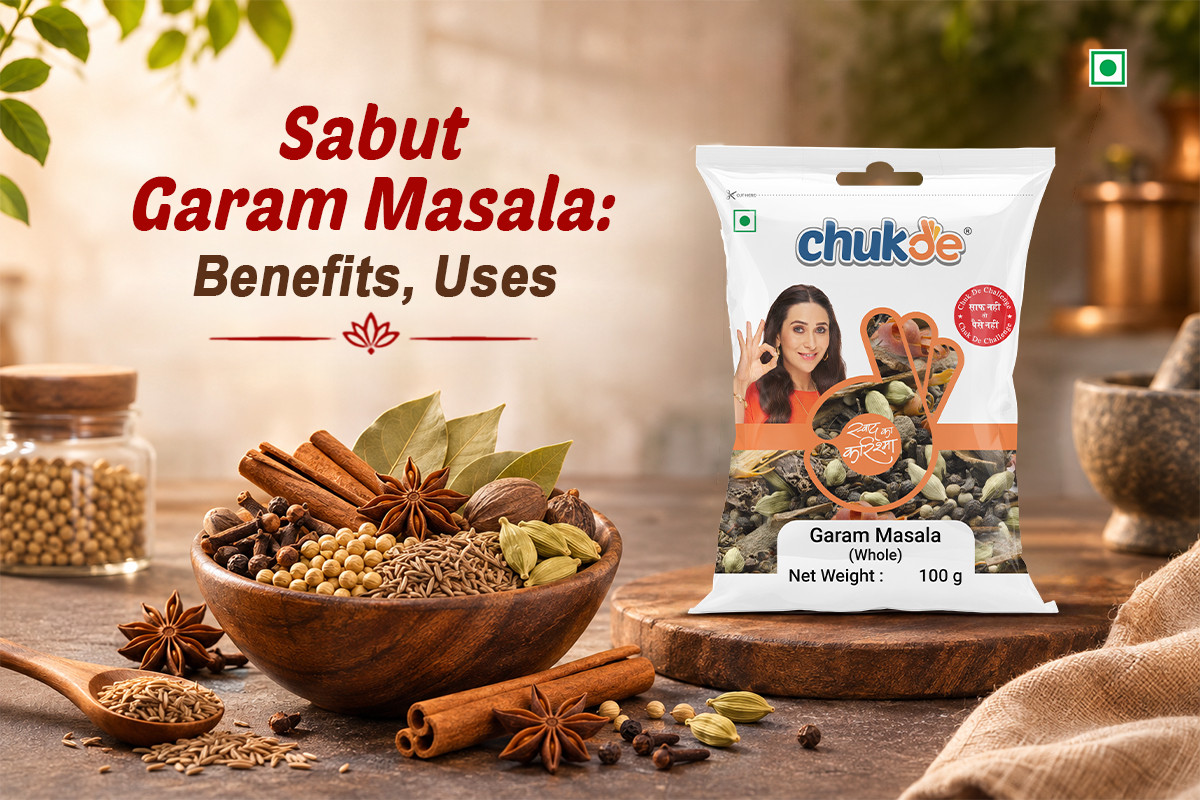
Discover the benefits of sabut garam masala, how to use whole spices in everyday Indian cooking, and simple storage tips to retain their aroma and flavour.
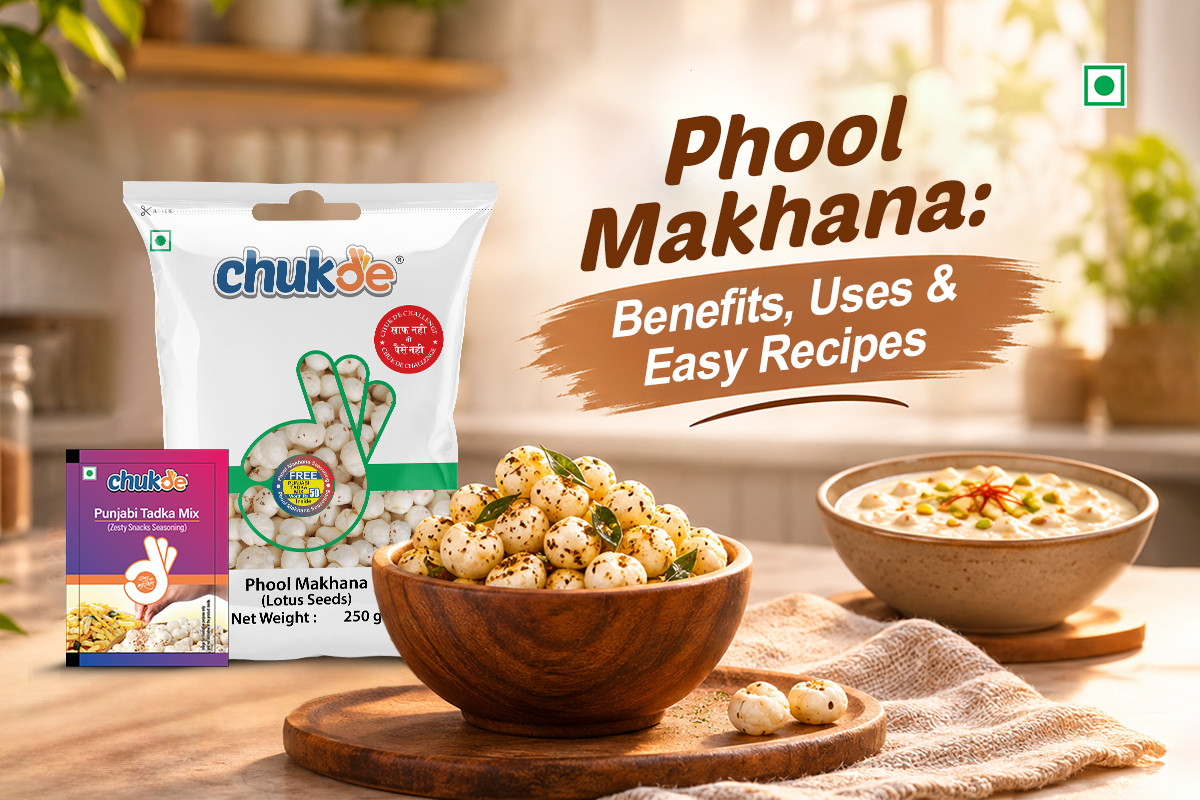
Explore phool makhana benefits, nutrition, roasting tips and easy recipes. Learn how to make crispy masala makhana, sweet makhana and more at home.
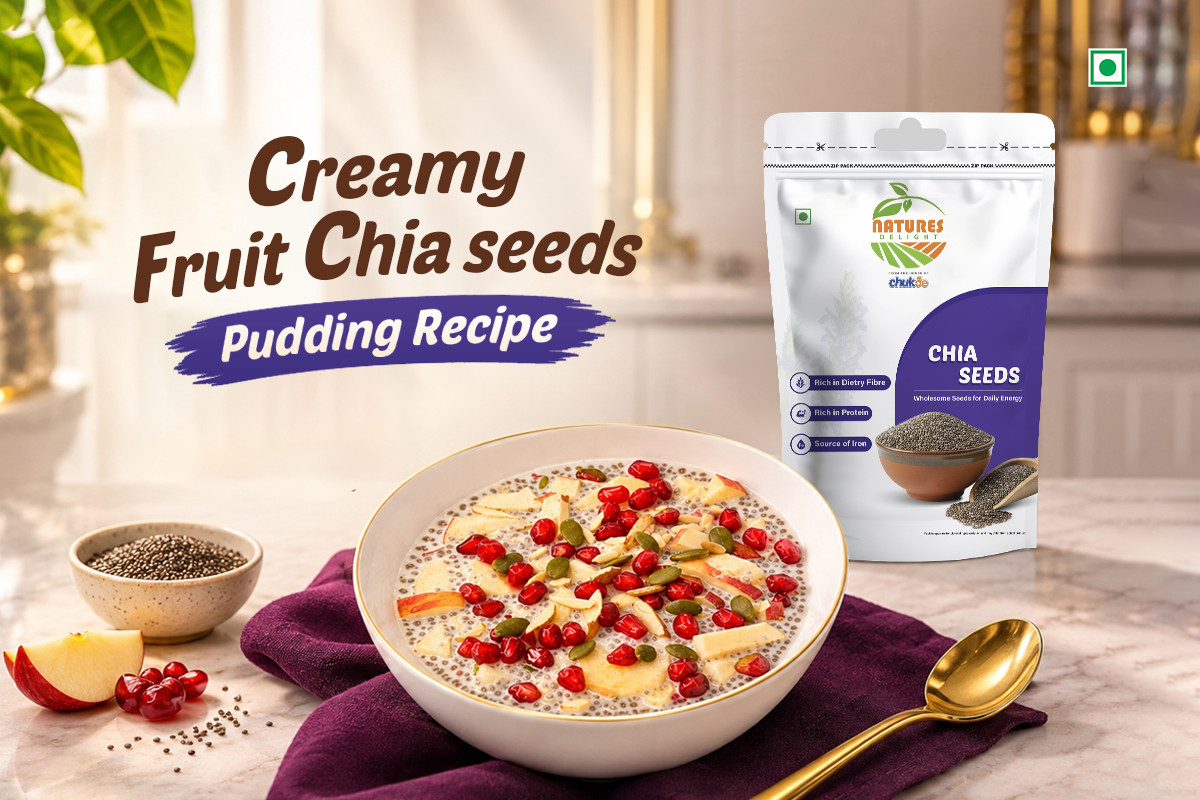
Make creamy fruit chia seeds pudding with milk, yogurt and berries. Prep it the night before for an easy, spoonable breakfast.
<% quickViewcurrVar.entity.title %> (<% quickViewcurrVar.price.off %>)
<% formatCurr(quickViewcurrVar.price.regular, quickViewcurrVar.price.curr_info) %> <% formatCurr(quickViewcurrVar.price.sale, quickViewcurrVar.price.curr_info) %> (Inc. tax) (Ex. tax)
Description (SKU - <% quickViewcurrVar.sku %>)
 TBS points:
Tags & Categories:

Powered by Science

100% cruelty free

Made in India
 100% safe
checkout

Invalid Product!


Checkout in
& get 2% OFF