


 Cart
Cart


 <% cart_fragment.free_shipping_message %>free shipping


Dhaniya Panjiri Recipe (Vrat-Friendly) for Janmashtami | Sabut Dhania & Makhana

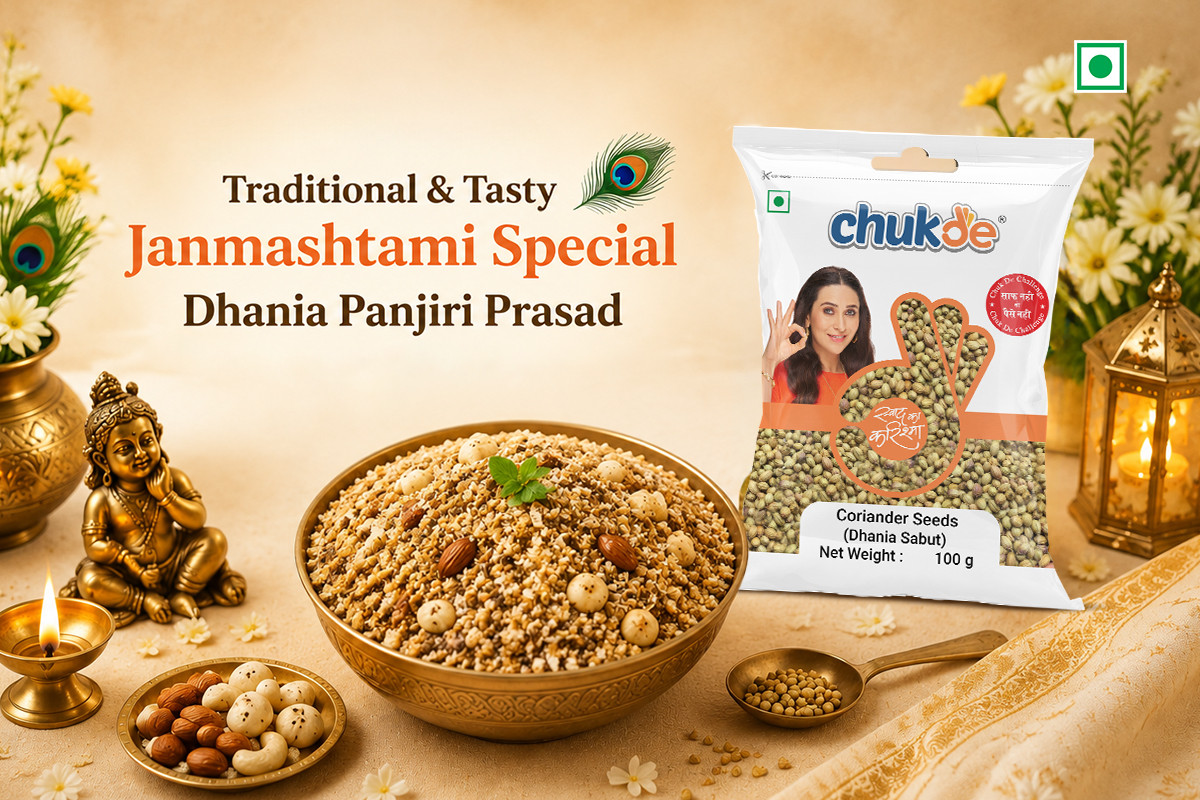
Janmashtami kitchens fill up fast. You need a prasad that fits a grain-free vrat, tastes festive, and can sit in a bowl till midnight. That is why so many homes search for a dhaniya panjiri recipe.
Dhaniya panjiri uses roasted coriander seeds in place of wheat flour. Nuts, makhana, ghee and jaggery give body. The mix stays dry, so you can offer it as bhog and share it after puja. Many families observe upvas without cereals, making this a practical choice.
This guide walks through roasting, grinding and mixing. You will also see common mistakes, a short comparison of sabut dhania versus ready powder, and simple airtight storage rules.
What Makes Dhaniya Ki Panjiri Different
Regular panjiri often starts with atta roasted in ghee. Many families skip cereals on this fast. Coriander seeds fill that gap. They add texture after roasting and grinding.
In my experience, the flavour sits in the roast, not in the sugar. When I worked through test batches in the kitchen, under-roasted powder left a raw, slightly bitter note. A slow roast on medium-low heat changed that. The kitchen smelled citrusy and nutty, which is what you want in Janmashtami prasad.
According to the Spices Board India, India remains a major coriander grower, with large output from states such as Rajasthan, Madhya Pradesh and Gujarat. Home cooks still buy both whole seeds and ground spices. For this dish, whole seeds give you more control over aroma.
Ingredients for One Small Batch
Makes about 1 cup.
- ½ cup coriander seeds (sabut dhania)
- ¼ cup mixed nuts (almonds and cashews)
- ¼ cup makhana (fox nuts)
- 2 tbsp melon seeds
- 2 tbsp grated dry coconut
- ½ cup jaggery powder or boora
- 3 tbsp ghee
- 1–2 green cardamom pods (elaichi)
You can swap jaggery for powdered sugar if that is your family style. Avoid icing sugar with starch if you keep a strict vrat or upvas.
How to Make This Dhaniya Panjiri Recipe
Roast items separately. They do not brown at the same speed. Coriander seeds take the longest—usually 8–12 minutes on medium-low heat.
- Dry-roast coriander seeds in a kadhai until they darken a little and smell warm. Tip them onto a plate.
- Add ghee. Roast makhana till crisp. Remove.
- Roast almonds and cashews till light brown. Remove.
- Roast melon seeds quickly. Then roast coconut on low heat so it does not scorch.
- Cool everything fully.
- Coarsely grind the seeds with cardamom. Grind makhana and nuts separately.
- Pulse coconut, melon seeds and jaggery once. Do not run the mixer long or the fat will turn pasty.
- Mix all parts in a bowl. Store in an airtight jar.
I’ve personally found that grinding while the mix is still warm melts the sweetener. The panjiri then clumps and loses its sandy bite. Wait until the kadhai mix is cool to the touch.
Seeds or Ready Coriander Powder?
| Choice | Best when | Watch-out |
|---|---|---|
| Sabut dhania, roasted then ground | You want fresh aroma | Needs 8–12 minutes of patient roasting |
| Ready coriander powder | You are short on time | Roast the powder in ghee for 10–12 minutes or it stays raw |
From practical kitchen observations, powder needs more stirring because it sits closer to the pan surface.
Mistakes to Avoid
- Using old nuts. Stale fat dulls the whole batch.
- Overgrinding nuts into a paste.
- Adding sugar or boora to a hot mix.
- Rushing the coriander roast. Bitter powder ruins Janmashtami prasad.
- Storing the mix in a damp dabba. Moisture clumps ground spices.
Storage Checklist
- Cool the mix completely.
- Use a dry spoon.
- Keep the jar airtight and away from steam.
- Room temperature works for about 5–7 days.
- Refrigerate for a few extra days, then bring to room temperature before serving.
Shelf life depends on ghee, nuts and humidity. If the smell turns sharp, discard the batch.
Serving Ideas
Offer a small bowl as bhog. Garnish with slivered nuts if you like. Many homes plate it with fruit and panchamrit. The dry texture travels well if you pack prasad for neighbours.
For flavour layering, keep cardamom light. Two pods are enough for this quantity. Extra elaichi covers the coriander.
Conclusion
A good dhaniya panjiri recipe is simple: roast coriander seeds slowly, treat nuts and makhana with care, cool the mix, then fold in jaggery. That method gives Janmashtami prasad a clear aroma and a dry, shareable texture.
Keep sabut dhania and elaichi in the pantry so you can make a fresh batch when the tithi arrives. Try the roast-and-cool steps once, then adjust sweetness to your home style. Shop sabut dhania and green elaichi for the next festival cook, and tell us how your panjiri turned out.
This article is for home cooking guidance. Follow your family vrat and upvas rules for ingredients. For confirmed Janmashtami 2026 timings, refer to reliable panchang sources such as this India Today update.
FAQ
1. How do you make Dhaniya Panjiri for Janmashtami?
Roast coriander seeds until fragrant, cool and grind them. Separately roast makhana, nuts, melon seeds and dry coconut in ghee. Let everything cool completely, then combine with boora, powdered sugar or jaggery and cardamom.
2. Why is Dhaniya Panjiri offered on Janmashtami?
Dhaniya Panjiri is traditionally prepared as bhog for Lord Krishna during Janmashtami in many households. Made with coriander instead of wheat flour, it also suits the cereal-free fasting practices followed by some families.
3. Can we eat Dhaniya Panjiri during a Janmashtami fast?
Dhaniya Panjiri can be eaten during a Janmashtami fast if its ingredients are allowed under your family’s vrat traditions. Use permitted nuts, seeds and sweeteners, and check packaged ingredients for added starch or other ingredients your household avoids.
4. Can I use coriander powder instead of whole seeds for Dhaniya Panjiri?
Yes, plain coriander powder can replace whole coriander seeds. Roast it gently in ghee, stirring continuously until fragrant and slightly darker. Roasting time varies with heat and quantity, so follow the aroma and colour rather than a fixed cooking time.
5. Is Dhaniya Panjiri healthy?
Dhaniya Panjiri contains nuts and seeds, but its nutritional value depends on the recipe and portion size. Ghee and added sweeteners make it a rich festive preparation. Replacing sugar with jaggery does not make it sugar-free.
Related articles
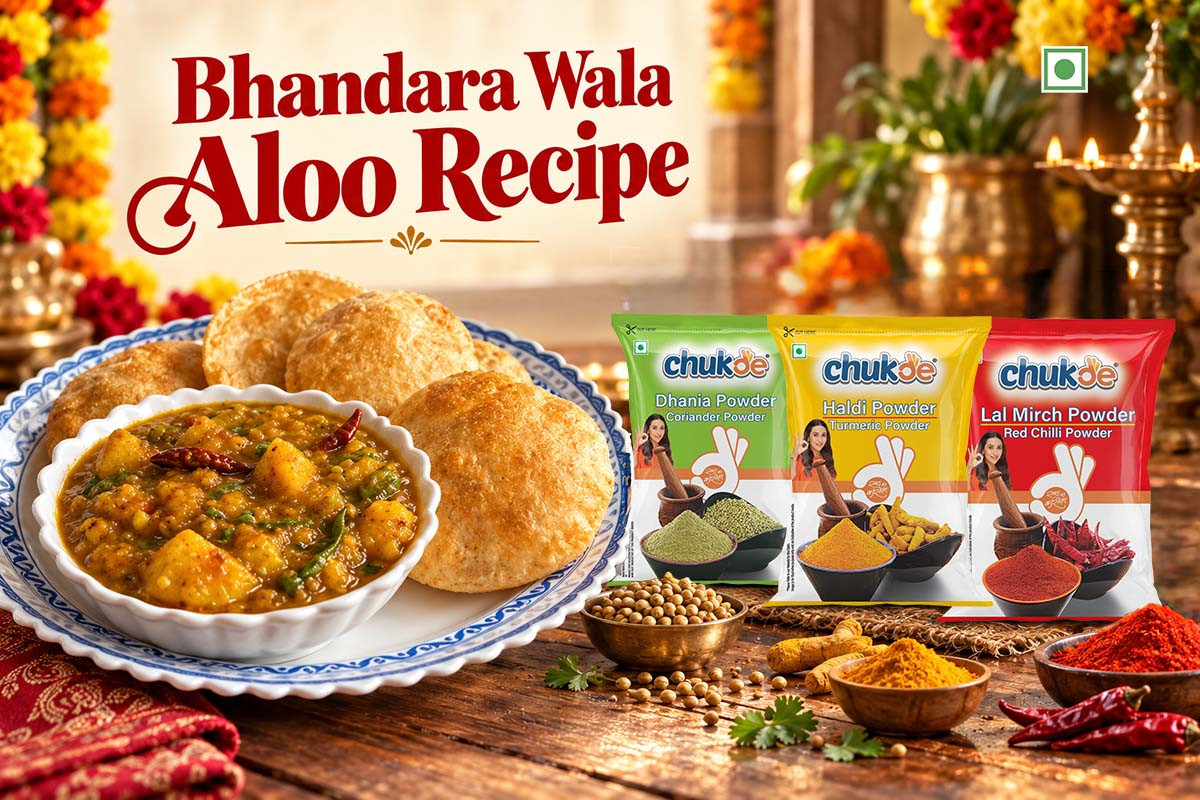
Make Bhandara Wala Aloo at home with hand-crushed potatoes, tomatoes and aromatic whole spices. Try this easy no-onion, no-garlic recipe with poori.
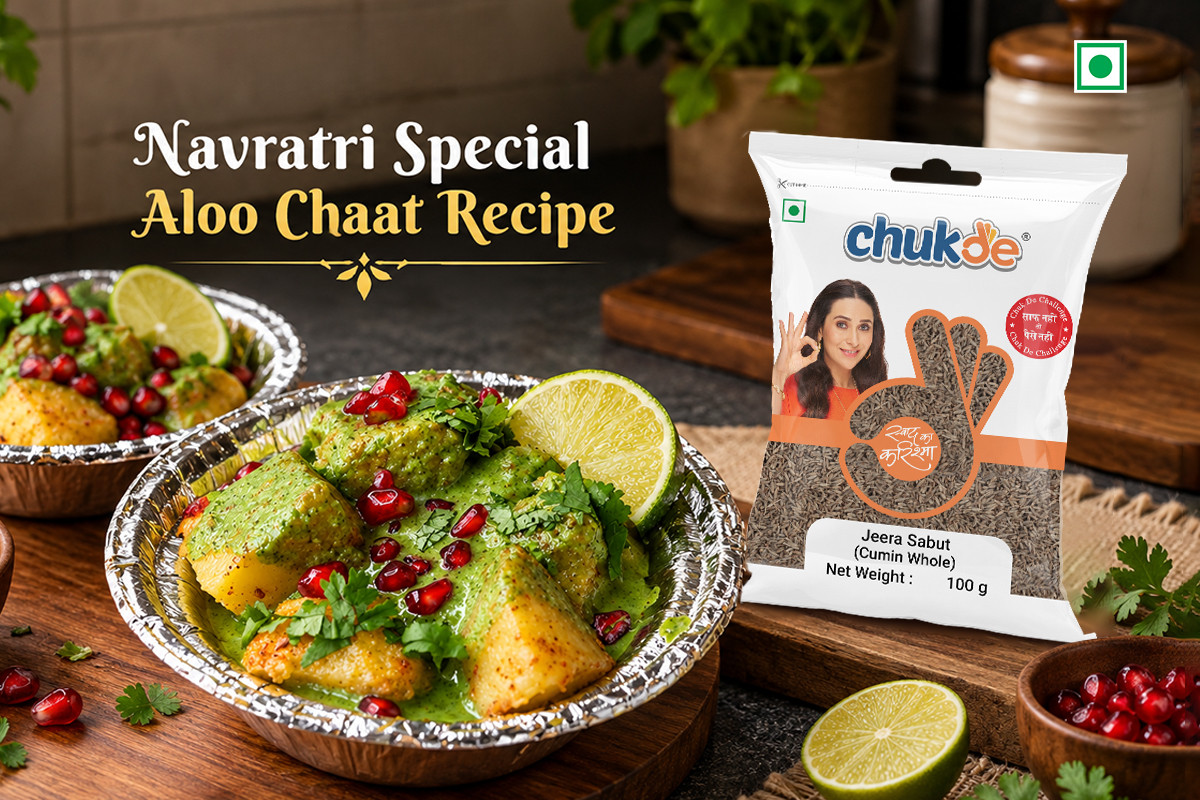
Make crispy Navratri special aloo chaat at home in 20 minutes. Vrat-friendly recipe with sendha namak, no onion-garlic. Perfect fasting snack for Navratri.
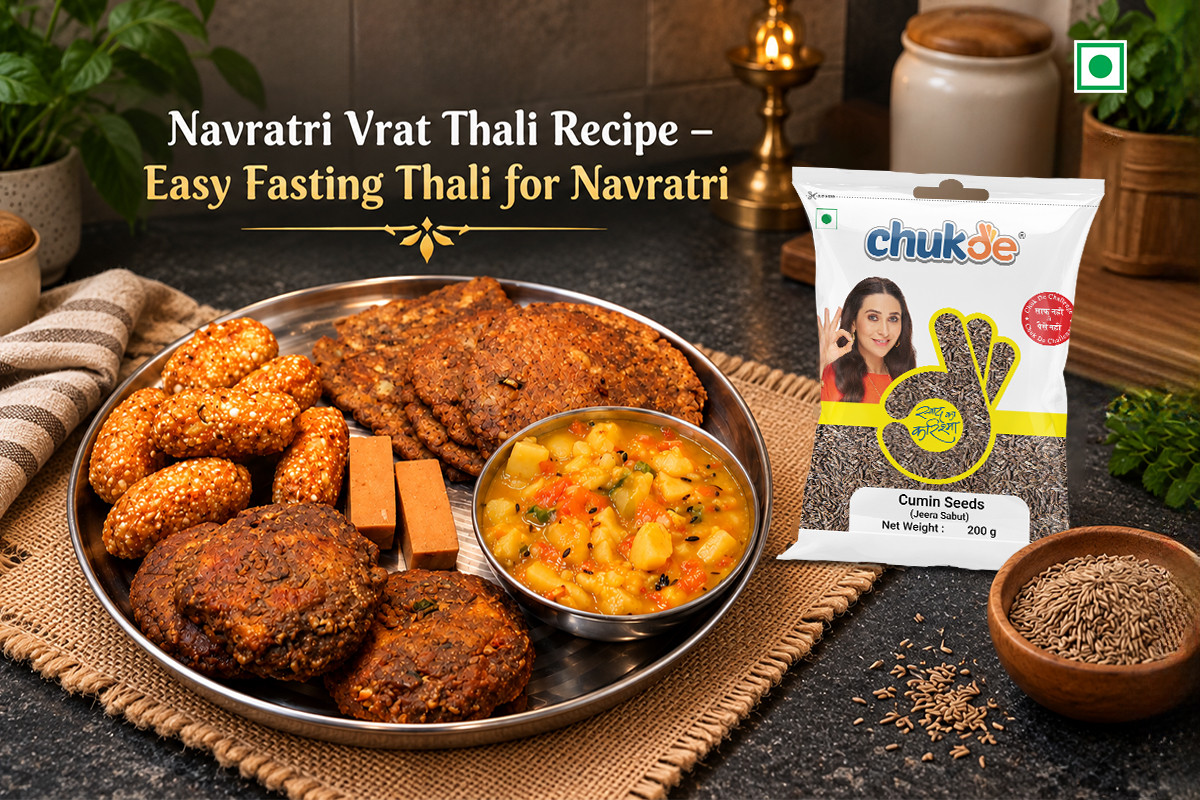
Make a complete Navratri Vrat Thali with aloo sabzi, kuttu puri, makhana raita & kheer. Simple, balanced & fully fasting-friendly recipe for Sharad Navratri 2026.
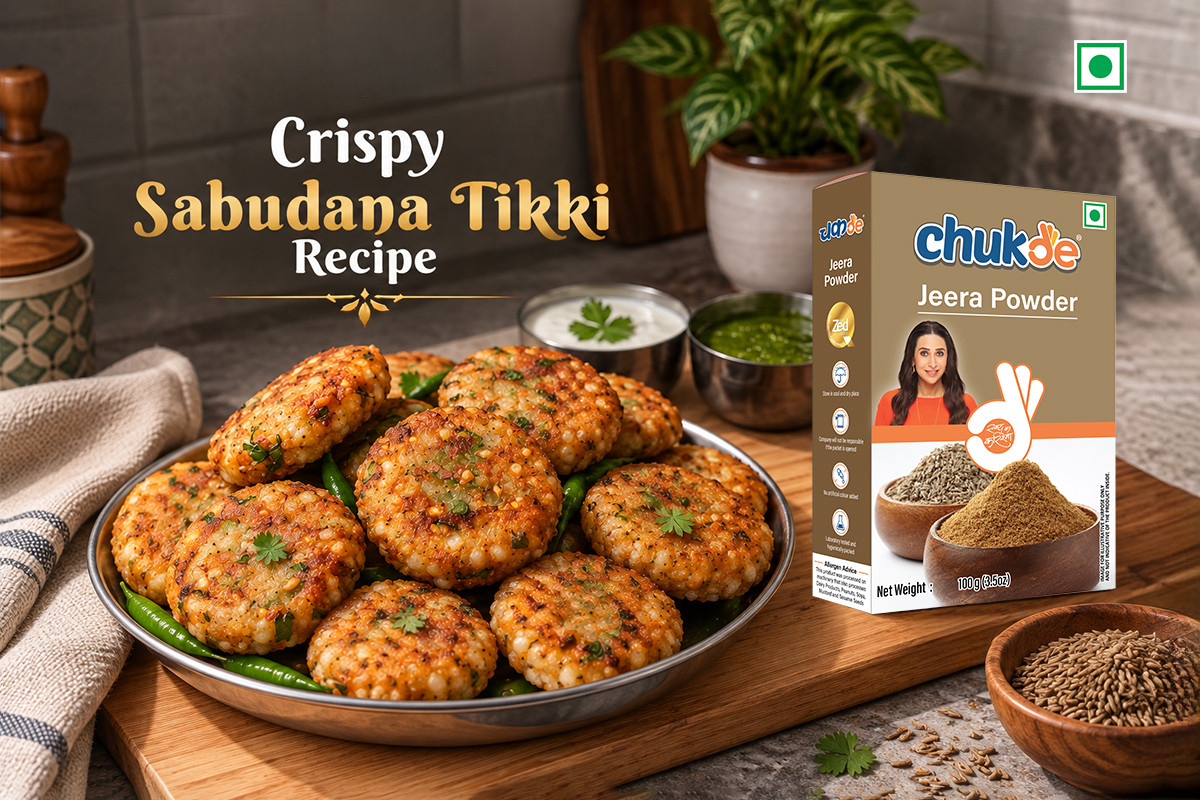
Crispy Sabudana Tikki recipe for Navratri vrat. Soft inside, golden outside. Easy pan-fried snack with sendha namak & simple spices. Perfect fasting treat.
<% quickViewcurrVar.entity.title %> (<% quickViewcurrVar.price.off %>)
<% formatCurr(quickViewcurrVar.price.regular, quickViewcurrVar.price.curr_info) %> <% formatCurr(quickViewcurrVar.price.sale, quickViewcurrVar.price.curr_info) %> (Inc. tax) (Ex. tax)
Description (SKU - <% quickViewcurrVar.sku %>)
 TBS points:
 Tags & Categories:

Powered by Science

100% cruelty free

Made in India
 100% safe
checkout
100% safe
checkout

Invalid Product!


Checkout in
& get 2% OFF