


 Cart
Cart


 <% cart_fragment.free_shipping_message %>free shipping


Besan Mawa Modak Recipe For Ganesh Chaturthi


Ganesh Chaturthi 2026 begins on 14 September 2026. If you are looking for a festive Modak Recipe without the delicate pleating and steaming required for traditional rice-flour modaks, this Besan Mawa Modak Recipe is a simple and delicious alternative.
The secret to soft, flavourful modaks lies in roasting the besan slowly until aromatic and handling the mawa carefully. Overheating the mawa can make the modaks chewy, while adding cardamom too early can reduce its fragrance. Follow the steps below to prepare rich, perfectly shaped modaks for bhog, prasad and festive sharing.
Below: ingredients, which flour belongs where, the method, spice measures, and the mistakes that leave you with chewy sweets.
What Goes into Besan Mawa Modak
Plain mawa modak is khoya, sugar, and cardamom. If you want that milky style without gram flour, see our Mawa Malai Modak recipe. Besan Mawa Modak folds in roasted gram flour so the sweet holds a flute and tastes nutty instead of only milky.
For about 12–14 medium modaks
- Besan (coarse gram flour): 1 cup (about 110 g)
- Ghee: ½ cup (about 70 g)
- Crumbled mawa / khoya: ½ cup (about 80–90 g)
- Powdered sugar: ½ cup, adjust to taste
- Fresh milk: 2–3 tbsp
- Green cardamom powder: ½ tsp
- Saffron strands: 8–10, soaked in 1 tbsp warm milk
- Chopped almonds, cashews, pistachios: 2 tbsp
- Extra ghee to grease the mould
Coarse besan keeps the ridges. Super-fine flour turns pasty once the milk goes in.
Soak the kesar strands first. Colour and aroma need warm milk and a little time. Dry strands in a hot pan just scorch.
Which Flour Works for Which Modak
| Type | Flour / base | Texture | Time | Best when |
|---|---|---|---|---|
| Ukadiche | Fine rice flour | Soft steamed shell | 45–70 min | Traditional Maharashtrian prasad |
| Fried modak | Wheat flour or maida | Crisp outside | 40–50 min | You want crunch |
| Mawa / khoya | No covering flour | Dense, creamy | 20–25 min | You want speed |
| Besan Mawa Modak | Gram flour + mawa | Grainy, nutty, mould-friendly | 30–35 min | Festival look without steaming |
Rice flour belongs in ukadiche dough. It is starchier and binds in steam. Besan belongs here because you are roasting, not steaming.
There is no official list of “21 types of modak.” Twenty-one is the customary number of modaks offered to Ganesha, not a recipe catalogue. Round-ups online jump from 7 styles to 25-plus: ukadiche, fried, mawa, chocolate, rava, coconut, dry fruit, and the rest.
How to Make This Modak Recipe
- Melt ghee in a heavy kadai on low heat. Add besan. Keep the spoon moving.
- Roast 10–15 minutes. Stop when it smells nutty, darkens one shade, and ghee starts to separate. Raw smell means keep going. Bitter smell means you went past it.
- Sprinkle 2–3 tbsp milk. Stir for 1 minute. You want a slightly grainy, halwai-style crumb.
- Take the pan off the heat. Fold in crumbled mawa and the kesar milk. Residual heat is enough. Flame-cooked mawa turns rubbery later.
- When the mix is warm, not hot, add powdered sugar, cardamom powder, and chopped nuts. Sugar on high heat weeps and loosens the dough.
- Grease the mould with ghee. Press mix up the sides, tuck in a small nut centre if you want one, close the base, and unmould.
Shape while it is warm. Cold dough cracks. Piping-hot dough sticks and slumps.
Spice note
½ tsp freshly ground green elaichi is enough for this batch. Cross ¾ tsp and it tastes soapy. No powder in the box? Crush 2–3 pods. Use green cardamom, not badi elaichi. The smoky black pod is for biryani. For the flavour difference, read our note on green cardamom vs badi elaichi.
Storage and Limits
Cool completely. Store in an airtight box. At room temperature, the modaks hold for about 2 days in dry weather. In the fridge, they keep for 3–4 days. The cold mix firms up, so give it 10 minutes on the counter before serving.
This is a rich festival sweet. Moisture in the mawa brand changes yield and softness. If the dough is dry, add 1 tsp warm milk. If the dough is loose, roast it for 1 more minute or let it rest for 8 minutes.
Quick Checklist Before Ganesh Chaturthi
- ✓ Roast on low heat only
- ✓ Soak kesar in warm milk
- ✓ Add sugar off the flame
- ✓ Grease the mould every time
- ✓ Do not overcook mawa
FAQ
What Are the Ingredients in Mawa Modak?
Khoya, sugar, and cardamom. Home batches often add ghee, kesar, and chopped nuts. Besan Mawa Modak also uses roasted gram flour.
Which Flour Is Good for Modak?
Rice flour for steamed ukadiche. Besan for this roasted version. Maida or wheat flour for fried shells. Do not put rice flour in this kadai method.
What Are the 21 Types of Modak?
Twenty-one is the offering count, not a fixed recipe catalogue. Common styles include ukadiche, fried, mawa, besan, chocolate, rava, and dry-fruit modak.
What Are the Main Ingredients in Modak?
It depends on the style. Steamed modak uses rice flour, coconut, and jaggery. This festival version uses besan, ghee, mawa, sugar, elaichi, and kesar.
Can I Skip the Mould?
Yes. Roll small cones with your palms. The taste stays the same; only the flutes change.
Conclusion
Besan Mawa Modak is the Modak Recipe that fits a short Ganesh Chaturthi week. Roast besan until it smells nutty, fold mawa off the heat, and finish with green elaichi and soaked kesar. Keep the batch small. Shape while warm. Store airtight.
Stock whole green elaichi and a few kesar strands first. Make the mix once, taste, then adjust sugar before you fill the mould.
Write down what your mawa did on your stove. That note is more useful next year than another printout.
Related articles
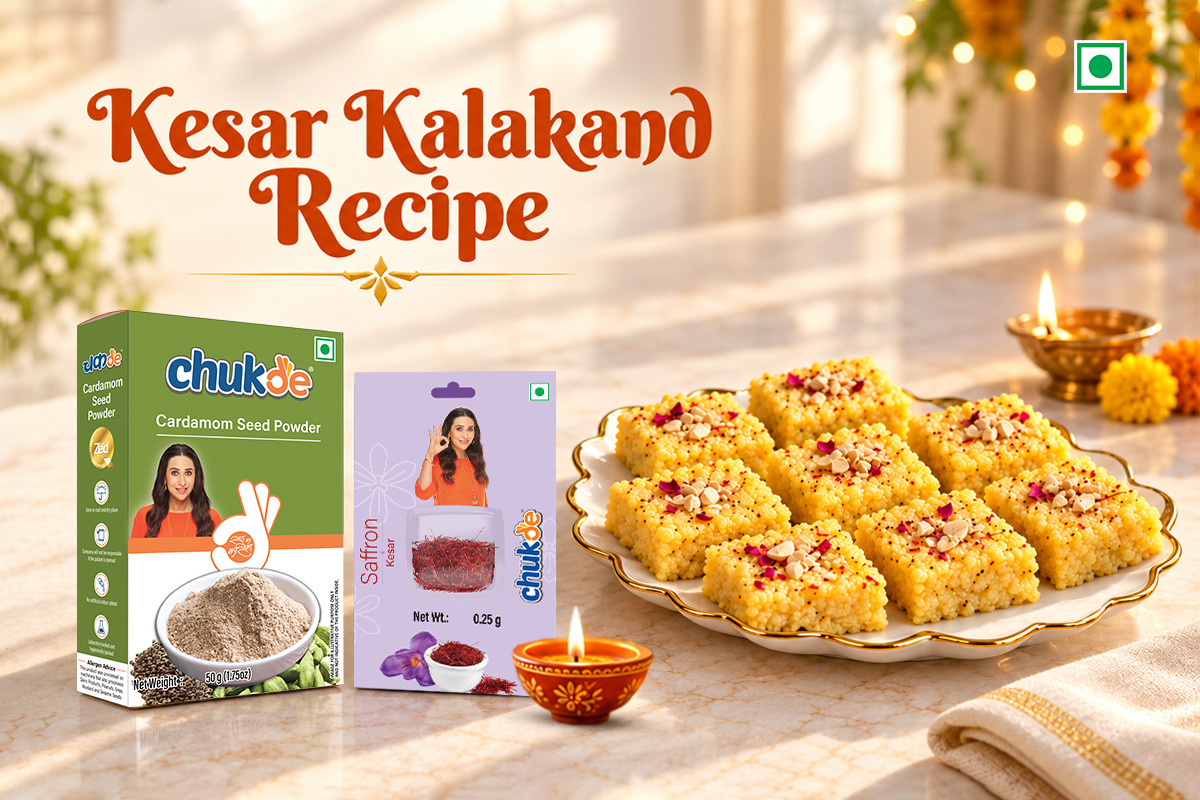
Make soft, grainy kesar kalakand at home with paneer, condensed milk, saffron and cardamom. Try this easy milk cake recipe for festive celebrations.

Try 10 easy homemade Diwali sweets, from besan ladoo to kaju katli. Add Chukde Green Elaichi and Kesar for festive flavour and aroma.
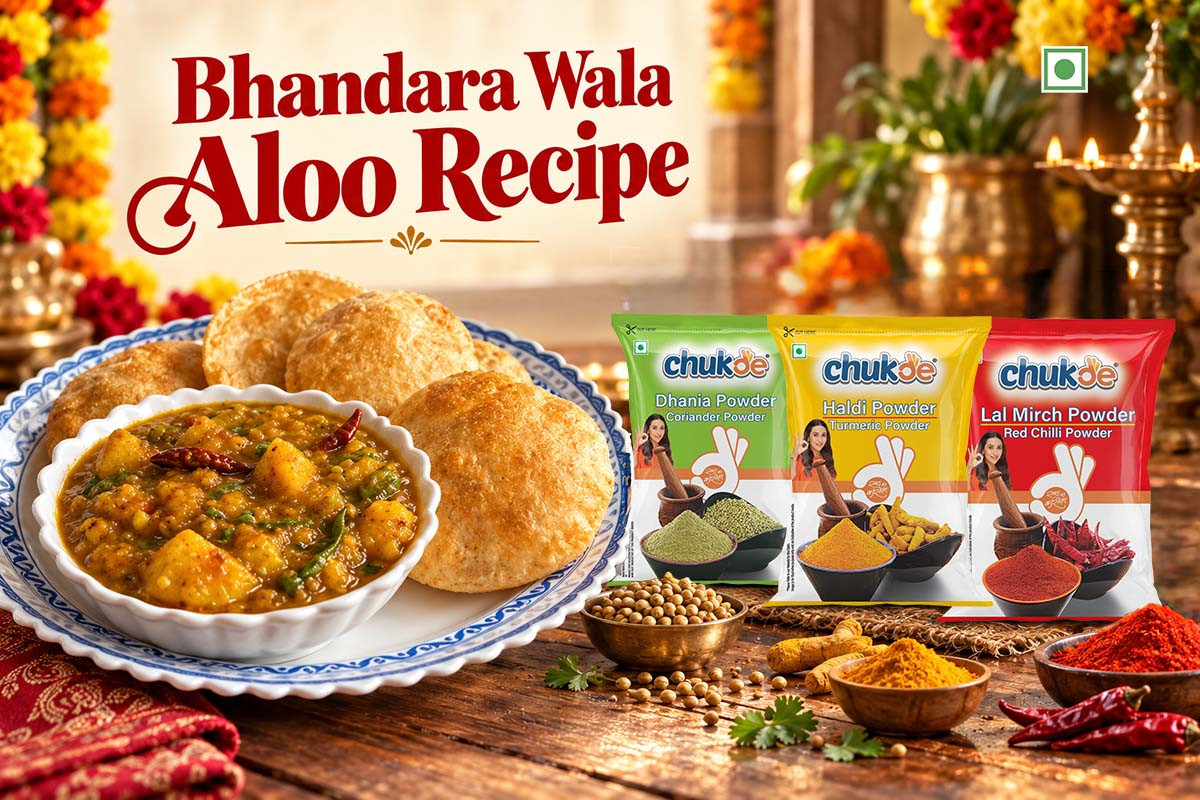
Make Bhandara Wala Aloo at home with hand-crushed potatoes, tomatoes and aromatic whole spices. Try this easy no-onion, no-garlic recipe with poori.
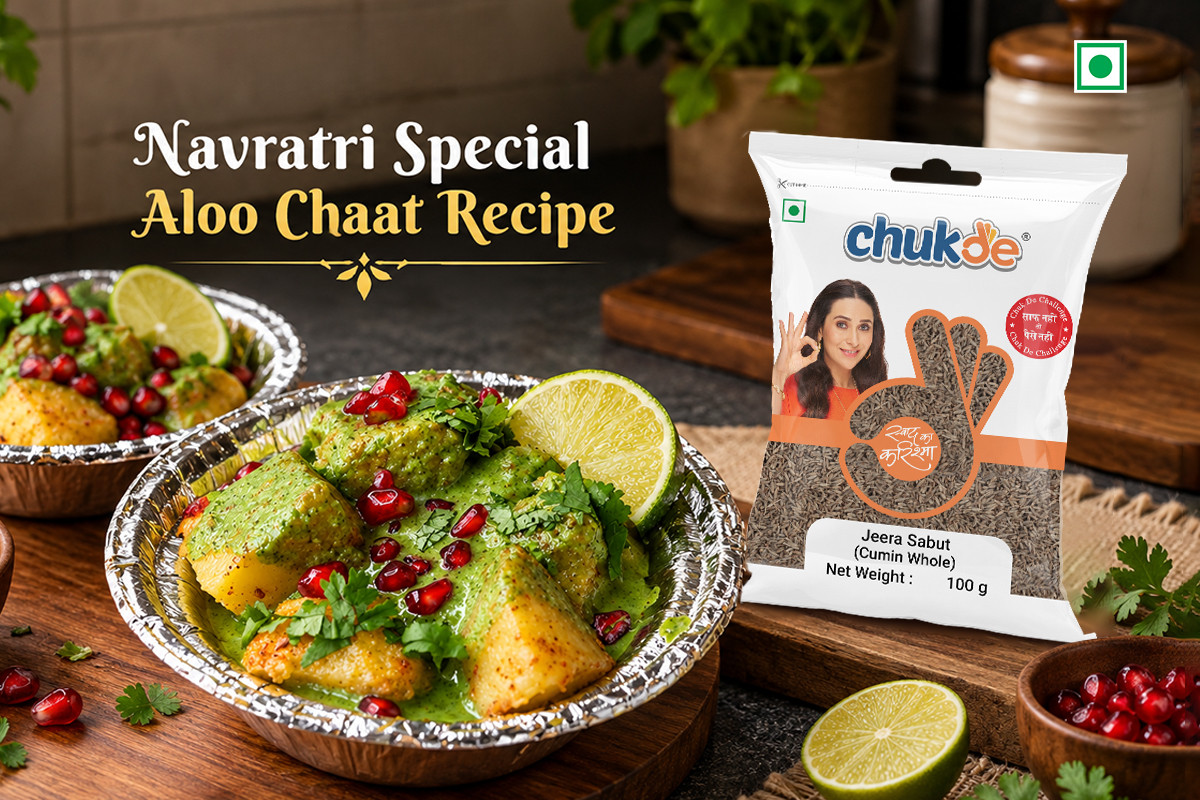
Make crispy Navratri special aloo chaat at home in 20 minutes. Vrat-friendly recipe with sendha namak, no onion-garlic. Perfect fasting snack for Navratri.
<% quickViewcurrVar.entity.title %> (<% quickViewcurrVar.price.off %>)
<% formatCurr(quickViewcurrVar.price.regular, quickViewcurrVar.price.curr_info) %> <% formatCurr(quickViewcurrVar.price.sale, quickViewcurrVar.price.curr_info) %> (Inc. tax) (Ex. tax)
Description (SKU - <% quickViewcurrVar.sku %>)
 TBS points:
 Tags & Categories:

Powered by Science

100% cruelty free

Made in India
 100% safe
checkout
100% safe
checkout

Invalid Product!


Checkout in
& get 2% OFF