


 Cart


 <% cart_fragment.free_shipping_message %>free shipping


Kesar Kalakand Recipe – Easy Homemade Saffron Milk Fudge

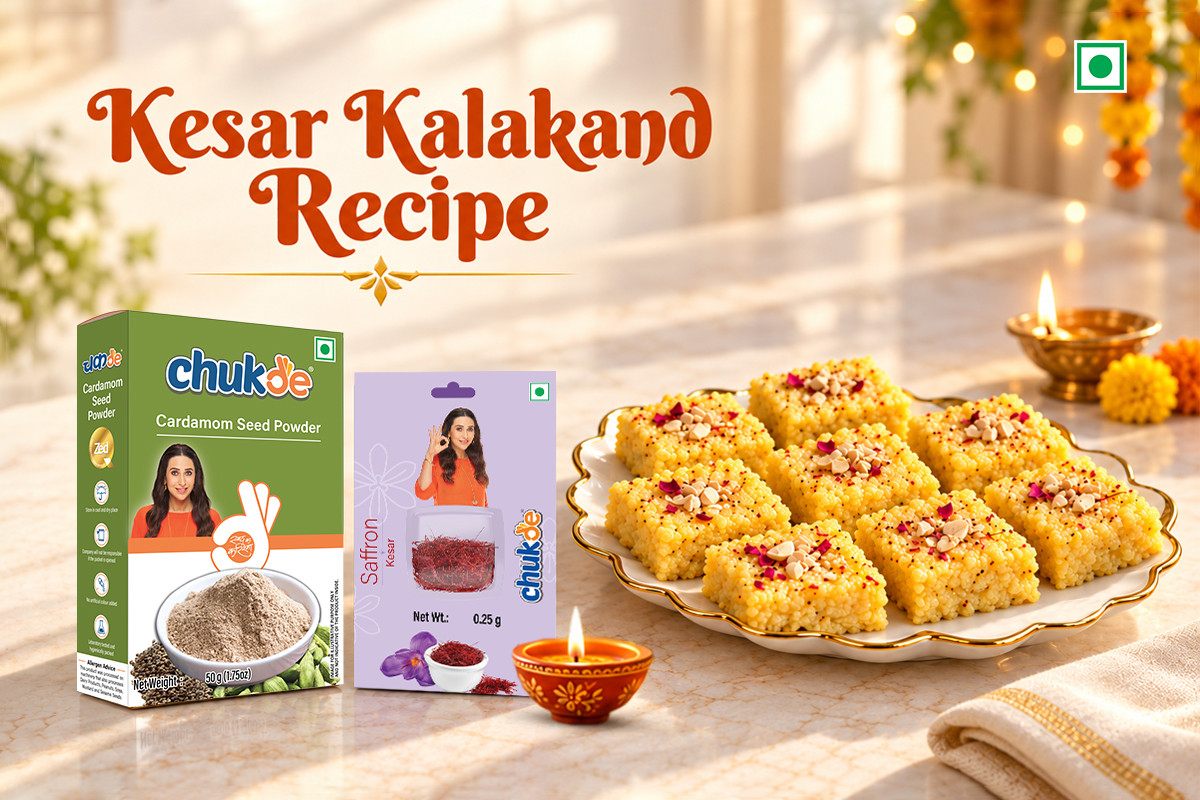
Making soft, melt-in-mouth kesar kalakand at home feels special, especially during festivals. Many people search for milk cake because the two names often refer to the same sweet. This recipe gives you a quick version using paneer and condensed milk that is ready in about 25 minutes of active cooking.
In my experience testing different batches, the key to good texture lies in continuous stirring and not overcooking the mixture. When I worked on festive recipe trials last season, I noticed that most home cooks struggle with either a sticky mess or a dry, hard fudge. This method solves both problems.
You will learn the exact steps, how to get the right grainy yet soft consistency, simple storage tips, and answers to common questions. The recipe stays eggless and uses everyday ingredients found in most Indian kitchens.
Ingredients You Need
- 500 g paneer, coarsely crumbled
- 1 tin (400 g) sweetened condensed milk
- 2 heaped tablespoons milk powder
- A few strands of Kesar Saffron soaked in 1 tablespoon warm milk
- Cardamom powder from 4 pods of Green Elaichi
- 7–8 blanched pistachios or almonds, sliced
- ½ to 1 tablespoon ghee for greasing the tray
These quantities yield 15–20 small pieces, depending on how you cut them.
Step-by-Step Method for Kesar Kalakand
- Soak the saffron strands in warm milk for 10–15 minutes. This helps the colour and aroma release properly. Using good quality kesar saffron makes a clear difference in the final colour.
- In a heavy-bottomed pan, mix the crumbled paneer, condensed milk, and milk powder.
- Place the pan on low to medium heat. Stir continuously. The mixture will first loosen and then slowly thicken. Keep stirring until it starts pulling away from the sides of the pan. This usually takes 12–15 minutes.
- Add the soaked saffron along with its milk and the cardamom powder. You can use ready green elaichi powder for convenience. Mix for one more minute.
- Transfer the mixture to a ghee-greased plate or tray. Spread it evenly to about half-inch thickness. Do not make it too thin.
- Sprinkle sliced nuts and a few extra saffron strands on top. Press them lightly.
- Let it sit in the refrigerator for 45 minutes to 1 hour. Cut into squares and serve.
From practical kitchen observations, the mixture is ready when you can gather it easily on one side of the pan without it spreading back. If it still looks runny, cook for another 2–3 minutes while stirring.
Instant vs Traditional Kalakand
|
Point |
Instant Version (This Recipe) |
Traditional Version |
|
Time |
25 minutes active |
1–2 hours |
|
Main ingredients |
Paneer + condensed milk |
Full-fat milk + lemon/vinegar |
|
Texture |
Soft and slightly grainy |
Very grainy and dense |
|
Effort |
Low |
High (constant reduction) |
The instant method works well for busy days and festive last-minute needs. The traditional way gives a more classic dairy flavour if you have time.
Common Mistakes to Avoid
- Cooking on high heat – the mixture burns easily and turns brown.
- Stopping the stirring – lumps form quickly.
- Spread the mixture too thin – the pieces break when cut.
- Cutting before it sets fully – the fudge stays soft and messy.
Storage Checklist
- Cool completely before storing.
- Keep in an airtight container.
- Refrigerate for up to 4–5 days.
- Place pieces in a single layer if possible.
- Avoid moisture – do not cover while still warm.
Quick Tips for Better Results
- Use full-fat paneer for richer taste. If using frozen paneer, soak it in warm water for 10 minutes first.
- You can replace cardamom with a few drops of rose water if you prefer that flavour. Freshly ground green elaichi always gives better aroma.
- For a slightly firmer set, cook the mixture one or two minutes longer after it leaves the sides.
Kesar kalakand, also known as milk cake in many homes, pairs beautifully with other Diwali sweets. The saffron and cardamom give it a festive aroma that feels special without much extra work. For more information on spice quality and usage guidelines, you can refer to the Spices Board of India.
Frequently Asked Questions
Can I make kesar kalakand without condensed milk?
Yes, but the traditional method needs full-fat milk reduced for a long time. Condensed milk saves time and gives consistent sweetness.
Why is my kalakand too soft or sticky?
It needs more cooking time. Keep stirring on low heat until the mixture leaves the sides of the pan cleanly.
How long does homemade milk cake last?
In the refrigerator, it stays good for 4–5 days when stored in an airtight container in a single layer.
Can I use powdered saffron instead of strands?
Strands give better colour and aroma. Powder can be used in a pinch, but the flavour is milder.
Is this recipe suitable for festivals like Diwali?
Yes. It is quick to prepare, looks festive with saffron and nuts, and travels well when packed carefully.
Conclusion
This easy kesar kalakand recipe shows that you do not need hours in the kitchen to make a soft, flavourful milk cake. With paneer, condensed milk, good saffron and cardamom, you get a festive sweet that sets beautifully and tastes homemade.
Try the method once, note the exact time your mixture takes to leave the sides, and adjust slightly next time. Keep the pieces refrigerated and enjoy them within a few days.
Explore more whole spices and ready powders on the Chukde Spices collection to stock your kitchen for everyday cooking and festive recipes. For food safety and labelling standards, the FSSAI website remains a reliable reference.
Related articles

Try 10 easy homemade Diwali sweets, from besan ladoo to kaju katli. Add Chukde Green Elaichi and Kesar for festive flavour and aroma.
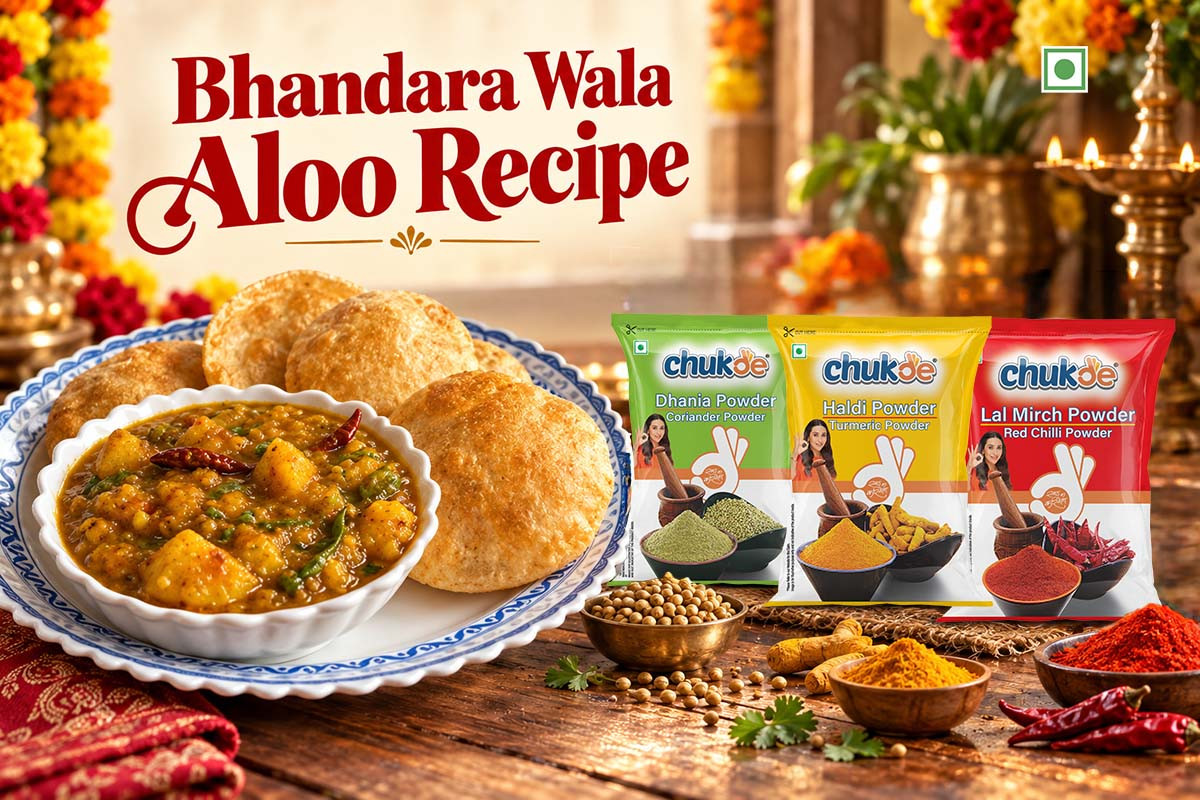
Make Bhandara Wala Aloo at home with hand-crushed potatoes, tomatoes and aromatic whole spices. Try this easy no-onion, no-garlic recipe with poori.
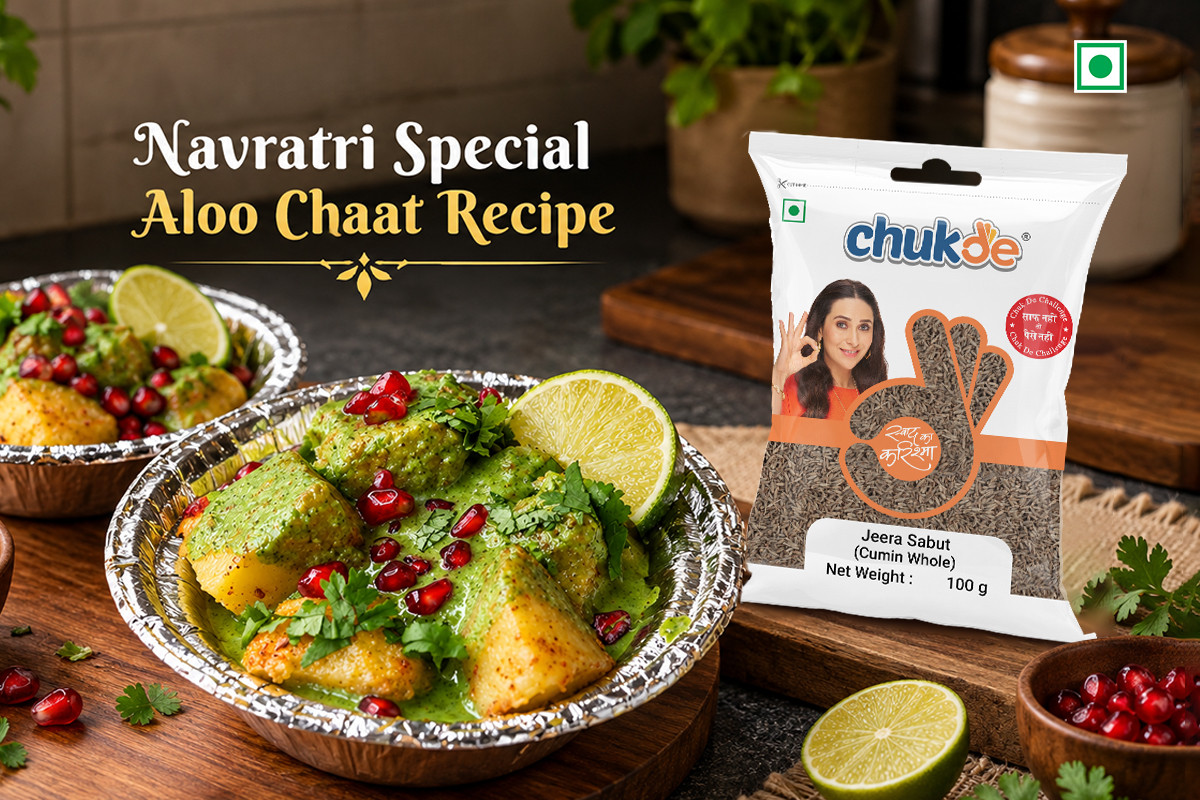
Make crispy Navratri special aloo chaat at home in 20 minutes. Vrat-friendly recipe with sendha namak, no onion-garlic. Perfect fasting snack for Navratri.
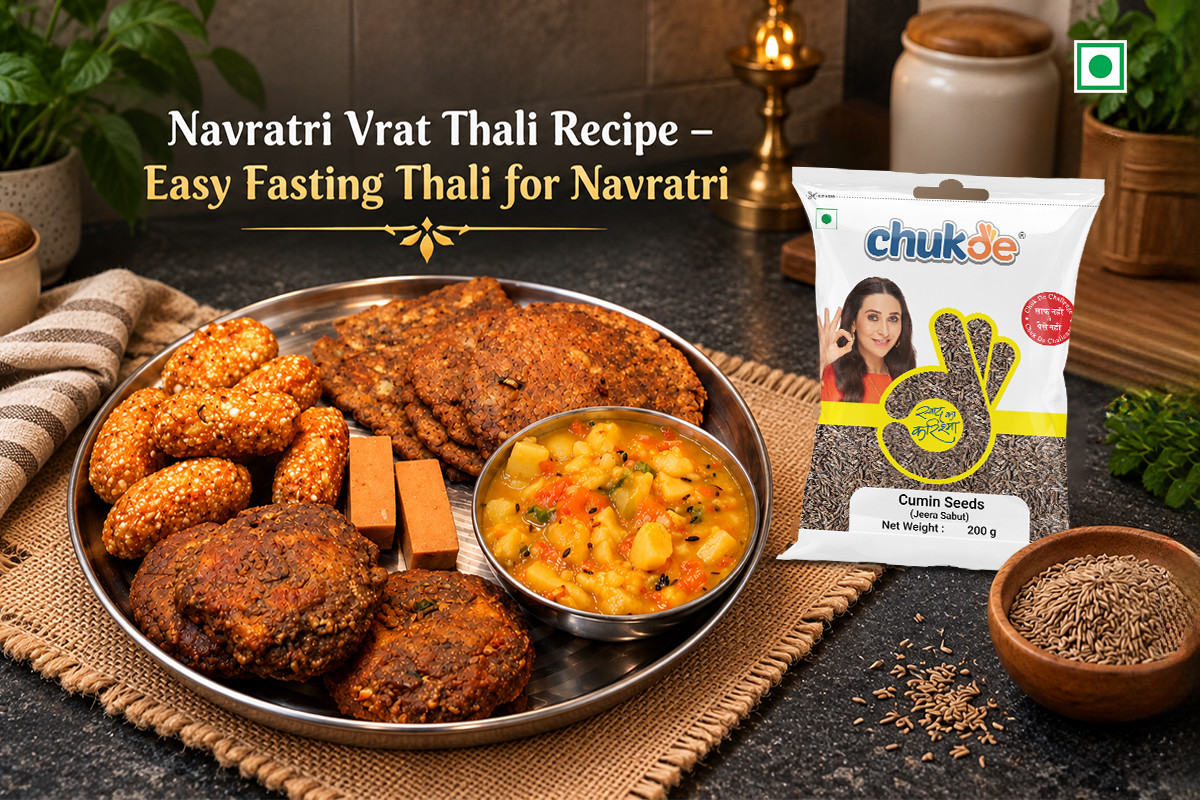
Make a complete Navratri Vrat Thali with aloo sabzi, kuttu puri, makhana raita & kheer. Simple, balanced & fully fasting-friendly recipe for Sharad Navratri 2026.
<% quickViewcurrVar.entity.title %> (<% quickViewcurrVar.price.off %>)
<% formatCurr(quickViewcurrVar.price.regular, quickViewcurrVar.price.curr_info) %> <% formatCurr(quickViewcurrVar.price.sale, quickViewcurrVar.price.curr_info) %> (Inc. tax) (Ex. tax)
Description (SKU - <% quickViewcurrVar.sku %>)
 TBS points:
Tags & Categories:

Powered by Science

100% cruelty free

Made in India
 100% safe
checkout

Invalid Product!


Checkout in
& get 2% OFF