


 Cart
Cart


 <% cart_fragment.free_shipping_message %>free shipping


Elaichi Benefits: Comprehensive Health Guide For Green Cardamom


Elaichi is a regular part of Indian cooking. People add it to chai, kheer, and curries mainly for its aroma. Many also search for elaichi khane ke fayde because they want to know how it supports digestion and daily health.
This guide explains the key compounds in green cardamom, practical ways to use it, safe daily amounts, and important points to consider.
What’s Inside Elaichi? Key Compounds
The effects of elaichi come from its natural oils and minerals. Green cardamom contains volatile oils, mainly 1,8-cineole and terpenes. Research published in the Journal of Ethnopharmacology (2022) highlights that 1,8-cineole contributes to the aroma and traditional digestive support associated with cardamom.
It also provides manganese along with smaller amounts of magnesium and iron. One average pod contains roughly 1.3–1.5 mg of manganese. These compounds work together when the pods are lightly crushed before use, allowing better aroma release during cooking or steeping.
From practical kitchen observations, freshly crushed pods deliver noticeably better flavour layering compared to old ground powder.
Green Cardamom vs Badi Elaichi
Here is a clear comparison between the two types:
|
Feature |
Green Cardamom (Elaichi) |
Badi Elaichi |
|
Flavour |
Sweet, floral, mild citrus |
Smoky, strong, camphor-like |
|
Best used in |
Chai, kheer, light curries, desserts |
Biryani, dal makhani, meat gravies |
|
Daily use |
More suitable for regular cooking |
Better for occasional heavy dishes |
|
Aroma release |
Quick and bright |
Slow and deep |
Green cardamom works better for everyday use because of its lighter and more versatile profile.
Practical Benefits of Elaichi
Here are the benefits most people notice with regular use:
- Supports digestion when 1–2 pods are chewed after meals.
- Freshens breath naturally due to its strong aroma.
- Improves flavour layering in masala chai, biryani, and kheer.
- Fits easily into simple daily habits like adding pods to tea or warm water.
How to Use Elaichi Daily
In masala chai
Crush 2 pods and add them while boiling water with tea leaves. Simmer for 2–3 minutes before adding milk.
With warm water at night
Lightly crush 1–2 pods and steep in warm water for 5 minutes. Many people drink this after dinner.
After meals
Chew one pod slowly. This works as both a mouth freshener and digestive support.
In cooking
Add whole pods during tempering for dal or vegetables.
In sweets
Add a small pinch of elaichi powder towards the end of cooking kheer or halwa.
How Much Elaichi Per Day?
Most people do well with 2 to 4 pods per day. This includes pods used in cooking and chewing after meals. If using powder, ¼ to ½ teaspoon daily is generally enough. Start with 1–2 pods if you are new to regular use and adjust based on how you feel.
Possible Side Effects
Elaichi is generally well tolerated in normal cooking amounts. However, very high intake can cause stomach discomfort or acidity in some people. Those with gallstones should use it in moderation as it may stimulate bile production. Pregnant women should stick to normal cooking quantities. People on blood pressure or blood-thinning medicines should consult a doctor before significantly increasing intake. Allergic reactions are rare.
Other Questions People Often Ask
Elaichi for weight loss
Regular use may indirectly support weight management by aiding digestion and reducing bloating after meals. However, it is not a weight loss supplement on its own and should not replace a balanced diet or exercise.
Cardamom for diabetes
Some traditional use and limited studies suggest elaichi may help with blood sugar management. However, it should not replace medical treatment. People with diabetes should consult their doctor before using it for therapeutic purposes.
Elaichi for skin
Its antioxidant compounds may offer general support for overall health. Direct evidence for specific skin benefits remains limited. Most benefits come from internal use as part of a balanced diet.
Cardamom in Ayurveda
In traditional Ayurvedic practice, elaichi is valued for supporting digestion and balancing flavours in food. Modern use aligns with many of these traditional applications when consumed in moderate amounts through cooking.
Storage Checklist for Better Shelf Life
- Store whole pods in an airtight glass jar.
- Keep the jar away from direct sunlight and moisture.
- Avoid storing elaichi near strong-smelling spices.
- Use ground powder within 2–3 months for best aroma.
- Whole pods generally stay good for 8–12 months when stored properly.
- Replace pods if the colour fades or the smell weakens significantly.
FAQs
What are the main benefits of elaichi?
Elaichi supports digestion when chewed after meals and freshens breath due to its natural aroma. It also improves flavour layering in chai, kheer, and rice dishes when added during cooking. Many people searching for elaichi khane ke fayde want these practical daily benefits.
How many cardamom pods can I take in a day?
Most people do well with 2 to 4 pods daily through cooking and chewing after meals. Beginners should start with 1–2 pods and increase gradually while observing how their body responds to regular use.
Can I drink elaichi water every night?
Yes. Many people crush 1–2 pods in warm water and drink it after dinner. This is a common traditional practice believed to support digestion and can be easily added to a nightly routine without much effort.
What happens if I eat too much elaichi?
Taking large amounts regularly may cause stomach discomfort or acidity in some people. It is better to stay within moderate limits of 2 to 4 pods per day for most individuals to avoid any unwanted effects.
Is elaichi good during pregnancy?
Normal amounts used in cooking are generally fine during pregnancy. Pregnant women should avoid taking large quantities or concentrated supplements without consulting their doctor first, as individual responses can vary and safety is important.
Can I eat cardamom on an empty stomach?
Some people do this without issues, but others may experience discomfort. It is usually safer to consume elaichi with food or after meals rather than on a completely empty stomach, especially if you have a sensitive digestion.
Conclusion
Elaichi brings both flavour and practical benefits when used regularly in Indian cooking. Its natural compounds support digestion and aroma release in everyday dishes. Simple habits like adding pods to chai or drinking them with warm water at night fit easily into most routines.
Focus on moderate use of 2 to 4 pods per day and proper storage. Ready to add fresh elaichi to your daily cooking? Explore Chukde’s whole green cardamom pods and elaichi powder for consistent quality in your kitchen.
Related articles
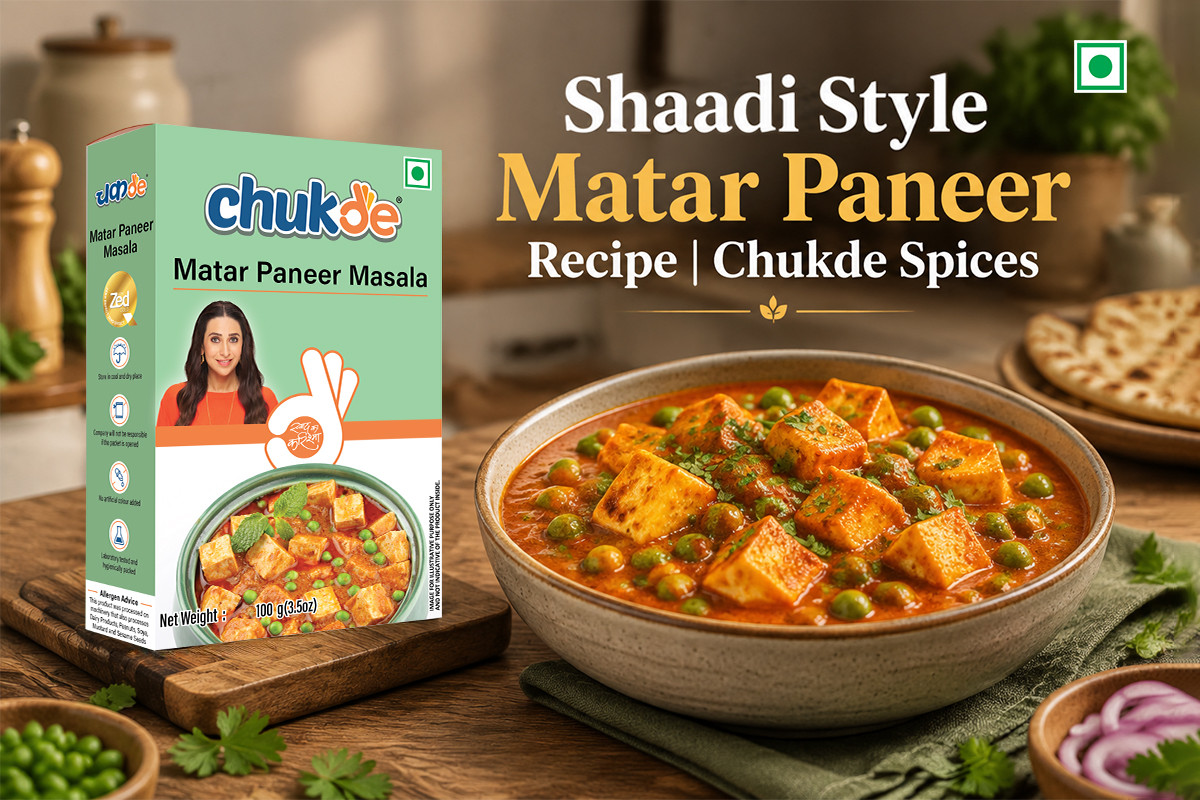
Learn how to make Shaadi Style Matar Paneer with creamy gravy, soft paneer and rich flavours. Easy wedding style recipe with Chukde Matar Paneer Masala.

Discover why Kashmiri Lal Mirch adds rich colour with mild heat. Learn its benefits, cooking uses, storage tips and difference from regular chilli.

Masala loses aroma due to heat, light, moisture and air. Learn common spice storage mistakes, practical fixes, shelf life tips and better pantry habits for Indian spices.

Aloo Bharwa Shimla Mirch Recipe with spicy potato stuffing, aromatic Indian spices and easy cooking steps. Perfect vegetarian side dish for roti, paratha and dal rice.
<% quickViewcurrVar.entity.title %> (<% quickViewcurrVar.price.off %>)
<% formatCurr(quickViewcurrVar.price.regular, quickViewcurrVar.price.curr_info) %> <% formatCurr(quickViewcurrVar.price.sale, quickViewcurrVar.price.curr_info) %> (Inc. tax) (Ex. tax)
Description (SKU - <% quickViewcurrVar.sku %>)
 TBS points:
 Tags & Categories:

Powered by Science

100% cruelty free

Made in India
 100% safe
checkout
100% safe
checkout

Invalid Product!


Checkout in
& get 2% OFF