


 Cart
Cart


 <% cart_fragment.free_shipping_message %>free shipping


Sabut Dhaniya: Why Coriander Seeds Are Good For Health

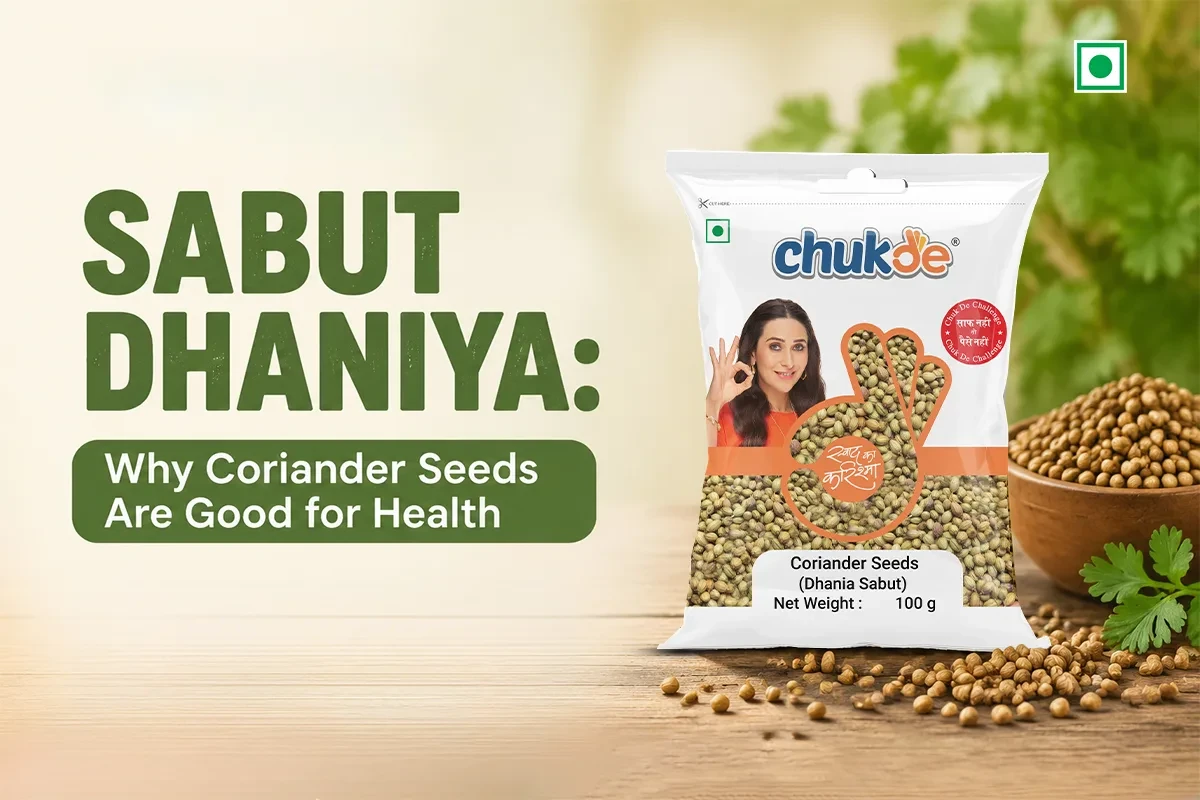
Many Indian kitchens keep a jar of sabut dhaniya within easy reach. You toss a few seeds into hot oil for tadka, grind them fresh for a masala, or soak them overnight for a simple morning drink. Yet people still ask the same question: why do these small, round seeds matter beyond flavour?
This post explains what coriander seeds actually offer, how to use them in everyday cooking, and where the limits lie. You will find practical tips drawn from kitchen testing, clear storage advice, and realistic notes on the most discussed effects.
What Exactly Is Sabut Dhaniya?
Sabut dhaniya means whole coriander seeds. They come from the Coriandrum sativum plant, the same plant that gives us the green leaves called cilantro or dhaniya patta. The seeds and leaves taste completely different.
The seeds carry a warm, citrusy, slightly earthy aroma once you heat them. That aroma comes from volatile oils that release during roasting or tempering. In my experience, freshly roasted and ground seeds give a brighter flavour than store-bought powder that has sat open for months.
Whole spices like these last longer than ground versions when stored correctly. That alone makes Dhania Sabut a smart pantry choice for home cooks who care about consistent taste.
How Coriander Seeds Support Everyday Digestion
One of the most consistent traditional uses of coriander seeds is digestive comfort. The seeds contain fibre and aromatic compounds that may help food move through the system more smoothly.
From practical kitchen observations, people who add a light tadka of coriander seeds to dal or vegetable dishes often report less heaviness after meals. The volatile oil linalool is frequently mentioned in food-science discussions for its mild relaxing effect on gut muscles.
A small human trial using a herbal mix that included coriander showed reduced abdominal discomfort in people with irritable bowel symptoms over eight weeks. That does not mean coriander seeds alone act as medicine. It does suggest the spice has a place in meals that feel light and easy to digest. You can read more about traditional spice uses on the Spices Board of India website.
Simple ways to use them for this purpose:
- Lightly crush ½ teaspoon of seeds and add to hot oil at the start of tempering.
- Soak 1 teaspoon overnight, strain, and drink the water in the morning.
- Grind fresh seeds into homemade spice blends for curries and marinades.
Blood Sugar and Heart-Related Observations
Several small studies have looked at coriander seed powder in people with type 2 diabetes. In one six-week trial, participants taking 1 gram of seed powder daily showed lower fasting glucose and improved cholesterol markers compared with placebo. An earlier study used 5 grams daily and recorded similar directional changes.
These are modest sample sizes. Culinary amounts used in normal cooking are far lower. If you take diabetes or blood-pressure medication, talk to your doctor before using large quantities of seed powder or concentrated drinks. The seeds may enhance the effect of those medicines. For a general overview of coriander research, see this summary on WebMD.
Coriander seeds also show mild diuretic activity in laboratory work. That means they can encourage the body to release a little extra water and sodium. In daily cooking this effect stays gentle.
The Cooling Quality in Traditional Use
In Ayurvedic cooking, sabut dhaniya is described as cooling. Cooks reach for it during hot weather or after spicy meals to balance internal heat. Many families prepare dhaniya water by soaking the seeds overnight for this reason.
While modern clinical trials do not measure body heat as a primary endpoint, the traditional practice remains popular across Indian households. The mild flavour and easy preparation make it a low-effort addition to summer routines. Pairing coriander seeds with barik saunf or jeera sabut creates a classic cooling combination used in many homes.
Practical Kitchen Uses and Flavour Layering
Coriander seeds shine when you treat them as a whole spice rather than just a background note.
Tempering (tadka)
Heat oil or ghee, add whole seeds, and let them crackle for a few seconds. The aroma fills the kitchen and forms the base for dals, sabzis, and rasam.
Dry roasting and grinding
Roast on low heat until the seeds turn a shade darker and smell fragrant. Cool, then grind. Fresh powder keeps its citrus edge for weeks if stored in an airtight jar. You can also keep a ready jar of coriander dhania powder for quick everyday use.
Spice blends
Combine with cumin, fennel, or black pepper for regional masalas. The seeds add depth without overpowering other spices.
Overnight soak
One teaspoon of lightly crushed seeds in a glass of water overnight gives a mild drink that many people use for digestive comfort.
While testing recipes, I have found that toasting the seeds just before grinding makes a noticeable difference in finished dishes. Pre-ground powder loses aroma faster because the volatile oils escape once the seed is broken.
Storage Checklist for Longer Shelf Life
Whole spices keep their character longer than powders when you control moisture and light.
- Keep seeds in an airtight glass or metal container.
- Store away from direct sunlight and the stove.
- Check for any musty smell every few months; discard if the aroma fades or turns off.
- Buy smaller quantities if you cook infrequently.
- Label the jar with the purchase month so you know when to replace it.
Proper moisture control protects both flavour and the natural oils inside the seeds.
Comparison: Whole Seeds vs Powder vs Leaves
|
Form |
Best Use |
Flavour Strength |
Shelf Life (approx.) |
|
Sabut dhaniya (whole) |
Tadka, roasting, soaking |
Full aroma when heated |
12 months |
|
Ground coriander |
Everyday curries, marinades |
Milder, fades faster |
4-6 months |
|
Fresh leaves |
Garnish, chutney, salads |
Bright, citrusy |
3-5 days refrigerated |
Whole seeds give you the most control. You decide when to release the aroma.
Who Should Be Careful
Most people can include coriander seeds in normal cooking amounts (1-2 teaspoons per day). Extra caution is useful if you:
- Take medicine for blood sugar or blood pressure
- Have known allergies to plants in the same family (fennel, dill, celery)
- Plan to drink large volumes of concentrated seed water while managing kidney conditions
Culinary use in everyday meals remains the practical approach for the majority of home cooks.
Simple Ways to Add Sabut Dhaniya This Week
- Roast a small batch and grind it for your next sambar or vegetable curry.
- Add whole seeds to the tadka of your daily dal.
- Prepare one glass of overnight seed water and notice how your digestion feels.
- Mix freshly ground seeds into a homemade chaat masala or meat rub.
These small steps fit naturally into Indian home cooking without requiring new equipment or complicated routines.
Frequently Asked Questions
Can I eat coriander seeds every day?
Yes, 1 to 2 teaspoons of sabut dhaniya in daily cooking is common. Higher powder amounts used in studies should be discussed with a doctor if you take related medicines.
Is dhaniya seeds hot or cold?
In traditional Ayurvedic cooking, coriander seeds are considered cooling and often used to balance heat after spicy meals.
How do I store sabut dhaniya for longer shelf life?
Keep whole seeds in an airtight container away from light and moisture. Proper storage helps retain aroma for 12 to 18 months.
What is the difference between sabut dhaniya and coriander powder?
Whole seeds keep flavour longer and release aroma when roasted or tempered. Powder is convenient but loses strength faster once ground.
Conclusion
Sabut dhaniya earns its place in the spice box through flavour, versatility, and modest traditional support for digestion. The seeds release aroma during tempering and roasting, keep well when stored with care, and adapt to both whole and ground forms. Small human studies suggest possible help with blood-sugar markers at higher powder doses, yet everyday culinary amounts remain the most realistic way to enjoy them.
Keep a jar of whole coriander seeds in your pantry, roast them fresh when you need brighter flavour, and use them consistently in tadka and spice blends. Explore Dhania Sabut and other whole spices for more ideas that fit your daily cooking. Try one new method this week and notice the difference in aroma and taste.
Related articles

Make soft, flavourful Besan Mawa Modak for Ganesh Chaturthi with an easy step-by-step recipe, perfect for bhog, prasad and festive celebrations at home.

Flax seeds are back in Indian kitchens. See why demand is rising, useful food points, roast-and-grind steps, storage tips and easy daily uses.
Learn black pepper benefits for Indian cooking. See how kali mirch adds flavour, supports digestion in food amounts, and pairs with haldi in everyday meals.

Learn how to buy fresh whole spices online in India. Discover quality checks, packing tips, storage advice and the finest sabut masale to choose in 2026.
<% quickViewcurrVar.entity.title %> (<% quickViewcurrVar.price.off %>)
<% formatCurr(quickViewcurrVar.price.regular, quickViewcurrVar.price.curr_info) %> <% formatCurr(quickViewcurrVar.price.sale, quickViewcurrVar.price.curr_info) %> (Inc. tax) (Ex. tax)
Description (SKU - <% quickViewcurrVar.sku %>)
 TBS points:
 Tags & Categories:

Powered by Science

100% cruelty free

Made in India
 100% safe
checkout
100% safe
checkout

Invalid Product!


Checkout in
& get 2% OFF