


 Cart
Cart


 <% cart_fragment.free_shipping_message %>free shipping


Kashmiri Vs Regular Red Chilli Powder: Key Differences

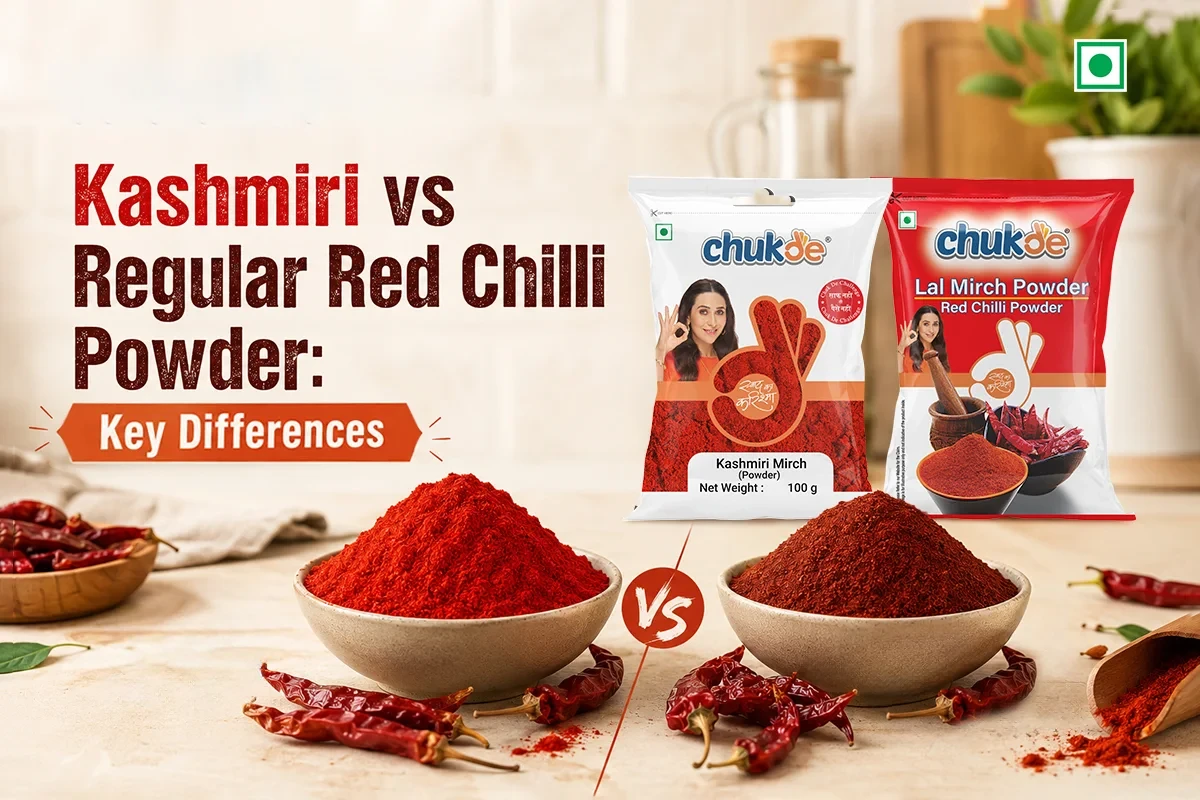
Many home cooks stand in the spice aisle wondering which red powder to choose. One gives bright colour with gentler warmth. The other brings the bold heat most Indian meals need. Picking the wrong one can leave a gravy looking pale or make a family meal too spicy.
The key lies in understanding how these two ground spices behave in real cooking. Kashmiri chilli powder and regular red chilli powder serve different purposes in Indian kitchens. This guide explains the differences clearly so you can match the right one to your recipes.
What Sets Kashmiri Chilli Powder Apart
Kashmiri chilli powder comes from chillies known for rich natural colour. In practice, it delivers a deep red tone that stays attractive even after simmering. The heat stays milder, which makes it useful when you want flavour and appearance without strong spice.
From kitchen observations, it works especially well in dishes where colour matters. Butter chicken, paneer gravies and tandoori marinades often look better with this powder because the red stays vibrant. Many cooks notice it adds a slightly rounded, earthy note rather than sharp fire.
Regular Red Chilli Powder – The Everyday Choice
Regular red chilli powder usually comes from hotter varieties. It brings direct heat that cuts through rich foods and wakes up simple preparations. The colour is decent but can turn deeper or brownish if the dish cooks for a long time or if you add the powder too early at high heat.
In daily cooking, this powder handles tadka, dals, sabzi and pickles reliably. Most households keep it on hand because it delivers the familiar kick families expect in home meals.
Head-to-Head Comparison
|
Feature |
Kashmiri Chilli Powder |
Regular Red Chilli Powder |
|
Heat Level |
Mild to medium |
Medium to high |
|
Colour in Finished Dish |
Bright, vibrant red that holds well |
Good red, can darken during long cooking |
|
Flavour Profile |
Earthy and rounded |
Sharp and direct |
|
Best Recipe Uses |
Gravies, marinades, festive dishes |
Daily tadka, dals, chutneys, pickles |
|
Amount Needed |
Slightly more for similar heat |
Less quantity for strong heat |
|
Storage |
Holds colour well in airtight jars |
Holds pungency well when kept dry |
When to Reach for Each One
Choose Kashmiri chilli powder when you want the dish to look rich and inviting. It suits recipes served to guests or children who prefer milder spice. It also works well in cream-based or tomato-heavy gravies where appearance adds to the appeal.
Use regular red chilli powder for everyday meals that need clear heat. It performs reliably in tempering lentils, stir-fried vegetables and any preparation where bold spice is the goal. Many experienced cooks keep both and combine them — Kashmiri chilli powder for base colour and a small amount of regular red chilli powder for final heat adjustment.
Practical Buying and Storage Checklist
Follow these steps to get better results and longer freshness from both powders:
- Look for bright, even colour in the packet. Dull or patchy powder often means older stock.
- Check the aroma before buying when possible. Fresh ground spices smell clean and strong.
- Transfer to airtight glass or steel containers right after opening.
- Store away from direct sunlight, stove heat and moisture.
- Always use a dry spoon. Even small amounts of water reduce quality quickly.
- Label the container with the opening date. Both types stay effective for several months with good storage.
- Buy smaller packs if you cook in smaller quantities.
Common Mistakes to Avoid
Adding either powder too early at very high heat can change both colour and flavour. Using too much of the hotter variety ruins mild dishes. Storing open packets near the stove shortens shelf life for both. Assuming every packet labelled Kashmiri chilli powder will behave the same — some market versions include hotter chillies and can surprise you with stronger heat.
FAQs
Can I replace regular red chilli powder with Kashmiri chilli powder in any recipe?
Yes, but you may need to use a little more because the heat is milder. The final colour will usually look brighter and more vibrant.
Which powder works better for daily home cooking?
Regular red chilli powder handles most everyday Indian meals more efficiently. Keep Kashmiri chilli powder for dishes where you want stronger colour with balanced warmth.
Does Kashmiri chilli powder always have less heat?
In most cases it carries milder heat while giving better colour. However, some commercial versions vary, so start with less and adjust to taste when trying a new pack.
How do I get bright restaurant-style colour in home gravies?
Use Kashmiri chilli powder as the main colour base during gravy preparation. Add it earlier in the cooking process and finish with a small pinch of regular red chilli powder if extra heat is needed.
Can I mix both powders in one dish?
Many cooks do this successfully. Kashmiri chilli powder builds colour while regular red chilli powder provides the final heat level you prefer.
How long do these powders stay good after opening?
With airtight storage away from light and moisture, both remain effective for several months. Check aroma and colour before use and replace when either fades noticeably.
Conclusion
Kashmiri chilli powder and regular red chilli powder both have clear roles in Indian cooking. One excels at delivering attractive colour with gentler warmth. The other provides the direct heat most daily meals need.
The best approach for many kitchens is to keep both and use them according to the dish. Small changes in which powder you reach for can improve both appearance and flavour balance without extra effort.
Try one new combination this week and notice the difference on your plate. Explore the full range of ground spices and our Kashmiri Mirch Powder on the Chukde website.
Sources & Further Reading
For detailed Scoville heat scale information on Kashmiri chilli: pepperscale.com/kashmiri-chili
Spices Board India guidelines: indianspices.com
Related articles
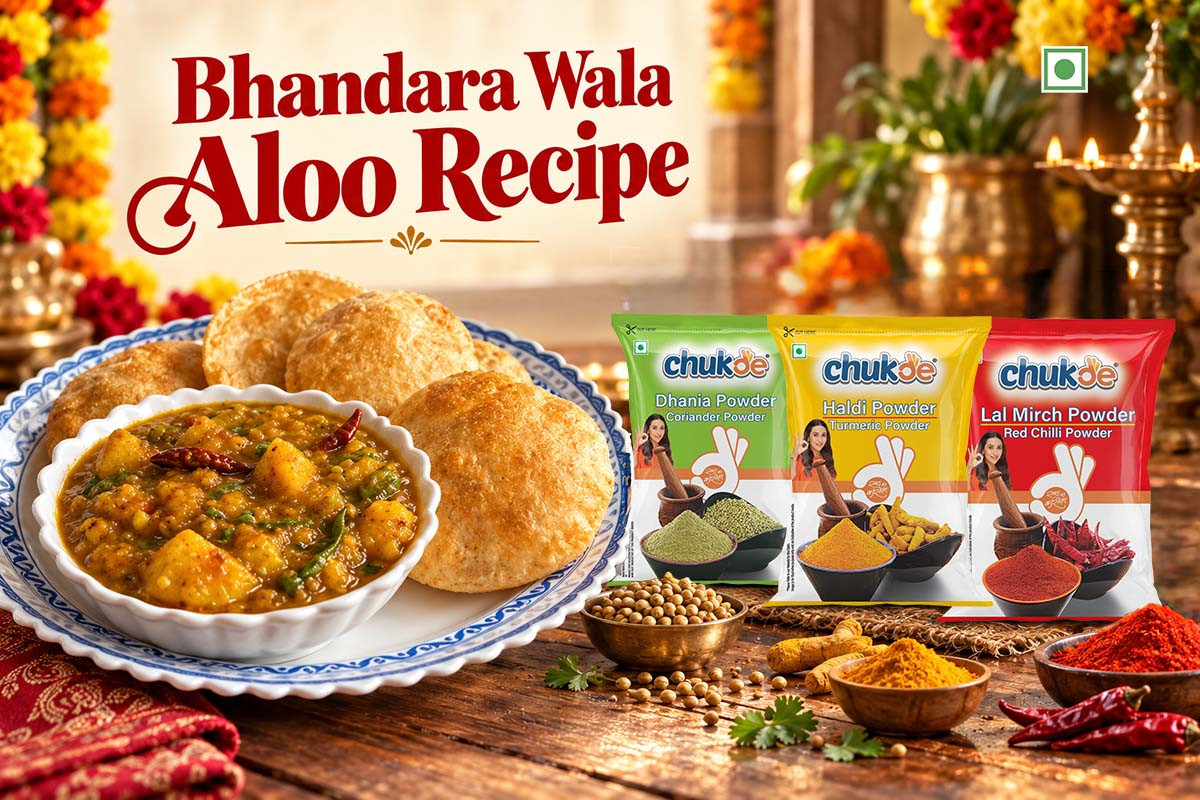
Make Bhandara Wala Aloo at home with hand-crushed potatoes, tomatoes and aromatic whole spices. Try this easy no-onion, no-garlic recipe with poori.
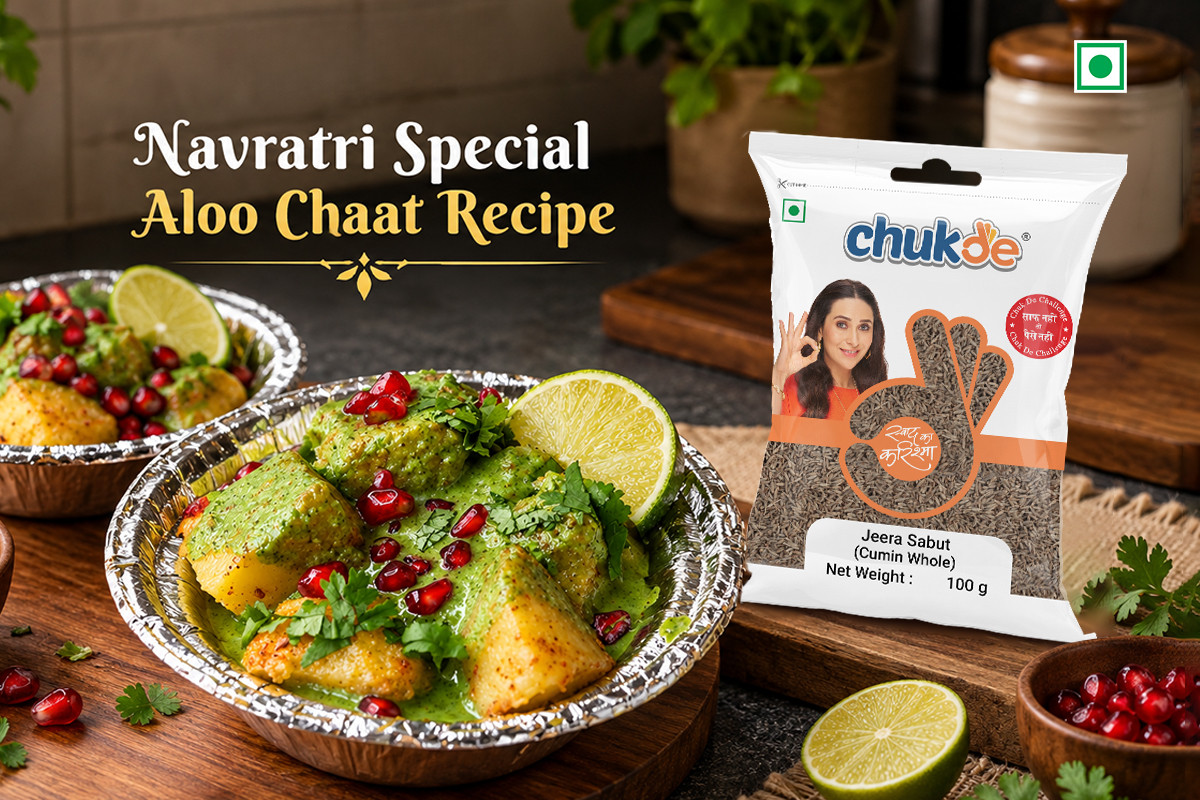
Make crispy Navratri special aloo chaat at home in 20 minutes. Vrat-friendly recipe with sendha namak, no onion-garlic. Perfect fasting snack for Navratri.
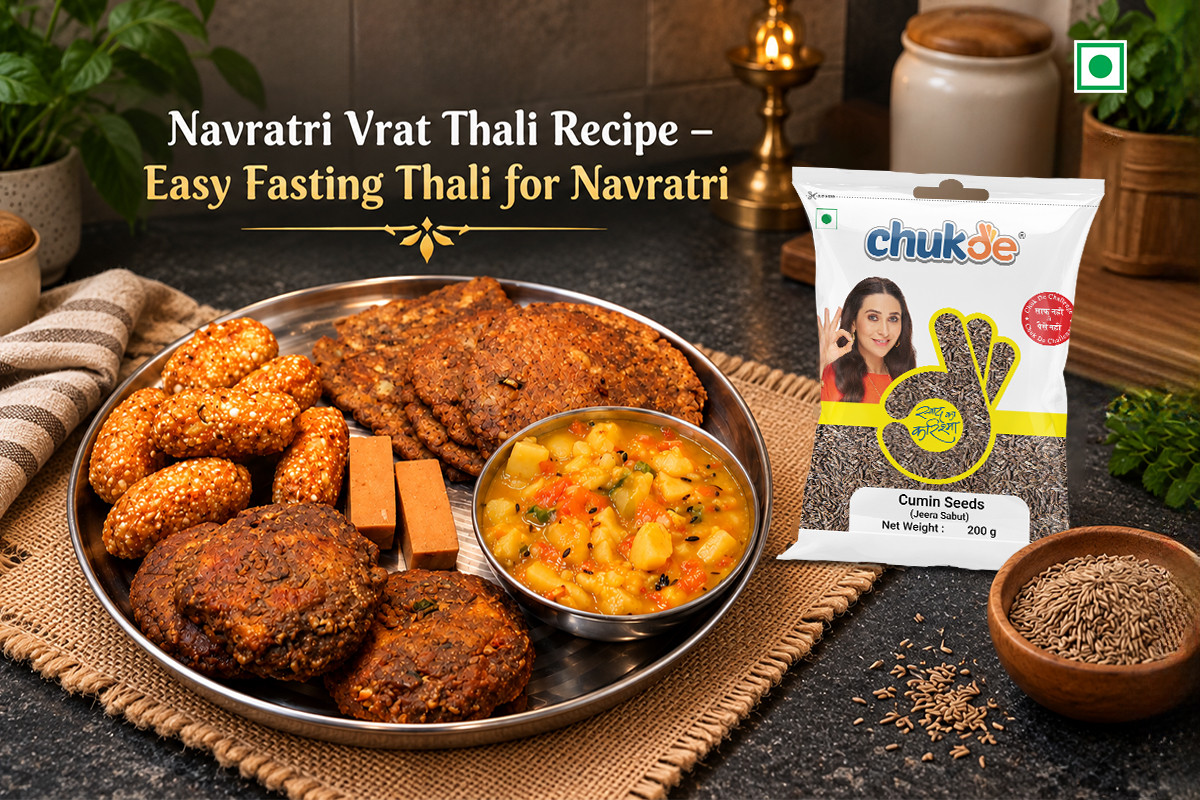
Make a complete Navratri Vrat Thali with aloo sabzi, kuttu puri, makhana raita & kheer. Simple, balanced & fully fasting-friendly recipe for Sharad Navratri 2026.
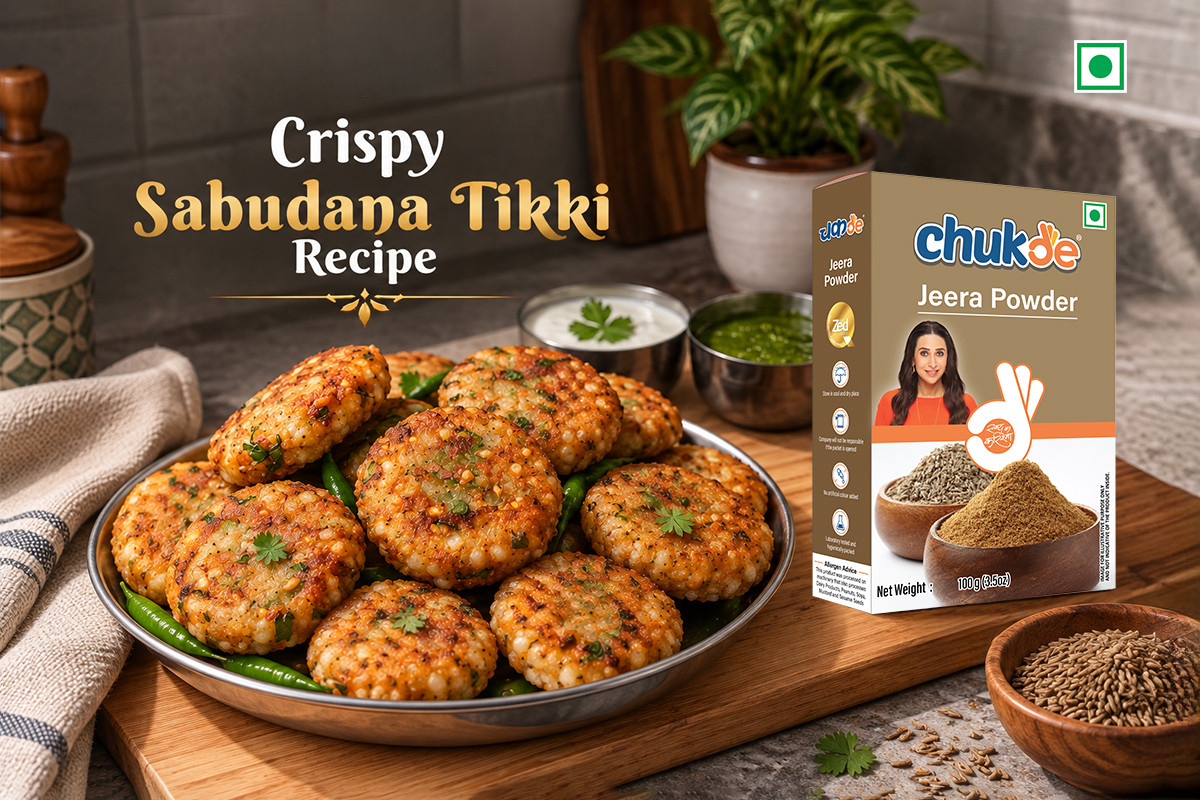
Crispy Sabudana Tikki recipe for Navratri vrat. Soft inside, golden outside. Easy pan-fried snack with sendha namak & simple spices. Perfect fasting treat.
<% quickViewcurrVar.entity.title %> (<% quickViewcurrVar.price.off %>)
<% formatCurr(quickViewcurrVar.price.regular, quickViewcurrVar.price.curr_info) %> <% formatCurr(quickViewcurrVar.price.sale, quickViewcurrVar.price.curr_info) %> (Inc. tax) (Ex. tax)
Description (SKU - <% quickViewcurrVar.sku %>)
 TBS points:
 Tags & Categories:

Powered by Science

100% cruelty free

Made in India
 100% safe
checkout
100% safe
checkout

Invalid Product!


Checkout in
& get 2% OFF