


 Cart
Cart


 <% cart_fragment.free_shipping_message %>free shipping


Tukmaria Benefits For Summer: How To Use Basil Seeds And Sabja Seeds

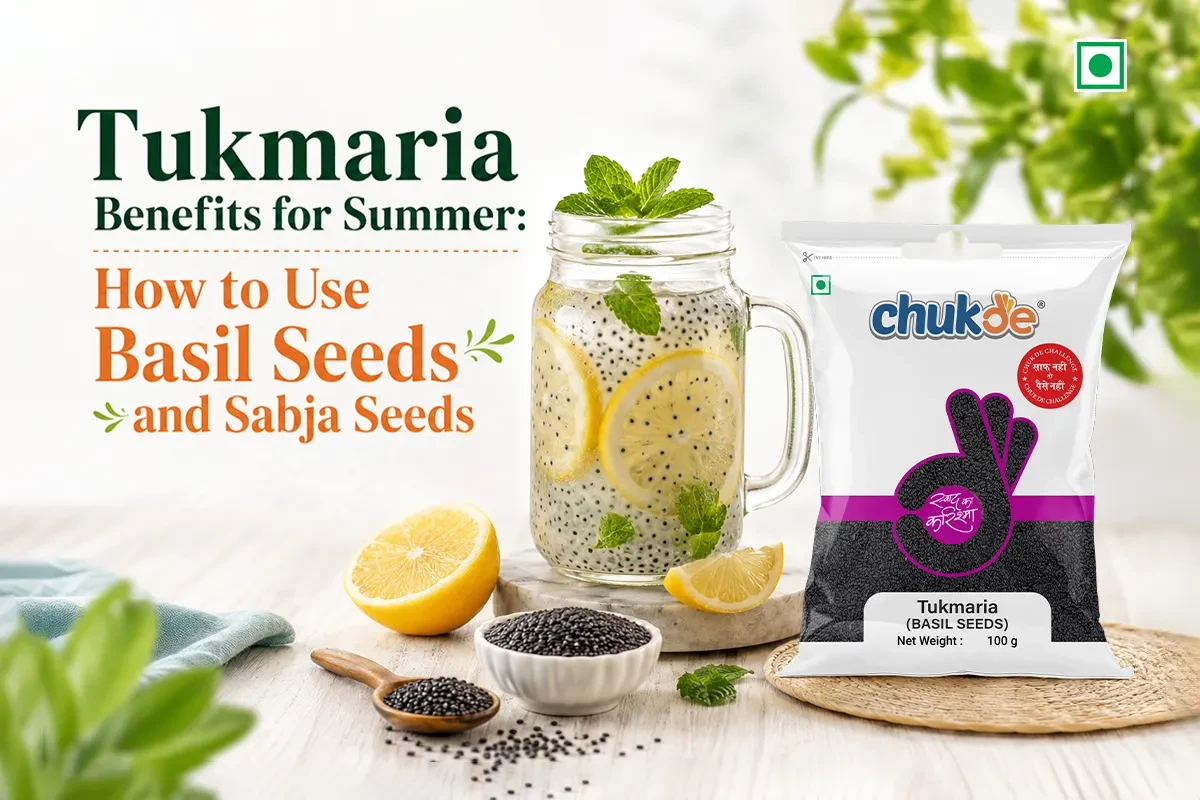
Indian summers often push people to look for simple additions to their daily drinks and meals that feel refreshing. Tukmaria, also known as sabja seeds or basil seeds, has been part of home kitchens for a long time. These small black seeds swell when soaked and bring a pleasant texture to cold preparations.
Many home cooks use them in traditional drinks during hot months because the seeds create a light, gel-like coating that changes the mouthfeel of the liquid. Understanding how to handle them correctly helps you get consistent results without guesswork.
What is Tukmaria?
Tukmaria comes from the sweet basil plant. In different parts of India it carries names like sabja seeds or basil seeds. The dry seeds are tiny, oval, and dark. When they meet water they absorb liquid fast and form a soft outer layer around a slightly firmer centre.
This change in texture makes them useful in cold beverages. They appear in falooda, nimbu pani variations, and other regional summer drinks. Because they come from a common kitchen herb, tukmaria mixes easily with other whole spices and ground spices already present in most Indian pantries.
How Tukmaria Works in Summer Cooking
During peak heat, many households turn to drinks that feel cooling. Soaked tukmaria adds body to plain water or lemon-based drinks, making them feel more substantial. The gel that forms around each seed holds liquid and creates a light chew.
In home cooking, people often layer the soaked seeds at the bottom of a glass before adding milk, syrup, or fruit. The neutral taste means the seeds take on the flavour of whatever surrounds them. You can use them in both sweet and lightly spiced preparations without clashing with existing masala balance.
From practical kitchen observations, one teaspoon of dry seeds roughly triples in volume after soaking. This quick expansion makes them convenient for quick preparations on busy days.
Simple Steps to Prepare Tukmaria
Use clean, dry seeds. Measure one teaspoon into a glass. Add 200 to 250 ml of water at room temperature. Stir once and leave the mixture for 10 to 15 minutes.
The seeds will swell and develop a clear coating. The centre stays darker and gives a light crunch. If the mixture feels too thick, add a little more water. Strain gently if you want only the gelled seeds, or keep everything together for your drink.
For best texture, avoid very hot water during soaking. Hot liquid can soften the gel unevenly. Once ready, add the soaked seeds straight into chilled drinks or dishes. Any leftover soaked seeds keep in the refrigerator for a few hours but lose their pleasant texture after longer storage.
Easy Ways to Use Tukmaria in Everyday Recipes
One of the simplest applications is in nimbu pani. Soak the seeds first, then stir them into fresh lemon water with a small pinch of roasted cumin and a touch of jaggery. The seeds add body and make the drink feel more filling on warm afternoons.
For a traditional touch, place a spoonful of soaked seeds at the bottom of a glass, add thin vermicelli or falooda sev if available, cold milk, and a light drizzle of rose syrup. This creates a quick version of falooda that works well as an evening option. You can also explore similar summer cooling ideas in our article on top spices to cool your body in summer.
You can also stir a small amount of soaked seeds into plain yoghurt with grated cucumber and mint for a light side. In sweet dishes they pair with mango pulp or chilled milk-based desserts. The mild flavour lets them fit into both sweet and savoury preparations without overpowering other ingredients.
Storing Tukmaria for Best Results
Keep dry tukmaria in an airtight container away from direct sunlight and moisture. A glass jar with a tight lid works well in most kitchens. Check the seeds now and then for any dampness or unusual smell. When stored this way, they stay usable for several months.
Once soaked, use the mixture the same day for the best texture. If you need to prepare ahead, store the soaked seeds in the refrigerator and finish them within a few hours. Always start with fresh water when you soak a new batch.
Quick Storage Checklist
|
• Store dry seeds in airtight jars |
|
• Keep away from heat and humidity |
|
• Label containers with the date |
|
• Check for moisture before each use |
|
• Soak only the amount needed for one serving |
Points to Consider Before Regular Use
Begin with small amounts, such as half to one teaspoon of dry seeds per day, and increase slowly if your body adjusts well. Because the seeds absorb liquid and expand, drink enough water throughout the day. Some people notice a change in digestion when they first add more fibre-rich ingredients to their meals.
Children and older adults should eat only the soaked version, never the dry seeds. If you follow a specific diet or take medication, speak with a healthcare professional before making tukmaria part of your daily routine. Traditional use in Indian households shows it works well in moderation as one element among many varied foods.
Frequently Asked Questions
How long should I soak tukmaria seeds?
Soak for 10 to 15 minutes in enough water. The seeds should look plump with a clear gel coating and no hard centre remaining.
Can I mix tukmaria with other seeds?
Yes. Many people combine a small amount with chia or flax in smoothies or overnight preparations. Adjust quantities so the final texture stays pleasant.
What is the difference between tukmaria and chia seeds?
Tukmaria swells faster and forms individual gel pearls with a crunchy centre. Chia takes longer and creates a thicker, more uniform texture. Both add fibre, but they behave differently in recipes.
How do I store leftover soaked seeds?
Keep them in a covered container in the refrigerator and use within a few hours. The gel texture softens over longer storage.
Is tukmaria suitable for everyday cooking?
It works well in cold drinks, yoghurt, and light desserts. Use it as one ingredient among others rather than the main component of a meal.
Can tukmaria be added to hot dishes?
It performs best in cold or room-temperature preparations. Heat can break down the gel unevenly and change the mouthfeel.
Conclusion
Tukmaria, also called sabja seeds or basil seeds, offers a simple addition to summer cooking routines. When soaked correctly, it brings pleasant texture to drinks and light dishes while fitting naturally into existing Indian home cooking habits. Focus on proper preparation, sensible portions, and good storage to enjoy it regularly.
Try soaking a small batch today and add it to your next glass of nimbu pani or a bowl of chilled yoghurt. You can also check our Nutritious Seeds collection and explore more summer recipes like Summer Detox with Flax & Chia Seeds. Share your favourite way of using tukmaria in the comments below.
Related articles

Make Bhandara Wala Aloo at home with hand-crushed potatoes, tomatoes and aromatic whole spices. Try this easy no-onion, no-garlic recipe with poori.
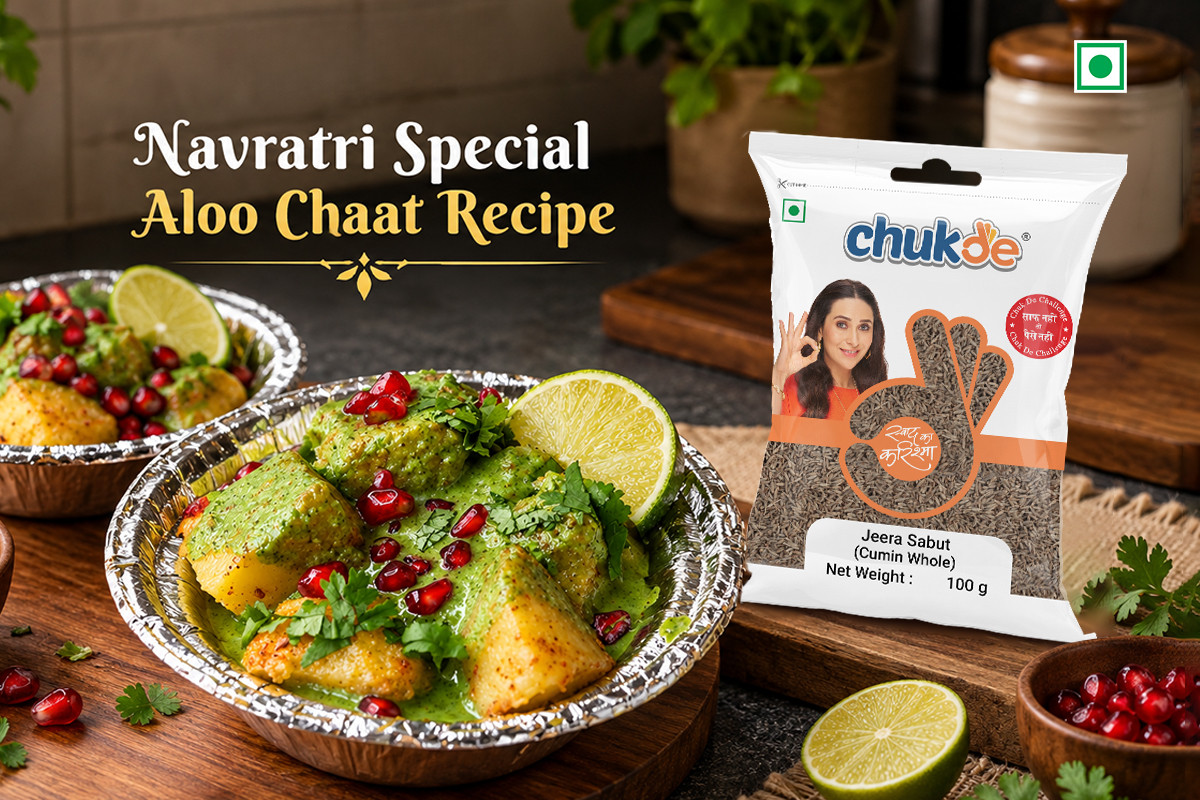
Make crispy Navratri special aloo chaat at home in 20 minutes. Vrat-friendly recipe with sendha namak, no onion-garlic. Perfect fasting snack for Navratri.
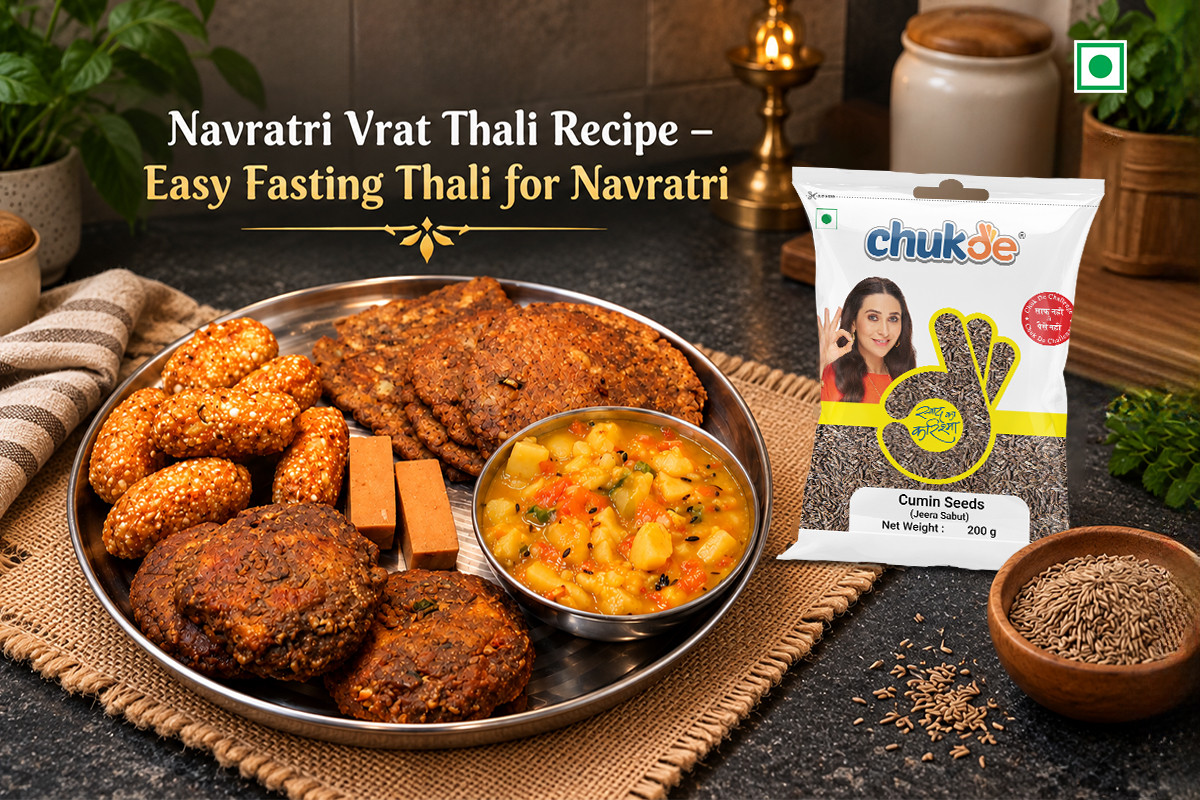
Make a complete Navratri Vrat Thali with aloo sabzi, kuttu puri, makhana raita & kheer. Simple, balanced & fully fasting-friendly recipe for Sharad Navratri 2026.
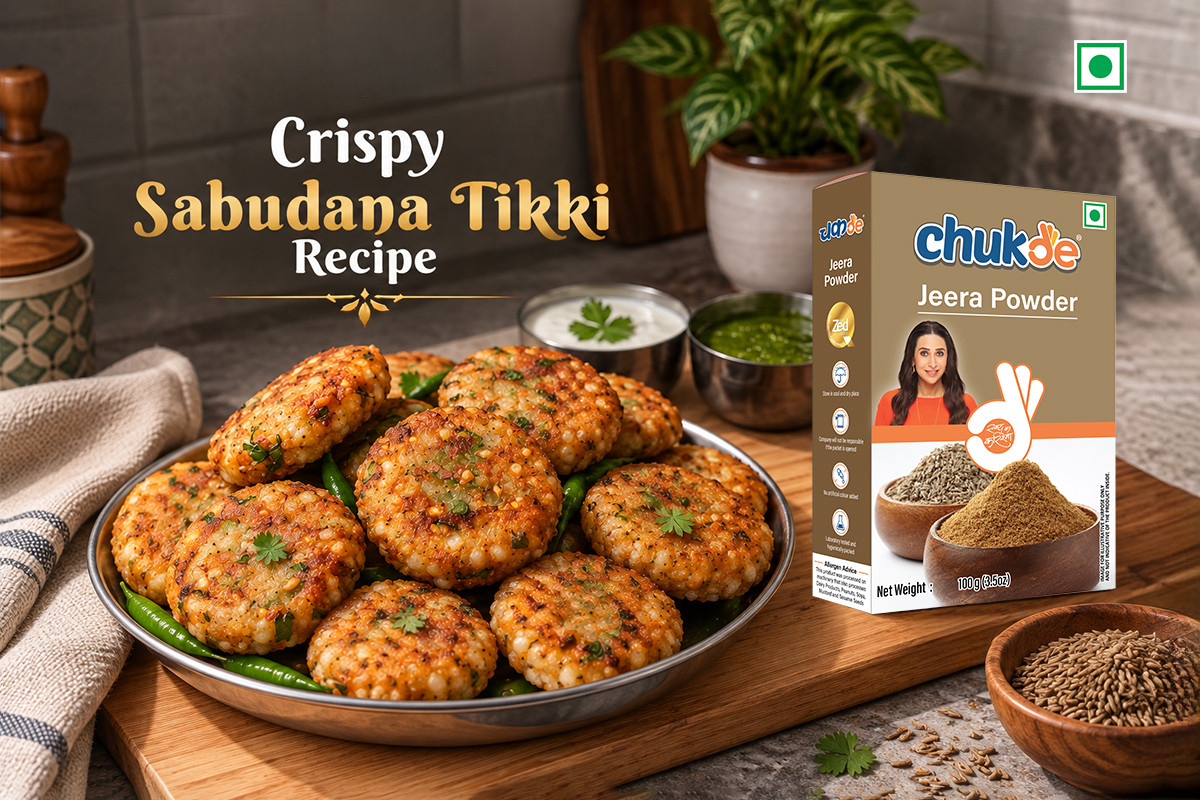
Crispy Sabudana Tikki recipe for Navratri vrat. Soft inside, golden outside. Easy pan-fried snack with sendha namak & simple spices. Perfect fasting treat.
<% quickViewcurrVar.entity.title %> (<% quickViewcurrVar.price.off %>)
<% formatCurr(quickViewcurrVar.price.regular, quickViewcurrVar.price.curr_info) %> <% formatCurr(quickViewcurrVar.price.sale, quickViewcurrVar.price.curr_info) %> (Inc. tax) (Ex. tax)
Description (SKU - <% quickViewcurrVar.sku %>)
 TBS points:
 Tags & Categories:

Powered by Science

100% cruelty free

Made in India
 100% safe
checkout
100% safe
checkout

Invalid Product!


Checkout in
& get 2% OFF