


 Cart
Cart


 <% cart_fragment.free_shipping_message %>free shipping


Green Elaichi Vs Black Elaichi: Differences, Uses And Which One To Buy


Many Indian kitchens keep both green elaichi and black elaichi in the same dabba. Yet most of us have at least once put the wrong one in chai or kheer and wondered why the taste turned strange. Green elaichi and black elaichi are not two versions of the same spice. They come from different plants, dry differently, and behave differently in the pan.
I have seen this confusion many times while testing recipes. One extra black pod can make a whole pot of kheer taste smoky and odd. One missing green pod can leave biryani flat. This guide clears the difference once and for all so you reach for the right one without second thoughts.
What Exactly Are Green Elaichi and Black Elaichi?
Green elaichi (also called choti elaichi or hari elaichi) comes from the plant Elettaria cardamomum. The pods stay small, light green, and smooth because they are harvested before full maturity and dried carefully.
Black elaichi (badi elaichi or moti elaichi) comes from Amomum subulatum. These pods grow larger, turn dark brown to almost black, and develop a rough, wrinkled surface. Traditional open-fire drying gives them their signature smoky character.
Both belong to the ginger family, yet that is where the similarity ends. For botanical confirmation you can check the official records on Plants of the World Online. In Indian markets you will also hear “kali elaichi” for the black one and simply “elaichi” when people mean the green variety.
Aroma and Flavour Side by Side
Crush a green elaichi pod and the first notes that hit you are sweet, floral and lightly citrusy with a cool finish. The aroma is bright and lifts quickly. That is why it works so well in milk, tea and desserts.
Open a black elaichi pod and the smell is deeper — smoky, earthy and slightly camphor-like. The flavour stays in the background and needs longer cooking to settle. It never turns sweet.
In my kitchen tests, green elaichi releases most of its scent within the first few minutes of heat. Black elaichi needs at least 15–20 minutes of slow cooking before its smokiness becomes pleasant instead of sharp.
Where Each One Shines in Everyday Cooking
Green Elaichi works best in:
- Masala chai and milk-based drinks
- Kheer, rabri, halwa and most mithai
- Light pulao or finished biryani layers
- Garam masala blends that need brightness
- Baking and fruit-based sweets
Add whole pods early in liquid or lightly crush the seeds just before serving for maximum aroma.
Black Elaichi works best in:
- Biryani and heavy pulao
- Slow-cooked meat curries and gravies
- Dal makhani and robust dals
- Whole-spice tadka for North Indian dishes
- Garam masala that needs depth
Use one or two whole pods for four servings. Lightly crack them so the seeds can open, then remove before serving if you prefer.
Never use black elaichi in chai or sweets. The smoke overpowers everything. Green elaichi can stand in for black in a pinch for mild dishes, but you will miss the smoky base note.
Quick Comparison Table
|
Point |
Green Elaichi |
Black Elaichi |
|
Size & Colour |
Small, pale green, smooth |
Large, dark brown-black, wrinkled |
|
Main Flavour |
Sweet, floral, citrusy |
Smoky, earthy, camphor |
|
Best Cooking Time |
Short to medium |
Long, slow cooking |
|
Typical Quantity |
3–5 pods or crushed seeds |
1–2 whole pods |
|
Common Dishes |
Chai, kheer, light rice |
Biryani, meat, heavy dal |
|
Storage Sensitivity |
Loses aroma faster |
Holds longer if kept dry |
Buying and Storage Tips That Actually Work
When you buy green elaichi, look for plump pods that feel heavy for their size and smell strong when you press them. Flat or pale pods usually have fewer seeds and weaker oil. For everyday use you can start with whole green elaichi — the pods are selected for size and aroma so the flavour comes through clearly in chai and sweets.
For black elaichi, choose intact dark pods with a clear smoky scent. Avoid dusty or broken ones. A reliable option is Moti Badi Elaichi, which keeps the natural smoky character needed for biryani and slow-cooked gravies.
If you prefer ready-to-use powder for baking or quick desserts, green elaichi powder made from the seeds (not the husk) gives cleaner flavour. Both whole pods and powder keep best in a clean, airtight container away from heat, light and moisture.
In humid kitchens I shift the jar to the fridge door after opening if I will not finish it quickly. Check every two months — if the smell has faded, it is time to replace. From practical kitchen observations, whole green elaichi stays fragrant for 8–10 months when stored well. Black elaichi often lasts a full year because of its tougher husk.
Common Mistakes and Simple Fixes
Mistake 1: Using black elaichi in chai or dessert.
Fix: Stick to green. If you already added black, the batch is hard to rescue — start fresh next time.
Mistake 2: Grinding black elaichi and adding it like green powder.
Fix: Keep black whole and remove after cooking. The husk is tough and the smoke becomes too strong when powdered.
Mistake 3: Buying only one type and forcing it into every recipe.
Fix: Keep both. A small 50 g pack of each covers most home cooking for months.
Mistake 4: Adding green elaichi too early in long-cooked curries.
Fix: Add it in the last 10–15 minutes or as a finishing touch so the floral notes stay bright.
Which One Should You Buy First?
If you make chai, sweets or light rice dishes most days, start with good green elaichi. It is the everyday workhorse. If you cook biryani, meat curries or heavy dals regularly, add black elaichi to your spice box. Most Indian homes eventually keep both because each does a job the other cannot. For balanced blends that already contain both types, you can also look at whole garam masala which uses green and black elaichi together in the right proportion.
Production figures from the Spices Board of India show that small cardamom (green elaichi) remains one of India’s most valued spice crops. Choosing fresh, well-graded pods makes a noticeable difference in the final dish.
Frequently Asked Questions
Can I substitute black elaichi for green elaichi?
No for sweets and chai. The smoke will dominate. In savoury dishes you can try green as a temporary stand-in, but the depth will be missing.
Which elaichi is used in garam masala?
Both. Green gives the bright top note. Black gives the smoky base. Good blends use them in balance.
How many green elaichi pods for two cups of chai?
Two lightly crushed pods are usually enough. Start with one if you prefer milder flavour.
Why does my black elaichi smell weak?
It may be old or stored open. Fresh pods should give a clear smoky scent when cracked.
Is green elaichi the same as white cardamom?
White is simply bleached green. The flavour is milder and less preferred for home cooking.
How long do whole elaichi pods stay good?
With airtight storage away from heat and moisture, green stays usable 8–10 months and black up to a year. Smell is the best test.
Final Takeaway
Green elaichi and black elaichi each have a clear place in Indian cooking. Once you match the pod to the dish, your chai stays fragrant, your biryani gains depth, and the spice box finally makes sense. Keep both on hand, store them well, and use the right amount — that is the simplest way to get better results every time.
Explore the whole spice range on Chukde and try the difference in your next batch of chai or biryani. Fresh pods make the biggest difference in aroma release.
Related articles

Make Bhandara Wala Aloo at home with hand-crushed potatoes, tomatoes and aromatic whole spices. Try this easy no-onion, no-garlic recipe with poori.
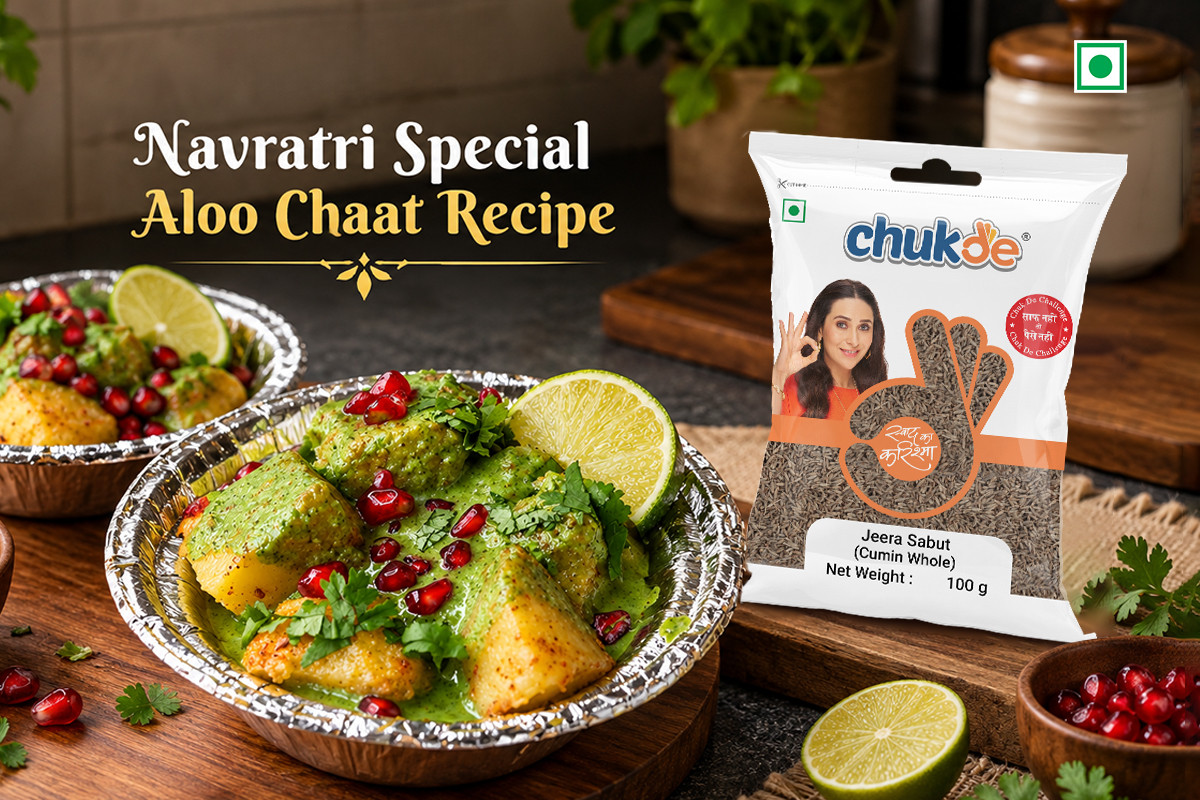
Make crispy Navratri special aloo chaat at home in 20 minutes. Vrat-friendly recipe with sendha namak, no onion-garlic. Perfect fasting snack for Navratri.
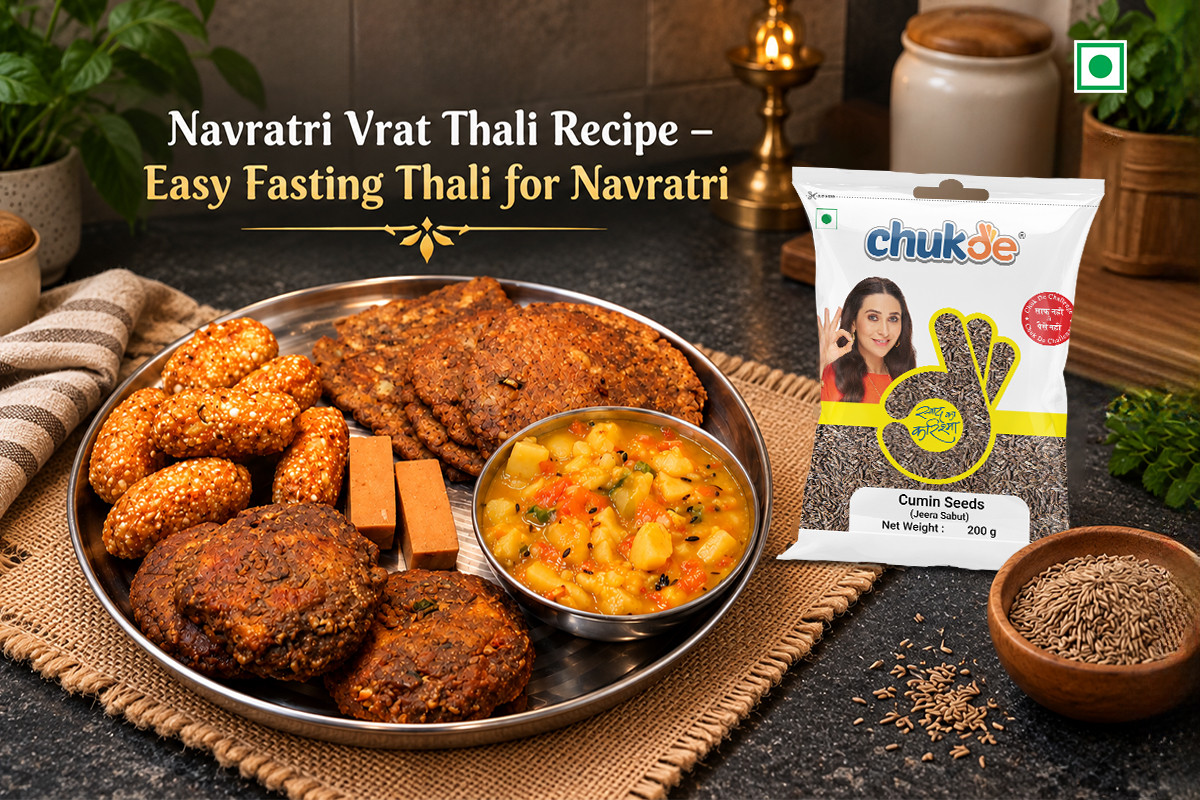
Make a complete Navratri Vrat Thali with aloo sabzi, kuttu puri, makhana raita & kheer. Simple, balanced & fully fasting-friendly recipe for Sharad Navratri 2026.

Crispy Sabudana Tikki recipe for Navratri vrat. Soft inside, golden outside. Easy pan-fried snack with sendha namak & simple spices. Perfect fasting treat.
<% quickViewcurrVar.entity.title %> (<% quickViewcurrVar.price.off %>)
<% formatCurr(quickViewcurrVar.price.regular, quickViewcurrVar.price.curr_info) %> <% formatCurr(quickViewcurrVar.price.sale, quickViewcurrVar.price.curr_info) %> (Inc. tax) (Ex. tax)
Description (SKU - <% quickViewcurrVar.sku %>)
 TBS points:
 Tags & Categories:

Powered by Science

100% cruelty free

Made in India
 100% safe
checkout
100% safe
checkout

Invalid Product!


Checkout in
& get 2% OFF