


 Cart
Cart


 <% cart_fragment.free_shipping_message %>free shipping


Sendha Namak Benefits & Uses Complete Guide

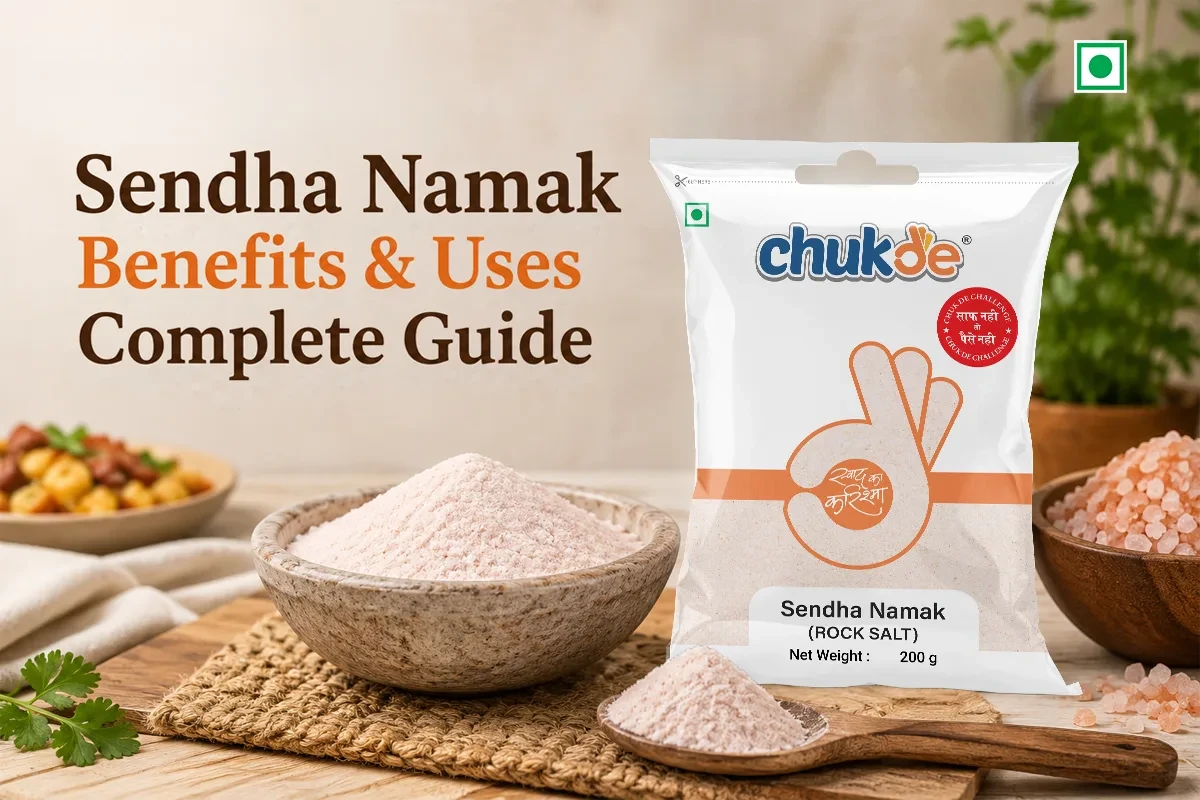
Many Indian households keep two types of salt. During Navratri, Ekadashi or other fasting days, regular table salt moves aside and sendha namak takes its place. On ordinary days people still ask whether they should switch fully, how much to use, and what happens with iodine. This guide answers those questions with clear kitchen-focused information.
Sendha namak, also called rock salt or saindhava lavana, is a crystalline form of sodium chloride formed from ancient evaporated water bodies. It reaches kitchens with limited processing and offers a milder taste that works well in both everyday dishes and fasting recipes. You can find consistent quality Sendha Namak ready for both daily cooking and vrat use.
What Is Sendha Namak?
Sendha namak comes from underground salt deposits. Crystals range from white to light pink or grey depending on the minerals present. It skips the heavy refining steps used for table salt. In traditional Indian cooking it holds a steady role for flavour and ritual reasons.
From practical kitchen observations while testing recipes for Chukde, the milder saltiness lets other ingredients stand out more clearly in simple preparations such as fruit chaat, sabudana dishes or light vegetable stir-fries.
Nutritional Snapshot and Daily Limits
Sendha namak is mostly sodium chloride, the same base compound found in other common salts. Trace amounts of potassium, magnesium, calcium and iron appear in small quantities. These traces do not turn it into a major mineral source at normal cooking amounts.
By weight the sodium content sits close to table salt. Differences people notice often come from crystal size rather than chemistry. WHO recommends keeping total salt intake under 5 grams per day. That limit applies to every type of salt.
Iodine and Sendha Namak: What You Need to Know
Most sendha namak contains little or no iodine. Table salt in India is usually iodised as part of public health measures to support thyroid function. If you replace all table salt with sendha namak, iodine intake can drop.
A practical approach works for most households: use sendha namak for fasting recipes and light dishes, and keep iodised salt for regular daily cooking. Other food sources such as dairy, eggs and seafood also contribute iodine. Anyone with specific thyroid concerns should check with a doctor before making large changes.
Sendha Namak Benefits in Daily Kitchen Use
Traditional practice and kitchen experience show a few consistent advantages:
- Mild flavour that supports rather than dominates food.
- Accepted choice during fasting periods when refined salt is set aside.
- Useful in simple home remedies such as warm salt-water gargles for throat comfort.
- Easy to keep as crystals or grind for different cooking styles.
Ayurvedic texts describe it as lighter on digestion for some people. Modern evidence for large health claims remains limited. The real value appears in practical cooking and ritual use.
Everyday and Fasting Uses
Fasting recipes
Sendha namak is the standard choice for sabudana khichdi, kuttu puri, samak rice, fruit chaat and potato preparations during vrat. The mild taste keeps the dishes light and balanced. Keep a ready pack of Sendha Namak or the convenient Sendha Namak Rock Salt Sprinkler for easy use during fasting days.
Daily seasoning
Sprinkle on salads, raita, buttermilk or roasted vegetables. Add it in tadka when a gentler salt note is preferred. Pair it with whole spices such as jeera sabut or hing for classic Indian flavour layering.
Simple preparations
Mix a pinch into lemon water or homemade electrolyte drinks after outdoor work or exercise.
Finishing salt
Coarse crystals work well as a final sprinkle on chaats or grilled items for texture and aroma.
While testing Chukde recipes I noticed that sendha namak dissolves evenly in curries and does not leave the sharp aftertaste that refined salt sometimes produces.
Sendha Namak vs Table Salt and Kala Namak
|
Feature |
Sendha Namak |
Table Salt |
Kala Namak |
|
Processing |
Minimal |
Heavy refining |
Special processing |
|
Taste |
Mild, clean |
Sharp, strong |
Sulphur, egg-like |
|
Typical use |
Fasting + light dishes |
Everyday cooking |
Chaat, raita, finishing |
|
Iodine |
Usually none |
Usually added |
Usually none |
|
Best for |
Vrat, mild seasoning |
General use |
Flavour boost |
For those who also keep black salt at home, Chukde offers Black Salt Powder which works well for chaat and raita. Himalayan Pink Salt Powder is another option from the same range if you prefer a slightly different mineral profile.
Storage and Usage Checklist
- Keep the packet or jar in a cool, dry place away from the stove.
- Use an airtight container to control moisture.
- If clumps form, crush gently or dry briefly on low heat.
- Grind only what you need for the week to keep aroma fresh.
- Measure by weight when switching from fine table salt.
- Start with a smaller quantity because the taste builds differently.
- Pair with iodised salt on regular days if iodine intake needs support.
Proper moisture control keeps the crystals free-flowing for months.
Common Mistakes to Avoid
- Replacing all iodised salt without other iodine sources.
- Using large amounts in the belief that trace minerals cancel sodium.
- Leaving the packet open in a humid kitchen.
- Expecting strong medical results from normal cooking quantities.
Practical Tips for Home Cooks
In regional Indian cooking, sendha namak pairs cleanly with cumin, green chilli and lemon. For tadka, add it after the spices bloom so the flavour stays balanced. In powder form it mixes evenly into spice blends and masalas. Keep a small grinder handy for whole crystals. Whole spices like tej patta, laung and green elaichi work especially well with its mild profile.
Households that keep both sendha namak and regular salt usually reserve the former for fasting and light dishes and the latter for everyday curries. That split works well for most families.
Conclusion
Sendha namak offers a mild, reliable option that fits fasting traditions and many daily recipes. Its strengths are flavour balance, cultural suitability and simple storage needs. Keep total salt intake moderate, watch iodine sources, and match the form to your cooking style.
Chukde Spices sendha namak provides consistent quality for both everyday and fasting use. Try it in your next vrat recipe or simple salad and notice how the mild taste supports the other ingredients. Shop Chukde Spices Sendha Namak here and stock your pantry. Share your preferred way of using it in the comments.
References & Further Reading
For sodium intake guidance see the WHO sodium reduction fact sheet. A balanced overview of rock salt properties is available on Healthline’s sendha namak article.
Related articles

Make Bhandara Wala Aloo at home with hand-crushed potatoes, tomatoes and aromatic whole spices. Try this easy no-onion, no-garlic recipe with poori.
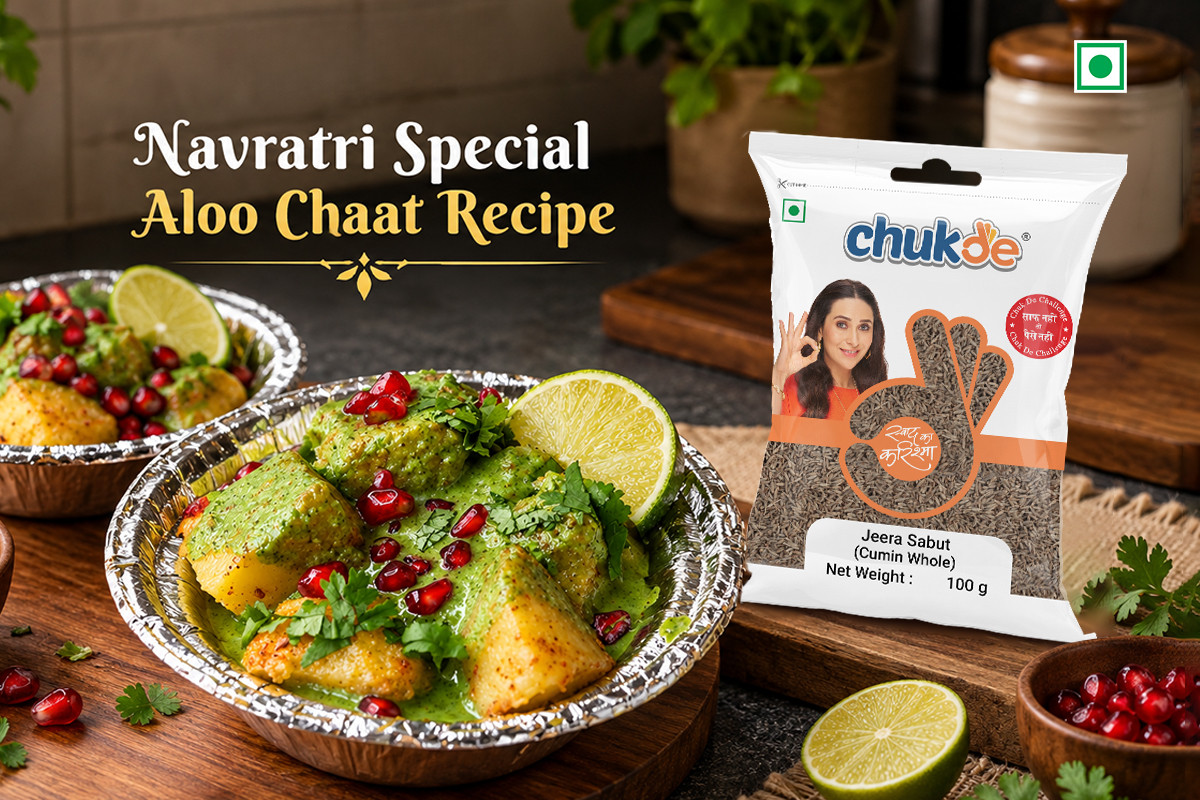
Make crispy Navratri special aloo chaat at home in 20 minutes. Vrat-friendly recipe with sendha namak, no onion-garlic. Perfect fasting snack for Navratri.
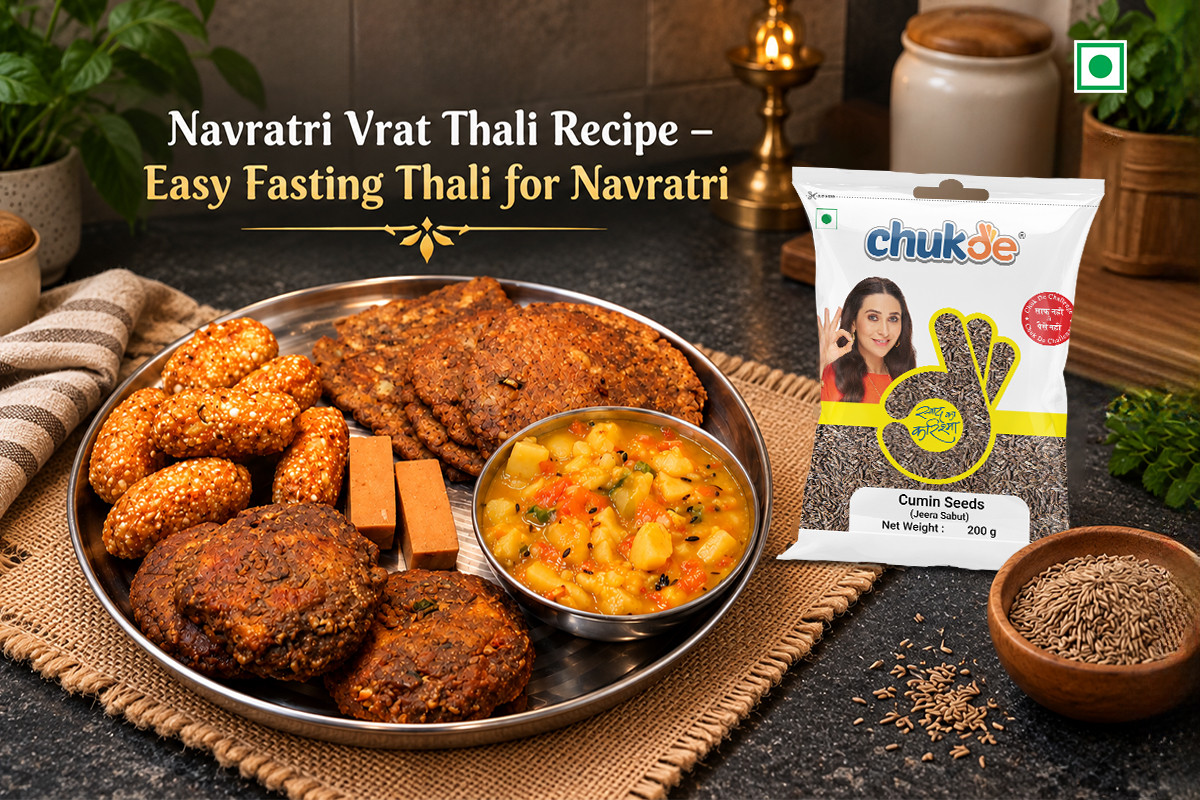
Make a complete Navratri Vrat Thali with aloo sabzi, kuttu puri, makhana raita & kheer. Simple, balanced & fully fasting-friendly recipe for Sharad Navratri 2026.
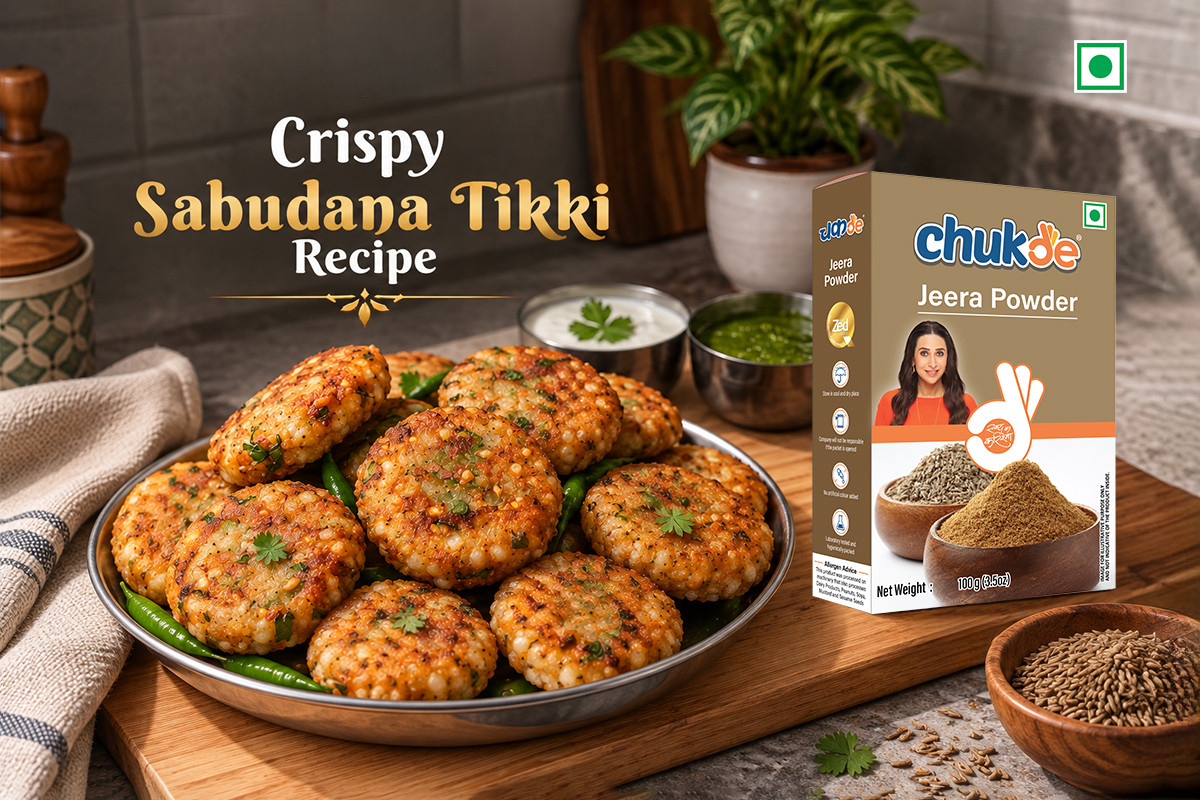
Crispy Sabudana Tikki recipe for Navratri vrat. Soft inside, golden outside. Easy pan-fried snack with sendha namak & simple spices. Perfect fasting treat.
<% quickViewcurrVar.entity.title %> (<% quickViewcurrVar.price.off %>)
<% formatCurr(quickViewcurrVar.price.regular, quickViewcurrVar.price.curr_info) %> <% formatCurr(quickViewcurrVar.price.sale, quickViewcurrVar.price.curr_info) %> (Inc. tax) (Ex. tax)
Description (SKU - <% quickViewcurrVar.sku %>)
 TBS points:
 Tags & Categories:

Powered by Science

100% cruelty free

Made in India
 100% safe
checkout
100% safe
checkout

Invalid Product!


Checkout in
& get 2% OFF