


 Cart
Cart


 <% cart_fragment.free_shipping_message %>free shipping


Navigating Spice Labels: What You Need To Know

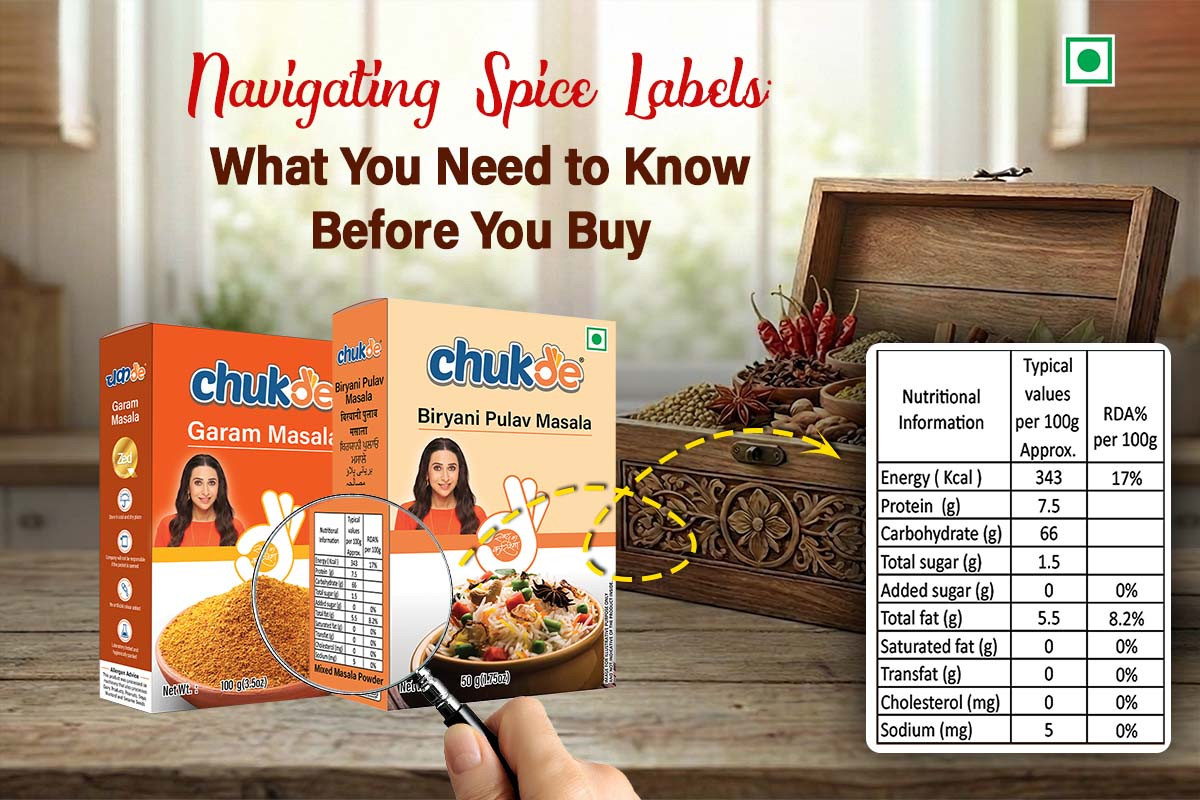
Spices are the backbone of flavorful cooking, transforming everyday meals into something special. However, with so many options on the shelves, it's easy to overlook the importance of reading spice labels. Understanding what’s on the label can help you make healthier choices, improve your cooking, and ensure you're getting the best quality.
In this article, we’ll break down what to look for when choosing spices so that you can shop smarter, whether you're looking for freshness, flavor, or dietary suitability.
Understanding Spice Labels: Key Elements
Ingredients List
The ingredients list is one of the most crucial parts of any spice label. This tells you exactly what's inside the product.
What to look for:
- Natural spices: The best option is always a spice that lists only one ingredient (e.g., "Cumin" or "Coriander"). Avoid those with fillers or additives unless you are specifically purchasing a spice blend.
- Hidden ingredients: Watch for hidden sugars, salts, or artificial additives, which can sneak into blends and alter the flavor profile of your dish.
Expiration Dates
Spices don’t last forever, and the expiration date will tell you if the spice is still good to use.
Why it matters: Spices lose their potency over time, and consuming expired spices can affect the flavor of your meals. Freshness is key for the best aroma and taste, so always check the date, especially if the spice seems old.
Nutritional Information
While most spices aren’t a major source of calories, fat, or protein, it’s still good practice to look at the nutritional information.
When it matters:
- If you’re concerned about sodium content, especially in spice blends, or if you need to track certain nutrients for dietary reasons, the nutritional panel can be helpful.
- Some blends may have added sugars or high levels of salt, which might be worth avoiding.
Allergen Warnings
Some spices or spice blends may contain common allergens such as peanuts, tree nuts, or gluten.
How to spot them:
- Check for clear allergen labeling. If you have any specific food sensitivities or allergies, it’s best to stay cautious and select brands that clearly identify allergens.
- This is especially important for people with food allergies or strict diet restrictions.
Decoding Labels for Quality
Organic vs. Non-organic
Spices labeled as organic are grown without synthetic pesticides or fertilizers. This can be appealing if you're trying to reduce your exposure to chemicals, but they might be a bit more expensive.
Worth it?: It depends on your priorities. If you’re focused on sustainability or reducing pesticide consumption, organic is a great choice. Otherwise, non-organic spices can be just as good in terms of flavor and potency.
Single-Spice vs. Spice Blends
- Single-spices: These are just one spice, offering the purest form of flavor. They are versatile, allowing you to control the exact amount of spice you use.
- Spice blends: These offer a convenient option for those looking to add complexity to their dishes quickly. However, blends can sometimes include fillers or excess salt.
When to choose: If you like to experiment in the kitchen, single-spices give you more control. If you're in a rush or don’t want to buy many different spices, a blend can simplify your cooking.
Source of Origin
Spices from different regions carry distinct flavors. For instance, kesar from Iran may taste different from saffron from Spain.
Impact on flavor: Always check where your spices come from, especially for products like vanilla, saffron, or cinnamon ceylon, where origin heavily influences quality and taste.
Sourcing and Ethical Practices
Look for labels that mention fair trade or sustainable sourcing. This ensures that farmers are being paid fairly and that environmental practices are considered.
Common Label Claims: What Do They Really Mean?
“Natural” and “Pure”
- Words like “natural” and “pure” sound reassuring — but they are often unregulated marketing terms. Unless backed by ingredient lists and sourcing info, they don’t guarantee high quality.
- Always check what’s actually inside, rather than relying on buzzwords.
“No Added Salt” or “No Preservatives”
These claims are usually legitimate, but you should still verify by reading the full ingredients list. Some spices can naturally contain salt or preservatives, so always ensure the product aligns with your needs.
Gluten-Free, Vegan, and Other Labels
Spices are often naturally gluten-free and vegan, but some blends may include non-vegan additives or gluten. If you're following a specific diet, these claims can help, but always look for certification or a clear ingredient list.
How to Interpret Spice Freshness and Potency
Smell, Color, and Texture
A good spice should be aromatic, vibrant in color, and fine in texture.
How to judge: Before buying, check the color—spices that are dull or faded likely have lost potency. Smell them too; if you can’t detect the spice’s characteristic aroma, it may be old.
How Packaging Affects Freshness
Packaging plays a huge role in maintaining spice freshness.
- Glass jars are better for preserving flavor than plastic containers.
- Vacuum-packed options are also excellent for ensuring freshness.
Common Pitfalls When Shoppers Ignore Labels
Adulteration
Some cheaper spices are adulterated with other substances to increase weight or volume. These can include starch, sawdust, or other fillers.
Risks: Adulterated spices not only affect flavor but can also pose health risks.
Expired or Low-Quality Spices
Expired spices lose their potency and can even taste stale or musty.
Consequences: If the spices you buy are old or low quality, your dishes will suffer in flavor and health benefits.
Undisclosed Additives
Some additives, such as artificial colorings or preservatives, aren’t always disclosed. If the label is vague or incomplete, it could be a red flag.
Laws and Standards Regulating Spice Labelling in India
Food Safety and Standards Authority of India (FSSAI)
- Spices and condiments are regulated under FSSAI via “Salt, Spices, Condiments and related products” standards (Regulation 2.9) within the food products standards and additives regulations.
- Spices must meet quality parameters: limits on extraneous matter (dust, dirt, chaff), permissible moisture, ash content, volatile oils, absence of harmful substances.
- Microbiological safety is mandatory (no mold, no harmful bacteria or contaminants, no insect infestation).
Labeling Requirements
- Prepackaged spices must carry clear labels: name of product, net quantity, batch/lot number or code, manufacturer/packer address, date of packaging or manufacture, best‑before or expiry/use‑by date.
- Imported products must declare country of origin, importer details.
- Food labels must be clear, legible, in contrast colours, and indelible.
Consumer Protection
- These rules ensure that you as a buyer get correct, transparent information about what you are consuming. They also protect you from misleading labels, adulterated or unsafe products, and poor hygiene or contamination.
- Recent enforcement drives show regulators take spice quality and labelling seriously — non‑compliant or substandard products may be flagged or removed from the market.
Recognizing Additives and Fillers
- Common Additives in Spices: Some common additives in spice blends include preservatives, colorants, and anti-caking agents. These additives may cause health issues and can affect the natural flavor of the spices.
- Why You Should Avoid Certain Additives: Some preservatives and colorants have been linked to allergic reactions and other health concerns, while anti-caking agents can change the texture of your spice.
- How to Identify Fillers in Spice Blends: Fillers dilute the flavor and authenticity of your spice. Check the ingredients list for any fillers like flour, starch, or salt.
What to Do When Label Information is Missing or Unclear
- Spotting Red Flags: If the label is missing key details like the expiration date, batch number, or ingredients list, consider it a red flag.
- How to Contact Manufacturers: If you have concerns, don't hesitate to reach out to the manufacturer for clarification. Legitimate companies will be happy to provide more information.
- When to Avoid Buying: If the label is unclear or if the spice seems outdated, it’s best to avoid purchasing.
Advice for Storing Spices After Purchase
- Proper Storage Methods: Store your spices in airtight containers and keep them in a cool, dark place to preserve their freshness.
- Impact of Exposure to Light and Air: Light and air can degrade spice quality, so it’s important to minimize exposure.
- Shelf Life of Different Spices: Spices like whole peppercorns or cinnamon ceylon last longer than ground varieties. Generally, most ground spices should be used within 1 year for optimal freshness.
Conclusion
By understanding spice labels, you can choose better products for health, flavor, and your cooking needs. Always look at the ingredients list, check for freshness, and be wary of misleading claims. When in doubt, opt for natural, high-quality spices that are free from fillers and additives.
Choose reputable brands like Chukde Spices that value transparency and provide superior products, making your meals healthier and more delicious.
FAQs
Q: How can I tell if a spice is fresh?
A: Smell and color are your best indicators. Fresh spices should have a strong aroma and vibrant color. If they seem dull or scentless, they’re likely past their prime.
Q: Are organic spices always better?
Not always. Organic may reduce exposure to chemicals and ensure cleaner farming practices. But taste, freshness and proper processing matter just as much.
Q: Can I trust the “pure” label?
A: Pure spices should contain only one ingredient—no fillers. Always check the ingredients list to be sure.
Q: How can I check if a spice is still good after purchase?
Smell and color are your best clues. If aroma is weak or musty, or color looks faded, the spice is probably past peak. Also watch out for clumps in powdered spices — that suggests moisture exposure.
Q: What if a spice package has no date or batch number?
That’s a red flag. It’s safer to avoid buying it. If possible, contact the manufacturer for information.
Q: Are spice blends less good than single spices?
Not necessarily. Blends offer convenience. But they must be inspected carefully — ingredient list, origin, additives — to ensure quality and naturality.
Related articles
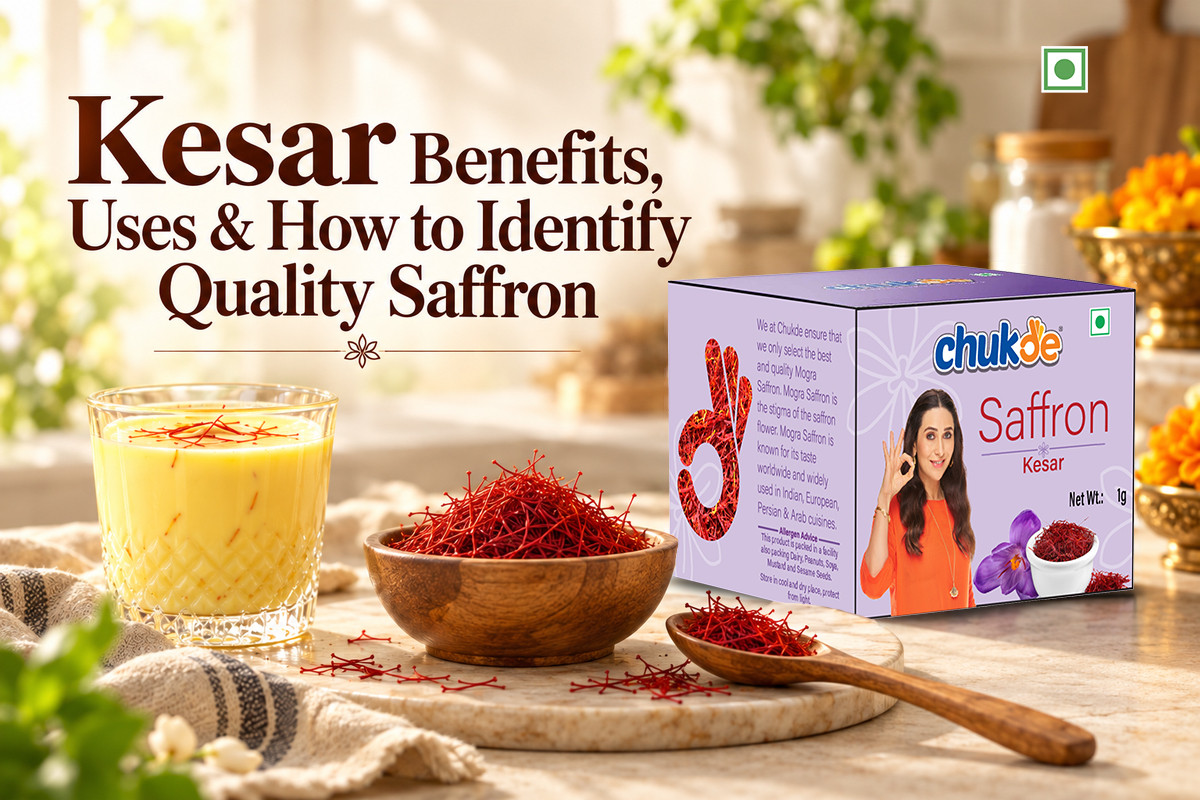
Learn kesar benefits, kitchen uses, bloom method, food amounts, and home tests to spot quality saffron threads.
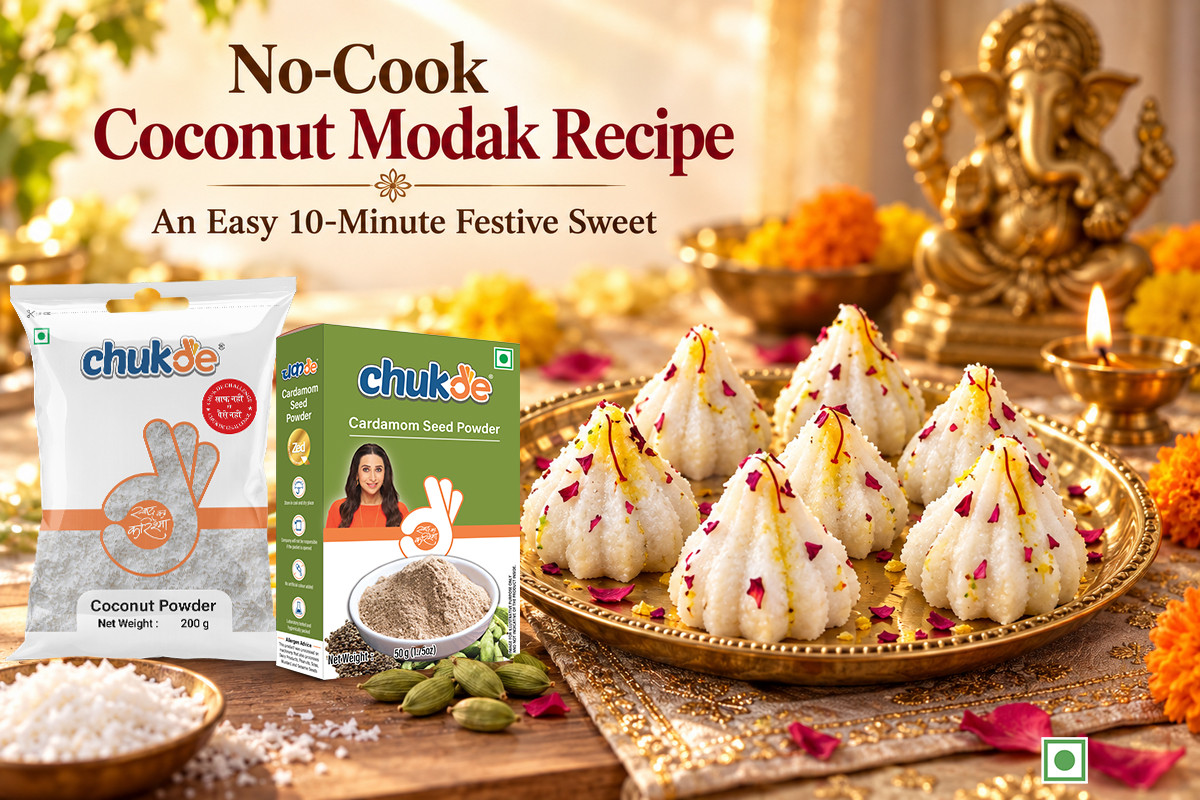
Make soft, delicious no-cook coconut modaks in just 10 minutes using simple ingredients. An easy festive sweet perfect for Ganesh Chaturthi celebrations.

Make soft, flavourful Besan Mawa Modak for Ganesh Chaturthi with an easy step-by-step recipe, perfect for bhog, prasad and festive celebrations at home.
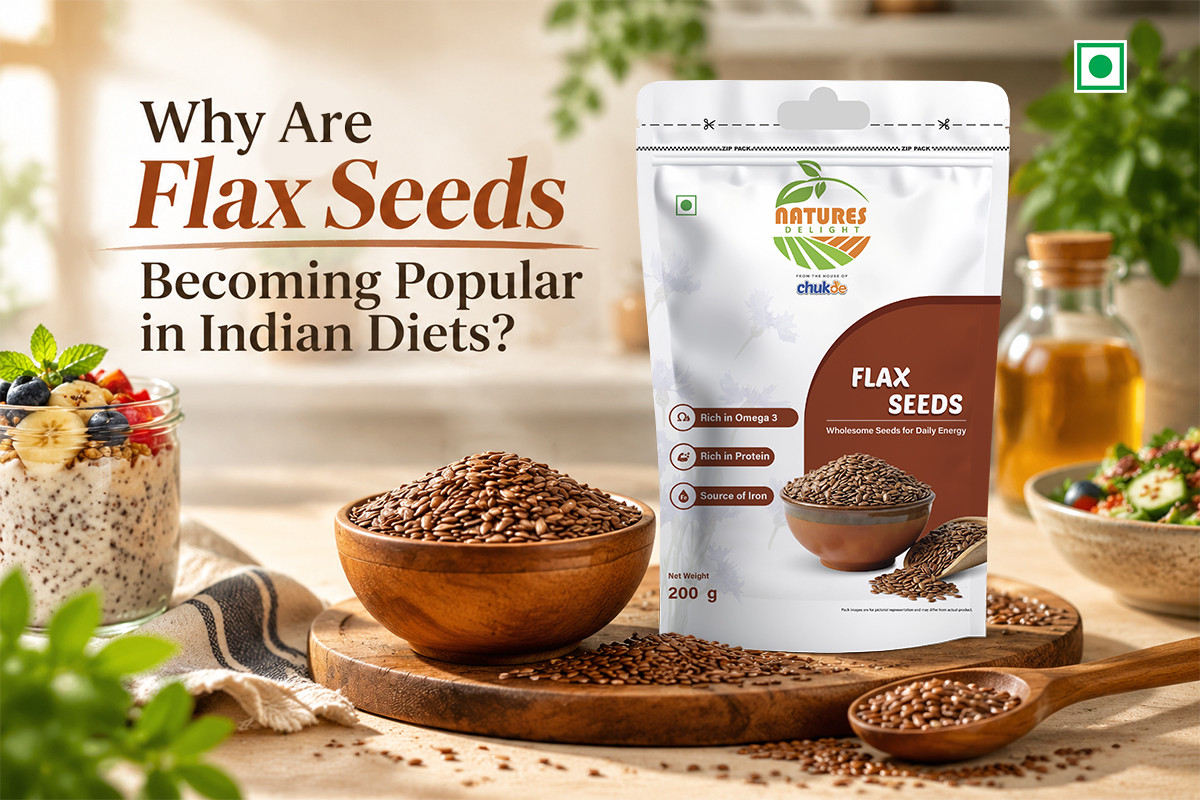
Flax seeds are back in Indian kitchens. See why demand is rising, useful food points, roast-and-grind steps, storage tips and easy daily uses.
<% quickViewcurrVar.entity.title %> (<% quickViewcurrVar.price.off %>)
<% formatCurr(quickViewcurrVar.price.regular, quickViewcurrVar.price.curr_info) %> <% formatCurr(quickViewcurrVar.price.sale, quickViewcurrVar.price.curr_info) %> (Inc. tax) (Ex. tax)
Description (SKU - <% quickViewcurrVar.sku %>)
 TBS points:
 Tags & Categories:

Powered by Science

100% cruelty free

Made in India
 100% safe
checkout
100% safe
checkout

Invalid Product!


Checkout in
& get 2% OFF