


 Cart
Cart


 <% cart_fragment.free_shipping_message %>free shipping


Independence Day 2026: Celebrate India Through Its Rich Flavours

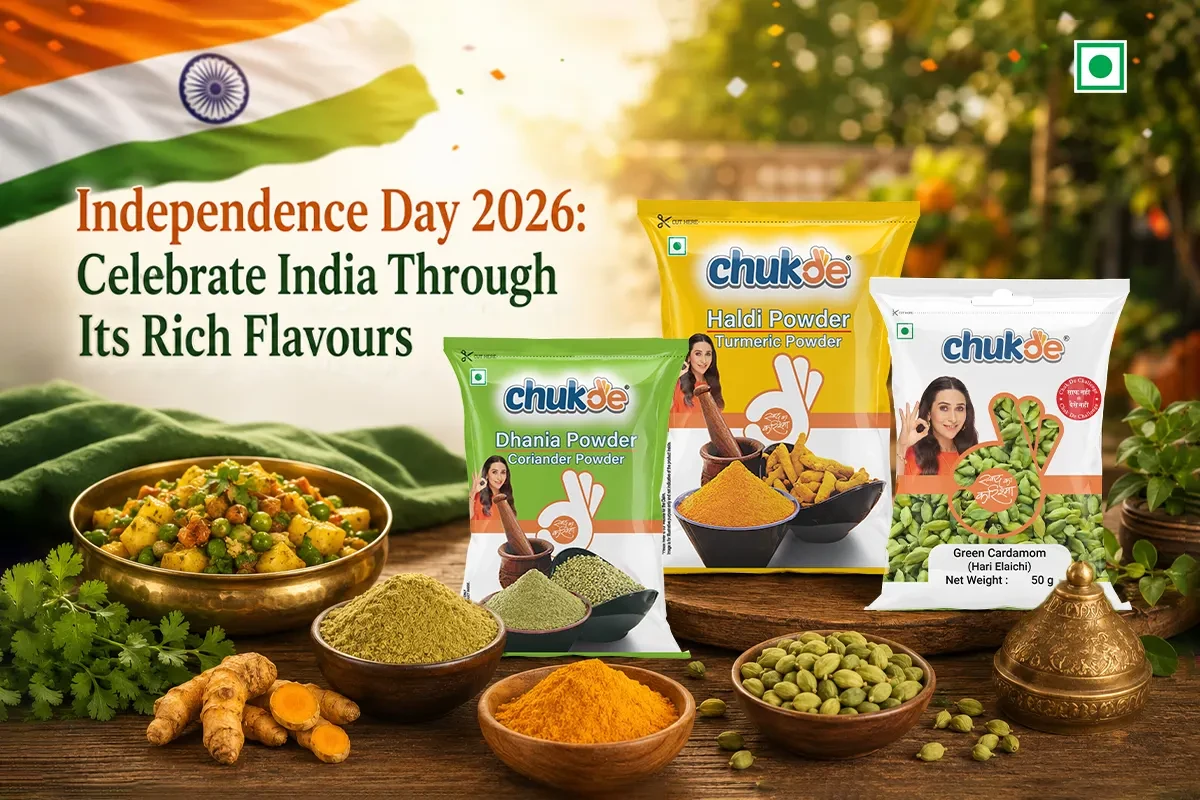
Independence Day 2026 is almost here, and like every year, the kitchen becomes the heart of the celebration in most Indian homes. I still remember last year’s 15 August when my neighbour brought over a simple aloo sabzi that somehow tasted different — the cumin was roasted just right, the tadka had that perfect crackle. That small difference turned an ordinary meal into something special.
This Independence Day 2026, instead of just putting up the flag and ordering the same takeaway, why not celebrate India through its flavours? The country’s real strength shows up on the plate — the way the same basic spices create completely different tastes from Kashmir to Kerala.
You do not need a hotel brunch or complicated recipes. A thoughtful home menu built around regional flavours can feel just as festive. Let me share what actually works when you cook for family and friends on this day.
Why Flavours Matter More Than Decoration on Independence Day
Food carries memory. When you serve something that reminds people of their native region, conversations start easily. One plate of properly tempered mustard seeds takes a Bengali guest back home. A slow-cooked biryani with whole spices makes a Hyderabadi friend smile.
In my experience, the best Independence Day meals are the ones that feel like a gentle tour of India without anyone feeling overloaded. Keep the number of dishes limited. Focus on flavour layering rather than quantity.
Building a Simple Regional Menu for Independence Day 2026
Start with three to four dishes that represent different parts of the country. Here is a practical framework I use:
North
Something with garam masala and whole spices — a simple paneer or vegetable dish finished with a light tadka of jeera sabut and hing.
South
A coconut or curry-leaf based preparation. Even a basic vegetable stew or rice dish gains character when you temper mustard seeds, curry patta and dried red chillies properly.
East
Panch phoron or mustard oil notes work beautifully. A light potato preparation or dal with panch puran feels comforting and true to the region.
West
Mild sweetness from jaggery or goda-style spice notes. A vegetable dish or simple dal can carry this easily.
You can mix and match according to what your family prefers. The goal is balance — one dish with higher heat, one milder, one with whole spices for aroma, and one that feels familiar.
How Everyday Spices Create Regional Character
The difference between ordinary and memorable festive food usually comes down to how you handle spices.
- Whole spices released into hot oil or ghee give deeper aroma than powder alone.
- Roasting whole spices lightly before grinding changes the flavour profile completely.
- Timing of the tadka matters. Add it at the right stage and the dish opens up.
From practical kitchen observations, I have noticed that many home cooks under-roast cumin or skip the final tempering. That final tadka is often what makes a dish taste “complete” on a festive table. Keep good quality whole jeera, laung, green elaichi and tej patta ready.
According to the Spices Board of India, India’s spice diversity is one of the strongest reflections of its regional culinary identity. Using the right form of each spice — whole or ground — helps you bring that diversity to your own table.
Practical Checklist for Your Independence Day 2026 Kitchen
Use this simple checklist the day before:
- Decide the 3–4 main dishes and note the key spices each one needs
- Check stock of whole spices and ground spices
- Roast and grind any fresh spice mix you want to use
- Prep the tadka ingredients (chopped onions, green chillies, curry leaves) in advance
- Keep one tricolour element — it can be as simple as a layered raita or a colourful salad
- Plan one dish that can be made a day earlier (most curries improve overnight)
This small preparation reduces last-minute stress and lets the flavours develop properly.
Common Mistakes I See Every Year
- Overloading the menu — six dishes mean none get proper attention.
- Using old ground spices that have lost aroma.
- Adding all spices at once instead of building layers.
- Skipping the resting time after cooking. Many dishes taste better after 20–30 minutes.
- Forgetting a cooling element like raita or a simple salad to balance the spices.
Making It Feel Special Without Extra Effort
A few small touches go a long way. Serve the food in a way that shows the different colours and textures. Let people know which region each dish represents — it starts interesting conversations. Keep the heat levels varied so children and elders can both enjoy the meal.
If you want one standout dish, focus on a well-made biryani or a slow-cooked gravy where the whole spices have time to release their aroma fully. Many home cooks also find useful ideas in recent festival recipe features, such as those shared by Hindustan Times food section. The rest of the meal can stay simple.
Conclusion
Independence Day 2026 gives us another chance to sit together and enjoy the variety that defines our country. Celebrating through food does not require grand gestures. Thoughtful use of spices, a balanced menu, and a little planning create a meal that feels both festive and personal.
Start with the spices already in your kitchen. Choose a few regional ideas that suit your family. Cook with attention to the tadka and the resting time. The flavours will do the rest.
Explore the range of whole and ground spices available, try a new regional combination this year, and share what worked in your kitchen. Happy Independence Day — may your table be full of good food and better conversations.
Related articles
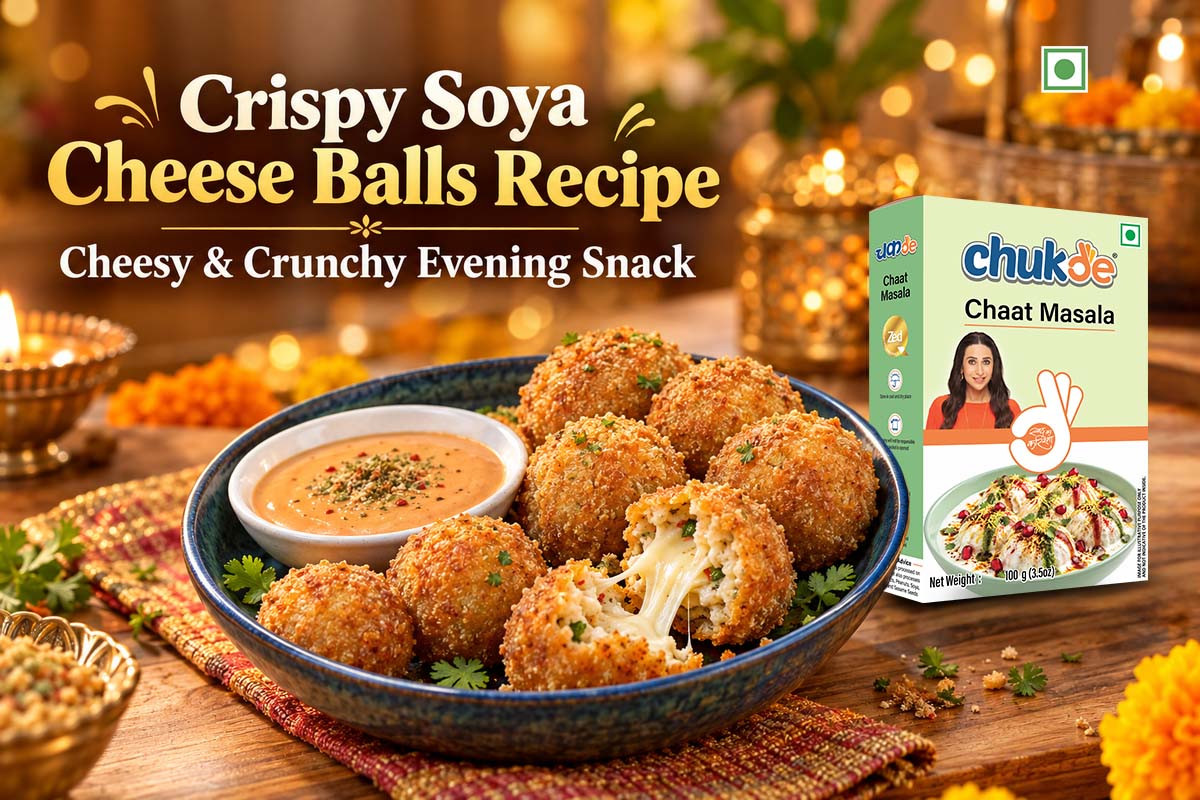
Make crispy soya cheese balls at home with soya chunks and Chukde Kashmiri red chilli powder. Easy evening snack with coating tips and flavour balance.
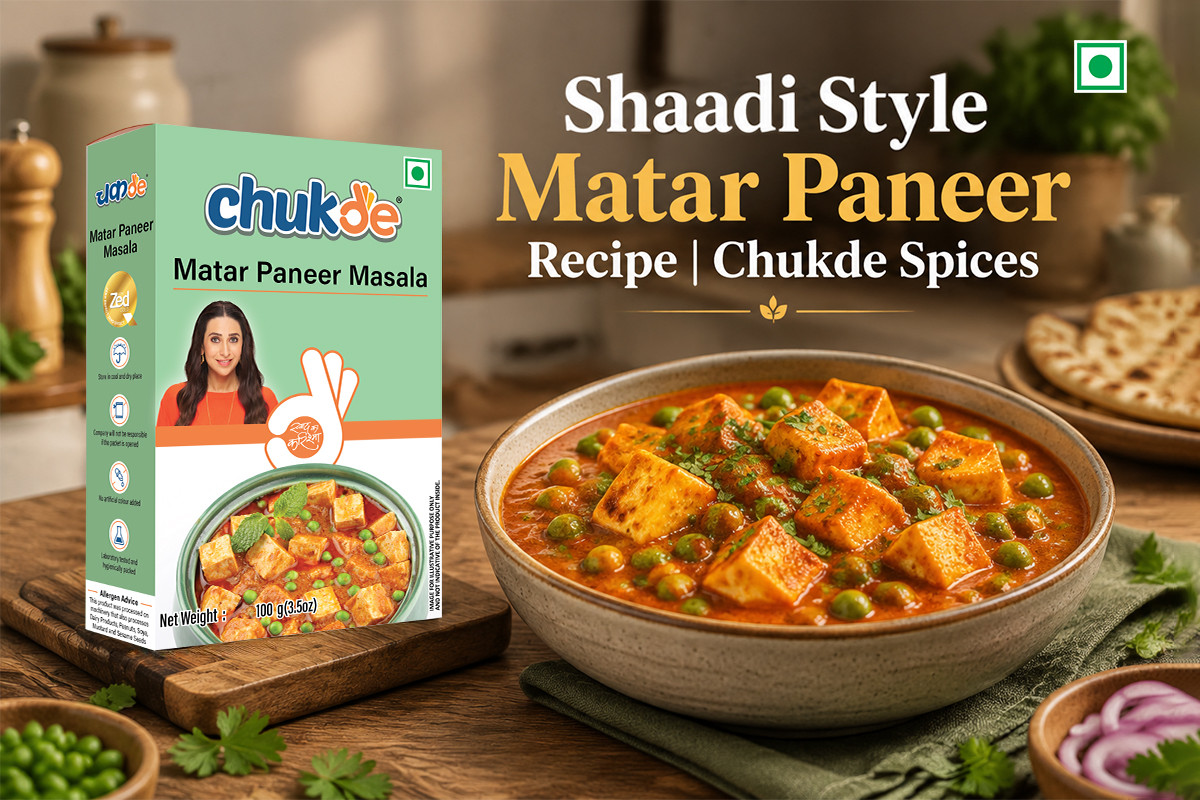
Learn how to make Shaadi Style Matar Paneer with creamy gravy, soft paneer and rich flavours. Easy wedding style recipe with Chukde Matar Paneer Masala.
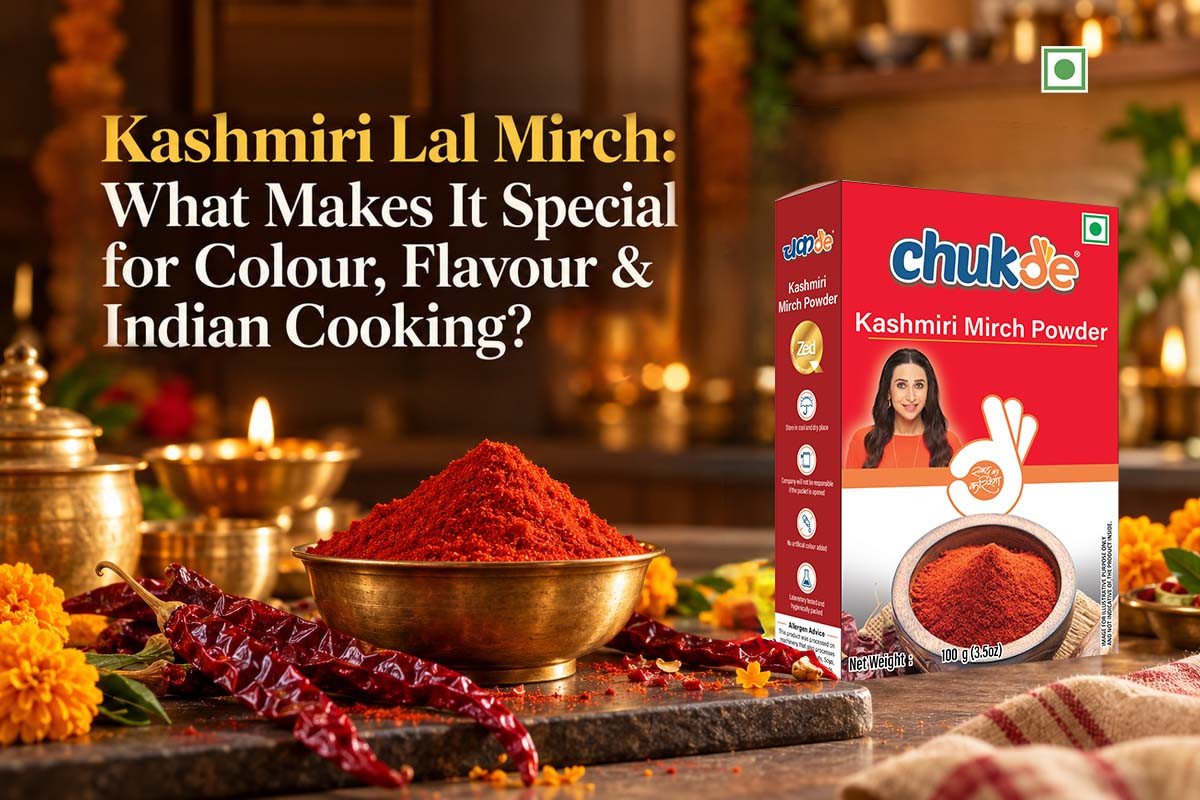
Discover why Kashmiri Lal Mirch adds rich colour with mild heat. Learn its benefits, cooking uses, storage tips and difference from regular chilli.
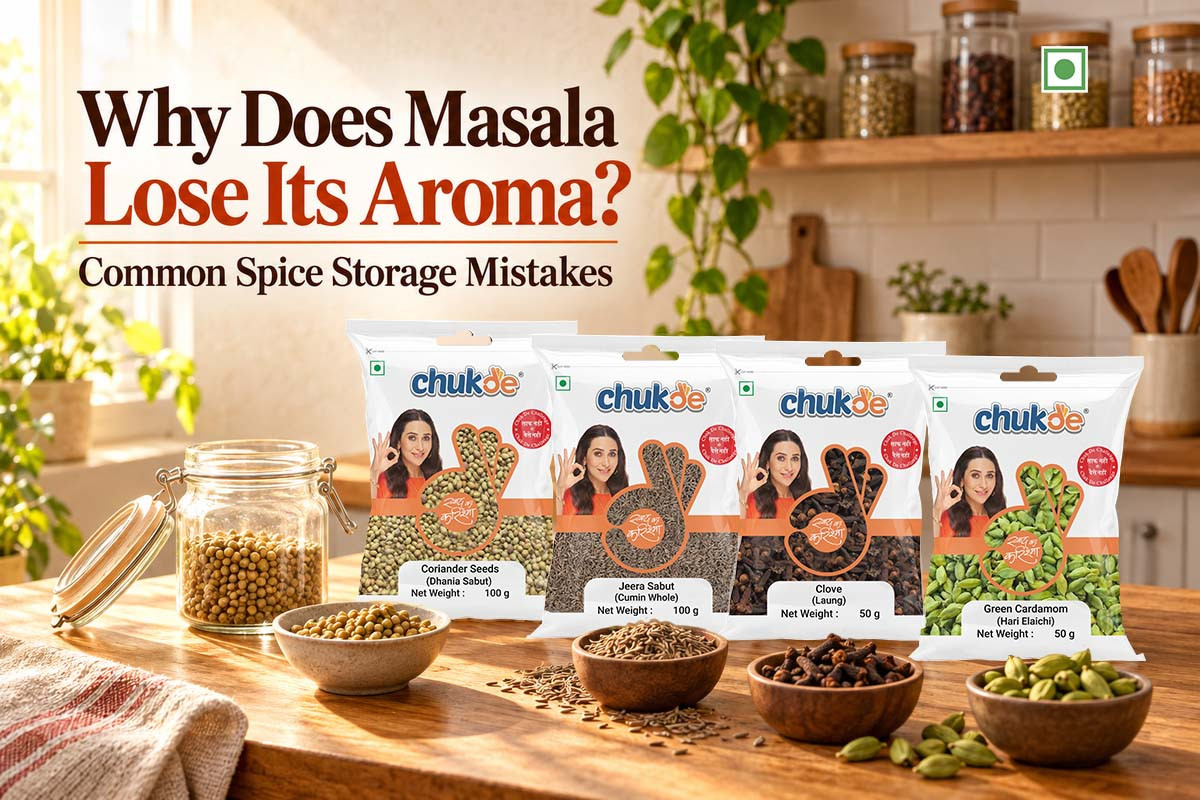
Masala loses aroma due to heat, light, moisture and air. Learn common spice storage mistakes, practical fixes, shelf life tips and better pantry habits for Indian spices.
<% quickViewcurrVar.entity.title %> (<% quickViewcurrVar.price.off %>)
<% formatCurr(quickViewcurrVar.price.regular, quickViewcurrVar.price.curr_info) %> <% formatCurr(quickViewcurrVar.price.sale, quickViewcurrVar.price.curr_info) %> (Inc. tax) (Ex. tax)
Description (SKU - <% quickViewcurrVar.sku %>)
 TBS points:
 Tags & Categories:

Powered by Science

100% cruelty free

Made in India
 100% safe
checkout
100% safe
checkout

Invalid Product!


Checkout in
& get 2% OFF