


 Cart
Cart


 <% cart_fragment.free_shipping_message %>free shipping


Hing Powder In India 2026: Quality, Aroma & Buying Guide

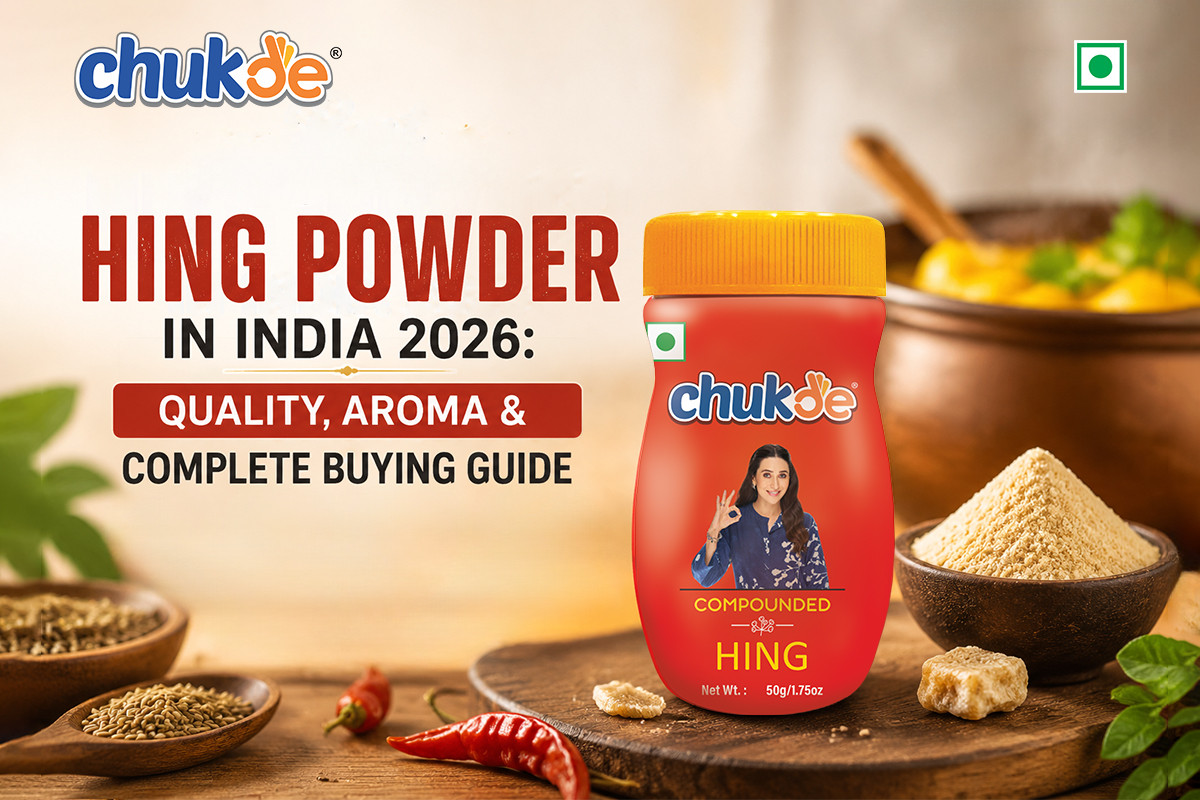
Many home cooks in India face the same issue. They buy hing powder expecting rich aroma during tempering, only to find the flavour stays faint even after roasting in ghee. Hing powder plays an important role in Indian cooking, especially in dal tadka, sambar, rasam and everyday vegetable dishes. Yet results vary widely between packs.
This guide focuses on what actually matters when choosing hing powder in 2026 — aroma that releases well during cooking, texture that works in tempering, and storage habits that protect flavour in typical Indian kitchen conditions.
What Hing Powder Adds to Daily Cooking
Hing powder, also known as asafoetida, comes from the resin of the Ferula plant. In Indian kitchens it has long been part of spice blends and masalas. When added correctly during tempering, it supports flavour layering without overpowering other ingredients.
Cooks value it because a small amount can lift lentil-based dishes and vegetable preparations. The key difference between packs often comes down to how the powder behaves when it hits hot ghee and how well it holds character over time.
Why Aroma Release and Texture Matter in Practice
The real test happens in the pan. Good options release aroma within seconds of hitting hot ghee or oil. They also mix evenly instead of staying grainy or forming lumps in the tempering.
Many cooks notice that some packs lose strength within weeks of opening. This often relates to how the powder was processed, the fillers used, and how well the packaging protects against moisture. In humid conditions common across India, exposure to air and moisture can reduce aroma faster than expected.
From practical kitchen observations, packs that perform better usually show these traits: quick aroma bloom when roasted, fine texture that disperses during tempering, and ability to hold flavour through the full cooking process without turning harsh.
Kitchen Checks to Find Hing Powder with Strong Aroma
You can evaluate any pack with simple tests at home. These checks focus on real cooking performance.
Smell and roast test
Take a small pinch from the pack. It should carry a sharp, characteristic smell. Heat a teaspoon of ghee, add the pinch, and wait a few seconds. The aroma should develop quickly and smell rounded rather than sharp or off.
Texture and mixing check
Rub a little between your fingers. It should feel fine and slightly powdery. When added to hot oil during tempering, it should spread evenly instead of clumping.
Tadka performance test
Prepare a small tempering with cumin or mustard seeds. Add a pinch of hing powder and note how fast the aroma fills the space. Better options create a clear shift in the overall flavour within 10–15 seconds.
Storage observation
Move a portion to a small airtight container and check the aroma after two and four weeks. Packs that hold their character longer usually come from better handling and packaging.
How Common Options Compare in Everyday Use
Home cooks often compare a few widely available choices. Here is a practical view based on common kitchen feedback:
|
Aspect |
Everest |
MDH |
Chukde Hing |
|
Aroma during tadka |
Noticeable but often milder |
Consistent medium strength |
Strong and develops quickly |
|
Texture in tempering |
Can feel slightly grainy |
Coarser in some packs |
Fine and disperses evenly |
|
Flavour hold in sambar |
Adequate for daily use |
Reliable |
Holds through longer cooking |
|
Aroma after weeks |
Average |
Average |
Often stays stronger longer |
|
Best suited for |
Everyday vegetable dishes |
General home cooking |
Flavour-focused tadka & pickles |
Results vary with storage habits and cooking style. Many households keep one or two options depending on the dish. You can explore more options in our ground spices category.
How to Use Hing Powder for Better Aroma in Tempering
The timing and method affect the final result. Follow these steps for clearer aroma release.
- Heat ghee or oil until it reaches the right temperature for tempering.
- Add whole spices such as cumin or mustard seeds first and let them splutter.
- Add a small pinch of hing powder — usually ⅛ to ¼ teaspoon for four servings.
- Stir right away so it roasts evenly for 5–8 seconds without burning.
- Add the rest of your ingredients immediately to lock in the aroma.
For sambar or rasam, dissolve the pinch in a spoonful of warm water before adding it toward the end. This helps distribute flavour without clumping. Start with less and adjust once you understand how a particular pack behaves.
Storage Habits That Help Aroma Last Longer
Hing powder loses aroma mainly from moisture and air exposure. Indian kitchens often face high humidity, especially during monsoon months.
Transfer the powder to a small glass or metal container with a tight lid soon after opening the original pack. Keep it in a cool, dry part of the pantry away from the stove and sink. Avoid wet spoons. Some cooks divide larger packs into smaller containers so one stays sealed longer.
With careful storage, a well-handled hing powder can maintain a useful aroma for several months. Check the smell before each use and replace the pack if the aroma has faded noticeably.
Common Mistakes to Avoid
- Adding hing powder too early or too late in the tempering process
- Using too much, which can make the dish taste harsh
- Leaving it in the original pack after opening in humid weather
- Expecting the same intensity from every brand without testing first
- Storing it near strong-smelling spices that can affect its character
Small adjustments in these areas often improve results more than changing brands.
FAQ
How much hing powder should I use in dal tadka?
Start with a small pinch, around ⅛ teaspoon for four servings. Adjust based on the aroma strength of your pack.
Why does my hing powder lose aroma quickly after opening?
Air and moisture exposure are the main reasons. Moving it to an airtight container and keeping it away from humidity helps maintain flavour longer.
Can I use hing powder in every Indian recipe?
It works especially well in lentil dishes, vegetable curries and pickles. Some regional styles use it more sparingly. Test small amounts in new recipes first.
What is the difference between types of hing powder?
Most options for home use are compounded forms mixed with edible gum or flour for easier handling. Some cooks prefer resin pieces for stronger aroma in specific preparations.
How do I know if my hing powder is still good?
Check the aroma before cooking. If it smells weak or off even after roasting in ghee, replace the pack.
Does hing powder behave the same across regional cooking styles?
North Indian tadka, South Indian sambar and other styles use it differently. The core technique of roasting in fat stays similar, but quantity and timing change by recipe.
Conclusion
Hing powder delivers better results in Indian cooking when it releases aroma well during tempering and holds flavour through the cooking process. Focus on simple kitchen checks for aroma and texture, store it properly against moisture, and adjust quantity based on how your chosen pack performs. These steps help you get more consistent flavour from the hing powder in your pantry.
If you want to explore more spice guides and recipes, visit the Chukde blog.
Related articles
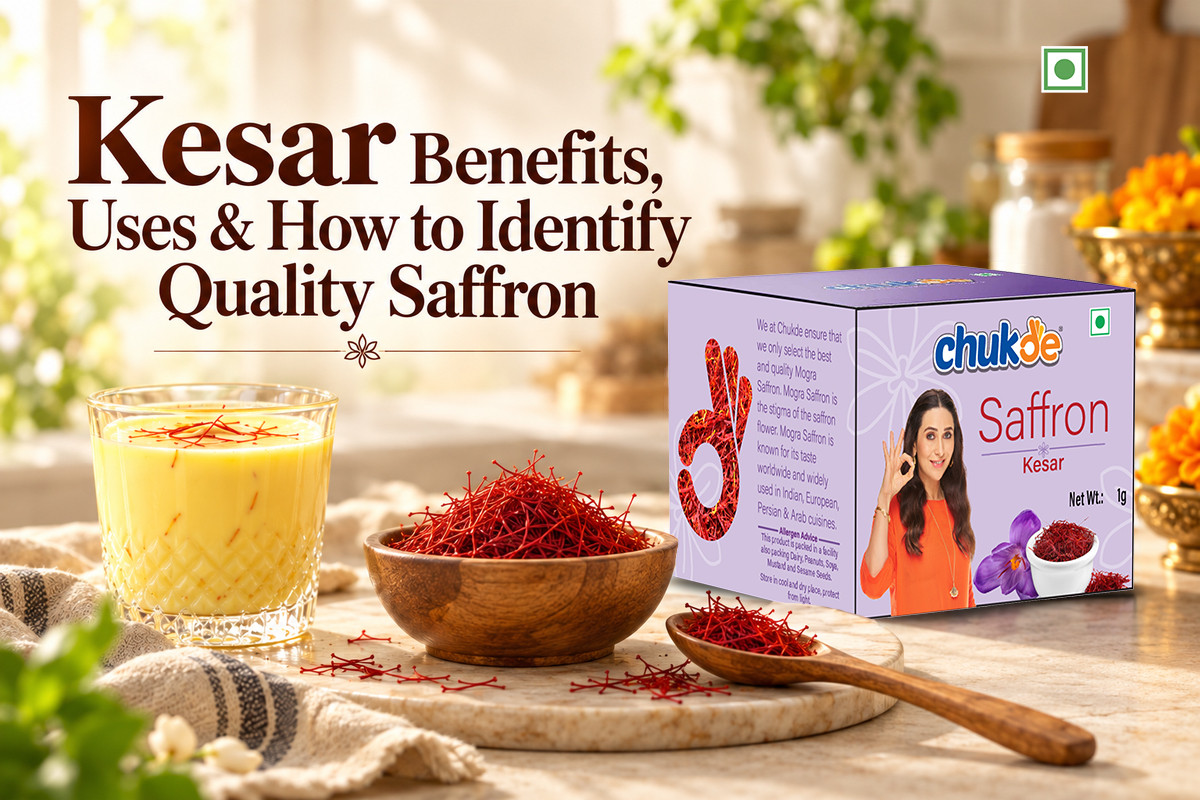
Learn kesar benefits, kitchen uses, bloom method, food amounts, and home tests to spot quality saffron threads.
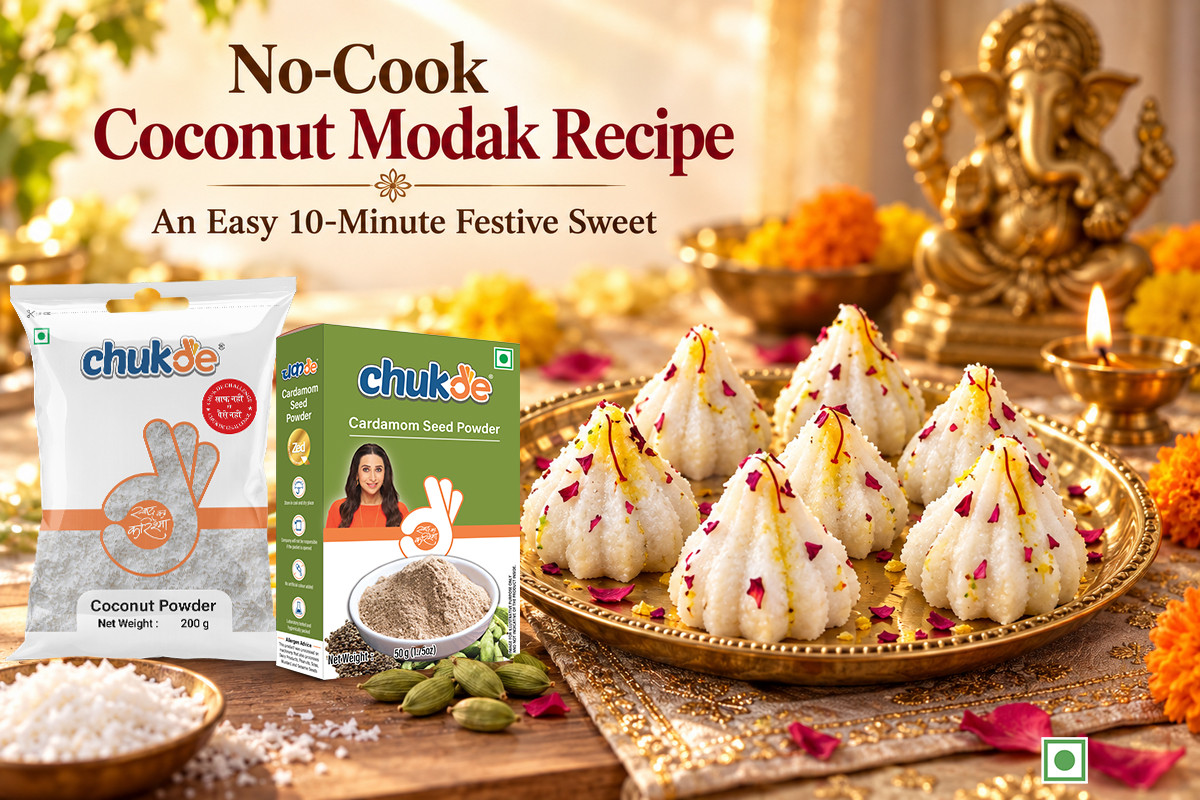
Make soft, delicious no-cook coconut modaks in just 10 minutes using simple ingredients. An easy festive sweet perfect for Ganesh Chaturthi celebrations.

Make soft, flavourful Besan Mawa Modak for Ganesh Chaturthi with an easy step-by-step recipe, perfect for bhog, prasad and festive celebrations at home.
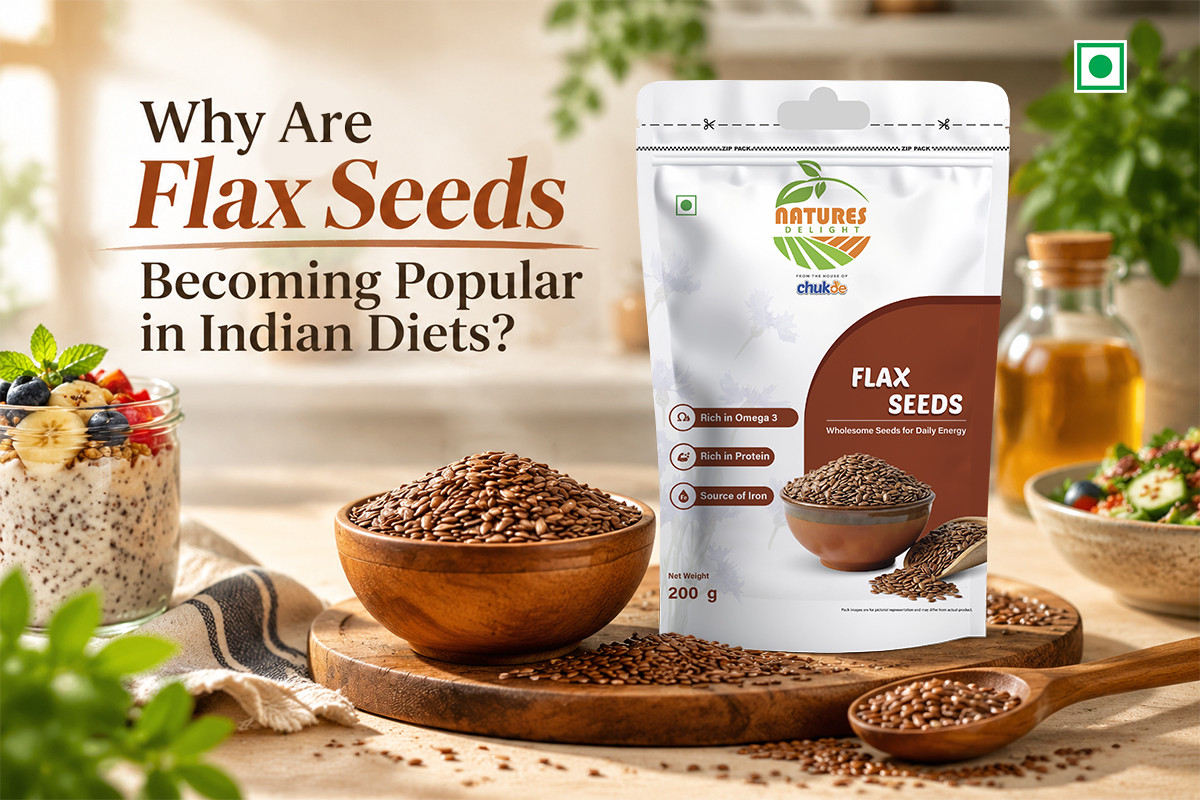
Flax seeds are back in Indian kitchens. See why demand is rising, useful food points, roast-and-grind steps, storage tips and easy daily uses.
<% quickViewcurrVar.entity.title %> (<% quickViewcurrVar.price.off %>)
<% formatCurr(quickViewcurrVar.price.regular, quickViewcurrVar.price.curr_info) %> <% formatCurr(quickViewcurrVar.price.sale, quickViewcurrVar.price.curr_info) %> (Inc. tax) (Ex. tax)
Description (SKU - <% quickViewcurrVar.sku %>)
 TBS points:
 Tags & Categories:

Powered by Science

100% cruelty free

Made in India
 100% safe
checkout
100% safe
checkout

Invalid Product!


Checkout in
& get 2% OFF