


 Cart
Cart


 <% cart_fragment.free_shipping_message %>free shipping


Coriander Powder In India 2026: A Freshness & Taste Guide

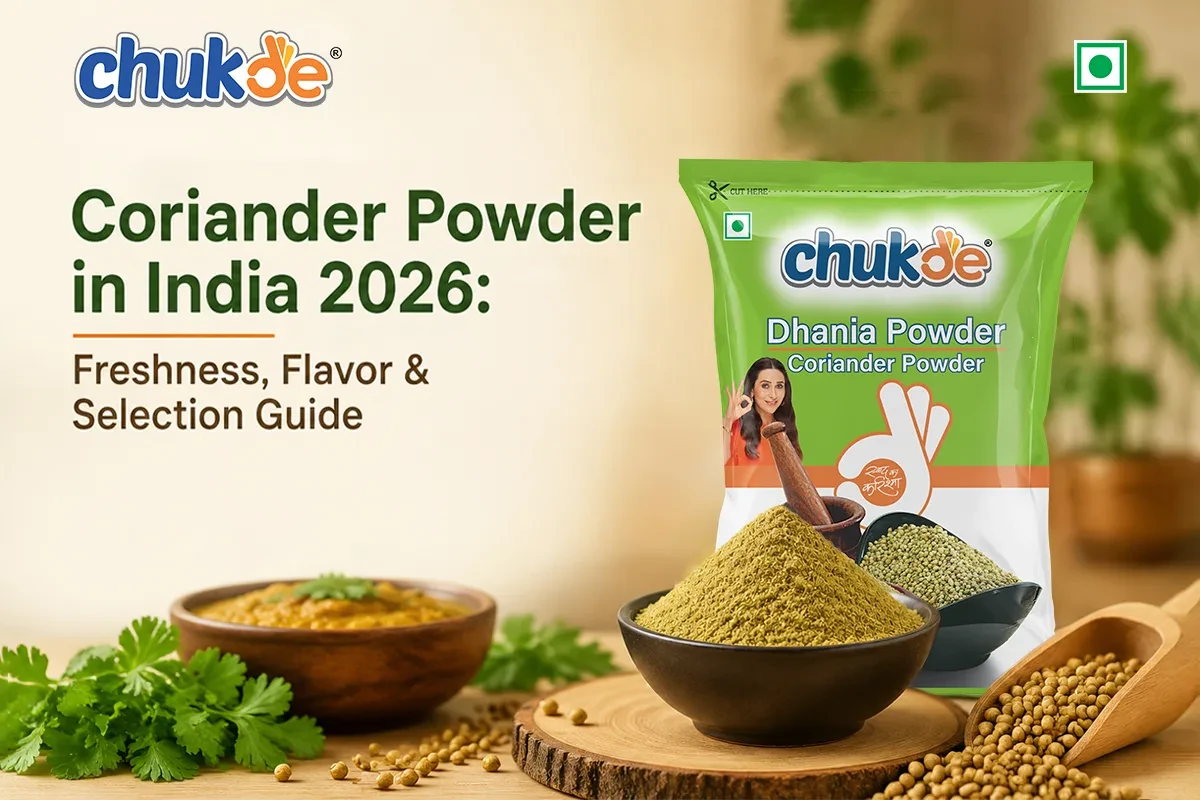
Coriander powder works quietly in the background, but your food feels incomplete without it. Add it to dal, sabzi, curry, chole, marinades or spice blends, and it brings a warm, earthy taste with a hint of citrus.
In India, coriander powder is also called Dhania powder or dhaniya powder. Most homes use it daily, but many buyers still wonder what a good dhania powder should look, smell and taste like.
This guide explains how to check freshness, aroma, colour, texture, storage and usage. It also helps you decide whether to buy ready-to-use coriander powder or grind sabut dhania at home.
Why Coriander Powder Matters in Indian Cooking
Coriander powder is made by grinding dried coriander seeds, also called sabut dhania. It is used across Indian cooking because it brings warmth and balance to many everyday dishes.
It does three useful things in food:
- Adds mild citrusy and earthy flavour
- Balances sharper spices like red chilli and garam masala
- Gives body to curries, gravies and dry sabzis
Coriander powder rarely works alone. It blends with cumin, turmeric, red chilli, ginger, garlic and onion to build layers of flavour.
For example, in aloo gobi, coriander powder adds warmth. In chole, it supports the roasted masala taste. In paneer gravy, it gives depth without making the dish too sharp.
If you cook often, you can keep both options in your kitchen: ready-to-use Dhania powder for daily cooking and sabut dhania for roasting or grinding fresh masalas.
Freshness, Aroma and Taste: What to Look For
Fresh coriander powder should smell warm, slightly citrusy and mildly nutty. If the aroma feels flat, dusty or dull, the powder may not add much flavour to your food.
Colour
Good dhania powder usually appears light greenish-brown to light brown. A darker shade is not always a problem, but it may come from heavy roasting, older stock or uneven grinding.
Colour alone is not enough. Always check it along with aroma, texture and pack freshness.
Aroma
Aroma is the quickest quality check. Coriander seeds contain volatile oils, which create the familiar dhania fragrance.
Once seeds are ground, the powder starts losing aroma slowly because more surface area is exposed to air. This is why freshly opened coriander powder usually smells stronger than a jar kept open for months.
Texture
Many Indian cooks prefer coriander powder that is fine but not lifeless. A slightly grainy texture can work well in sabzis and gravies because it gives the masala a better mouthfeel.
The powder should not have heavy clumps. Clumping may suggest moisture exposure.
Taste
Fresh Dhania powder has a mild sweetness, earthy base and light citrus note. It should not taste bitter.
Bitterness can come from burnt roasting, poor storage or old powder.
Homemade Coriander Powder vs Ready-to-Use Dhania Powder
Both homemade and ready-to-use coriander powder have their place. The right choice depends on your cooking style, time and storage habits.
Here is how they compare:
|
Factor |
Homemade Coriander Powder |
Ready-to-Use Dhania Powder |
|
Best for |
People who enjoy roasting and grinding spices |
Daily cooking and quick use |
|
Aroma |
Strong when freshly ground |
Depends on seed quality and packing |
|
Effort |
Needs cleaning, roasting, cooling and grinding |
Ready to add directly |
|
Texture control |
You can grind fine or coarse |
Fixed texture |
|
Storage care |
Needs careful handling after grinding |
Keep sealed after opening |
|
Best use |
Small fresh batches |
Regular household cooking |
In my experience, homemade coriander powder tastes best when made in small batches. Roast sabut dhania lightly, cool it fully, grind it and use it within a short period.
For weekday cooking, ready-to-use Chukde Dhania/Coriander Powder is more convenient when you want consistent texture and quick cooking convenience.
Many Indian kitchens keep both. Coriander powder is used for daily dal, sabzi and curries, while sabut dhania is kept for pickles, fresh masala blends and roasted spice mixes.
Buying Coriander Powder in India 2026: Quick Checklist
Indian shoppers in 2026 are reading labels more carefully. They want clearer product information, better pantry organization and spices that work well in real recipes.
Before you buy coriander powder online or from a store, check these points:
1. Check the ingredient list
The ingredient list should be simple and clear. For regular coriander powder, the main ingredient should be coriander.
If it is a special spice blend, the added spices should be clearly mentioned.
2. Look for freshness cues
Check the pack date, aroma after opening and colour consistency. Avoid packs that smell stale or have visible clumps.
A fresh-smelling pack usually performs better in daily cooking.
3. Check the texture
If you cook Indian food daily, choose a powder that mixes well into tadka, gravies and dry masalas.
Very uneven particles may not blend smoothly in gravies.
4. Understand the source
Coriander is grown in several Indian regions, including Rajasthan, Madhya Pradesh and Gujarat. Growing region, harvest quality and processing method can affect aroma and taste.
Chukde’s coriander range is a useful example of what to look for: cleaned, graded and packed for everyday Indian cooking.
5. Choose the right pack size
Buy according to your usage. A 100g or 200g pack works well for many home kitchens.
A 1 kg coriander powder pack is usually better for large families, restaurants, caterers or food businesses.
How to Use Coriander Powder in Everyday Cooking
Coriander powder is easy to use, but timing matters. Add it at the right stage and it blends better with oil, moisture and other masalas.
In Curries and Gravies
Add coriander powder after the onion-tomato masala starts cooking. This helps it blend with oil and other spices.
Use about ¾ to 1 teaspoon for a family-size paneer, rajma, chole or chicken curry. Start low; you can always add more.
In Sabzis
For dry vegetables like aloo, bhindi, gobi and beans, add Dhania powder after the vegetables are partly cooked.
Use ½ to 1 teaspoon for a medium pan of sabzi. Mix it with turmeric, red chilli powder and salt for a rounded masala taste.
In Dal and Tadka
A small pinch of Dhania powder can soften the sharpness of dal tadka. It works well with cumin, hing, garlic and dried red chilli.
For one medium bowl of dal, start with ¼ teaspoon. Add more only if you want a stronger masala note.
In Marinades
Mix coriander powder with curd, ginger-garlic paste, chilli powder, salt and lemon juice.
Use 1 teaspoon for about 250g paneer, tofu, vegetables or meat. Let the marinade rest for 20 to 30 minutes before cooking.
In Spice Blends
Coriander powder is often used in garam masala, sambhar masala, chole masala, pickle masala and curry-style blends.
It supports stronger spices and gives the blend a rounded base. You can also explore more spice blends for recipe-led cooking.
Storage Checklist for Longer Aroma
Ground spices lose aroma faster than whole spices. So storage matters.
Use this simple checklist:
- Keep coriander powder in an airtight jar after opening
- Store it away from heat, sunlight and moisture
- Do not keep the jar near the gas stove
- Always use a dry spoon
- Close the lid immediately after use
- Do not pour directly over steaming food
- Label the opening date if you buy multiple masalas
- Use smaller packs if your consumption is low
In most Indian kitchens, the biggest mistake is keeping masala jars right beside the stove. Heat and steam reduce aroma faster.
A closed drawer or spice cabinet works better. For more pantry care ideas, you can also read our spice storage tips.
Common Mistakes to Avoid
Mistake 1: Adding too much coriander powder
Coriander powder is mild, but too much can make a dish taste heavy.
Start with 1 to 2 teaspoons for a family-size curry and adjust according to taste.
Mistake 2: Burning it in hot oil
Ground spices can burn quickly. Add coriander powder after lowering the flame or after the onion-tomato base has released some moisture.
If the masala smells burnt, the final dish may taste bitter.
Mistake 3: Ignoring aroma
If the powder smells dull, your food will also taste dull. Aroma is one of the simplest quality checks.
Do not rely only on colour.
Mistake 4: Buying a large pack without regular use
Large packs may look economical, but ground spices are best used while their aroma is still active.
Buy according to your cooking frequency.
Which One Should You Choose?
Not sure which to buy? Use this quick reference:
|
Cooking Need |
Better Choice |
|
Daily dal, sabzi and curry |
Dhania powder |
|
Homemade masala blends |
Sabut dhania |
|
Freshly roasted aroma |
Sabut dhania |
|
Quick weekday cooking |
Coriander powder |
|
Texture in pickles and tadka |
Whole or crushed coriander seeds |
|
Smooth gravies |
Ground coriander powder |
If you want convenience, use coriander powder. If you enjoy roasting and grinding masalas, keep sabut dhania in your pantry too.
Chukde Dhania/Coriander Powder works well for daily cooking, while Chukde Sabut Dhania is useful when you want to roast, crush or grind fresh batches at home.
FAQs
1. What is the Hindi name of coriander powder?
The Hindi name of coriander powder is धनिया पाउडर. It is also commonly called पिसा धनिया in many Indian homes.
2. What is coriander powder?
Coriander powder is a ground spice made from dried coriander seeds. It has a warm, earthy taste with light citrus notes.
It is used in curries, dals, sabzis, marinades, tadka and spice blends.
3. What is coriander powder colour?
Coriander powder is usually light greenish-brown to light brown. A very dark shade may come from heavy roasting, older stock or uneven grinding.
Always check colour along with aroma, texture and pack freshness.
4. What is the price of coriander powder in India?
Coriander powder price in India varies widely depending on brand, pack size, seed quality and processing.
Expect to pay more for freshly ground, carefully sorted powder compared to bulk or older stock. Check the pack date and aroma to judge if the price is fair.
5. How long does coriander powder stay fresh after opening?
Once opened, use coriander powder within 3 to 4 months for better aroma. Store it in an airtight container away from heat and sunlight.
If it smells dull or stale, it may not add much flavour to your cooking.
6. Can I use coriander powder instead of whole coriander seeds?
Yes, but both behave differently in cooking. Whole coriander seeds release aroma slowly, while coriander powder mixes into the masala quickly.
For tadka, pickles and crushed masalas, whole seeds work better. For gravies and daily sabzis, powder is more convenient.
Conclusion
Coriander powder may look simple, but it plays a big role in Indian cooking. It adds aroma, balances strong masalas and brings a warm, earthy-citrusy taste to everyday food.
In 2026, Indian buyers are looking beyond price. They want better freshness, clearer labels, better storage habits and spices that work well in real recipes.
Whether you choose ready-to-use Dhania powder or grind sabut dhania at home, the key is to protect aroma and use the spice correctly.
Explore Chukde Dhania/Coriander Powder for daily cooking, or try Chukde Sabut Dhania if you enjoy grinding fresh masalas. Either way, freshness and proper storage are your best friends in the spice drawer.
Related articles
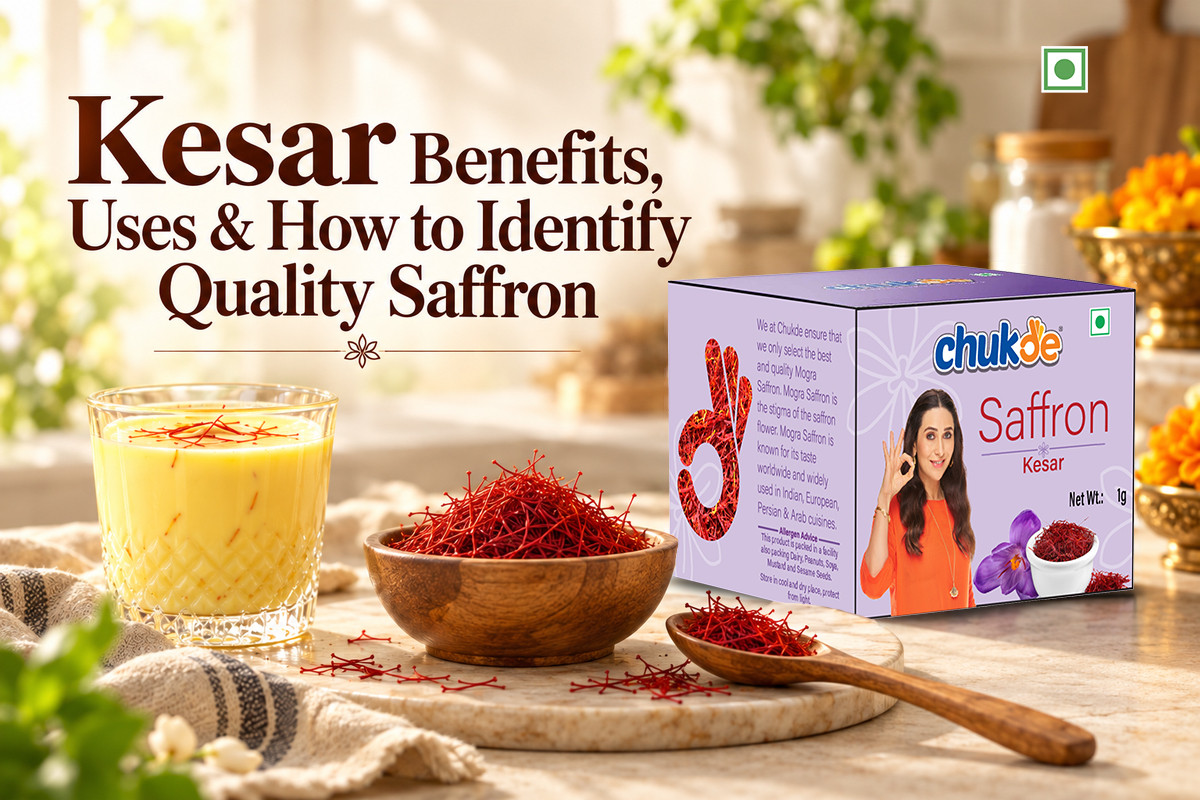
Learn kesar benefits, kitchen uses, bloom method, food amounts, and home tests to spot quality saffron threads.
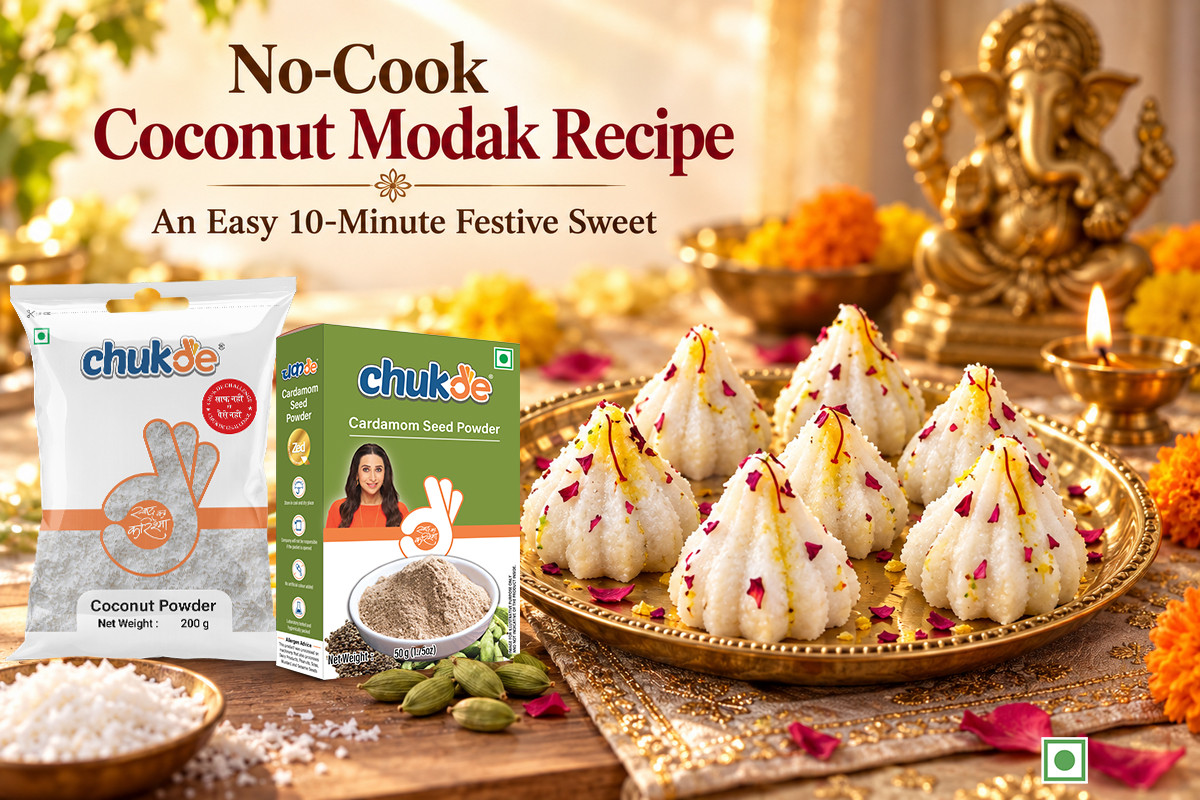
Make soft, delicious no-cook coconut modaks in just 10 minutes using simple ingredients. An easy festive sweet perfect for Ganesh Chaturthi celebrations.

Make soft, flavourful Besan Mawa Modak for Ganesh Chaturthi with an easy step-by-step recipe, perfect for bhog, prasad and festive celebrations at home.
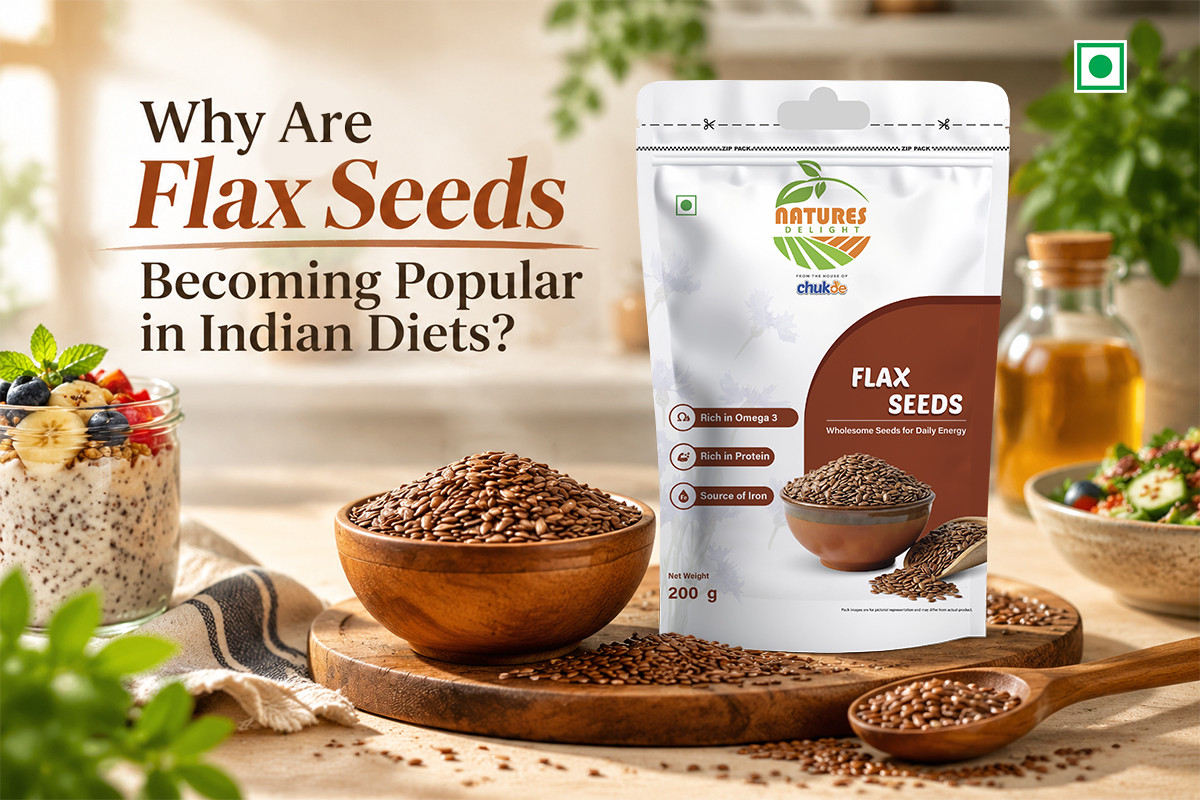
Flax seeds are back in Indian kitchens. See why demand is rising, useful food points, roast-and-grind steps, storage tips and easy daily uses.
<% quickViewcurrVar.entity.title %> (<% quickViewcurrVar.price.off %>)
<% formatCurr(quickViewcurrVar.price.regular, quickViewcurrVar.price.curr_info) %> <% formatCurr(quickViewcurrVar.price.sale, quickViewcurrVar.price.curr_info) %> (Inc. tax) (Ex. tax)
Description (SKU - <% quickViewcurrVar.sku %>)
 TBS points:
 Tags & Categories:

Powered by Science

100% cruelty free

Made in India
 100% safe
checkout
100% safe
checkout

Invalid Product!


Checkout in
& get 2% OFF