


 Cart
Cart


 <% cart_fragment.free_shipping_message %>free shipping


Black Pepper Benefits: 7 Reasons To Add Kali Mirch To Your Everyday Diet


Most Indian kitchens already keep kali mirch near the salt. Yet many of us treat black pepper as a last-minute sprinkle and never ask what it is doing in the pan. If you have wondered about black pepper benefits beyond heat, this guide stays in the kitchen, not in a clinic.
Black pepper, or kali mirch, comes from the dried berries of Piper nigrum. The bite you taste is mainly piperine, along with volatile oils that fade when powder sits open. In my experience, the biggest change is a small amount, freshly cracked, In my experience, even a small amount of freshly cracked black pepper can noticeably enhance the flavour of everyday meals.
This guide covers seven practical ways to use black pepper in everyday meals, along with a quick comparison of whole and powdered pepper and a simple daily-use checklist.
How Black Pepper Benefits Daily Indian Cooking
Black pepper, used as kali mirch in most homes, is a whole spice first and a powdered spice second. Sabut kali mirch holds the aroma longer. Black pepper powder is convenient for tadka, raita, eggs, and finishing a dal.
From practical kitchen observations, pre-ground pepper in a humid dabba tastes flat. The heat remains, but the piney top note is gone. Flavour layering works better when you crack whole peppercorns over the plate or grind only a week’s worth.
7 Black Pepper Benefits You Will Notice in the Kitchen
1. It gives heat without turning the dish into a chilli bomb
Lal mirch brings colour and a sharp burn. Kali mirch brings slower, rounded pungency. While testing recipes, I have found that a pinch at the end lifts and a bhurji, tomato soup, and mixed sabzi without upsetting the masala balance.
2. It May Support Digestion When Used in Moderation
Home cooks add black pepper to khichdi and tadka because meals feel easier to sit with. Reviews of piperine describe it stimulating digestive secretions. Take that as a kitchen note, not a treatment plan. If you have acidity, use less and keep it inside the meal. The Spices Board of India lists black pepper among India’s major traded spices and is a useful official reference for origin and grade language.
3. It works with haldi in the same tadka
Indian kitchens already pair turmeric powder and black pepper in gravies and warm milk. Piperine may change absorption of some plant compounds, including curcumin. A well-known human study on that pairing is indexed on PubMed. Results across later papers are mixed, so do not chase capsule claims with a pinch of masala. The pairing still gives colour, aroma, and one tadka.
4. Freshly cracked peppercorns keep volatile oils
Dry-roast sabut kali mirch for 30 to 40 seconds, then grind. You will smell more than a jar opened months ago. Grind small batches.Store it in an airtight container and choose a pack size you can use while the pepper is still fresh and aromatic.
5. It fits everyday plates, not only festive gravies
Use it on dal and rasam at the table, eggs, grilled paneer, raita, lemon salads, soups, and simple stir-fries. You season what you already eat.
6. Home cooks use it in seasonal kitchen drinks
A pinch of kali mirch with honey in warm water, or with haldi in warm milk, is a common cooler-month habit. Treat it as comfort cooking. It does not replace a doctor’s advice for a lasting cough.
7. A little goes far if you store it well
Airtight storage stops powder from clumping and keeps whole spices from going dull. In humid cities, I move opened packets into glass jars the same day. If a crushed peppercorn has little aroma, replace the stock.
Whole Kali Mirch vs Black Pepper Powder
|
Point |
Whole peppercorns (sabut) |
Ground black pepper |
|
Aroma release |
Stronger after cracking or light roasting |
Fast, best used sooner |
|
Best use |
Tempering, fresh grinding, finishing |
Daily tadka, sprinkling, quick cooking |
|
Kitchen shelf life |
Longer if kept dry |
Shorter once the pack is open |
|
Cooking method |
Crush or grind as needed |
Add late so oils do not cook off |
Use sabut for weekend grinding. Use powder when weeknights are rushed.
Quick Daily-Use Checklist
– Crack or grind close to cooking time
– Add most of the pepper near the end, not at the first hiss of oil
– Pair a pinch with haldi, jeera sabut, or ghee in everyday tadka
– Keep jars airtight and away from stove steam
– Taste before adding more; extra pepper turns bitter
– Skip large “health shots” if your stomach is sensitive
– Check food labelling: the ingredient should be black pepper
How Much Kali Mirch in Everyday Cooking?
There is no official home-cooking quota. From practical kitchen observations, a pinch to about half a teaspoon across a family’s meals is typical. More often means a harsh throat, not more benefit.
People on regular medicines should stay with food-level amounts. Piperine can change how some drugs are absorbed. Keep to normal cooking use in pregnancy, and speak with a doctor before any concentrated extract.
This article is for cooking and general reading. It is not medical advice.
Frequently Asked Questions
What are the main black pepper benefits in daily cooking?
Black pepper benefits in the kitchen are rounded heat, aroma, and flavour layering. Kali mirch in food amounts may also support digestion. It is not a substitute for treatment.
Is kali mirch the same as black pepper?
Yes. Kali mirch is the common Hindi name for black pepper from Piper nigrum.
Should I use sabut kali mirch or black pepper powder?
Use whole peppercorns when you can grind fresh. Use powder for speed. Add powder late so the aroma does not cook off.
How much black pepper can I add each day?
A pinch to about half a teaspoon across meals is a common kitchen range. Increase only if the food still tastes balanced.
Can I eat black pepper with turmeric every day?
Yes, in normal tadka or milk. That pairing is traditional. Do not treat it like a high-dose supplement.
Does cooking destroy black pepper benefits?
Long, hard boiling dulls volatile oils. Crack or sprinkle most of the pepper near the end.
Conclusion
Black pepper benefits show up first on the plate: aroma, gentle heat, and a spice that works in dal, eggs, tadka, and simple drinks. Kali mirch earns a place in your everyday diet when you crack it fresh, store it dry, and use small amounts with your other Indian spices.
If your current jar smells dull, start again with sabut kali mirch and grind what you need. Keep kali mirch powder for weeknights, add a pinch to tonight’s dal, and notice the difference before you reach for a second spoon.
Related articles

Try 10 easy homemade Diwali sweets, from besan ladoo to kaju katli. Add Chukde Green Elaichi and Kesar for festive flavour and aroma.

Make Bhandara Wala Aloo at home with hand-crushed potatoes, tomatoes and aromatic whole spices. Try this easy no-onion, no-garlic recipe with poori.
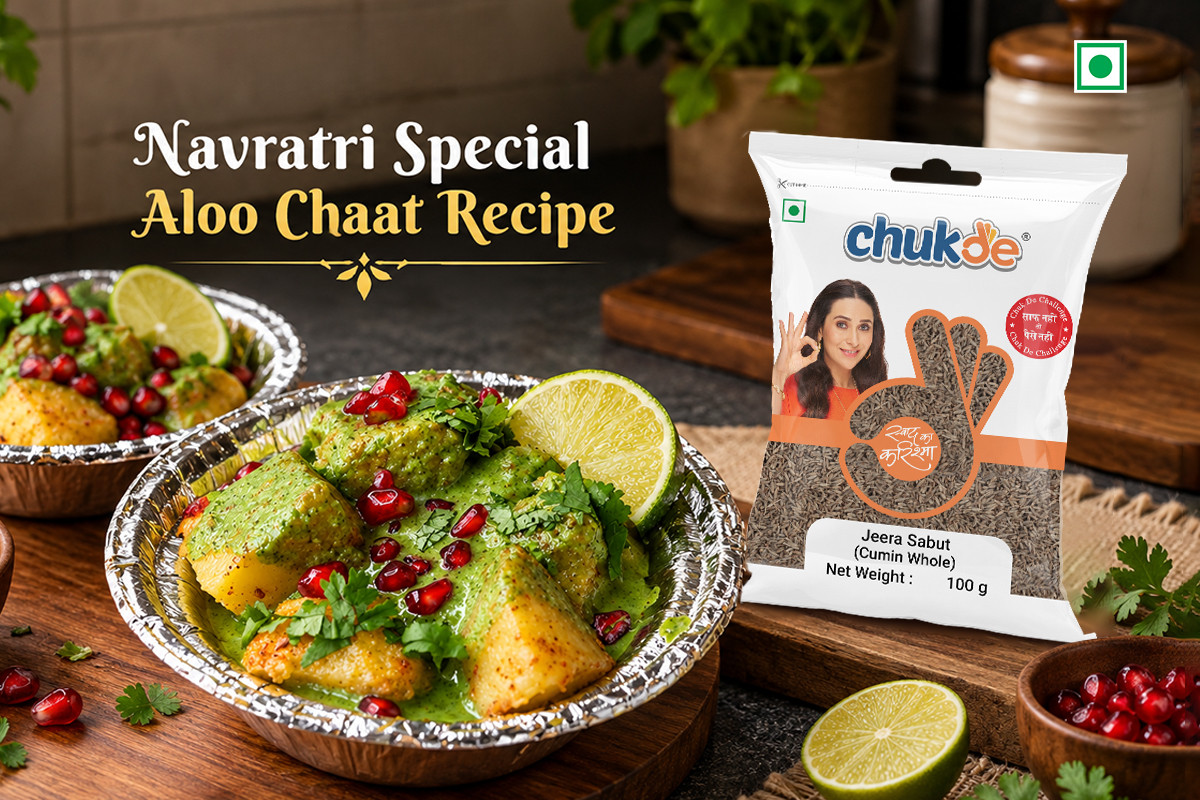
Make crispy Navratri special aloo chaat at home in 20 minutes. Vrat-friendly recipe with sendha namak, no onion-garlic. Perfect fasting snack for Navratri.
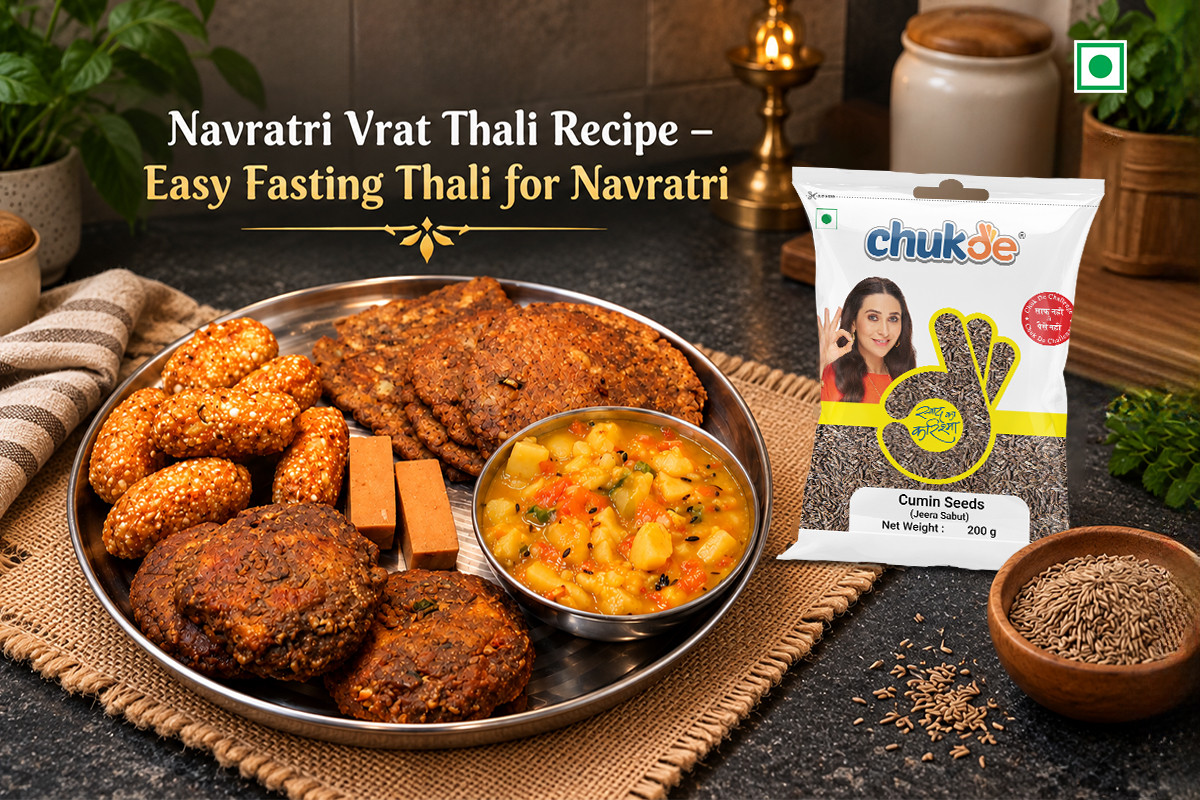
Make a complete Navratri Vrat Thali with aloo sabzi, kuttu puri, makhana raita & kheer. Simple, balanced & fully fasting-friendly recipe for Sharad Navratri 2026.
<% quickViewcurrVar.entity.title %> (<% quickViewcurrVar.price.off %>)
<% formatCurr(quickViewcurrVar.price.regular, quickViewcurrVar.price.curr_info) %> <% formatCurr(quickViewcurrVar.price.sale, quickViewcurrVar.price.curr_info) %> (Inc. tax) (Ex. tax)
Description (SKU - <% quickViewcurrVar.sku %>)
 TBS points:
 Tags & Categories:

Powered by Science

100% cruelty free

Made in India
 100% safe
checkout
100% safe
checkout

Invalid Product!


Checkout in
& get 2% OFF