


 Cart
Cart


 <% cart_fragment.free_shipping_message %>free shipping


Why Are Flax Seeds Becoming Popular In Indian Diets?

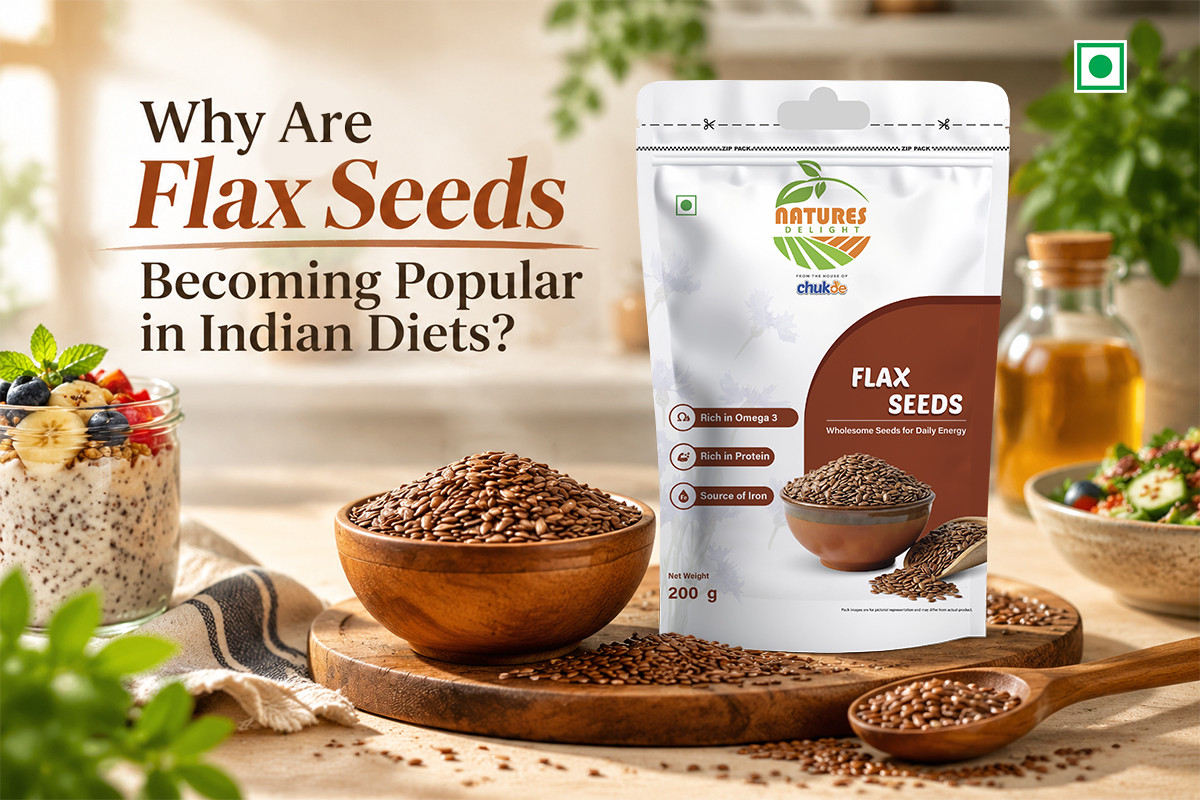
A decade ago, flax seeds sat in a quiet corner of the oilseed shelf. Today they show up in atta boxes, weekend ladoo trays, roasted seed mixes and short cooking videos. If you have typed “why are flax seeds becoming popular in Indian diets,” you are usually asking two things: what changed, and is the seed worth a permanent jar.
The short answer is practical. Indian homes already cook most meals from scratch. Flax seeds fit that habit. A spoon goes into roti dough, a coarse grind becomes dry chutney, and a light roast adds nutty aroma without a new cooking style. Packaged seeds with clear labels made the same ingredient easier to buy in cities. Recipe-led shopping did the rest.
This guide first explains why demand for flax seeds has increased. It then looks at their nutritional benefits, whether it’s better to use them whole or ground, how to roast and grind them at home, and how to store them properly in a humid Indian kitchen.
Why Flax Seeds Moved from a Quiet Shelf to Daily Cooking
Flax seeds have gradually moved from being a little-known pantry ingredient to a regular part of home cooking in India. One reason is their versatility. A small pack can be used in breakfast roti, mixed into dahi, added to ladoos, or included in baking. Once families begin using ground flax seeds in atta or other everyday foods, they often become as familiar as ingredients like sesame.
Another factor is the spread of regional cooking methods through smartphones and short videos. Traditional recipes such as Maharashtra-style flax chutney, North Indian ladoos, and roasted-seed pastes have reached households far beyond their original regions. This has helped people discover new ways to use flax seeds without relying on restaurant trends.
Better packaging and labelling have also made these seeds easier to buy. Clear information such as FSSAI details, ingredients, net weight, dates, and storage instructions gives shoppers greater confidence. Finally, India already grows linseed, the crop from which flax seeds come. With cultivation spread across states such as Madhya Pradesh, Jharkhand, Uttar Pradesh, Chhattisgarh and Odisha, flax seeds feel like a familiar Indian crop rather than an imported speciality.
Together, home cooking, digital recipe sharing, clearer labels and domestic production have helped flax seeds become an everyday kitchen ingredient.
Benefits You Should Know about Flax Seeds
These points come from food composition data and published reviews. They describe what is in flax seeds and how they are used in cooking. They are not a treatment list.
A tablespoon (about 10 g) provides about 55 kcal, 1.9 g protein, 4.3 g fat and 2.8 g fibre. Flax seeds are also rich in ALA, a plant omega-3 fat, and provide magnesium and phosphorus.
-
Dietary fibre that fits Indian meals
Flax seeds contain soluble and insoluble fibre. Ground flax can be added to roti dough, dal and curd. Start with a small amount if you are not used to much fibre and drink enough water. -
Plant omega-3 fat (ALA)
Flax seeds are a good everyday source of ALA. Light roasting or adding them later in cooking helps retain their flavour. -
Lignans
Flax seeds are rich in lignans, natural plant compounds. For these nutrients, use the whole seed rather than only flax oil. -
Minerals in a small spoon
A tablespoon provides magnesium and phosphorus, along with small amounts of iron and zinc. They add nutrition and crunch without changing the flavour too much. -
Natural bind for eggless cooking
Mix 1 tablespoon ground flax with 3 tablespoons water and rest for 10 minutes. It thickens and can help bind cutlets, crackers and some cakes. -
Flavour that fits Indian seasoning
Lightly roasted flax seeds have a nutty, earthy taste that works well with chilli, garlic, jeera and jaggery.
Keep portions modest. Using about one measured spoon regularly is an easy way to include flax seeds in daily cooking.
Whole Flax Seeds vs Ground Flax
| Point | Whole flax seeds | Ground flax (freshly milled) |
|---|---|---|
| Texture | Light crunch if chewed well | Blends into atta, dal and dahi |
| Aroma after roasting | Stays inside the seed | Spreads through the dish |
| Best everyday use | Dry chutney, topping, seed mix | Roti dough, batter, ladoo, curd |
| Storage | Longer in an airtight jar | Shorter; oils meet air after grinding |
| Common miss | Swallowing seeds whole | Grinding a month’s stock at once |
Whole seeds often pass through if you do not chew them. Keep whole flax seeds for chutney texture and longer storage. Grind after a light roast when you want the fibre and fat in the meal, not only in the jar.
How to Roast and Grind Flax Seeds
Use a thick tawa over low heat. If you prefer to have the roasting done in advance, keep a pouch of roasted flax seeds ready for days when the tawa is already occupied.
- Spread 4–5 tablespoons of whole flax seeds in a dry pan.
- Stir for 4–6 minutes until the aroma turns nutty and a few seeds crackle. Do not blacken them.
- Cool fully. Warm seeds sweat in a jar and invite moisture.
- Grind a 3–4 day batch only. Pulse. Stop before the powder turns oily.
- Move the powder to a small airtight box. Keep the remaining whole seeds separate.
From practical kitchen observations, a weekly grind beats a monthly grind. Heat, air and humidity dull the nutty flavour once the seed is broken.
Easy Flax Seed Uses in Indian Cooking
- Roti and thepla atta: Mix 1–2 teaspoons ground flax into 1 cup flour. Add a splash of more water.
- Dal and sabzi: Stir ground flax off the heat so the flavour layers in.
- Dry chutney: Roast flax with red chilli, garlic and salt. Grind coarse.
- Dahi or raita: One spoon of ground flax thickens the bowl slightly.
- Ladoo or chikki: Combine roasted flax with brown sesame (til), ghee and jaggery in small batches.
- Seed crackers: Soaked flax binds a mixed seeds tray with sunflower, pumpkin and sesame.
- Flax-egg: Use it when you need to bind, not a fluffy sponge.
Regional Indian cooking already works through flavour layering. Flax seeds play a supporting note, not the whole tempering.
Pros and Cons
What works well
- Fits existing meals without a new cuisine.
- Whole seeds keep longer than powder.
- One pack covers savoury and sweet recipes.
- Combines easily with other pantry seeds.
Where people struggle
- Ground flax loses aroma quickly in heat and humidity.
- Whole seeds do little if swallowed unchewed.
- Too much fibre at once can feel heavy if water intake is low.
- Long frying dulls the nutty taste.
No seed replaces a balanced thali. Use flax seeds as one ingredient among dal, sabzi, dahi and grain.
Frequently Asked Questions
Why are flax seeds becoming popular in Indian diets now?
Older regional recipes met packaged retail, short recipe videos and a stronger home-cooking habit. People can add one spoon to atta or chutney without learning a new cuisine.
What do flax seeds add to everyday food?
A tablespoon of whole flax seeds typically brings fibre, plant omega-3 fat (ALA), lignans and a nutty taste. Ground flax also binds eggless batters.
Should I use whole flax seeds or ground flax?
Grind after a light roast for dough, dal and dahi. Keep a portion whole for chutney texture and longer storage.
How much flax seed can I add in a day?
Many home cooks use 1 teaspoon to 1 tablespoon of ground flax. Increase slowly and drink water, because the fibre is noticeable.
How long do roasted flax seeds stay fresh?
Whole roasted seeds keep better than powder. In a humid kitchen, use ground flax within a few days, or refrigerate it in an airtight box.
Can I put flax seeds in hot tadka?
A brief dry roast is useful. Long frying in hot oil dulls the aroma. Add ground flax near the end of cooking.
Conclusion
Flax seeds becoming popular in Indian diets is a pantry story more than a fashion story. The seed fits roti, chutney, dal and homemade snacks. Clear packs made it easier to buy. Grinding in small batches makes the fibre and nutty flavour show up on the plate.
Start with a handful. Roast it. Grind three days of stock. Stir a spoon into atta tomorrow morning. If the finish tastes clean and nutty, keep whole flax seeds on the shelf and use roasted flax seeds on busy days.
Try one method this week, and notice which recipe your family actually repeats on a busy day.
Note: This article is for informational purposes only. Always consult your doctor or a qualified healthcare professional before making dietary changes or consuming seeds regularly, especially if you have a medical condition, are pregnant, or are taking medication.
Related articles
Learn black pepper benefits for Indian cooking. See how kali mirch adds flavour, supports digestion in food amounts, and pairs with haldi in everyday meals.
Learn how to buy fresh whole spices online in India. Discover quality checks, packing tips, storage advice and the finest sabut masale to choose in 2026.
Follow this Dhaniya Panjiri recipe for Janmashtami prasad with coriander seeds, makhana, nuts and ghee. Includes roasting tips and simple storage advice.
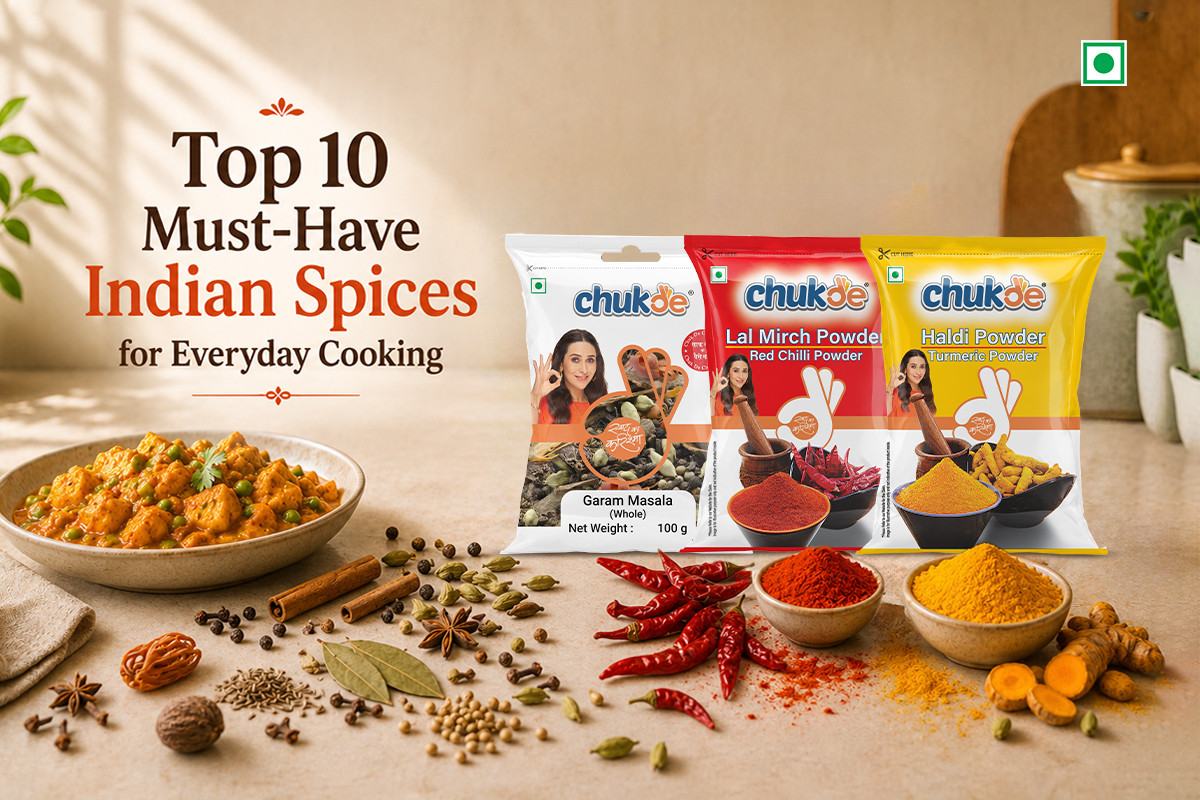
Discover the top 10 must-have Indian spices for everyday cooking, including haldi, jeera, dhania, lal mirch, hing, garam masala and more.
<% quickViewcurrVar.entity.title %> (<% quickViewcurrVar.price.off %>)
<% formatCurr(quickViewcurrVar.price.regular, quickViewcurrVar.price.curr_info) %> <% formatCurr(quickViewcurrVar.price.sale, quickViewcurrVar.price.curr_info) %> (Inc. tax) (Ex. tax)
Description (SKU - <% quickViewcurrVar.sku %>)
 TBS points:
 Tags & Categories:

Powered by Science

100% cruelty free

Made in India
 100% safe
checkout
100% safe
checkout

Invalid Product!


Checkout in
& get 2% OFF