


 Cart
Cart


 <% cart_fragment.free_shipping_message %>free shipping


Suji Balls Recipe | Crispy Outside, Soft Inside | Easy Snack

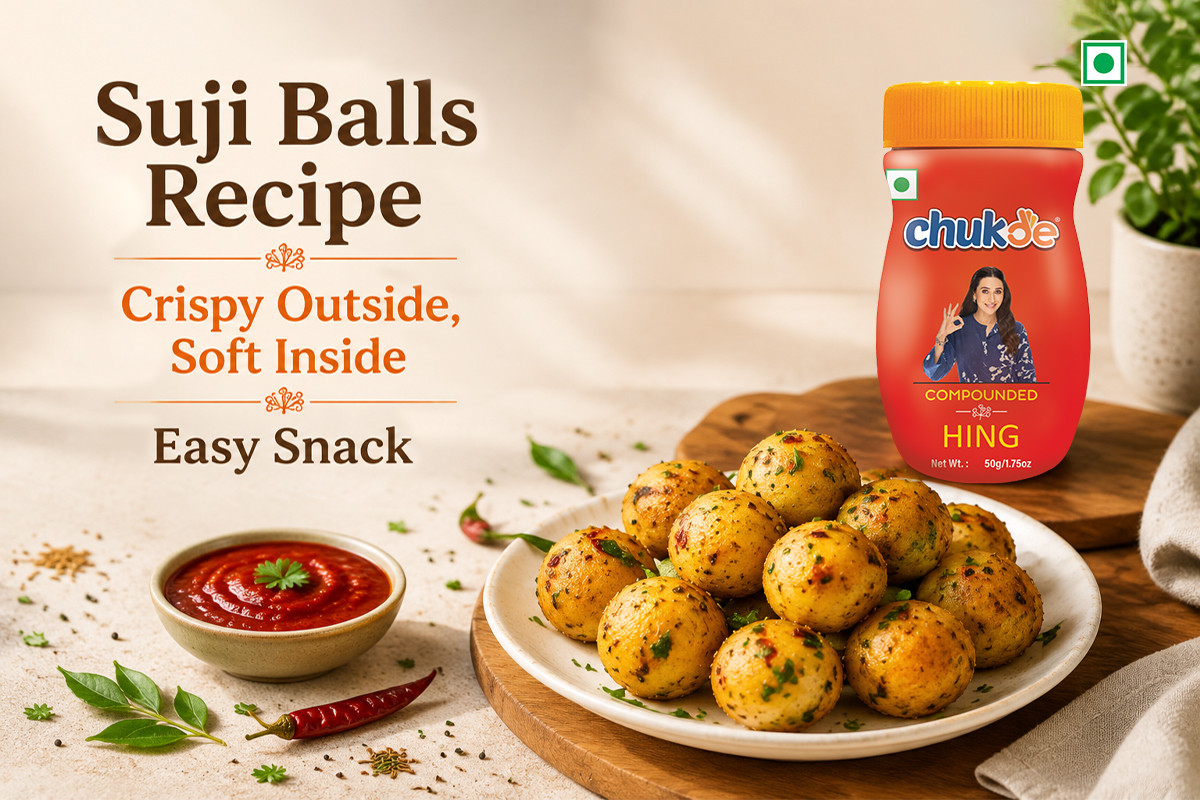
Evening chai needs a hot snack with crunch outside and a soft bite inside. A good suji balls recipe does that when you cook rava right, steam it, then finish it in tadka. Skip any of those steps and the balls stay soggy, raw, or hard all the way through.
Suji, also called rava or sooji, sits in most Indian pantries. The real problem is texture. Wet dough cracks. Unroasted rava tastes dull. Steaming alone keeps the snack soft on the outside too. In my experience, the crust comes from a second pan-toss after steaming, so surface moisture dries and whole spices cling to the ball.
This method uses a 1:2½ rava-to-water ratio, an 8–10 minute steam, and a short tadka.
Why This Method Works
From practical kitchen observations, coarse suji holds shape better than fine rava. Fine sooji turns pasty. Coarse grains trap steam, so the centre stays soft while the outside dries in the pan. Roast the rava for 4–6 minutes on low flame. While testing recipes, I have found unroasted suji still smells raw after steaming.
Tempering builds flavour layering. Mustard seeds (rai), jeera sabut, curry patta, and hing release aroma in hot oil. Turmeric and Kashmiri chilli powder go in last, on low flame, so they coat the balls without burning.
Ingredients (16–18 balls, serves 4)
For the balls
- 1 cup coarse suji / rava (about 160 g)
- 2½ cups water
- 2 tsp oil
- 1 green chilli, finely chopped
- 1 tsp grated ginger
- ½ tsp salt
- 2 tbsp grated coconut (optional, for extra softness)
For the crispy tadka
- 2 tbsp oil
- 1 tsp rai (mustard seeds)
- 1 tsp jeera (cumin seeds)
- ½ tsp urad dal and ½ tsp chana dal
- A pinch of hing
- 8–10 curry leaves and 1 dried red chilli
- ¼ tsp turmeric powder and ¼ tsp Kashmiri chilli powder
- 2 tbsp chopped coriander and 1 tsp lemon juice
Use whole spices first and ground spices at the end. That keeps masala balance clean.
Step-by-Step Suji Balls Recipe
- Roast. Dry-roast suji 4–6 minutes on low flame until nutty. Do not brown it dark. Shift to a plate.
- Cook. Heat 2 tsp oil. Sauté chilli and ginger 20–30 seconds. Add water and salt. Bring to a boil. Lower the flame. Add roasted suji in a thin stream, stirring so lumps do not form. Cover and cook 3 minutes until it looks like thick upma.
- Shape. Cool until warm. Knead 4–5 minutes with greased hands. Do not add water. Shape lime-sized balls with no cracks.
- Steam. Grease the steamer plate. Steam 8–10 minutes. This keeps the inside soft. Over-steaming makes them rubbery. For a softer breakfast-style version, compare this with the steamed rava balls technique used in South Indian kitchens.
- Crisp in tadka. Heat 2 tbsp oil. Crack mustard, then add jeera, urad dal, and chana dal until light gold. Add hing, curry leaves, and dried chilli. Lower the flame. Add turmeric and chilli powder for 8–10 seconds. Toss in steamed balls. Pan-toss 3–4 minutes until the outside looks dry and golden. Finish with coriander and lemon.
Serve hot with coconut, tomato, or mint chutney.
Steam vs Pan-Crisp vs Fry
|
Method |
Outside |
Inside |
Best for |
|
Steam only |
Soft |
Soft |
Breakfast |
|
Steam + tadka pan-toss |
Crisp |
Soft |
Tea-time snack |
|
Deep fry |
Very crisp |
Can dry |
Party platter |
I’ve personally found steam then pan-toss the most reliable for home kitchens. It uses less oil than frying and still gives the crispy-outside bite.
Mistakes to Avoid
- Adding suji before the water boils (lumps form at once)
- Skipping the roast (raw rava smell stays after steaming)
- Shaping cracked balls (they split in the steamer)
- Crowding the steamer (uneven cooking)
- Adding chilli powder on high flame (bitter tadka)
- Covering the pan after the final toss (steam softens the crust)
If balls look dry while tossing, sprinkle 1–2 tsp water around the pan, cover 30 seconds, then toss again.
Storage and Limits
Cool fully. Pack in an airtight box. Refrigerate up to 24 hours. Reheat on a tawa 3–4 minutes. Do tadka just before serving if you prep ahead. Do not freeze after tempering.
This is still a starchy tea-time snack. Fine rava will not crust the same way. Skip steaming and the centre firms up. Check food labelling on spice packs and store masalas away from steam. Follow FSSAI labelling guidance for date marking on packaged spices. Use spices within their stated shelf life.
FAQ
Why do my suji balls crack?
The mix is dry or cold. Knead while warm and wet your palms, not the dough.
How do I get crispy outside and soft inside?
Steam first, then pan-toss in tadka for 3–4 minutes.
Can I skip steaming?
Yes, but the whole ball firms up. Steaming keeps the centre soft.
Which suji should I use?
Coarse rava. Fine sooji turns sticky.
Can I make them ahead?
Steam and refrigerate. Do tadka before serving.
Conclusion
A dependable suji balls recipe is about sequence: roast, cook lump-free, steam for a soft centre, then tadka-toss for a crisp outside. That two-stage method is what most quick videos miss.
Keep mustard, jeera, and curry leaves in the dabba, and add turmeric plus Kashmiri chilli powder only at the end. Try a batch with chai tonight. Browse Chukde whole spices and ground spices for the tadka, and tell us in the comments if you served coconut chutney or tomato chutney.
Related articles
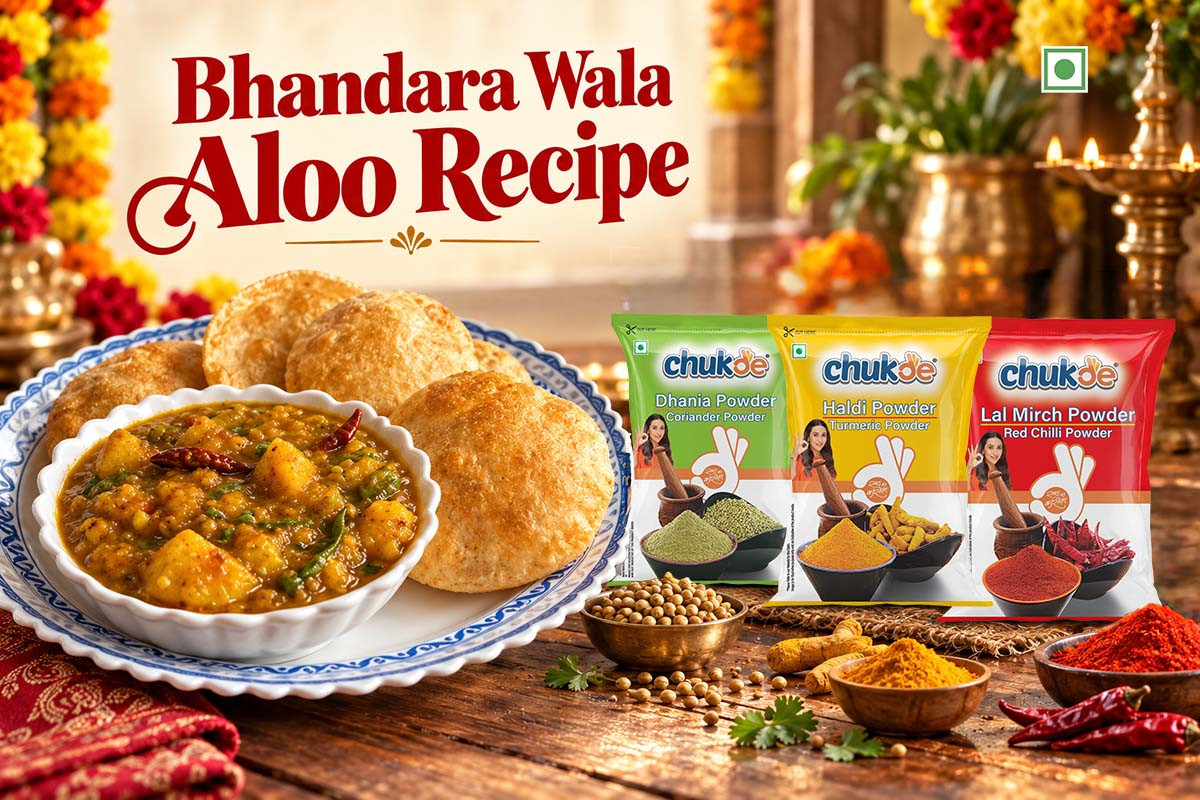
Make Bhandara Wala Aloo at home with hand-crushed potatoes, tomatoes and aromatic whole spices. Try this easy no-onion, no-garlic recipe with poori.
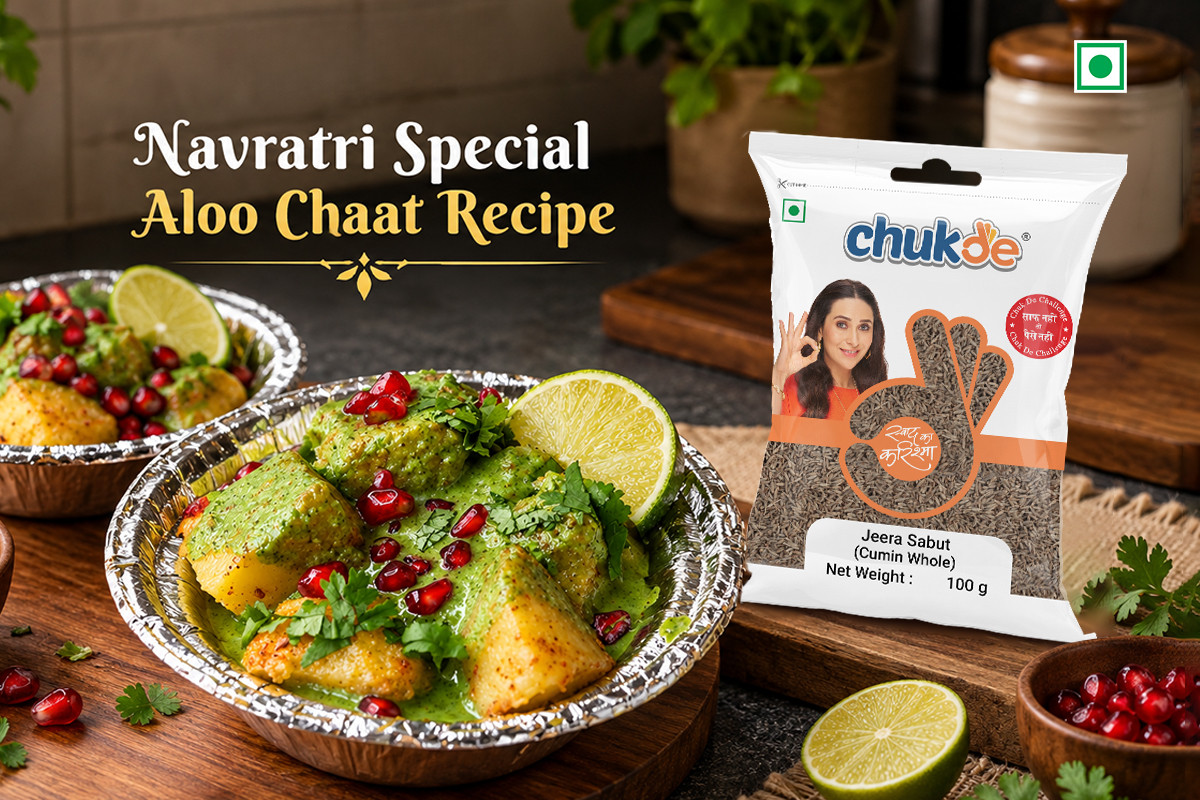
Make crispy Navratri special aloo chaat at home in 20 minutes. Vrat-friendly recipe with sendha namak, no onion-garlic. Perfect fasting snack for Navratri.
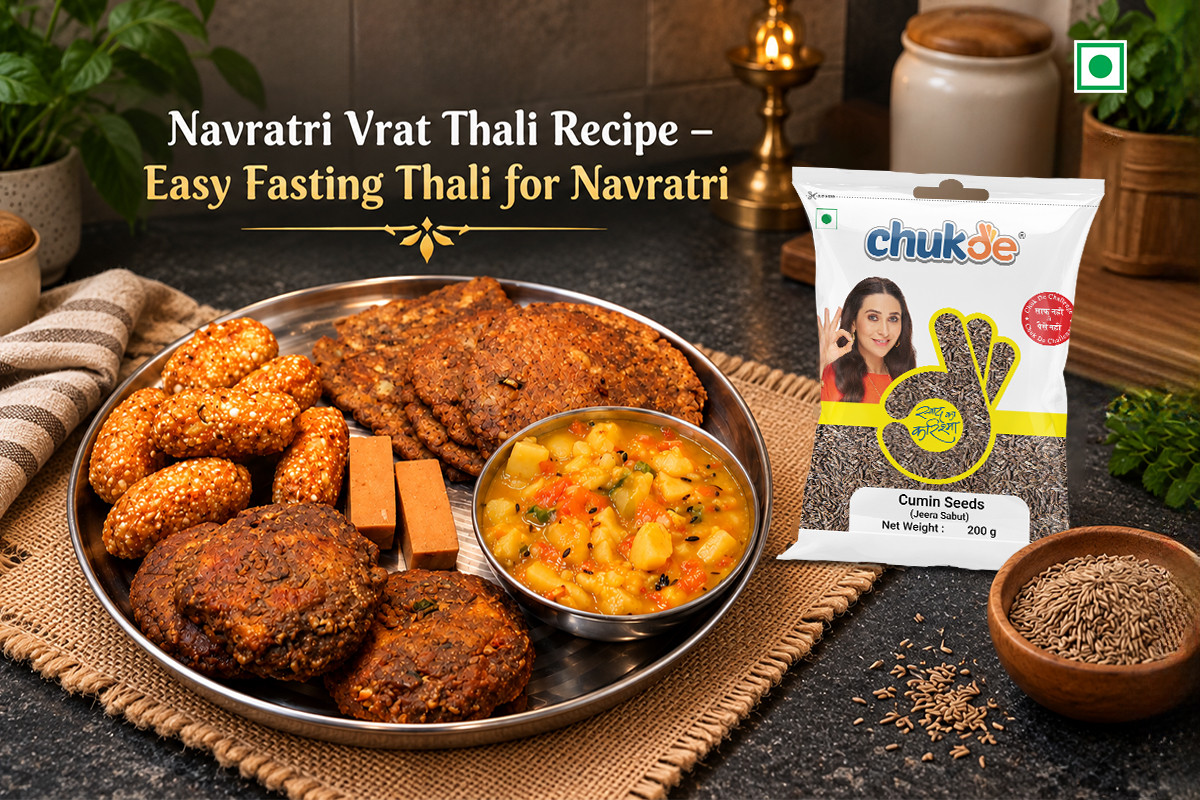
Make a complete Navratri Vrat Thali with aloo sabzi, kuttu puri, makhana raita & kheer. Simple, balanced & fully fasting-friendly recipe for Sharad Navratri 2026.
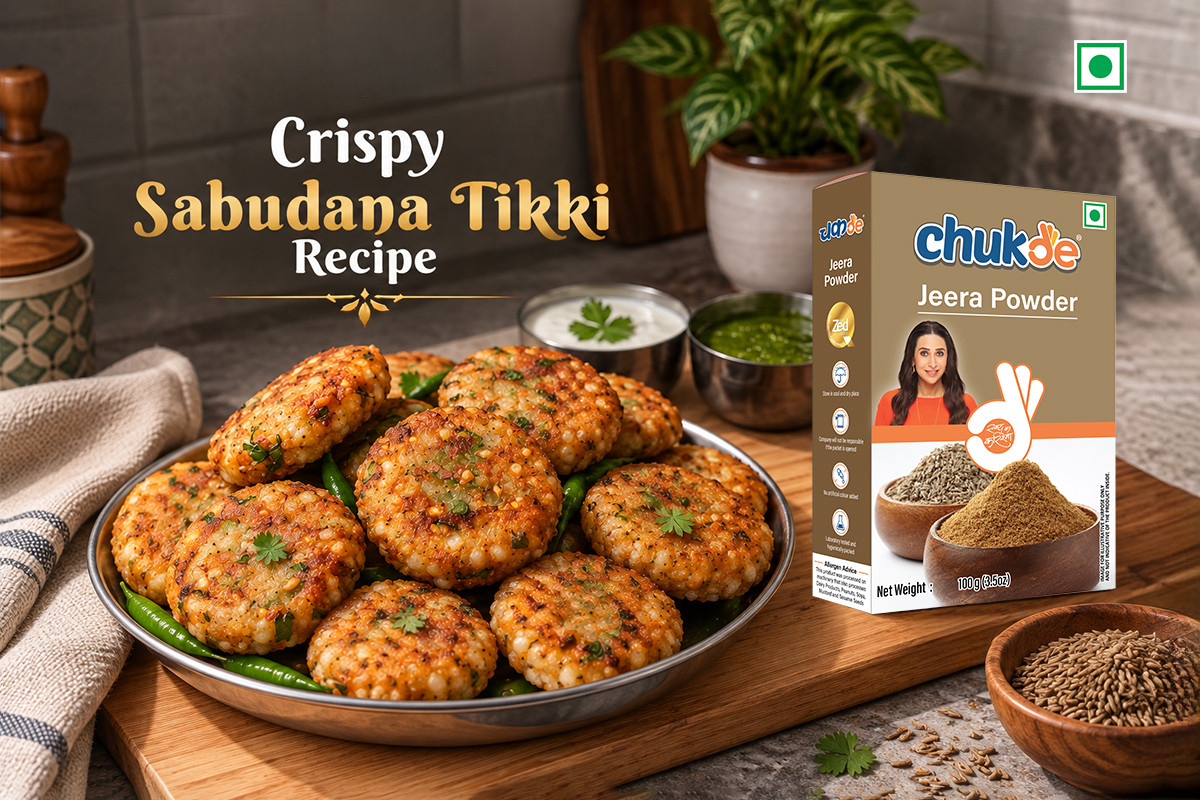
Crispy Sabudana Tikki recipe for Navratri vrat. Soft inside, golden outside. Easy pan-fried snack with sendha namak & simple spices. Perfect fasting treat.
<% quickViewcurrVar.entity.title %> (<% quickViewcurrVar.price.off %>)
<% formatCurr(quickViewcurrVar.price.regular, quickViewcurrVar.price.curr_info) %> <% formatCurr(quickViewcurrVar.price.sale, quickViewcurrVar.price.curr_info) %> (Inc. tax) (Ex. tax)
Description (SKU - <% quickViewcurrVar.sku %>)
 TBS points:
 Tags & Categories:

Powered by Science

100% cruelty free

Made in India
 100% safe
checkout
100% safe
checkout

Invalid Product!


Checkout in
& get 2% OFF