


 Cart
Cart


 <% cart_fragment.free_shipping_message %>free shipping


Makhana Benefits: 7 Reasons To Add Fox Nuts To Your Diet

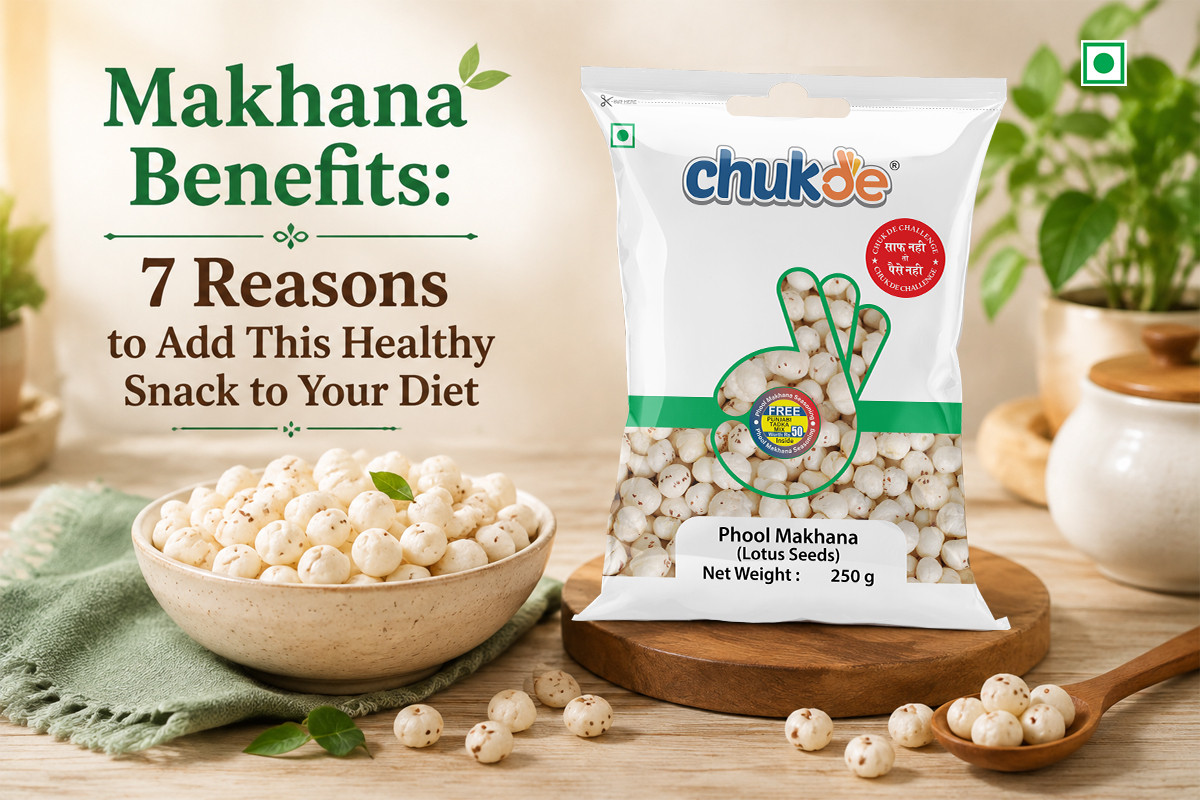
Between school tiffins, office hours and evening hunger, many Indian households look for a snack that fits the whole family. Makhana benefits make these light, crunchy seeds a practical choice for daily use. Also known as fox nuts or lotus seeds, makhana comes from Bihar’s wetlands and turns into a versatile pantry item after simple roasting.
In this post you will see seven clear reasons to keep makhana in regular rotation, its nutrition numbers, easy preparation steps that take only a few minutes, why it works for kids and all age groups, and how to pair it with everyday Indian spices. Everything stays grounded in kitchen observations and available data.
What Is Makhana and Why Does It Fit Daily Diets?
Makhana is the popped seed of the Euryale ferox plant. After drying and high-heat roasting the hard seed expands into a white, airy puff. India supplies most of the global quantity, with Bihar producing the largest share.
From practical kitchen observations, plain roasted makhana stays neutral in taste. It readily takes on the aroma of whole spices during tempering or dry roasting. A light tadka with cumin or black pepper turns it into a family snack that feels familiar yet lighter than many fried options.
You can start with good quality Phool Makhana for consistent texture and clean flavour in daily home cooking.
Recent home-cooking trends show more families organising pantries around clearly labelled packaged foods and recipe-led shopping. Makhana fits this pattern because it stores well and works across sweet and savoury preparations.
Nutrition Numbers That Support Daily Use
Approximate values per 100 g of plain roasted makhana (drawn from standard food composition data):
- Energy: about 347 kcal
- Protein: 9.7 g (plant-based)
- Carbohydrates: 76.9 g
- Dietary fibre: 14.5 g
- Fat: 0.1–0.5 g
- Calcium: around 60 mg
- Magnesium: 56–67 mg
- Potassium: about 500 mg
- Phosphorus: around 200 mg
- Sodium: very low
A practical daily portion of 25–30 g supplies roughly 85–105 kcal, 2.4–2.9 g protein and useful fibre. Roasted fox nuts show a glycaemic index near 37 in human trials, indicating slower energy release than many refined snacks. You can read a detailed nutrition overview of lotus seeds for additional context.
7 Reasons Makhana Benefits Daily Eating
1. Provides Steady Energy with Controlled Portions
High fibre and moderate protein help you feel satisfied with a modest quantity. In my experience, a 30 g handful mid-morning reduces the urge for biscuits later. The low fat content lets you enjoy volume without adding much energy.
2. Works as a Convenient Plant-Based Protein Source
At 9.7 g protein per 100 g, makhana offers a useful vegan protein option that pairs easily with other plant foods. While testing recipes I have found it useful in mixed snacks for vegetarian and vegan family members of different ages.
3. Suits Children and Older Adults Alike
The soft crunch after proper roasting makes it easy for kids to chew. For older adults the light texture and mineral content (calcium, magnesium, potassium) fit gentle daily snacking. Portions can be adjusted by age—smaller for young children, standard 25–30 g for adults.
4. Supports Blood-Sugar-Friendly Patterns
Resistant starch and fibre slow glucose release. The measured low glycaemic index helps keep energy steadier between meals. A study on roasted fox nuts and glycemic index reported a GI value near 37 in human subjects. This quality makes it a practical choice when families plan snacks around regular home cooking.
5. Carries Indian Spice Flavours Effortlessly
Makhana absorbs the aroma of whole spices and ground spices during brief roasting or tadka. A quick tempering with jeera sabut, kali mirch sabut or a pinch of chaat masala powder creates flavour layering in minutes. This adaptability keeps the snack interesting across regional Indian cooking styles.
6. Encourages Better Pantry Organisation
Keeping a jar of makhana next to your spice box supports recipe-led shopping and reduces last-minute packaged purchases. Airtight storage and simple moisture control extend shelf life and fit modern kitchen habits.
7. Requires Only a Few Easy Steps for Daily Use
You do not need special equipment. Dry-roast, season lightly, cool and store. The entire process takes under 15 minutes and can become a weekly habit that serves the whole family.
Easy Steps to Prepare Makhana for Daily Use
Follow this simple framework:
- Measure 30–50 g plain makhana.
- Heat a heavy pan on medium-low flame.
- Dry-roast for 6–8 minutes, stirring constantly until crisp.
- Optional: add ½ teaspoon ghee or oil, then sprinkle whole spices (cumin, black pepper) or a light spice blend.
- Toss 1–2 minutes so aroma coats evenly.
- Cool completely, then store in an airtight container.
From practical kitchen observations, cooling fully before sealing prevents moisture build-up and keeps the crunch longer.
Quick Comparison Table (Approximate Values per 30 g)
|
Item |
Calories |
Protein |
Fat |
Fibre |
Notes |
|
Plain roasted makhana |
100–105 |
2.9 g |
<0.2 g |
4+ g |
Absorbs spices well |
|
Air-popped popcorn |
110 |
3.5 g |
1–1.5 g |
3–4 g |
Higher GI response |
|
Salted peanuts |
170+ |
7 g |
14 g |
2–3 g |
Higher energy density |
|
Potato chips |
160+ |
2 g |
10 g |
1 g |
Often higher sodium |
Frequently Asked Questions
How much makhana can a family eat daily?
Most adults do well with 25–30 g. Children can start with 10–15 g. Spread portions across the day if preferred.
Is makhana suitable as a vegan protein snack?
Yes. It supplies plant-based protein that combines easily with other everyday foods.
Can kids eat roasted makhana regularly?
When properly roasted to a soft crunch and given in age-appropriate portions, it works well in school tiffins and evening snacks.
How do I keep makhana crisp for longer?
Use airtight storage, keep away from heat and moisture, and re-roast lightly if it softens.
Which spices pair best with makhana?
Cumin, black pepper, chaat masala or a light tadka of curry leaves and turmeric create good flavour layering.
Does roasting change the nutrition much?
Roasting improves texture and certain measurable antioxidant markers while keeping the overall macronutrient profile similar.
Conclusion
Makhana benefits centre on practical daily use: steady energy, plant-based protein, suitability across age groups, and easy pairing with Indian spices. A few simple roasting steps and proper airtight storage turn these fox nuts into a reliable family snack that supports better home cooking habits.
Try the easy preparation method this week with your favourite whole spices or spice blend. Explore Phool Makhana along with quality whole spices on the website to create your own combinations. Share your family’s preferred seasoning idea in the comments or start with one small batch today.
Related articles
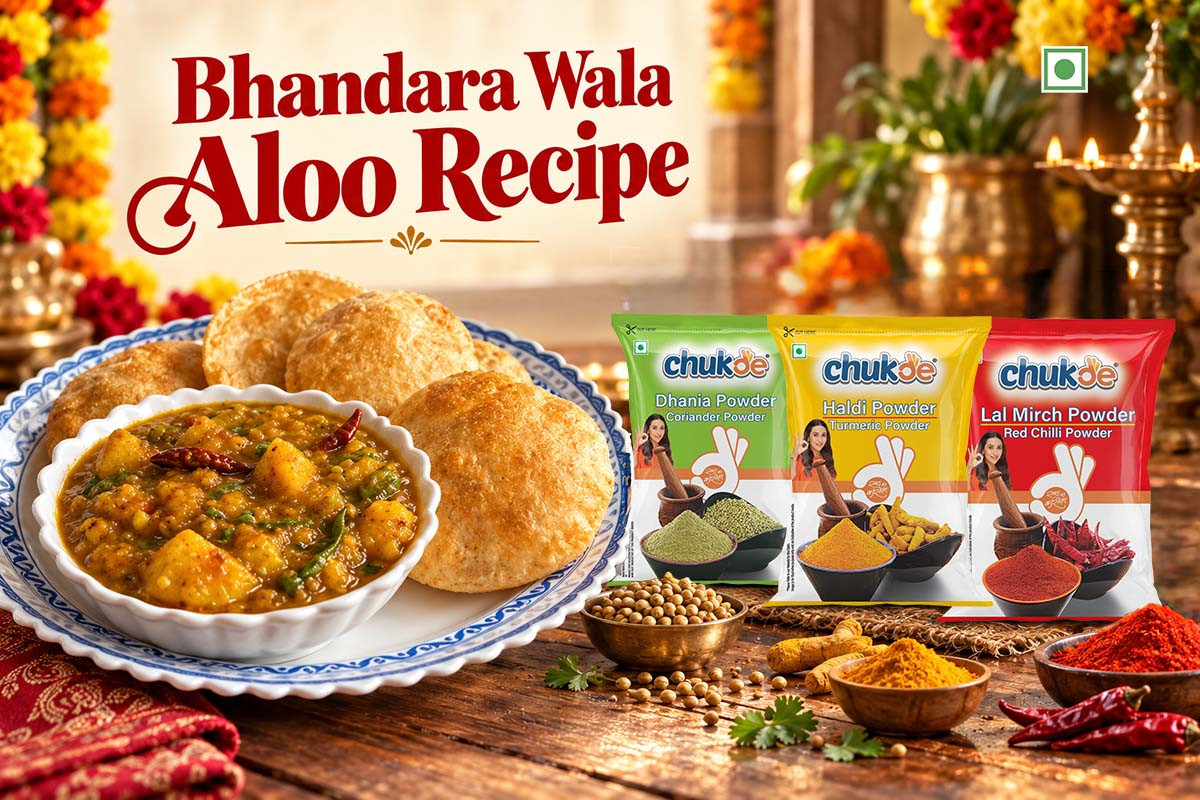
Make Bhandara Wala Aloo at home with hand-crushed potatoes, tomatoes and aromatic whole spices. Try this easy no-onion, no-garlic recipe with poori.
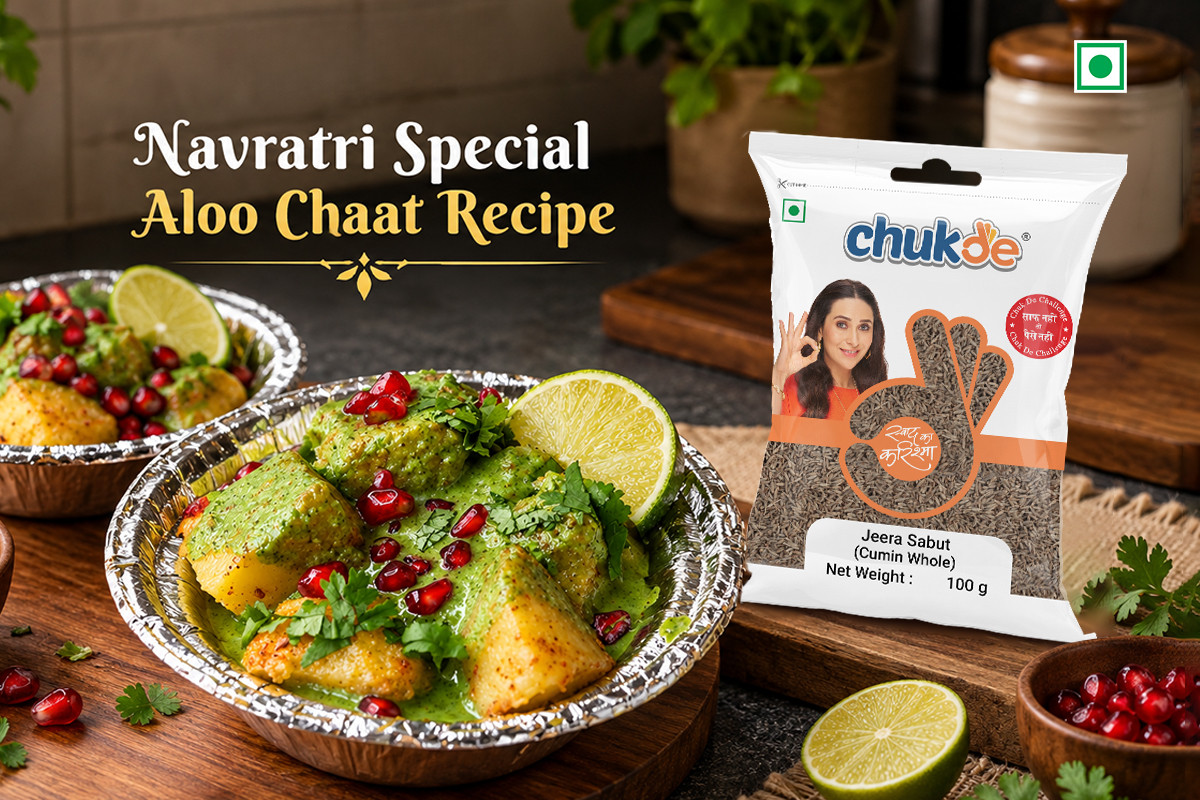
Make crispy Navratri special aloo chaat at home in 20 minutes. Vrat-friendly recipe with sendha namak, no onion-garlic. Perfect fasting snack for Navratri.
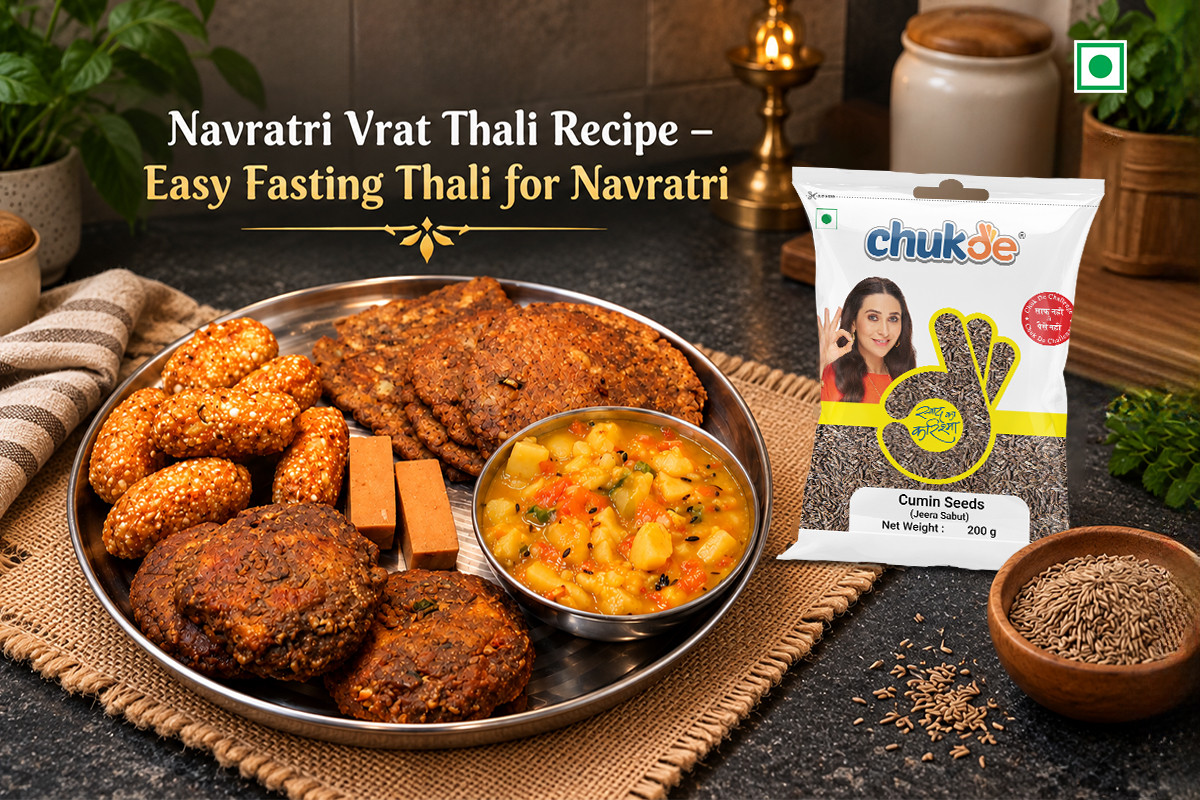
Make a complete Navratri Vrat Thali with aloo sabzi, kuttu puri, makhana raita & kheer. Simple, balanced & fully fasting-friendly recipe for Sharad Navratri 2026.
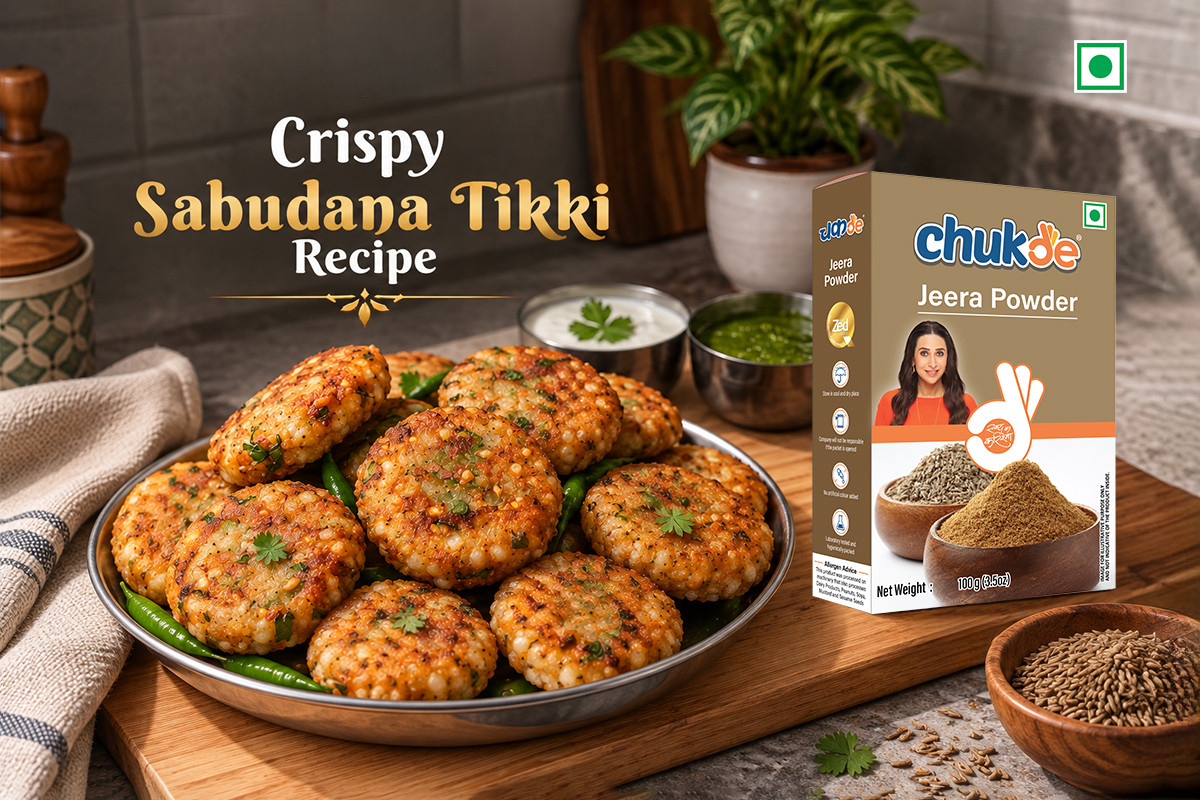
Crispy Sabudana Tikki recipe for Navratri vrat. Soft inside, golden outside. Easy pan-fried snack with sendha namak & simple spices. Perfect fasting treat.
<% quickViewcurrVar.entity.title %> (<% quickViewcurrVar.price.off %>)
<% formatCurr(quickViewcurrVar.price.regular, quickViewcurrVar.price.curr_info) %> <% formatCurr(quickViewcurrVar.price.sale, quickViewcurrVar.price.curr_info) %> (Inc. tax) (Ex. tax)
Description (SKU - <% quickViewcurrVar.sku %>)
 TBS points:
 Tags & Categories:

Powered by Science

100% cruelty free

Made in India
 100% safe
checkout
100% safe
checkout

Invalid Product!


Checkout in
& get 2% OFF