


 Cart
Cart


 <% cart_fragment.free_shipping_message %>free shipping


Benefits Of Pumpkin, Chia, Sunflower & Flax Seeds

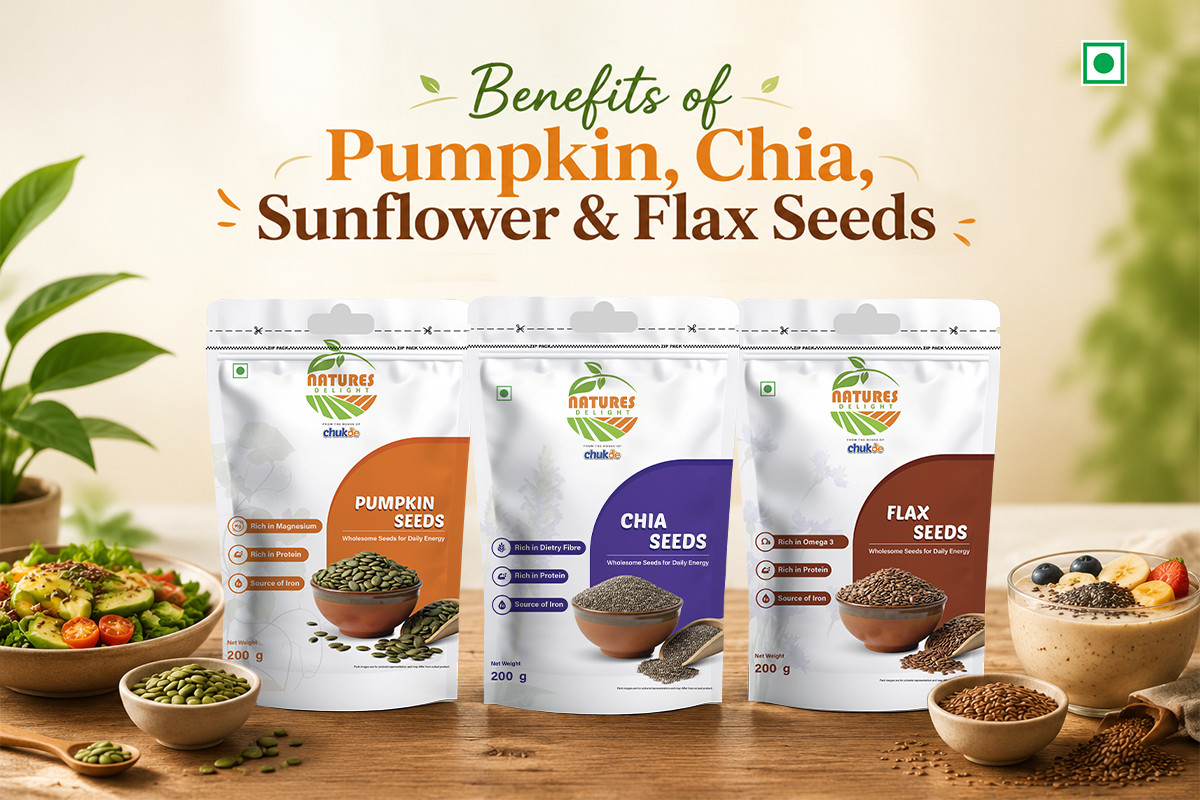
In many Indian kitchens today, a small jar of seeds sits next to the spice box. People reach for them when they want more fibre, protein or healthy fats without changing the entire meal. Pumpkin seeds, chia seeds, sunflower seeds and flax seeds (alsi beej) are four seeds of box of the most searched options.
This guide explains the real nutrition numbers, the benefits backed by research, and simple ways to use each seed in everyday Indian cooking. You will also find a clear comparison table, storage tips and answers to the questions people ask most.
Nutrition Snapshot of the Four Seeds
A 30–50 g serving of these seeds delivers useful amounts of protein, fibre, magnesium, zinc and plant-based omega-3. Exact values vary by brand and roasting, but the ranges below come from standard food composition data.
|
Seed |
Calories (30 g) |
Protein |
Fibre |
Stand-out |
|
Pumpkin seeds |
160–170 |
8–9 g |
1.5–2 g |
Magnesium, zinc |
|
Chia seeds |
140–150 |
4–5 g |
9–10 g |
Omega-3, calcium |
|
Sunflower seeds |
160–170 |
5–6 g |
2–3 g |
Vitamin E, selenium |
|
Flax seeds (alsi) |
140–150 |
5–6 g |
7–8 g |
Omega-3, lignans |
These numbers show why people search for “pumpkin seeds benefits” and similar phrases: a small handful adds meaningful nutrients without heavy cooking.
Pumpkin Seeds Benefits and Kitchen Uses
Pumpkin seeds (also called pepitas) are green, flat and mild in flavour.
Key points from research and kitchen practice:
- Rich in magnesium – one of the highest plant sources.
- Provide zinc and antioxidants that support prostate and bladder comfort in several human studies.
- Contain plant compounds linked to better blood-sugar response after a carb-heavy meal.
- Supply tryptophan and magnesium, which many people notice help them feel ready for sleep.
How to use in Indian meals
- Dry-roast lightly with a pinch of salt and cumin for evening chai time.
- Sprinkle over raita, dal or vegetable stir-fries.
- Grind and mix into chapati dough or poha.
- Add to trail-mix style snacks with roasted chana.
For ready-to-use packs, try Pumpkin Seeds. A daily 20–25 g portion fits most adult needs.
You can read more detailed research on pumpkin seeds benefits on Healthline.
Chia Seeds Benefits and Practical Tips
Chia seeds swell when soaked and form a soft gel. This texture is useful for both sweet and savoury dishes.
Main benefits:
- Highest fibre among the four seeds – helps you feel full longer.
- Strong source of plant omega-3 (ALA).
- Calcium and magnesium support bone health.
- The gel-forming fibre slows carbohydrate absorption, which can steady blood-sugar rise after meals.
Simple Indian ways to eat them
- Overnight soak in milk or plant milk with a little jaggery and fruit for breakfast.
- Stir into buttermilk or thin yogurt for a cooling drink.
- Mix into idli/dosa batter or upma.
- Make a quick chia pudding with mango or banana.
Start with one teaspoon and increase slowly. Chia Seeds work well for both soaking and dry sprinkling.
Sunflower Seeds Benefits and Everyday Ideas
Sunflower seeds have a mild, nutty taste and a firm bite.
They stand out for:
- High vitamin E content – an antioxidant that supports skin and cell health.
- Good levels of selenium, copper and magnesium.
- Unsaturated fats that help keep cholesterol numbers in a healthy range when used in place of less favourable fats.
- Protein and fibre that make them filling for mid-meal snacks.
Kitchen uses
- Roast with turmeric and black salt for a savoury snack.
- Crush and use as a coating for paneer or fish instead of breadcrumbs.
- Add to mixed vegetable salads or grain bowls.
- Blend into homemade pesto or chutney.
Sunflower Seedsare convenient for daily sprinkling or roasting.
Flax Seeds (Alsi Beej) Benefits and How to Use Them
Flax seeds need grinding for better absorption. Whole seeds often pass through undigested.
Research-supported points:
- Excellent source of ALA omega-3.
- High in both soluble and insoluble fibre – supports regular bowel movement.
- Lignans are plant compounds studied for their role in hormone balance and certain cancer-risk reduction.
- Regular intake has been linked to modest drops in total and LDL cholesterol in multiple trials.
Practical tips for Indian homes
- Grind fresh every few days and store in the fridge.
- Add one teaspoon to roti dough, dal or smoothie.
- Mix ground flax with warm water as an egg substitute in baking.
- Sprinkle over yogurt or oatmeal.
Flax Seeds and Roasted Flax Seeds 200 g give you a ready supply for grinding or direct use at home.
For a deeper look at the research, see this overview of flaxseed benefits on Healthline.
Quick Comparison – Which Seed for What Goal?
|
Goal |
Best Seed Choice |
Reason |
|
More fibre & fullness |
Chia |
Highest fibre per gram |
|
Magnesium & zinc |
Pumpkin |
Top plant source |
|
Vitamin E |
Sunflower |
Highest among the four |
|
Omega-3 (ALA) |
Flax or Chia |
Both rich; flax slightly higher |
|
Easy roasting snack |
Pumpkin or Sunflower |
Hold texture well |
|
Soaking / pudding |
Chia |
Forms gel easily |
Most people benefit from rotating all four rather than sticking to one. You can also explore Mixed Seeds 200 g for a convenient blend.
Storage and Handling Checklist
- Keep seeds in airtight glass or metal jars.
- Store away from direct sunlight and heat.
- Ground flax and chia stay fresher in the refrigerator.
- Use roasted seeds within 4–6 weeks for best flavour.
- Check for any off smell before use – high-fat seeds can turn rancid.
Following these steps keeps aroma and nutrients longer.
Common Mistakes to Avoid
- Eating large handfuls of dry chia without soaking – they expand and can feel heavy.
- Using only whole flax seeds – grinding improves absorption.
- Adding seeds to very hot tadka for long periods – high heat can damage delicate oils.
- Expecting overnight results – consistent daily use of 20–30 g total seeds shows benefits over weeks.
Frequently Asked Questions
How much pumpkin seeds should I eat daily?
Most adults do well with 20–30 g (about 2 tablespoons) of pumpkin seeds per day.
Do I need to soak chia seeds?
Soaking is recommended. Dry chia seeds expand and can feel heavy if eaten in large amounts without liquid.
Should flax seeds be ground?
Yes. Whole flax seeds often pass through the body undigested. Fresh grinding improves nutrient absorption.
Can I roast all four seeds?
Pumpkin and sunflower seeds roast well. Chia and flax are better used soaked or ground; high heat can affect their oils.
Which seed is highest in fibre?
Chia seeds provide the most fibre per serving among the four.
Conclusion
Pumpkin seeds, chia seeds, sunflower seeds and flax seeds each bring a different mix of protein, fibre, magnesium, zinc, vitamin E and plant omega-3. Used in small daily amounts, they fit easily into Indian meals – from morning poha to evening raita and roasted snacks.
Nature Delight packs of these four seeds are available on the Chukde website in convenient 200 g sizes. Try one or rotate all four and notice how a simple sprinkle changes the nutrition of everyday food.
If you have a favourite way of using any of these seeds, share it in the comments.
Note: This article is for informational purposes only. Always consult your doctor or a qualified healthcare professional before making dietary changes or consuming seeds regularly, especially if you have a medical condition, are pregnant, or are taking medication.
Related articles
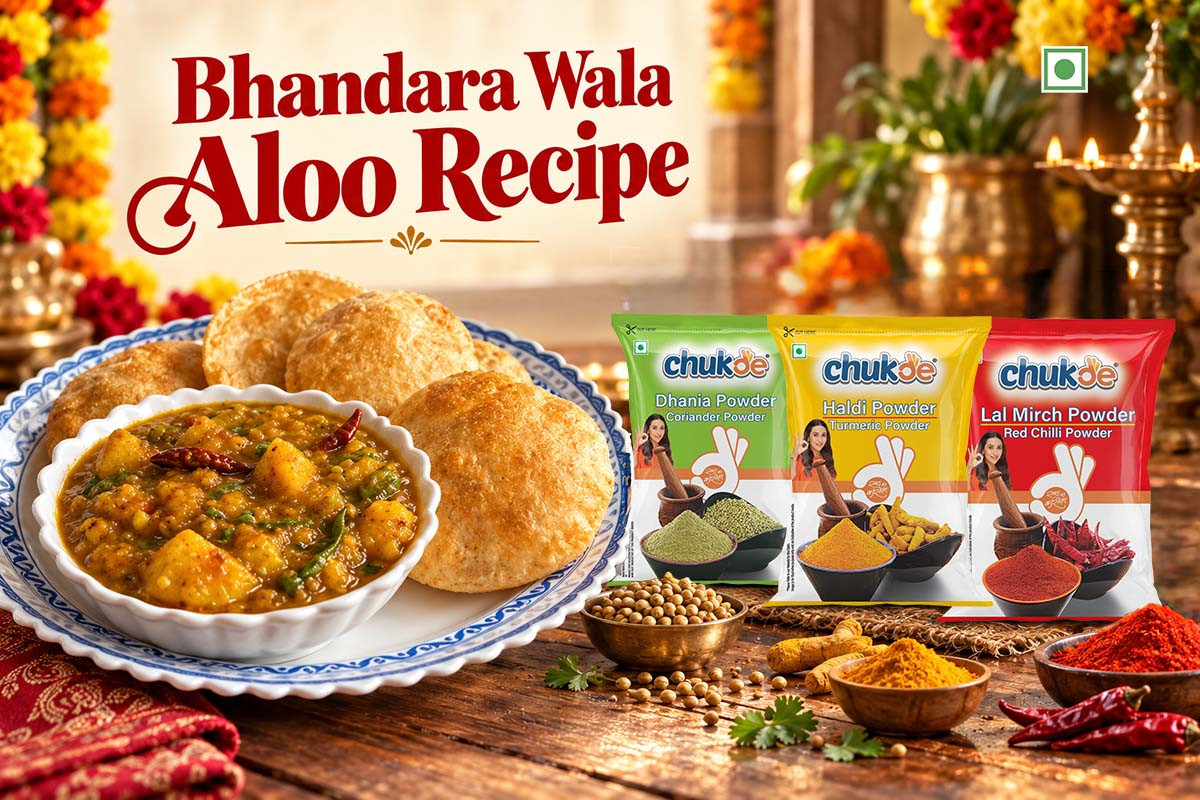
Make Bhandara Wala Aloo at home with hand-crushed potatoes, tomatoes and aromatic whole spices. Try this easy no-onion, no-garlic recipe with poori.
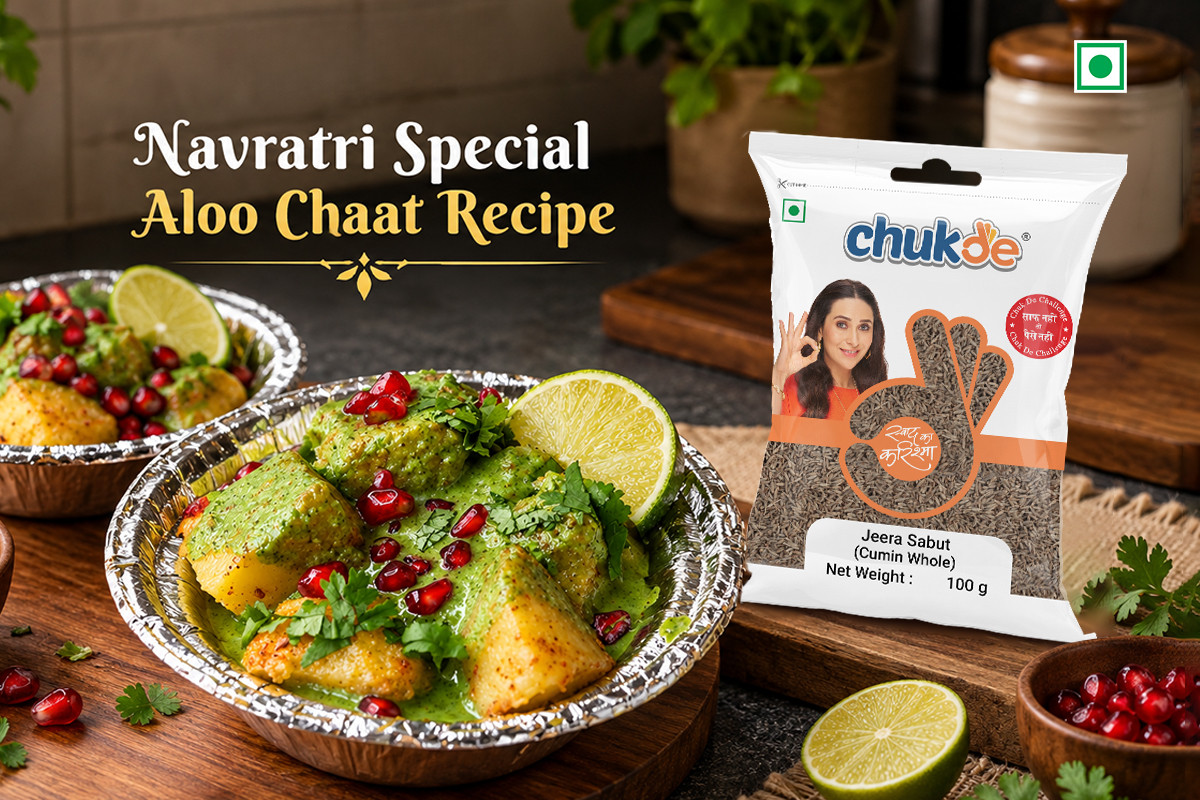
Make crispy Navratri special aloo chaat at home in 20 minutes. Vrat-friendly recipe with sendha namak, no onion-garlic. Perfect fasting snack for Navratri.
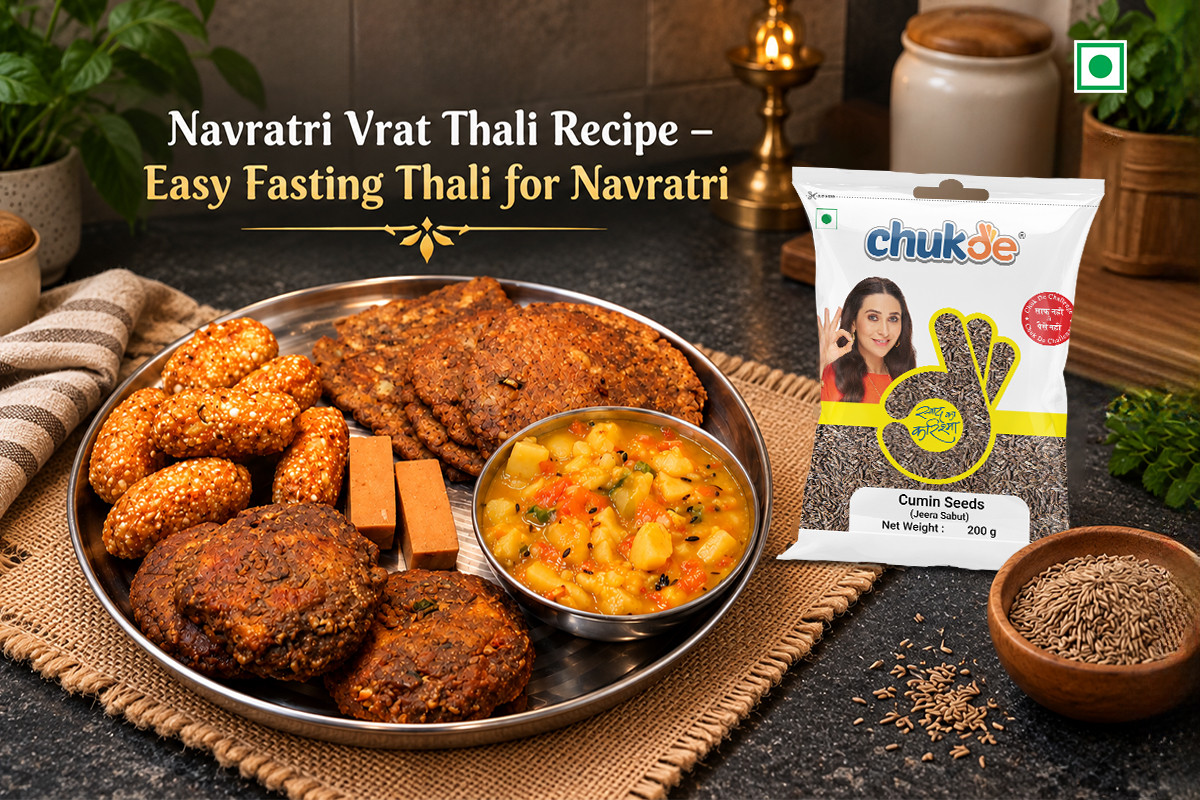
Make a complete Navratri Vrat Thali with aloo sabzi, kuttu puri, makhana raita & kheer. Simple, balanced & fully fasting-friendly recipe for Sharad Navratri 2026.
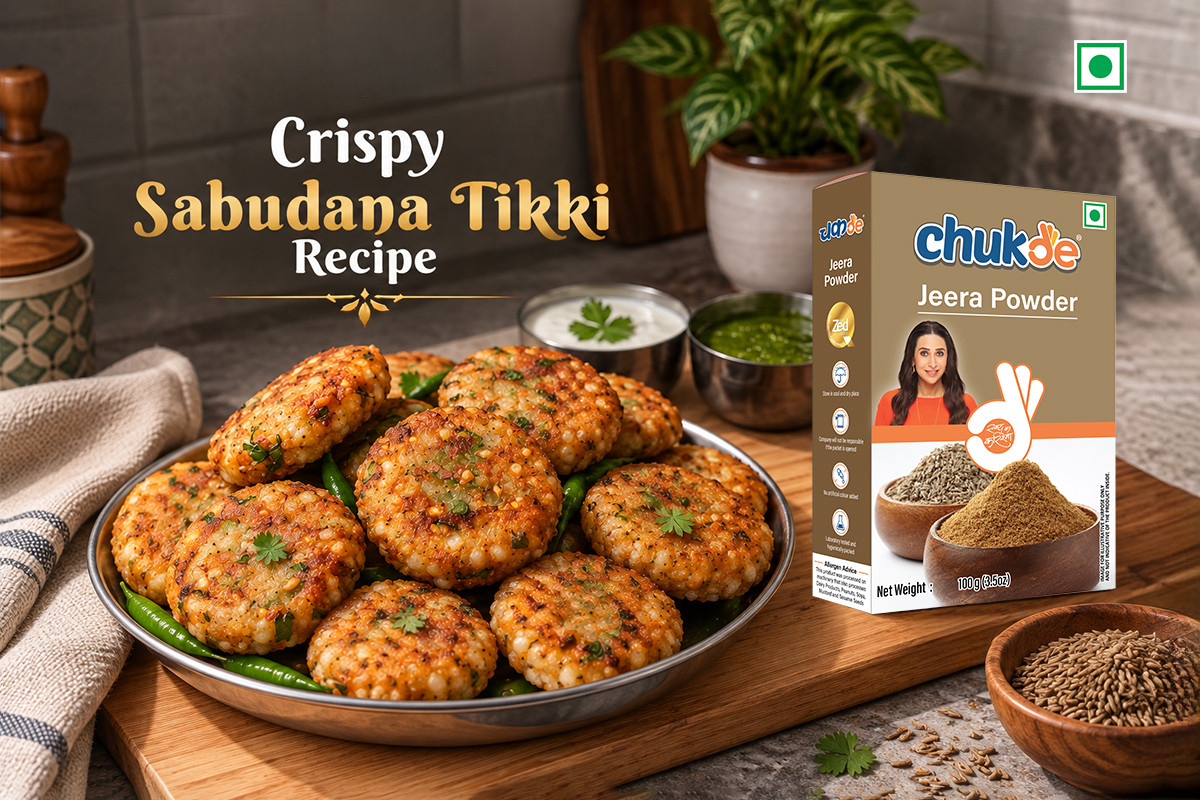
Crispy Sabudana Tikki recipe for Navratri vrat. Soft inside, golden outside. Easy pan-fried snack with sendha namak & simple spices. Perfect fasting treat.
<% quickViewcurrVar.entity.title %> (<% quickViewcurrVar.price.off %>)
<% formatCurr(quickViewcurrVar.price.regular, quickViewcurrVar.price.curr_info) %> <% formatCurr(quickViewcurrVar.price.sale, quickViewcurrVar.price.curr_info) %> (Inc. tax) (Ex. tax)
Description (SKU - <% quickViewcurrVar.sku %>)
 TBS points:
 Tags & Categories:

Powered by Science

100% cruelty free

Made in India
 100% safe
checkout
100% safe
checkout

Invalid Product!


Checkout in
& get 2% OFF