


 Cart
Cart


 <% cart_fragment.free_shipping_message %>free shipping


Phool Makhana In India 2026 | Nutrition Facts & Buying Guide

The Chukde Editorial Team regularly researches Indian spices, seeds, cooking ingredients, storage practices, and regional culinary traditions. The team works closely with food content specialists to create practical ingredient guides and cooking resources for home kitchens across India.
Walk into any supermarket or browse an online grocery platform in 2026, and you'll notice one ingredient appearing more frequently than ever before—Phool Makhana. Once associated mainly with festive recipes and fasting foods, it has now become a staple in many Indian households.
However, not all makhana available in the market offers the same quality. Some packs contain large, crunchy kernels, while others may have uneven sizing, excess breakage, or reduced freshness. Understanding what to look for before buying can help you get better value and a better cooking experience.
This guide explains everything you need to know about Phool Makhana, including nutrition facts, price trends, quality indicators, storage tips, common uses, and practical buying advice for Indian consumers in 2026.
What is Phool Makhana?
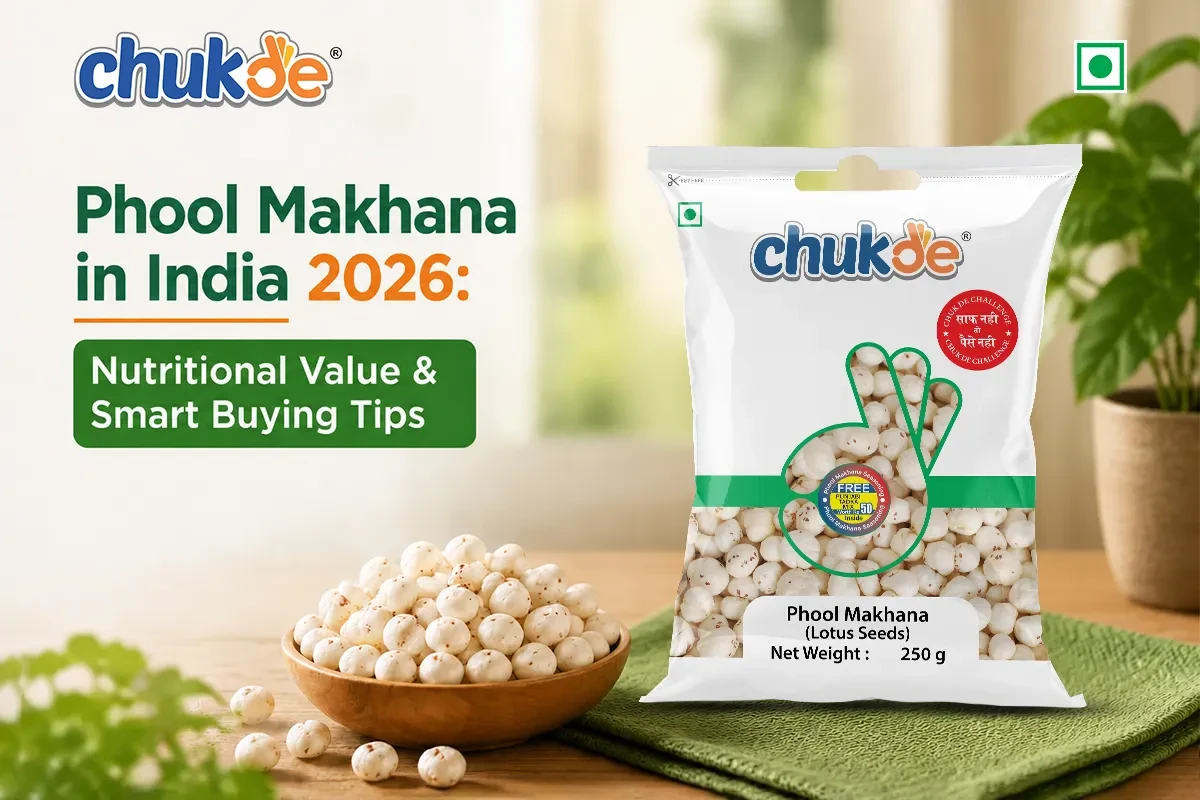
Phool Makhana, commonly known as Fox Nuts or Lotus Seeds, comes from the seeds of the Euryale ferox plant. After harvesting, the seeds are dried, roasted, and popped to create the light, crunchy texture familiar to Indian consumers.
For generations, makhana has been used in:
- Kheer and traditional desserts
- Roasted snack recipes
- Curry preparations
- Dry fruit mixes
- Festival and fasting foods
- Regional Indian cooking
Today, it is available in raw, roasted, flavored, and ready-to-cook forms across online and offline retail channels.
Phool Makhana in English: What Are Fox Nuts and Lotus Seeds?
Many first-time buyers search for Phool Makhana in English before purchasing it online.
Phool Makhana is commonly known as:
- Fox Nuts
- Lotus Seeds
- Gorgon Nuts
Although these names are often used interchangeably, they generally refer to the same popped seed product sold in grocery stores, dry fruit shops, and e-commerce marketplaces.
Why Has Phool Makhana Become Popular in India?
The increasing popularity of lotus seeds is driven by several practical factors.
Versatile for Different Recipes
Makhana can be roasted, seasoned, added to curries, mixed with dry fruits, or used in traditional desserts.
Convenient Storage
When stored correctly, makhana maintains its texture for extended periods without requiring refrigeration.
Suitable for Traditional and Modern Cooking
Whether preparing festive dishes or quick snack recipes, fox nuts adapt well to different cooking methods.
Easy Pantry Ingredient
Many households keep makhana on hand because it can be used in multiple recipes without extensive preparation.
From practical kitchen observations, one reason families continue purchasing makhana is its ability to work equally well in both traditional and contemporary Indian cooking.
Nutrition Facts of Phool Makhana
The nutritional composition of makhana may vary depending on variety, sourcing region, and processing method.
|
Nutrient |
Approximate Value Per 100g |
|
Energy |
340–360 kcal |
|
Protein |
9–10g |
|
Carbohydrates |
65–70g |
|
Dietary Fiber |
7–8g |
|
Fat |
1–2g |
|
Calcium |
60–70mg |
|
Magnesium |
80–100mg |
|
Phosphorus |
180–220mg |
Nutrition values are indicative and based on publicly available food composition references, including data published by the Indian Council of Medical Research (ICMR) and commonly available commercial makhana varieties. Actual values may vary depending on sourcing region, processing method, and moisture content.
Phool Makhana Benefits
Interest in Phool Makhana benefits continues to grow because of its versatility and nutritional profile.
Consumers often choose makhana because it:
- Can be roasted quickly at home
- Works in sweet and savory recipes
- Stores conveniently in airtight containers
- Pairs well with Indian spices and seasonings
- Can be used across multiple cooking styles
Rather than serving a single purpose, makhana functions as both a cooking ingredient and a pantry staple.
Phool Makhana vs Other Popular Snack Options
|
Feature |
Phool Makhana |
Potato Chips |
Fried Namkeen |
|
Roasted Option Available |
Yes |
Limited |
Limited |
|
Used in Cooking |
Yes |
No |
Rarely |
|
Traditional Indian Usage |
Yes |
No |
Yes |
|
Suitable for Sweet Recipes |
Yes |
No |
No |
|
Easy Home Flavoring |
Yes |
Limited |
Limited |
This versatility is one reason makhana remains widely used across Indian households.
How to Identify Good Quality Phool Makhana
Not all makhana products offer the same quality.
Check Kernel Size
Larger kernels typically indicate better grading and more consistent quality.
Look for Uniform Colour
Good-quality lotus seeds generally have a cream-white appearance with minimal discoloration.
Assess Freshness
Fresh makhana should feel light, crisp, and evenly textured.
Check for Breakage
A high percentage of broken kernels may indicate rough handling or lower-grade stock.
Review Food Labelling
Always check:
- Manufacturing date
- Best-before date
- Net weight
- Ingredient information
- Storage instructions
Transparent food labelling helps consumers make informed buying decisions.
Good Quality vs Lower Quality Makhana
|
Factor |
Good Quality Makhana |
Lower Quality Makhana |
|
Size |
Uniform |
Mixed |
|
Texture |
Crisp |
Soft |
|
Colour |
Cream-white |
Uneven |
|
Breakage |
Minimal |
High |
|
Freshness |
Consistent |
Variable |
|
Roasting Performance |
Even |
Uneven |
While testing makhana in home recipes, one practical difference became obvious. Larger kernels generally retained their crunch longer after roasting, while smaller grades softened more quickly in gravy-based dishes. This is one reason experienced home cooks often prefer larger grades for snacking and smaller grades for curries and kheer.
Phool Makhana Price in India 2026
Prices vary depending on grading, size, packaging, sourcing region, and market demand.
Average Retail Price Range
|
Pack Size |
Estimated Price Range |
|
100g |
₹120–₹250 |
|
250g |
₹250–₹550 |
|
500g |
₹450–₹900 |
|
1kg |
₹850–₹1,400 |
Prices are indicative retail market ranges observed across Indian online and offline channels during 2026. Actual prices may vary depending on brand, grade, location, and packaging format.
Factors That Influence Price
- Kernel size
- Product grading
- Packaging quality
- Transportation costs
- Seasonal availability
- Market demand
A common misconception is that the highest-priced product automatically offers the best quality. In many cases, freshness and storage conditions play a more important role.
Buying Guide: What to Check Before Purchasing
Before purchasing makhana, use this simple checklist.
Packaging Checklist
- Properly sealed pack
- Clear manufacturing date
- Storage instructions
- Ingredient transparency
- Moisture-resistant packaging
- Minimal broken kernels
Product Checklist
- Uniform kernel size
- Consistent appearance
- Crisp texture
- Fresh aroma
- Reliable brand information
These checks require only a few moments and can significantly improve purchase quality.
Storage Tips for Longer Shelf Life
Even good-quality makhana can lose texture when stored incorrectly.
Best Practices
- Transfer opened packs into airtight containers.
- Keep away from direct sunlight.
- Avoid humid storage conditions.
- Use dry spoons while handling.
- Reseal packaging immediately after use.
From practical kitchen observations, moisture exposure remains the most common reason makhana loses its characteristic crunch.
Popular Ways to Use Phool Makhana
Roasted Makhana
Season with:
- Black pepper
- Cumin powder
- Chaat masala
- Turmeric
- Rock salt
Makhana Kheer
A traditional Indian dessert prepared with milk, cardamom, dry fruits, and lotus seeds.
Makhana Curry
A popular North Indian preparation often served with rice or flatbreads.
Trail Mix
Combine roasted fox nuts with almonds, raisins, pumpkin seeds, and peanuts for added texture and variety.
Looking for recipe inspiration? Explore Chukde's collection of Indian spices and seasoning blends to prepare roasted makhana, makhana curry, and traditional dessert recipes. You can also browse regional cooking guides and festive recipe ideas to discover new ways to use fox nuts in everyday cooking.
Common Buying Mistakes to Avoid
Avoid these common mistakes:
- Purchasing based only on price
- Ignoring manufacturing dates
- Storing in open containers
- Buying excessive quantities without proper storage
- Overlooking kernel size and breakage percentage
Frequently Asked Questions
What is Phool Makhana called in English?
Phool Makhana is commonly known as Fox Nuts or Lotus Seeds.
What is Phool Makhana good for?
It is commonly used in snacks, curries, desserts, and traditional Indian recipes.
Is it okay to eat makhana daily?
Many households include makhana as part of their regular meal planning and snack preparation.
How much is 1 kg of makhana in India?
Depending on grade and packaging, prices generally range between ₹850 and ₹1,400 per kilogram in 2026.
How should makhana be stored?
Store it in an airtight container in a cool, dry place away from moisture.
Conclusion
As consumer interest in versatile pantry ingredients continues to grow, Phool Makhana remains one of the most widely used ingredients for both cooking and snacking in India. Whether you prefer roasted fox nuts, traditional kheer, or regional curry recipes, selecting the right quality can noticeably improve texture, flavour, and overall cooking results.
Before making a purchase, focus on kernel size, freshness, packaging quality, and storage guidance rather than price alone. A few simple checks can help you choose better lotus seeds and get more value from every pack.
For more ingredient guides, recipe inspiration, spice knowledge, and cooking tips, explore Chukde's collection of Indian spices, seeds, and pantry essentials designed for everyday home cooking.
Related articles
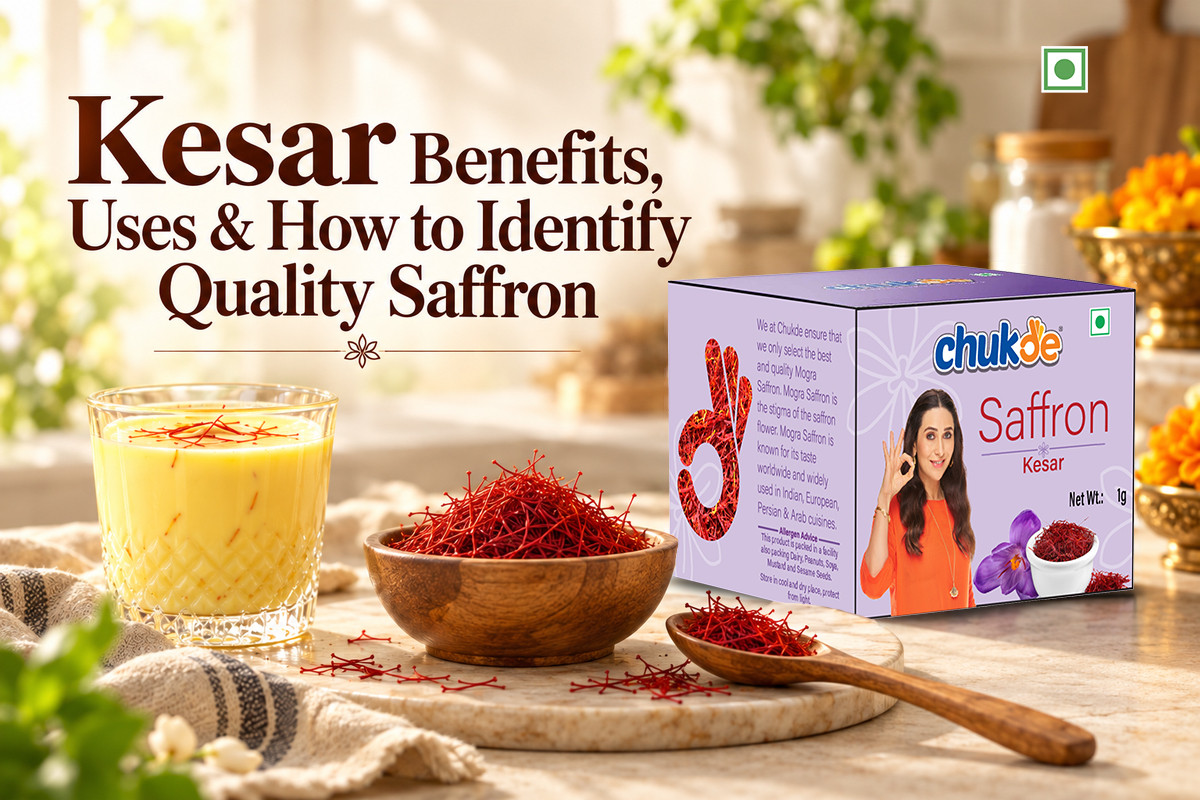
Learn kesar benefits, kitchen uses, bloom method, food amounts, and home tests to spot quality saffron threads.
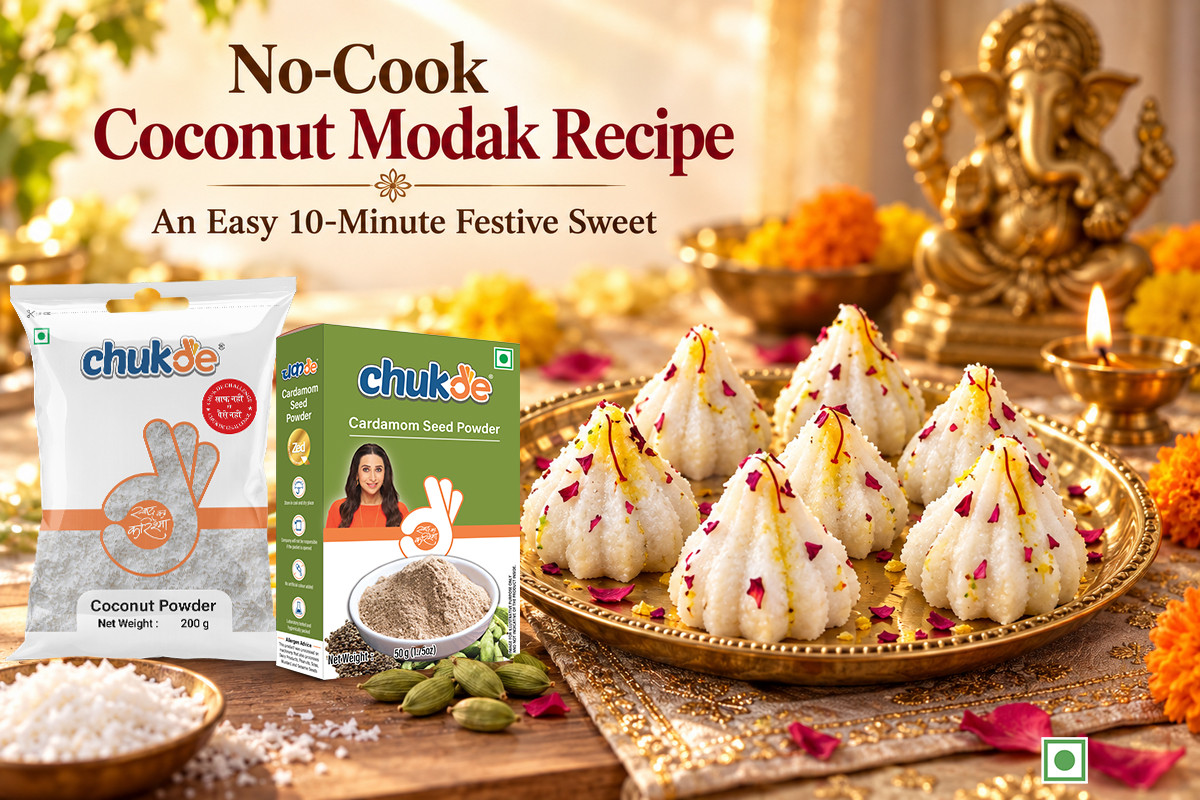
Make soft, delicious no-cook coconut modaks in just 10 minutes using simple ingredients. An easy festive sweet perfect for Ganesh Chaturthi celebrations.

Make soft, flavourful Besan Mawa Modak for Ganesh Chaturthi with an easy step-by-step recipe, perfect for bhog, prasad and festive celebrations at home.
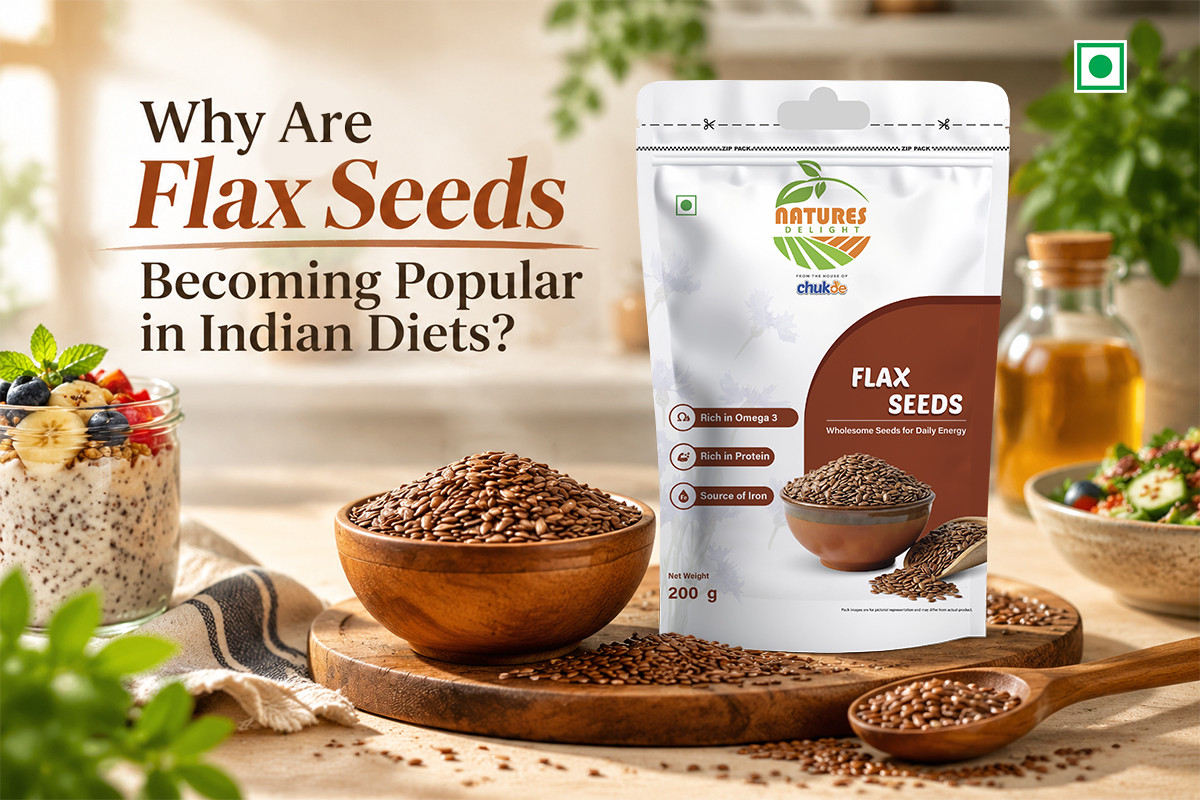
Flax seeds are back in Indian kitchens. See why demand is rising, useful food points, roast-and-grind steps, storage tips and easy daily uses.
<% quickViewcurrVar.entity.title %> (<% quickViewcurrVar.price.off %>)
<% formatCurr(quickViewcurrVar.price.regular, quickViewcurrVar.price.curr_info) %> <% formatCurr(quickViewcurrVar.price.sale, quickViewcurrVar.price.curr_info) %> (Inc. tax) (Ex. tax)
Description (SKU - <% quickViewcurrVar.sku %>)
 TBS points:
 Tags & Categories:

Powered by Science

100% cruelty free

Made in India
 100% safe
checkout
100% safe
checkout

Invalid Product!


Checkout in
& get 2% OFF