


 Cart
Cart


 <% cart_fragment.free_shipping_message %>free shipping


How To Store Indian Spices To Keep Them Fresh Longer

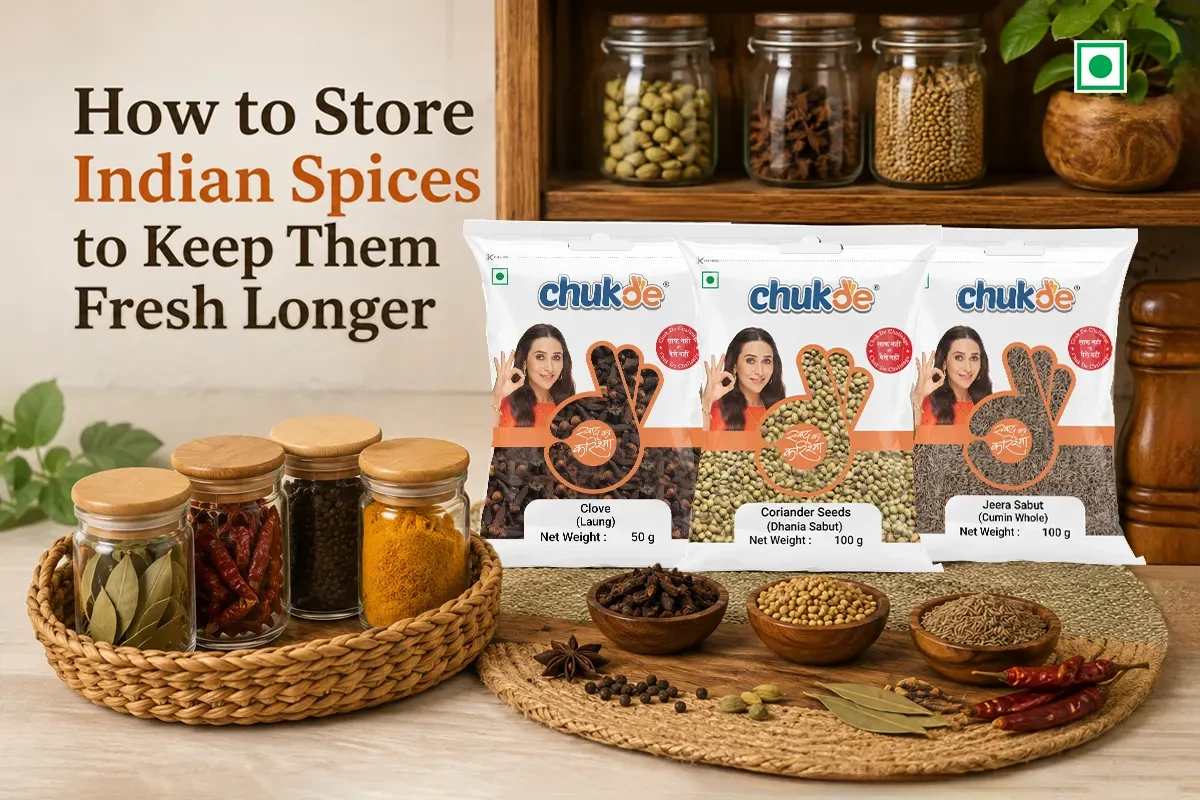
You open the garam masala jar for evening tadka and… nothing. Just a flat, dusty smell. The colour looks okay, but the aroma that should fill the kitchen is gone. This happens in almost every Indian home. We buy good Indian spices, use them daily, yet they fade faster than expected.
I have seen this pattern for years while cooking for family and testing recipes. Heat from the stove, monsoon humidity, loose lids and light do the damage. The good news is simple habits fix most of it. Once you protect the volatile oils that carry flavour, the same jeera, dhaniya and red chilli powder stay lively much longer.
Here is exactly how to store Indian spices so they keep their punch.
Why Indian Spices Lose Flavour So Fast
Spices contain natural oils that give aroma and taste. When these oils evaporate or oxidise, the spice becomes dull. Four things speed up the process:
- Heat from the stove or oven
- Moisture from steam or humid air
- Light, especially direct sunlight
- Air (oxygen) every time the jar stays open
In most Indian kitchens the masala dabba sits right next to the gas. That location alone can cut the useful life of ground masalas by half. Ground spices lose potency faster because grinding increases surface area. Whole spices protect their oils better inside the seed or bark.
Whole Spices vs Ground Spices – Real Shelf Life
From practical kitchen use and common food-science ranges:
|
Type |
Examples |
Expected life |
Sign of fading |
|
Whole spices |
Jeera, sabut dhaniya, kali mirch, laung, elaichi |
2–4 years |
Weak smell when rubbed |
|
Hard whole spices |
Dalchini sticks, star anise, whole red chillies |
3–5 years |
No aroma when snapped |
|
Ground powders |
Haldi, lal mirch, dhaniya powder |
6–12 months |
Colour fades, smell flat |
|
Homemade blends |
Fresh garam masala, sambar powder |
Best within 3 months |
Aroma weakens after weeks |
These numbers assume proper storage. Keep the same spice near the stove and the timeline shortens sharply.
The Everyday System That Actually Works
1. Use a steel masala dabba for daily cooking
Fill the seven cups with what you reach for every day – jeera, rai, lal mirch, haldi, dhaniya powder, namak and garam masala. Steel blocks light. The tight lid keeps air and steam out. Keep this dabba on the counter for easy access, but refill it only once a week from bigger storage jars. This limits how often the main stock is opened.
2. Store the bulk stock in airtight glass or steel jars
Transfer larger packets into jars with proper lids. Label each jar with the spice name and the month you opened it. Place these jars in a closed cupboard away from the stove, sink and window. Upper cabinets usually stay cooler and drier than lower ones near the floor. For whole spices that last longest, keep a good stock of Jeera Sabut and Dhania Sabut ready for grinding when needed.
3. Keep everything dry
Never scoop with a wet spoon. Never hold the open jar over a steaming kadhai. Steam is the fastest way to create clumps in powder masalas. If the kitchen is very humid during monsoon, wipe the jar rim before closing the lid.
4. Buy whole when possible and grind small batches
Whole cumin or coriander lasts years. Grind only what you need for a week or two. The flavour difference in tadka is clear. Freshly ground spices release aroma at the moment of cooking instead of sitting already oxidised in a packet. Keep a pack of Garam Masala Sabut for making small fresh batches at home.
Monsoon and Humid-City Adjustments
In coastal or monsoon-heavy places, moisture is the biggest enemy. A few extra steps help:
- Prefer stainless-steel jars over thin plastic.
- Check lids every few weeks for any stickiness.
- If you refrigerate delicate items like kesar or homemade garam masala, use very small jars and bring them to room temperature before opening. Cold jars opened in a warm kitchen create condensation.
- Avoid keeping the main stock near the fridge or dishwasher – both add humidity.
Quick Freshness Check You Can Do Anytime
Rub a pinch between your fingers and smell.
- Strong, immediate aroma = still good.
- Weak or dusty smell = flavour is mostly gone.
Also watch colour. Bright red chilli powder turning orange-brown or bright yellow turmeric becoming pale gold means the oils have faded. The spice is still usable for colour, but it will not give the same taste. For everyday ground spices that stay aromatic longer when stored right, try Turmeric Haldi Powder.
Common Mistakes and Easy Fixes
- Keeping the big packets next to the stove → Move bulk stock to a closed cupboard.
- Using transparent jars on open shelves → Put them inside a dark cabinet or switch to steel.
- Buying 1 kg packs when you use only 100 g a month → Buy smaller quantities more often.
- Mixing old and new powder in the same jar → Finish the old stock first or transfer remaining amount to a smaller jar.
- Leaving the dabba lid loose after cooking → Make it a habit to click the lid shut every time.
Simple Storage Checklist
- Airtight lids on every jar
- Cool, dark cupboard for main stock
- Weekly refill of masala dabba only
- Completely dry spoon every time
- Labels with opening date
- Smell test every 2–3 months
- Whole spices preferred for long storage
Follow this list and most Indian spices stay useful far longer than the usual countertop method.
Frequently Asked Questions
How long do Indian ground masalas last?
In airtight, cool and dark storage, commercial ground masalas usually keep good aroma for 6–12 months. Homemade blends are best within 3 months.
Should I keep my masala dabba next to the stove?
Keep the dabba handy but refill it weekly from bulk jars stored away from heat. Constant stove heat shortens the life of the powders inside.
Is glass or steel better for storing Indian spices?
Both work well when lids are tight. Steel is practical in humid kitchens; dark glass protects light-sensitive spices like chilli and turmeric.
Can I store spices in the refrigerator?
Only for delicate items such as saffron or freshly ground cardamom in small airtight jars. Everyday spices do better in a cool dry cupboard to avoid condensation.
How do I know if my spices have lost flavour?
Rub a little between your fingers and smell. Strong aroma means it is still good. Weak or dusty smell and faded colour mean the oils have gone.
Final Thoughts
Good Indian spices deserve better than plastic bags near the flame. Airtight containers, a cool dark place, dry handling and the weekly dabba refill routine protect the aroma that makes everyday cooking taste complete. Start with one change this week – move the bulk jars away from the stove or switch to proper lids – and you will notice the difference in the next tadka.
Explore the range of whole spices and everyday masalas on Chukde.com, try grinding a small batch at home, and see how much longer the flavour lasts when storage is right. Share your own kitchen tips in the comments – every home has a small hack that works.
For more on spice shelf life ranges, see resources from McCormick on how long spices last and practical storage guidance from Healthline on spice expiry.
Related articles

Discover why Kashmiri Lal Mirch adds rich colour with mild heat. Learn its benefits, cooking uses, storage tips and difference from regular chilli.
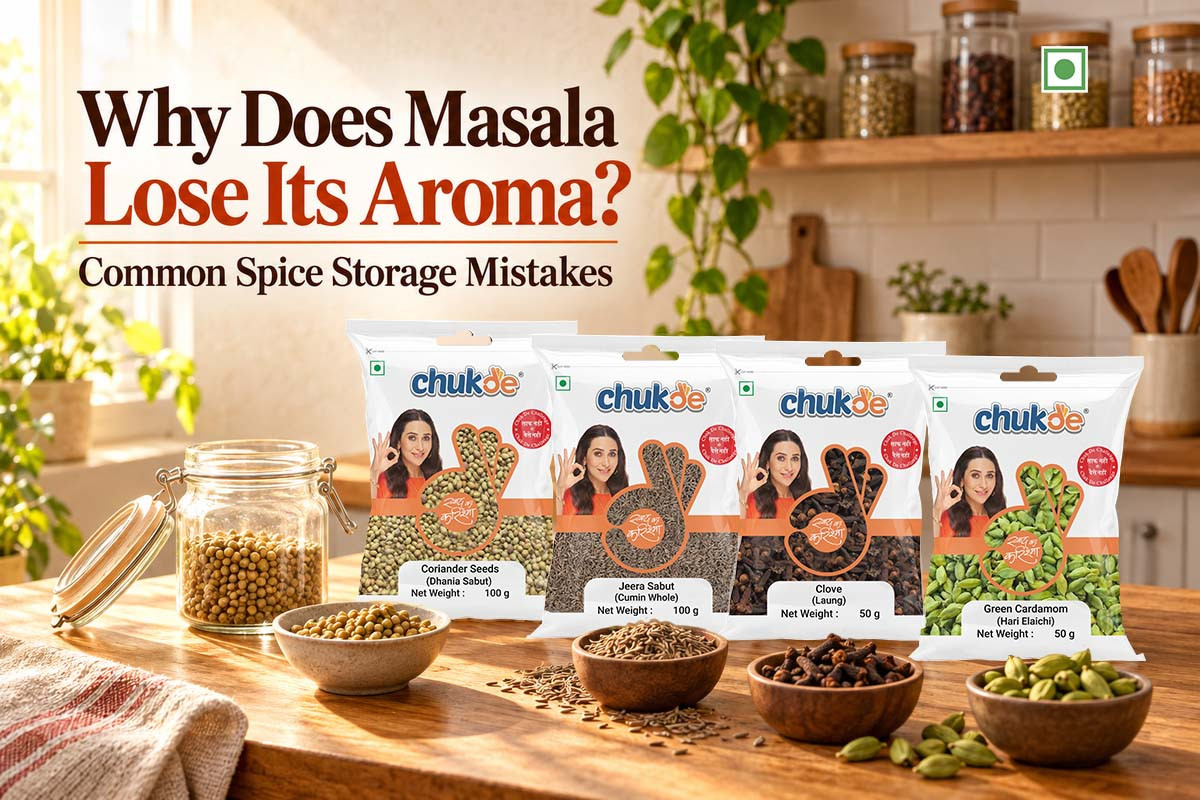
Masala loses aroma due to heat, light, moisture and air. Learn common spice storage mistakes, practical fixes, shelf life tips and better pantry habits for Indian spices.
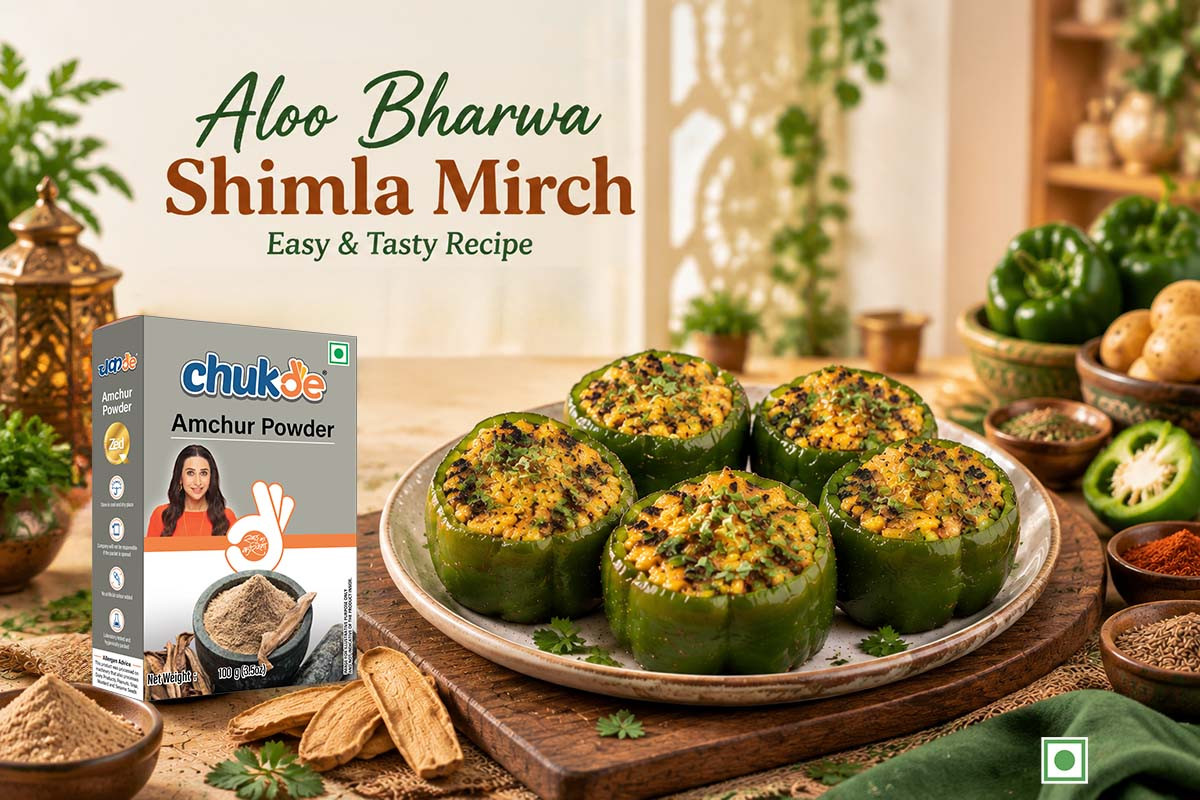
Aloo Bharwa Shimla Mirch Recipe with spicy potato stuffing, aromatic Indian spices and easy cooking steps. Perfect vegetarian side dish for roti, paratha and dal rice.
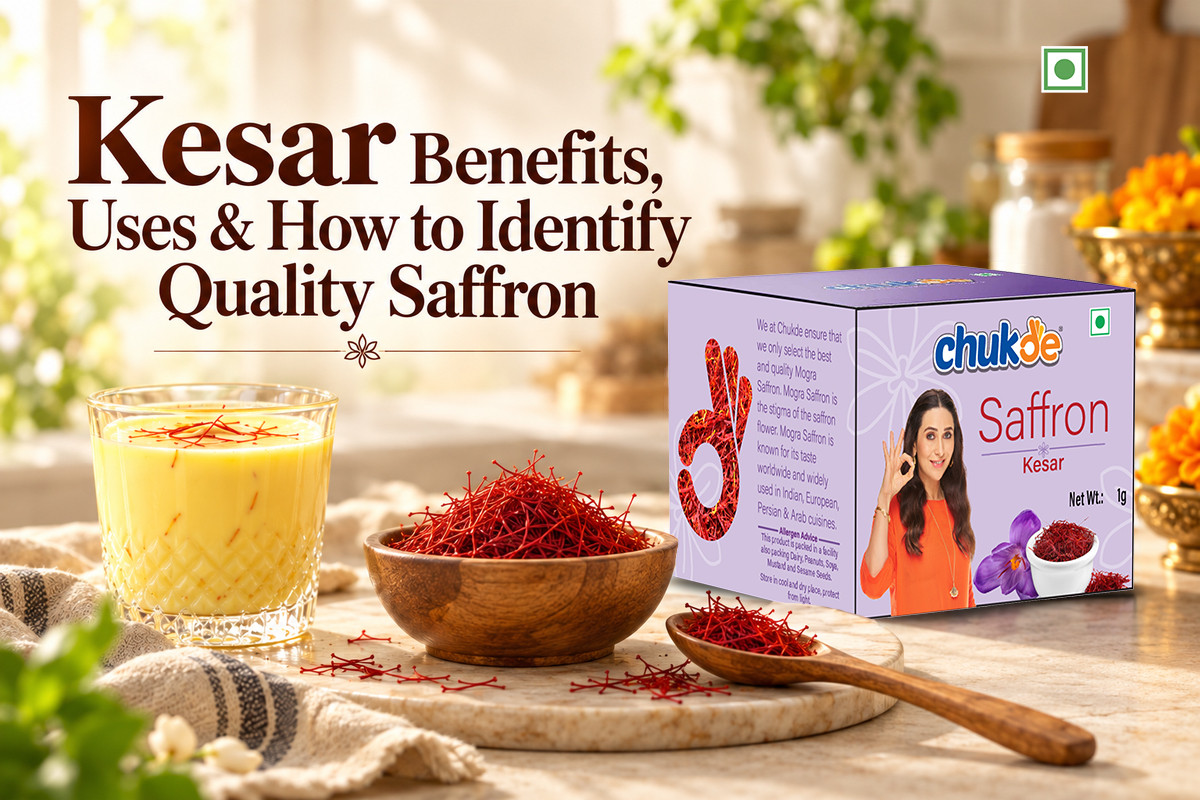
Learn kesar benefits, kitchen uses, bloom method, food amounts, and home tests to spot quality saffron threads.
<% quickViewcurrVar.entity.title %> (<% quickViewcurrVar.price.off %>)
<% formatCurr(quickViewcurrVar.price.regular, quickViewcurrVar.price.curr_info) %> <% formatCurr(quickViewcurrVar.price.sale, quickViewcurrVar.price.curr_info) %> (Inc. tax) (Ex. tax)
Description (SKU - <% quickViewcurrVar.sku %>)
 TBS points:
 Tags & Categories:

Powered by Science

100% cruelty free

Made in India
 100% safe
checkout
100% safe
checkout

Invalid Product!


Checkout in
& get 2% OFF